
Do Wearable Air Purifiers Work? Proven Essential Guide

Wearable air purifiers offer a personal bubble of cleaner air, but their effectiveness is a complex question. This guide dives into the science, real-world performance, and crucial factors to consider, helping you understand if they truly work for your needs.
Breathing in cleaner air wherever you go sounds like a dream, especially with rising concerns about air quality. You might have seen those sleek devices worn around the neck or clipped to clothing, promising to filter out pollutants. It’s natural to wonder: do wearable air purifiers work? Many of us are seeking solutions for allergies, pollution, or general well-being. This guide will break down the technology, examine the evidence, and help you make an informed decision about these personal air purification devices.
Understanding Wearable Air Purifiers: How They’re Designed to Work
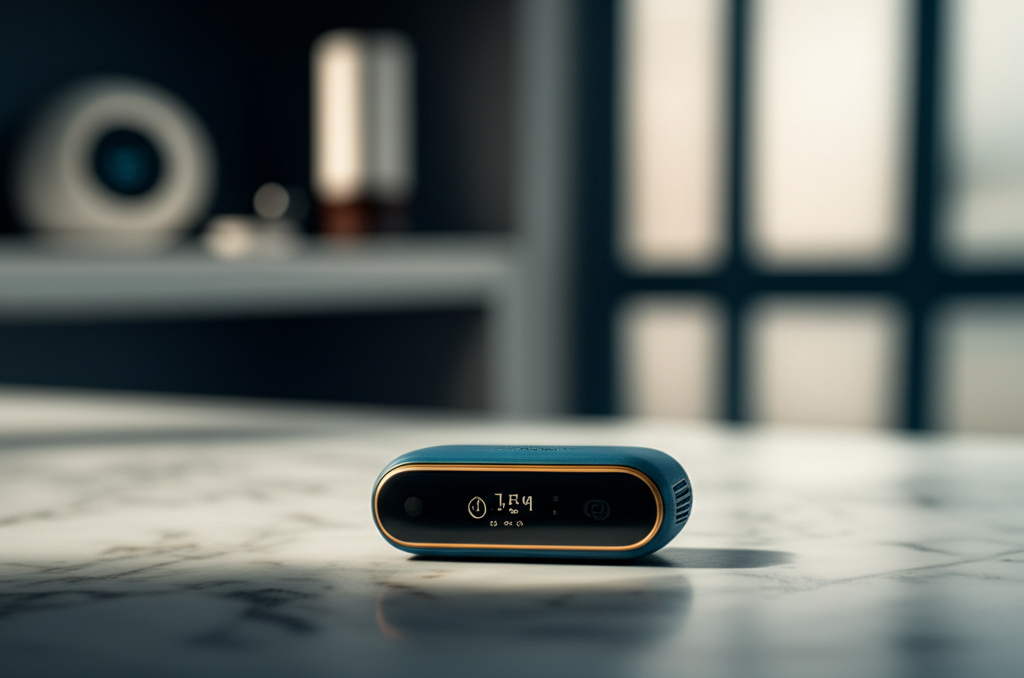
Wearable air purifiers are designed to create a zone of cleaner air around your breathing space. They typically use a small fan to draw in ambient air, pass it through a filter (often HEPA or a similar fine particle filter), and then release the purified air towards your face. Some models also employ ionization technology, which releases negative ions that can attach to airborne particles, making them heavier and fall out of the air. The core idea is to reduce your exposure to common airborne irritants and pollutants.
The effectiveness of any air purification system hinges on its ability to capture and remove specific particles. For wearable devices, the challenge lies in their compact size and the limited airflow they can generate compared to larger, stationary units. This means they are primarily designed to tackle larger particles and potentially some smaller ones, depending on the filtration technology employed.
The Science Behind Personal Air Purification: What the Research Says
The scientific community generally acknowledges the principles behind air filtration, particularly HEPA technology, which is highly effective at capturing particles like dust, pollen, and pet dander. However, the efficacy of wearable air purifiers is less extensively studied and often debated. While they can theoretically filter air, the real-world impact on an individual’s overall air quality exposure is a subject of ongoing discussion.
Studies on larger, room-based air purifiers consistently show their ability to reduce indoor particulate matter. Wearable devices, due to their limited scale and proximity to the user, aim to provide a localized benefit. It’s important to distinguish between the general principles of air purification and the specific performance claims of these personal devices.
Key Components: Filters, Ionizers, and Airflow in Wearable Devices
At the heart of most wearable air purifiers are their filtration systems. High-Efficiency Particulate Air (HEPA) filters are the gold standard for capturing tiny particles, but in a small wearable device, the filter size and density are crucial. Ionizers work differently, charging particles to make them settle, but their effectiveness and potential ozone production are points of consideration. The fan’s airflow rate, measured in cubic feet per minute (CFM), dictates how much air is processed.
When evaluating a wearable air purifier, pay close attention to the type of filter used and its stated efficiency (e.g., HEPA H13). For ionizers, check for certifications regarding ozone emissions, as excessive ozone can be harmful. The airflow of the fan is also a critical factor, as a higher CFM generally means more air is being cleaned.
Do Wearable Air Purifiers Effectively Remove Pollutants?
This is the central question, and the answer is nuanced. Wearable air purifiers can effectively remove some airborne particles from your immediate breathing zone, especially larger ones like dust and pollen. Their ability to significantly reduce exposure to very fine particles (like PM2.5) or gases is more questionable due to their limited filtration capacity and airflow. They offer a supplementary layer of protection rather than a complete solution for heavily polluted environments.
For individuals with mild allergies or those seeking a slight reduction in everyday airborne irritants, a wearable air purifier might offer some relief. However, for severe respiratory conditions or exposure to high levels of pollution, relying solely on a wearable device might not be sufficient.
Factors Influencing Wearable Air Purifier Effectiveness
Several variables significantly impact how well a wearable air purifier performs. The type and quality of the filter are paramount; a true HEPA filter will outperform a basic particle filter. The fan’s power determines how much air is drawn through the filter, and a weak fan will limit the device’s overall cleaning potential. The seal around the filter and the design of the air outlet also play a role in directing purified air effectively towards the user.
Environmental conditions also matter. In a still, enclosed space, a wearable purifier might be more effective than in a windy, open outdoor environment where pollutants are constantly dispersed. Proper maintenance, such as regularly cleaning or replacing filters, is also essential for sustained performance.
Comparing Wearable Air Purifiers to Other Air Purification Methods
Compared to large, stationary air purifiers, wearable devices offer portability but significantly less cleaning power. While a room purifier can clean an entire space, a wearable unit focuses on a small personal bubble. Portable air purifiers for desks or cars offer a middle ground, providing more power than a wearable but less than a whole-room unit. Natural ventilation and source control (e.g., reducing dust at home) remain foundational strategies for improving air quality.
The choice depends on your needs. For comprehensive air cleaning in a specific room, a stationary purifier is best. For on-the-go protection, a wearable device might offer some benefit, but it’s crucial to manage expectations.
Real-World Performance and User Experiences
User reviews and anecdotal evidence offer mixed perspectives on wearable air purifiers. Many users report feeling a difference, particularly those sensitive to pollen or dust, experiencing fewer allergy symptoms when wearing the device. Others find them less effective than anticipated, especially in areas with high pollution or strong odors. The perceived benefit can also be influenced by the placebo effect.
It’s important to look for reviews that discuss specific pollutants or allergens the device claims to address and compare those experiences with the device’s technical specifications. Understanding that individual experiences can vary widely is key to interpreting this feedback.
Potential Benefits and Limitations of Wearable Air Purifiers
The primary benefit of wearable air purifiers is their portability, offering a personal shield against airborne particles wherever you go. They can provide a sense of security and potentially offer relief for mild allergies. For some, the simple act of having a device that attempts to clean the air provides psychological comfort.
However, limitations are significant. Their cleaning capacity is inherently restricted by size and power. They may not effectively filter out gases, VOCs, or very fine particulate matter. The effectiveness can be highly dependent on user placement and environmental conditions. Furthermore, some models can be noisy or uncomfortable to wear for extended periods.
Choosing the Right Wearable Air Purifier: What to Look For
When considering a wearable air purifier, prioritize devices that clearly state their filtration technology, ideally mentioning HEPA filtration and its efficiency rating. Look for reputable brands with transparent testing data regarding particle removal. Check battery life, weight, and ergonomic design for comfort during prolonged use. Consider the noise level of the fan, especially if you plan to use it in quiet environments.
Pay attention to replacement filter costs and availability, as this is an ongoing expense. Avoid devices that make exaggerated claims or lack clear specifications about their performance metrics.
Frequently Asked Questions About Wearable Air Purifiers
Can a wearable air purifier protect me from viruses like COVID-19?
While wearable air purifiers can filter out some airborne particles, they are generally not considered a primary defense against viruses like COVID-19. Effective protection involves measures like mask-wearing, vaccination, and social distancing, alongside good ventilation.
How often do I need to replace the filter in a wearable air purifier?
This depends on the specific model and the air quality of your environment. Most manufacturers recommend replacing filters every 1-3 months. Always refer to the product manual for precise guidelines.
Do wearable air purifiers produce ozone?
Some models that use ionization technology can produce small amounts of ozone. It’s crucial to choose devices certified for low or no ozone emissions, as high levels of ozone can be harmful to respiratory health.
Are wearable air purifiers effective in crowded public spaces?
In crowded spaces with high pollutant levels, a wearable air purifier can offer a degree of localized filtration. However, their effectiveness is limited by the sheer volume of air and pollutants, and they should not replace other protective measures.
Can I wear a wearable air purifier while exercising?
Some wearable air purifiers are designed to be lightweight and suitable for light activity. However, high-intensity exercise can increase your breathing rate, potentially overwhelming the device’s capacity to purify the air you inhale.
What is the difference between a wearable air purifier and a personal air filter necklace?
While the terms are often used interchangeably, a wearable air purifier typically implies a device with an active fan and filter system. A “personal air filter necklace” might sometimes refer to passive devices or ionizers, so it’s important to check the specific technology.
Conclusion: Do Wearable Air Purifiers Work for You?
So, do wearable air purifiers work? Yes, to a limited extent. They can provide a personal bubble of cleaner air by filtering out larger particles in your immediate vicinity. For individuals with mild allergies or those seeking a psychological boost and a perceived layer of protection, they might offer some benefit. However, it’s crucial to understand their limitations. They are not a substitute for robust air purification in enclosed spaces or for comprehensive protection against serious airborne threats like viruses or heavy pollution.
When choosing a wearable air purifier, prioritize clear specifications, HEPA filtration, and reputable brands. Manage your expectations: these devices offer localized, supplementary air cleaning. If you’re looking for a significant improvement in air quality, especially for serious health concerns, consider investing in certified, room-sized air purifiers and practicing good ventilation and source control.
