
Are Air Purifiers Good For Sinus Problems? Proven Relief!

Yes, air purifiers can be very good for sinus problems by removing allergens, irritants, and pollutants that often trigger or worsen sinus inflammation and discomfort.
Experiencing sinus problems can be incredibly frustrating, making everyday life feel stuffy and uncomfortable. From persistent congestion to painful pressure, these issues often stem from airborne irritants lurking in our homes. If you’re searching for effective ways to find relief and breathe easier, you’ve come to the right place. We’ll explore how air purifiers can make a significant difference in managing your sinus health, offering a breath of fresh air and proven comfort.
How Air Purifiers Help Alleviate Sinus Problems
Air purifiers are highly beneficial for sinus problems because they actively remove airborne irritants that can inflame sinus passages. By cleaning the air you breathe indoors, they reduce exposure to common triggers, leading to less congestion and discomfort. This makes your home a sanctuary for clearer breathing.
Understanding the Triggers of Sinus Issues
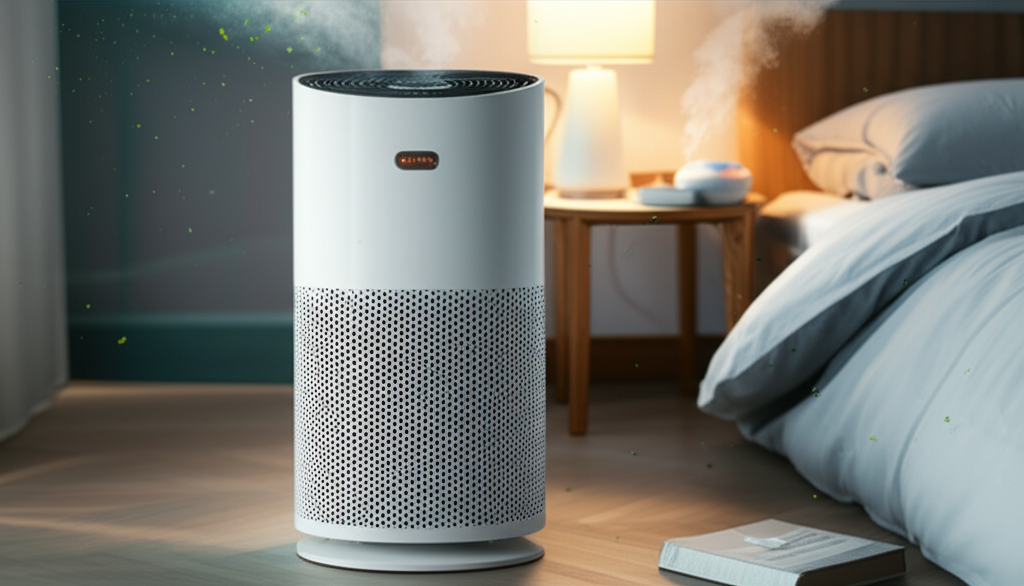
Sinus problems are often triggered by a variety of airborne particles that irritate and inflame the delicate tissues within your nasal passages. Identifying these culprits is the first step toward finding relief. Common triggers include dust, pollen, pet dander, mold spores, and volatile organic compounds (VOCs) from household products.
Common Indoor Air Pollutants Affecting Sinuses:
Dust Mites: Microscopic creatures found in dust that feed on dead skin cells.
Pollen: Tiny grains released by plants, often prevalent during specific seasons.
Pet Dander: Shed skin cells from animals with fur or feathers.
Mold Spores: Microscopic reproductive units of mold, often found in damp areas.
Smoke: From tobacco, fireplaces, or cooking, containing irritant chemicals.
VOCs: Gases emitted from paints, cleaning supplies, and furniture.
When these particles are inhaled, they can provoke an inflammatory response in the sinuses, leading to swelling, mucus buildup, and pain. Understanding these triggers empowers you to take proactive steps to improve your indoor air quality.
The Role of HEPA Filters in Capturing Allergens
High-Efficiency Particulate Air (HEPA) filters are the gold standard in air purification for allergy and sinus sufferers. These filters are designed to trap at least 99.97% of airborne particles 0.3 microns in size, effectively capturing most common sinus irritants. This includes pollen, dust mites, pet dander, and mold spores.
How HEPA Filters Work:
1. Particle Capture: Air is drawn through the filter, where particles are trapped through a combination of diffusion, interception, and impaction.
2. Efficiency: The dense mesh of the HEPA filter physically blocks particles from passing through.
3. Beneficial Outcome: By removing these microscopic irritants, HEPA filters significantly reduce the allergens in your air that can trigger sinus inflammation.
Using an air purifier with a certified HEPA filter is crucial for creating a cleaner environment that supports healthier sinuses.
Activated Carbon Filters for Odor and Chemical Removal
Beyond physical particles, odors and chemical irritants can also significantly impact sinus health. Activated carbon filters are excellent at adsorbing these harmful gases and volatile organic compounds (VOCs) from the air. This is particularly important for individuals sensitive to smells or chemical fumes, which can exacerbate sinus congestion.
Benefits of Activated Carbon Filters:
Adsorption: The porous structure of activated carbon traps gas molecules on its surface.
Odor Neutralization: Effectively removes unpleasant smells from cooking, pets, smoke, and more.
VOC Reduction: Captures harmful gases released from cleaning products, air fresheners, and building materials.
Many high-quality air purifiers combine HEPA filters with activated carbon to provide comprehensive air cleaning. This dual-action approach tackles both particulate matter and gaseous pollutants, offering a more complete solution for sinus relief.
Air Purifiers and Reducing Dust Accumulation
Dust is a major culprit in sinus problems, containing a mix of skin cells, fabric fibers, and other microscopic debris that can easily irritate nasal passages. Air purifiers actively capture airborne dust particles before they have a chance to settle on surfaces, significantly reducing overall dust accumulation in your home. This means less frequent dusting and a consistently cleaner environment.
How Air Purifiers Minimize Dust:
Continuous Air Circulation: They constantly draw air in, trapping dust before it lands.
Reduced Settling: Less dust on furniture, carpets, and bedding means fewer allergens to inhale.
Easier Cleaning: With less airborne dust, surfaces stay cleaner for longer.
By reducing the amount of dust circulating in your living space, air purifiers directly contribute to fewer sinus irritants and a more comfortable breathing experience.
Impact on Mold Spores and Mildew
Mold and mildew thrive in damp environments and release spores into the air, which are potent sinus irritants and allergens. Air purifiers equipped with HEPA filters are highly effective at capturing these microscopic mold spores. By removing them from the air, these devices can prevent mold-related sinus inflammation and reduce the risk of developing new mold sensitivities.
Preventing Mold-Related Sinus Issues:
1. Filtration: HEPA filters trap mold spores, preventing their circulation.
2. Humidity Control: While air purifiers don’t directly control humidity, reducing airborne mold spores complements other moisture control efforts.
3. Air Quality Improvement: Cleaner air means less exposure to triggers that cause sinus headaches and congestion.
Addressing mold issues in your home is vital, and an air purifier plays a key role in managing airborne spore levels.
Can Air Purifiers Help with Sinus Infections?
While air purifiers cannot directly cure a sinus infection, they can play a supportive role in recovery and prevention. By reducing the presence of airborne bacteria, viruses, and irritants that can contribute to inflammation or secondary infections, they help create an environment more conducive to healing. This can lessen the severity and frequency of infections.
Supporting Recovery and Prevention:
Reduced Irritants: Less exposure to dust, pollen, and smoke can calm inflamed sinus tissues.
Airborne Pathogen Reduction: Some purifiers may help reduce the concentration of airborne bacteria and viruses.
Improved Air Quality: A cleaner environment supports overall respiratory health, aiding recovery.
For persistent or severe sinus infections, always consult a healthcare professional. An air purifier is a complementary tool, not a medical treatment.
Choosing the Right Air Purifier for Sinus Relief
Selecting the best air purifier for sinus problems involves considering several key features. Look for models with a true HEPA filter, adequate coverage for your room size, and a low noise level for comfortable use. Activated carbon filters are also highly recommended for tackling odors and VOCs.
Key Features to Look For:
True HEPA Filter: Essential for capturing fine particulate matter.
Activated Carbon Filter: For odor and gas removal.
CADR Rating: Clean Air Delivery Rate indicates effectiveness for room size.
Room Size Coverage: Ensure the purifier is sized appropriately for the space.
Low Noise Level: Important for bedrooms and living areas.
* Filter Replacement Indicator: Helps maintain optimal performance.
Consider brands like Coway, Levoit, and Blueair, known for their effective air purification technology suitable for allergy and sinus sufferers. For instance, the Levoit Core 300 is a popular choice for smaller rooms, offering a good balance of performance and affordability.
Comparing Air Purifier Technologies for Sinus Issues
Different air purifier technologies offer varying benefits for sinus problems. While HEPA and activated carbon are the most crucial, other technologies exist, each with pros and cons. Understanding these can help you make an informed decision about the best solution for your specific needs.
| Technology | How it Works | Pros for Sinus Issues | Cons for Sinus Issues |
| :—————– | :———————————————————————— | :—————————————————————- | :—————————————————————————————– |
| HEPA Filter | Physically traps particles (dust, pollen, dander, mold spores). | Highly effective at removing common allergens and irritants. | Requires regular filter replacement; does not remove gases or odors. |
| Activated Carbon | Adsorbs gases, odors, and VOCs. | Neutralizes smells and reduces exposure to chemical irritants. | Less effective against particulate matter; lifespan depends on pollutant levels. |
| UV-C Light | Uses ultraviolet light to kill airborne bacteria and viruses. | Can help neutralize microorganisms that may worsen sinus issues. | May not be effective against all pathogens; potential for ozone production in some models. |
| Ionizers | Release negative ions to charge particles, causing them to clump and fall. | Can help remove smaller particles from the air. | Potential for ozone production, which can irritate the respiratory system. |
For most sinus problems, a combination of a True HEPA filter and an activated carbon filter provides the most comprehensive relief. Always ensure any unit with UV-C light or ionizers is certified to produce minimal or no ozone.
Setting Up and Maintaining Your Air Purifier for Maximum Benefit
Proper setup and regular maintenance are key to ensuring your air purifier effectively tackles sinus problems. Placing the unit in the room where you spend the most time, such as your bedroom or living room, maximizes its impact. Following the manufacturer’s guidelines for filter replacement is also critical for sustained performance.
Maintenance Checklist:
1. Placement: Position the purifier in a central location with good airflow, away from obstructions.
2. Pre-filters: Clean or replace pre-filters as recommended to extend the life of the main filters.
3. HEPA & Carbon Filters: Replace these according to the indicator lights or manufacturer’s schedule (typically every 6-12 months).
4. Unit Cleaning: Dust the exterior and interior of the unit periodically.
5. Run Time: Operate the purifier consistently, especially during allergy seasons or when air quality is poor.
Consistent upkeep ensures your air purifier continues to deliver clean air, providing ongoing relief from sinus irritants.
Frequently Asked Questions About Air Purifiers and Sinus Problems
Do air purifiers help with sinus pressure?
Yes, by removing irritants like dust, pollen, and mold from the air, air purifiers can reduce inflammation in your sinus passages. This reduction in inflammation often leads to less sinus pressure and discomfort.
Can air purifiers eliminate dust mites from my home?
Air purifiers capture airborne dust mite allergens, but they don’t eliminate dust mites themselves, which live in fabrics. Consistent use of an air purifier reduces the allergens you inhale from dust mites.
How long does it take to feel relief from sinus problems with an air purifier?
Many people notice an improvement in their sinus symptoms within a few days to a couple of weeks of consistently using an air purifier. The exact timeline can vary based on the severity of your symptoms and the level of indoor air pollution.
Are there any downsides to using air purifiers for sinus issues?
The main downsides are the cost of the unit and ongoing filter replacements. Some models can also be noisy, and certain technologies like ionizers or UV-C lights may produce ozone, which can be an irritant.
Should I run my air purifier all the time?
For maximum benefit, especially if you have persistent sinus problems, it’s recommended to run your air purifier as much as possible. Continuous operation ensures the air is consistently cleaner, providing the best environment for symptom relief.
Conclusion: Breathe Easier with Cleaner Indoor Air
In conclusion, the question of are air purifiers good for sinus problems receives a resounding yes. By effectively filtering out common triggers such as dust, pollen, pet dander, mold spores, and even VOCs, air purifiers create a cleaner, healthier indoor environment. This direct reduction of airborne irritants can significantly alleviate sinus pressure, congestion, and inflammation, offering proven relief for many individuals. Investing in a quality air purifier with a HEPA filter and activated carbon is a proactive step towards managing sinus issues and improving your overall respiratory well-being. Make the choice for cleaner air and experience the difference it can make in your daily comfort and health.
