Are Air Purifiers Good For Pet Hair: Essential Guide

Are Air Purifiers Good for Pet Hair: Your Essential Guide
Yes, air purifiers are surprisingly effective at capturing airborne pet hair, dander, and odors, significantly improving indoor air quality for pet owners. This guide will explain how they work, what to look for, and how to maximize their benefits for a cleaner, fresher home.
Living with furry companions brings immense joy, but it also comes with challenges like shedding hair, lingering odors, and potential allergens. Many pet owners wonder if an air purifier can truly make a difference in managing these issues. The good news is that with the right unit, an air purifier can be a game-changer for your home’s air quality.
This guide will walk you through everything you need to know, from understanding how air purifiers tackle pet hair to choosing the best model for your needs. Let’s dive in and discover how to breathe easier with your beloved pets.
How Air Purifiers Tackle Pet Hair and Dander
Air purifiers work by drawing in the air in a room, passing it through a series of filters, and then releasing cleaner air back into the environment. This process is highly effective at trapping not just visible pet hair but also the microscopic dander, dust, and odors that accompany our pets.
The primary mechanism involves a fan that circulates air through the unit. As the air is pulled in, larger particles like pet hair are caught by pre-filters, while smaller allergens and dander are trapped by more specialized filters. This continuous cycle significantly reduces the concentration of airborne irritants.
The Role of HEPA Filters in Capturing Pet Hair

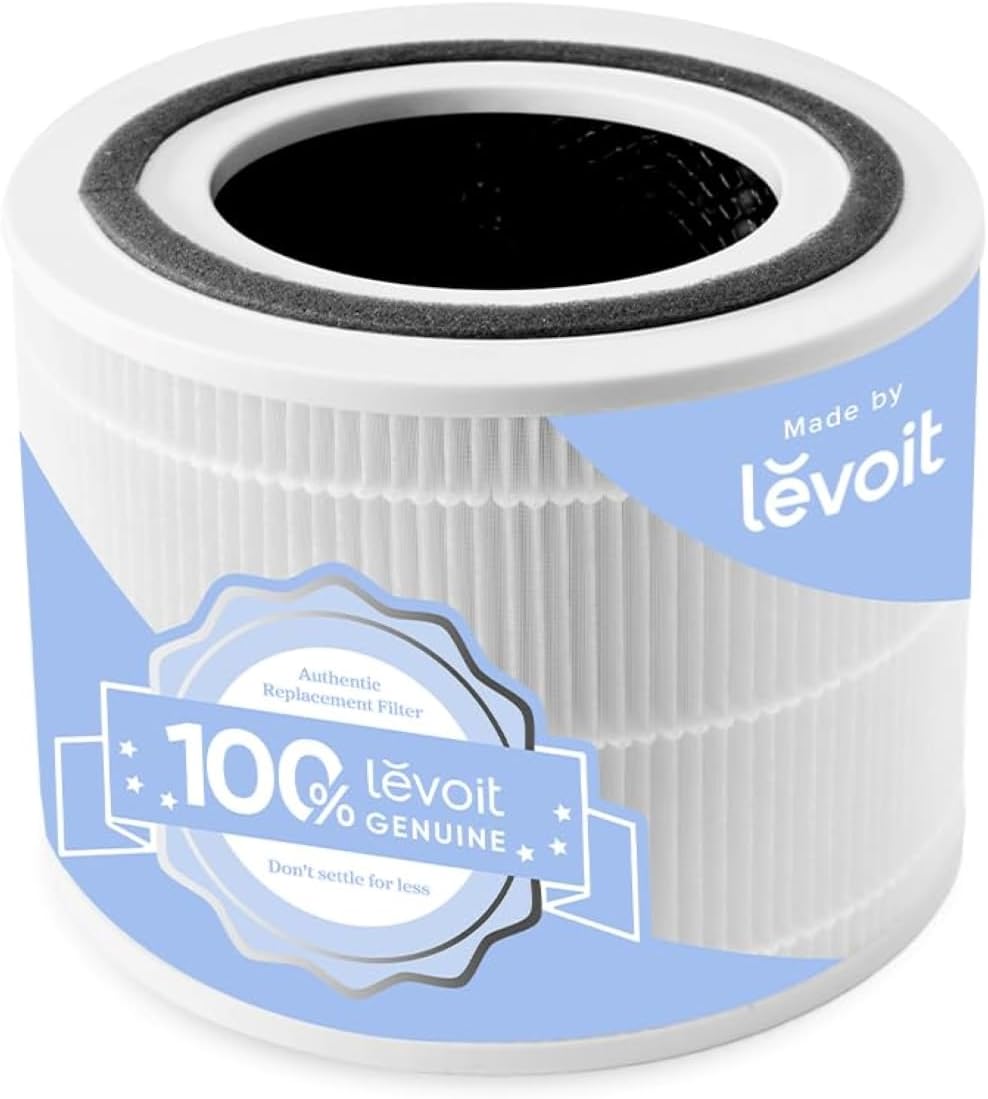
High-Efficiency Particulate Air (HEPA) filters are the gold standard for air purification, especially when dealing with pet hair and dander. True HEPA filters are designed to capture at least 99.97% of airborne particles as small as 0.3 microns. This includes not only visible hair but also the much smaller, often problematic, pet dander.
These filters use a dense mat of randomly arranged fibers to trap particles through a combination of interception, impaction, and diffusion. For pet owners, this means a substantial reduction in the allergens that can trigger respiratory issues and skin irritation.
Activated Carbon Filters: Your Ally Against Pet Odors
While HEPA filters excel at capturing physical particles, activated carbon filters are crucial for addressing the common issue of pet odors. Activated carbon has a porous structure that adsorbs gases, volatile organic compounds (VOCs), and odor molecules from the air. This makes it indispensable for neutralizing smells associated with litter boxes, wet dog fur, and general pet presence.
Many air purifiers designed for pet owners include a substantial amount of activated carbon. The more carbon a filter contains, the greater its capacity to absorb odors, leading to a fresher-smelling home. Regularly replacing these filters ensures their continued effectiveness.
Choosing the Right Air Purifier for Pet Owners
When selecting an air purifier for a home with pets, several key features should be prioritized to ensure optimal performance. It’s not just about size; the type of filters, CADR ratings, and noise levels all play a significant role in your satisfaction.
Considering your specific needs, such as the number of pets, the size of your living space, and any allergy concerns, will guide you toward the most suitable model. A well-chosen air purifier can transform your living environment, making it more comfortable for both you and your pets.
Key Features to Look For
When shopping for an air purifier to combat pet hair and dander, focus on units with a true HEPA filter and a substantial activated carbon filter. Look for a high Clean Air Delivery Rate (CADR) for the room size you intend to use it in. Additional features like pre-filters to catch larger debris and quiet operation modes can also enhance your experience.
- True HEPA Filter: Essential for capturing fine dander and allergens.
- Activated Carbon Filter: Crucial for odor absorption. Look for a generous amount.
- Pre-Filter: Catches larger pet hair and dust, extending the life of the HEPA and carbon filters.
- High CADR: Ensures the purifier can effectively clean the air in your room quickly.
- Low Noise Levels: Important for bedrooms or living areas where quiet is desired.
- Coverage Area: Match the purifier’s capacity to the square footage of your room.
Understanding CADR and Room Size
The Clean Air Delivery Rate (CADR) is a standardized measure of how effectively an air purifier cleans the air. It’s measured for three pollutants: smoke, dust, and pollen. For pet owners, a higher CADR for dust and smoke is particularly relevant, as it indicates how quickly the unit can remove airborne particles.
Manufacturers usually specify the recommended room size for their air purifiers. It’s generally advised to choose a unit that is rated for a slightly larger room than you have, especially if you have multiple pets or severe allergies. This ensures the purifier can operate efficiently without being overworked.
Filter Replacement and Maintenance
The effectiveness of any air purifier hinges on regular filter maintenance. Pet hair can clog filters quickly, reducing airflow and purification efficiency. HEPA and activated carbon filters have a limited lifespan and will need to be replaced periodically, typically every 6-12 months, depending on usage and air quality.
Always check the manufacturer’s recommendations for filter replacement schedules. Some units have indicators to remind you when it’s time for a change. Neglecting filter replacement can render your air purifier ineffective and potentially lead to increased noise and reduced performance.
Best Air Purifier Types for Pet Hair Management
Different types of air purifiers offer varying levels of effectiveness and features when it comes to managing pet hair and dander. Understanding these distinctions will help you make an informed decision that best suits your home environment and specific needs.
While many purifiers use similar filtration technologies, some are specifically designed or marketed with pet owners in mind, often featuring enhanced pre-filters or larger carbon filters to tackle common pet-related issues more effectively.
Standalone Air Purifiers
Standalone air purifiers are the most common type and are designed to be placed in a specific room to clean its air. These units typically house all the necessary filtration components—pre-filter, HEPA filter, and activated carbon filter—in a single, portable device. They are ideal for targeting problem areas like bedrooms, living rooms, or offices where pets spend a lot of time.
For pet owners, choosing a standalone unit with a robust filtration system and adequate CADR for the room size is paramount. Many popular brands offer models specifically tailored to households with pets, often featuring specialized filters or enhanced odor control capabilities.
Whole-House Air Purification Systems
For comprehensive air quality management throughout an entire home, whole-house air purification systems can be integrated directly into your HVAC system. These systems filter the air as it circulates through your home’s ductwork, providing continuous purification in every room. They are a significant investment but offer unparalleled coverage.
While effective for overall air quality, whole-house systems may not always have the same level of specialized pet dander and odor filtration as some standalone units. However, they drastically reduce the overall particulate load, including pet hair and dander, making them a powerful solution for severe allergy sufferers.
Portable vs. Whole-House: A Comparison
| Feature | Portable Air Purifiers | Whole-House Air Purification Systems |
| :————— | :—————————————————– | :——————————————————— |
| Coverage | Single room or designated area | Entire home |
| Installation | Plug-and-play, minimal setup | Requires professional HVAC integration |
| Cost | Lower initial cost, ongoing filter replacement costs | Higher initial investment, ongoing filter replacement costs |
| Portability | Easily moved between rooms | Fixed installation |
| Maintenance | User-replaceable filters | Filter replacement may require professional assistance |
| Effectiveness| Excellent for targeted areas, good for smaller spaces | Excellent for whole-home coverage, consistent air quality |
Both portable and whole-house systems have their advantages. The choice often depends on your budget, the size of your home, and the intensity of your pet-related air quality concerns.
Maximizing Your Air Purifier’s Performance with Pets
To get the most out of your air purifier when you have pets, strategic placement and consistent maintenance are key. Think of it as a partnership: you provide the care, and the purifier delivers cleaner air.
Implementing a few simple habits can significantly boost the effectiveness of your air purifier, ensuring it tackles pet hair, dander, and odors as efficiently as possible and provides a healthier living environment for everyone.
Strategic Placement for Optimal Airflow
Where you place your air purifier can dramatically impact its performance. For the best results, position the unit in the room where your pet spends the most time or where you notice the most pet hair and odors. Ensure there’s adequate space around the unit for air to circulate freely.
Avoid placing the air purifier directly against walls or furniture, as this can obstruct airflow and reduce its efficiency. Placing it near a pet’s favorite resting spot or near their food and water bowls can help capture airborne particles closer to the source.
Regular Cleaning of the Pre-Filter
The pre-filter is the first line of defense, catching larger particles like visible pet hair. Many pre-filters are washable or can be vacuumed. Cleaning the pre-filter regularly—ideally weekly or bi-weekly—prevents it from becoming overloaded, which can strain the other filters and reduce overall performance.
A clogged pre-filter means less air can pass through the purifier, making it work harder and less effectively. Taking a few minutes to clean it can extend the life of your HEPA and carbon filters and maintain optimal air intake.
Grooming Your Pet Regularly
While an air purifier helps manage airborne hair and dander, regular grooming of your pet is an essential complementary strategy. Brushing your pet frequently, ideally outdoors or in an area that’s easy to clean, significantly reduces the amount of loose hair and dander that enters the air.
This proactive approach lessens the burden on your air purifier, allowing its filters to focus on the finer particles. Consistent grooming not only benefits your air quality but also promotes a healthier coat and skin for your pet.
When to Consider a Specialized Pet Air Purifier
If you have multiple pets, a pet with particularly dense fur, or if anyone in your household suffers from pet allergies, a specialized pet air purifier might be a worthwhile investment. These units are often engineered with enhanced features to specifically address the challenges pets present.
These specialized models typically feature more robust filtration systems, including larger activated carbon filters for superior odor control and more durable pre-filters designed to capture a higher volume of pet hair. Their CADR ratings are often higher to cope with the increased particulate load in homes with pets.
Signs You Might Need a Pet-Specific Model
Several indicators suggest that a standard air purifier might not be enough, and a model designed for pets would be more beneficial. Persistent pet odors, visible pet hair accumulating quickly even after cleaning, and ongoing allergy symptoms in household members are strong clues.
If you find yourself constantly cleaning surfaces and still battling airborne fur, or if the air in your home never feels truly fresh, it’s time to consider an air purifier with enhanced pet-related features. This could include a higher capacity for odor absorption or more effective particle capture.
Features to Prioritize in Pet Air Purifiers
When looking at air purifiers marketed for pets, pay close attention to the specific features that make them suitable. A multi-stage filtration system is critical, often including a washable pre-filter for hair, a true HEPA filter for dander, and a substantial activated carbon filter for odors. Look for units with a high CADR appropriate for your room size and consider noise levels.
Some pet-specific models might also offer features like ionizers (though these should be used with caution, ensuring they are ozone-free) or specialized filter materials designed to break down odor compounds more effectively. Always ensure the unit is certified by reputable organizations for safety and performance.
Alternatives and Complements to Air Purifiers for Pet Hair
While air purifiers are excellent tools for managing pet hair and dander, they are most effective when used as part of a comprehensive cleaning strategy. Combining air purification with other methods can lead to a significantly cleaner and healthier home environment.
Exploring these complementary approaches ensures that you’re tackling pet-related air quality issues from multiple angles, leading to better results than relying on a single solution alone.
Regular Vacuuming and Cleaning Routines
Consistent vacuuming is non-negotiable for homes with pets. Using a vacuum cleaner with a HEPA filter is highly recommended, as it traps fine particles instead of recirculating them. Pay attention to carpets, upholstery, and corners where pet hair tends to accumulate. Regular dusting and mopping also help capture settled hair and dander.
Establishing a routine for these tasks ensures that the amount of hair and dander that becomes airborne is minimized. This makes your air purifier’s job easier and more effective. For instance, vacuuming daily or every other day can make a significant difference.
Pet Grooming and Bathing Practices
As mentioned earlier, regular grooming is a cornerstone of pet hair management. Brushing your pet frequently reduces shedding. Bathing your pet regularly (according to your veterinarian’s recommendations) also helps remove loose hair and dander. Always ensure your pet is thoroughly dried after a bath to prevent mildew smells.
Consider using grooming gloves or brushes designed to capture loose fur efficiently. These tools can make the grooming process more effective and less messy, contributing to cleaner air and a cleaner home overall.
Choosing Pet-Friendly Furnishings and Materials
Certain materials are more prone to trapping pet hair and dander than others. Opting for furniture with smooth, tightly woven fabrics like leather, pleather, or microfiber can make cleaning easier. Washable slipcovers for sofas and chairs are also excellent investments for pet owners.
Hardwood floors, tile, or linoleum are generally easier to keep clean than wall-to-wall carpeting. If you have carpets, consider low-pile options and frequent deep cleaning. These choices can significantly reduce the amount of hair and dander that clings to surfaces in your home.
Frequently Asked Questions (FAQ)
Here are answers to some common questions pet owners have about using air purifiers.
Do air purifiers remove pet smells?
Yes, air purifiers with activated carbon filters are very effective at removing pet smells. The carbon adsorbs odor-causing molecules, leaving the air smelling fresher. The effectiveness depends on the amount of carbon in the filter and how often it’s replaced.
How often should I replace the filters in an air purifier for pet hair?
Filter replacement frequency depends on the model and how much pet hair and dander your purifier is handling. Generally, HEPA filters need replacement every 6-12 months, and carbon filters may need replacing as often as every 3-6 months if odors are a significant issue. Always check the manufacturer’s recommendations.
Can an air purifier help with pet allergies?
Absolutely. Air purifiers, especially those with true HEPA filters, are excellent for reducing airborne pet dander, a common allergen. By capturing these microscopic particles, they can significantly alleviate allergy symptoms for sensitive individuals.
Are ozone-generating air purifiers safe for pets?
It’s best to avoid air purifiers that intentionally produce ozone. While ozone can neutralize odors, it can also irritate the respiratory systems of pets (and humans). Look for ozone-free models, especially those certified by organizations like the California Air Resources Board (CARB).
What is the best placement for an air purifier in a pet-friendly home?
Place the air purifier in the room where your pet spends the most time or where you notice the most pet hair and odors. Ensure there’s at least a foot of clear space around the unit for optimal airflow. Avoid placing it directly in corners or behind furniture.
Do air purifiers actually catch visible pet hair?
Air purifiers with a good pre-filter are effective at capturing larger, visible pet hair before it reaches the HEPA or carbon filters. While they won’t catch every single strand, they significantly reduce the amount of airborne hair, making your home cleaner.
Conclusion
In conclusion, the question “are air purifiers good for pet hair?” is met with a resounding yes. When equipped with the right filtration systems, particularly true HEPA and activated carbon filters, air purifiers are a powerful tool for managing airborne pet hair, dander, and odors. They contribute significantly to a healthier indoor environment for both pets and their owners.
By understanding the key features to look for, such as CADR and filter types, and by implementing strategic placement and consistent maintenance, you can maximize the benefits of your air purifier. Complementing its use with regular grooming, vacuuming, and thoughtful home choices will further enhance air quality. Investing in a quality air purifier is an investment in a cleaner, fresher, and more comfortable home for everyone, furry friends included.