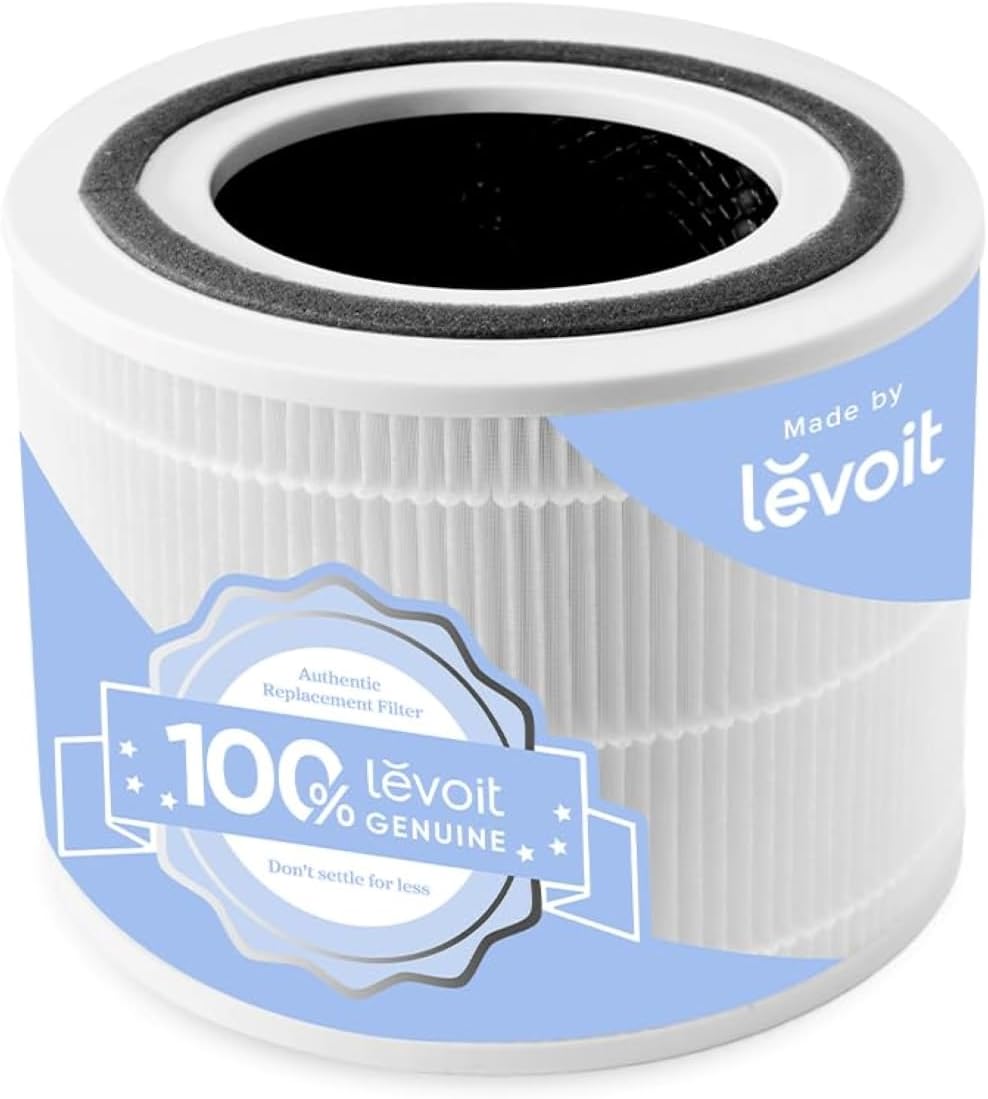
Are Air Purifiers Good For Dog Hair? Essential Guide

Yes, air purifiers are good for dog hair, effectively capturing airborne dander, fur, and odors. They significantly improve indoor air quality for pet owners, reducing allergens and creating a fresher home environment.
Living with a furry friend brings immense joy, but it also often comes with challenges like shedding fur and lingering pet odors. If you’re constantly battling dog hair floating through your home or struggling with pet-related allergies, you might be wondering: are air purifiers good for dog hair? The answer is a resounding yes! Air purifiers can be a game-changer for pet owners, helping to create a cleaner and more comfortable living space. Let’s dive into how they work and what you should look for to make the most of this essential home appliance.
How Air Purifiers Tackle Dog Hair and Dander
Air purifiers are designed to capture airborne particles, and this includes the microscopic dander and fine hairs that your dog sheds. By circulating the air in your home, they trap these irritants before they settle on surfaces or become inhaled. This process significantly reduces the amount of allergens and fur circulating in your living space, leading to a fresher and healthier environment for everyone.
The Role of HEPA Filters
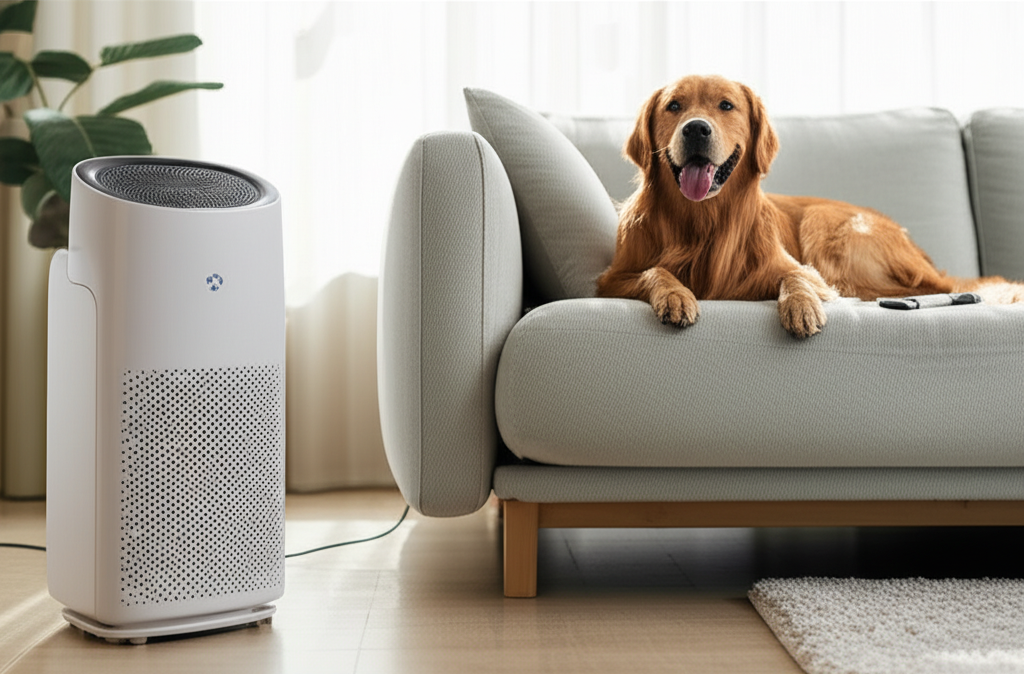
The secret weapon of most effective air purifiers for pet owners is the High-Efficiency Particulate Air (HEPA) filter. These filters are a marvel of engineering, capable of trapping at least 99.97% of airborne particles as small as 0.3 microns. This includes not only visible dog hair but also microscopic dander, pollen, dust mites, and other common allergens that can trigger respiratory issues and allergies.
A true HEPA filter is essential for capturing the finest particles that contribute to poor air quality. When looking for an air purifier, always check for the “True HEPA” certification to ensure it meets these high standards for particle capture. This means it will effectively remove tiny dander and allergens, not just larger fur strands.
Beyond Fur: Capturing Dander and Odors
While it might seem like air purifiers are just for catching visible fur, their benefits go much deeper. Dog dander, which consists of tiny skin flakes, is a primary allergen for many people. These microscopic particles are easily dispersed into the air and can cause significant discomfort for allergy sufferers. Air purifiers with HEPA filters are exceptionally good at removing this dander.
Furthermore, many air purifiers also include activated carbon filters. These filters are crucial for adsorbing and neutralizing unpleasant pet odors, such as that distinct “dog smell.” This dual-action approach tackles both the physical irritants and the olfactory nuisances that come with pet ownership, making your home smell and feel cleaner.
Choosing the Right Air Purifier for Your Dog-Friendly Home
When selecting an air purifier to combat dog hair, several factors are crucial to consider. The size of your space, the type of filters, and the unit’s coverage area will all impact its effectiveness. Investing in a unit designed for pet owners will ensure you get the best results for your specific needs.
Key Features to Look For
When searching for an air purifier that can handle dog hair, prioritize these features:
- True HEPA Filter: This is non-negotiable for capturing fine dander and allergens.
- Activated Carbon Filter: Essential for eliminating pet odors.
- Pre-filter: A washable pre-filter can catch larger fur and dust bunnies, extending the life of the HEPA filter.
- CADR Rating: Clean Air Delivery Rate indicates how quickly the purifier cleans a room of smoke, dust, and pollen. Aim for a high rating relevant to your room size.
- Coverage Area: Ensure the purifier is rated for the square footage of the room you intend to use it in.
- Noise Level: Consider the decibel rating, especially if you plan to use it in bedrooms or living areas.
Understanding CADR and Room Size
The Clean Air Delivery Rate (CADR) is a standardized measure of an air purifier’s efficiency. It tells you how much clean air the unit can produce for a specific pollutant (dust, smoke, pollen) in a given time. For dog owners, a higher CADR, particularly for dust and pollen (which correlate with dander and fur), means faster and more effective air cleaning.
It’s vital to match the air purifier’s coverage area to the size of your room. An undersized unit will struggle to keep up with the air purification demands, especially in a home with pets. Always check the manufacturer’s recommendations for room size and consider getting a unit slightly larger than your needs for optimal performance.
Placement and Maintenance for Maximum Effectiveness
Even the best air purifier won’t work wonders if it’s not placed correctly or maintained properly. Strategic placement and regular upkeep are key to ensuring your unit effectively tackles dog hair and dander. Think of it as part of your regular pet grooming routine, but for your air!
Where to Position Your Air Purifier
For optimal performance in capturing dog hair and dander, place your air purifier in high-traffic areas where your dog spends the most time. This could be the living room, bedroom, or even near their favorite napping spot. Ensure there’s at least a foot of clearance around the unit to allow for proper air circulation.
Placing it near a common shedding area, like your dog’s bed or a frequently used rug, can help capture particles before they spread too far. Avoid placing it directly in corners or too close to furniture, as this can impede airflow and reduce its efficiency. Positioning it near windows or doors can also help capture airborne allergens before they enter your home.
Filter Replacement and Cleaning Schedule
The effectiveness of your air purifier hinges on its filters. HEPA filters need to be replaced periodically, typically every 6-12 months, depending on usage and the air quality in your home. Activated carbon filters may need replacing more frequently, often every 3-6 months, as they become saturated with odors.
Don’t forget the pre-filter! If your unit has a washable pre-filter, clean it regularly (e.g., weekly or bi-weekly) to remove larger debris like fur and dust. This simple step significantly prolongs the life of your more expensive HEPA and carbon filters. Always follow the manufacturer’s specific recommendations for your model to ensure peak performance and longevity.
Are Air Purifiers Good for Dog Hair: A Summary of Benefits
The benefits of using an air purifier in a dog-friendly home are numerous and impactful. Beyond simply reducing visible fur, these devices contribute to a healthier and more pleasant living environment for both pets and their owners. Understanding these advantages can help you appreciate the full value of this home appliance.
Improved Air Quality for Allergy Sufferers
For individuals with dog allergies, an air purifier can be life-changing. By diligently removing airborne dander, the primary allergen, these units can significantly reduce allergy symptoms like sneezing, itchy eyes, and respiratory discomfort. This allows allergy sufferers to coexist more comfortably with their beloved pets without constant irritation.
The continuous circulation and filtration provided by an air purifier mean that allergens are constantly being removed from the air. This creates a more breathable and comfortable environment, especially for those with sensitive respiratory systems. Many users report a noticeable difference in their allergy symptoms within days of using a dedicated pet air purifier.
Reducing Pet Odors and Creating a Fresher Home
One of the most immediate benefits of an air purifier with an activated carbon filter is the reduction of pet odors. That distinct “dog smell” can permeate furniture, carpets, and curtains, making your home feel less inviting. An effective air purifier actively adsorbs these odor molecules, leaving your home smelling noticeably fresher.
This goes beyond masking smells; it’s about actively removing the source of the odor from the air. This creates a more pleasant atmosphere for guests and for you, making your home a more enjoyable place to live. Regular filter maintenance is key to ensuring the odor-fighting capabilities remain strong.
Less Dust and Fur Settling on Surfaces
While air purifiers primarily target airborne particles, they also indirectly help reduce the amount of dust and fur that settles on your furniture, floors, and other surfaces. By capturing these particles in the air, fewer are available to land and accumulate. This can mean less frequent dusting and vacuuming, giving you more time to enjoy with your pet.
This reduction in settled dust and fur also contributes to a cleaner home overall. It makes dusting and vacuuming tasks more manageable and less overwhelming. You might find that your cleaning routine becomes more efficient, with less visible fur accumulating between cleanings.
Potential Downsides and Considerations
While air purifiers offer significant advantages for dog owners, it’s important to acknowledge potential downsides and factors to consider. Understanding these can help you make an informed decision and manage expectations for your purchase.
Ongoing Costs of Filters
The primary ongoing cost associated with air purifiers is the replacement of filters. HEPA and activated carbon filters have a limited lifespan and must be replaced periodically to maintain the unit’s effectiveness. These replacement filters can add up over time, so factor this into your budget when purchasing a unit.
The frequency of replacement depends on the air quality in your home and how often you run the purifier. In homes with multiple pets or high pollen counts, filters may need replacing more often. Always check the manufacturer’s recommendations for filter life and cost to ensure it aligns with your budget.
Noise Levels and Energy Consumption
Some air purifiers can be quite noisy, especially on higher fan settings. This can be a concern if you plan to use the unit in a bedroom or a quiet living space. Look for models that offer a “sleep mode” or have a low decibel rating for quieter operation. Energy consumption is another factor; while most modern units are energy-efficient, older or larger models might use more electricity.
Always check the decibel (dB) ratings of different models. A unit operating at 30-50 dB is generally considered quiet enough for most home environments. For energy consumption, look for ENERGY STAR certified models, which are designed to be more efficient.
Frequently Asked Questions About Air Purifiers and Dog Hair
Can an air purifier completely eliminate dog hair from my home?
No, an air purifier cannot completely eliminate all dog hair. While it effectively captures airborne fur and dander, some hair will inevitably settle on surfaces. Regular cleaning like vacuuming and brushing your dog remains essential. However, it significantly reduces the amount of airborne hair and dander.
How often should I run my air purifier for best results with dog hair?
For best results, it’s recommended to run your air purifier continuously, especially in rooms where your dog spends the most time. This ensures constant air circulation and filtration of airborne particles. Running it on a lower setting overnight can also be beneficial for maintaining air quality.
Are there specific air purifiers designed for pet owners?
Yes, many air purifiers are marketed specifically for pet owners. These units typically feature a True HEPA filter for dander and allergens, a robust activated carbon filter for odors, and a pre-filter to capture larger pet hair and debris. They are often designed with higher CADR ratings to handle the demands of a pet-filled home.
Will an air purifier help with my dog’s shedding?
An air purifier helps manage the airborne aspect of shedding by capturing loose fur and dander that becomes airborne. It does not stop your dog from shedding. Regular grooming of your dog, including brushing, is still the most effective way to reduce shedding at its source.
Can air purifiers get rid of the “dog smell”?
Yes, air purifiers equipped with activated carbon filters are excellent at removing pet odors. The carbon filter adsorbs odor molecules from the air, leaving your home smelling fresher. A good pre-filter also helps by trapping larger particles before they reach the carbon filter.
How do I know if my air purifier is working effectively for dog hair?
You’ll notice a difference in air quality, with less visible dust and fewer allergens. Reduced pet odors and less fur settling on surfaces are also good indicators. Checking the pre-filter for collected fur and dander and observing the condition of the HEPA filter can also tell you if it’s actively trapping particles.
Conclusion
So, are air purifiers good for dog hair? Absolutely. They are an invaluable tool for any dog owner looking to improve their home’s air quality. By effectively capturing airborne fur, dander, and odors, an air purifier can significantly reduce allergens, create a fresher environment, and make living with your furry companion even more enjoyable. Choosing a unit with a True HEPA filter, an activated carbon filter, and an appropriate CADR rating for your space, along with proper placement and regular maintenance, will ensure you reap the maximum benefits. Investing in an air purifier is an investment in a cleaner, healthier, and more comfortable home for you and your beloved pet.