
Are Air Purifiers Good for Cats? Essential Benefits

Yes, air purifiers are good for cats, significantly improving their respiratory health by removing allergens, dander, and airborne irritants. They create a cleaner, healthier environment, reducing the risk of asthma and other breathing issues for your feline companions.
As cat parents, we want the absolute best for our furry friends. We meticulously choose their food, toys, and litter, but what about the air they breathe? It’s a question many of us ponder: are air purifiers good for cats? The air in our homes can contain a surprising amount of pollutants, from dust and dander to VOCs from cleaning products. These can affect not only our health but also the sensitive respiratory systems of our beloved cats. This article will delve into the essential benefits of air purifiers for your feline companions, helping you make an informed decision for a healthier, happier home for both of you.
Why Cats Need Cleaner Air
Cats, with their delicate respiratory systems, are particularly susceptible to airborne pollutants. Their smaller lungs and sensitive nasal passages mean that even minor irritants can cause significant discomfort or even illness. This makes the quality of the air they inhale a crucial aspect of their overall well-being. Ensuring a clean air environment is as vital as providing fresh water and nutritious food.
Unlike humans, cats spend nearly their entire lives indoors, breathing the same air continuously. This constant exposure amplifies the impact of any pollutants present. Their grooming habits also mean they ingest airborne particles trapped in their fur, further increasing their exposure. Therefore, proactively managing indoor air quality is essential for their long-term health.
The Essential Benefits of Air Purifiers for Cats
Air purifiers offer a multifaceted approach to improving feline respiratory health. By actively filtering out common indoor allergens and irritants, they create a sanctuary for cats. This leads to a reduction in symptoms associated with allergies and asthma, contributing to a more comfortable and active life for your pet. The benefits extend beyond just symptom relief, promoting a generally healthier living environment.
These devices work by drawing in air, passing it through a series of filters, and then releasing cleaner air back into the room. This process effectively traps microscopic particles that can trigger respiratory distress in cats. The continuous operation of an air purifier ensures a consistent level of air quality, providing ongoing protection.
Reducing Allergens and Dander
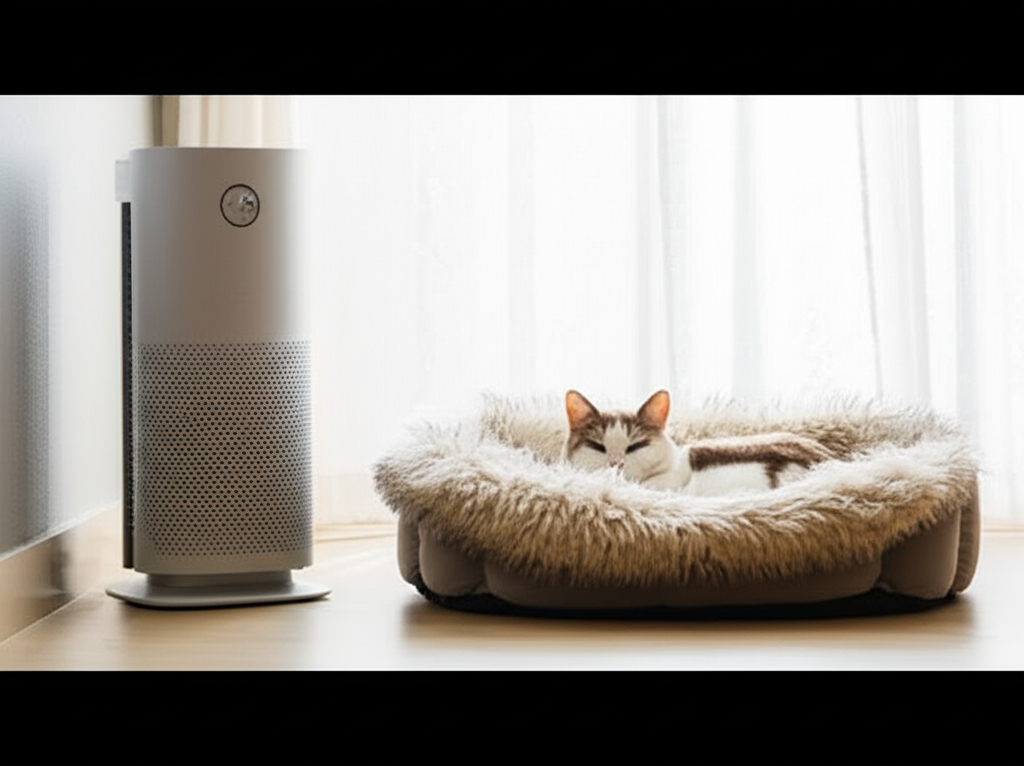
Cat dander is a primary trigger for allergies in both humans and other pets. Air purifiers equipped with HEPA filters are highly effective at capturing these tiny, yet potent, allergens. This significantly reduces the dander floating in the air, which is a major win for sensitive cats and allergy-sufferers in the household. By trapping dander at its source, air purifiers prevent it from settling on surfaces and being inhaled.
Beyond cat dander, air purifiers also tackle other common allergens like dust mites, pollen, and mold spores. These can all exacerbate respiratory issues in cats, leading to sneezing, coughing, and watery eyes. A good air purifier acts as a shield against these pervasive irritants, creating a more comfortable breathing environment.
Alleviating Asthma Symptoms
Feline asthma is a serious condition, and while air purifiers are not a cure, they are an invaluable tool in managing its symptoms. By removing irritants like smoke, dust, and strong odors from the air, purifiers can help prevent asthma attacks. This can lead to fewer flare-ups and a better quality of life for cats suffering from this chronic condition. Consistent use of an air purifier can create a more stable environment, reducing triggers.
The sensitive airways of asthmatic cats can be easily inflamed by airborne particles. An air purifier works to minimize this inflammation by providing cleaner air. This allows the cat to breathe more easily and reduces the frequency and severity of coughing fits and wheezing. Consulting with your veterinarian is crucial for a comprehensive asthma management plan that includes environmental controls like air purification.
Eliminating Odors and Volatile Organic Compounds (VOCs)
Cats have a much more acute sense of smell than humans, making strong odors particularly bothersome for them. Litter box odors, cooking smells, and even certain cleaning products can be overwhelming. Air purifiers with activated carbon filters are excellent at neutralizing these unpleasant odors, creating a more pleasant atmosphere for your feline friend. This also helps to reduce airborne irritants that can be harmful.
Volatile Organic Compounds (VOCs) are gases emitted from common household items like paints, air fresheners, and cleaning supplies. These can be toxic and irritating to cats’ respiratory systems. Activated carbon filters in air purifiers effectively adsorb these harmful VOCs, significantly improving indoor air quality and protecting your cat’s health. Reducing exposure to VOCs is a critical step in creating a truly healthy home environment.
Improving Overall Respiratory Health
Beyond specific conditions like asthma or allergies, air purifiers contribute to the general respiratory well-being of all cats. By consistently removing microscopic dust, fine particles, and airborne irritants, they promote healthier lung function. This can lead to increased energy levels and a more active, playful cat. A cleaner respiratory system is a foundation for a healthier life.
The long-term effects of breathing polluted air can manifest in various ways. Investing in an air purifier is a proactive measure to safeguard your cat’s respiratory system against the cumulative impact of indoor pollutants. This forward-thinking approach can prevent future health issues and ensure your cat enjoys a longer, healthier life by your side.
Supporting Kittens and Senior Cats
Kittens have developing immune and respiratory systems that are more vulnerable to airborne contaminants. Similarly, senior cats may have weakened immune systems or pre-existing respiratory conditions that make them more susceptible to irritants. Air purifiers provide a crucial layer of protection for these sensitive age groups, ensuring they have the cleanest possible air to breathe. This support is particularly vital during their most vulnerable life stages.
For kittens, clean air promotes healthy growth and development, reducing the risk of respiratory infections. For senior cats, it can ease breathing difficulties and improve their overall comfort and quality of life. Providing a pristine breathing environment is a compassionate way to care for the very young and the very old in your feline family.
Reducing the Spread of Airborne Illnesses
While not a substitute for veterinary care, air purifiers can play a role in minimizing the transmission of airborne viruses and bacteria within a household. High-quality filters can trap some of these pathogens, reducing the concentration of illness-causing particles in the air. This is especially beneficial in multi-pet households or when a cat is recovering from an illness. A cleaner environment can help break the cycle of illness.
By reducing the overall particulate load in the air, air purifiers can indirectly support a healthier immune system for your cat. A body not constantly fighting off airborne irritants is better equipped to deal with other health challenges. This contributes to a more robust and resilient feline companion.
Creating a Calmer Environment
Constant exposure to irritants can make cats feel unwell and stressed. Symptoms like sneezing, coughing, or itchy skin can lead to behavioral changes, including lethargy or irritability. By improving air quality, air purifiers help alleviate these physical discomforts, which can, in turn, lead to a calmer and happier cat. A comfortable cat is a content cat.
When your cat feels physically better, their overall demeanor improves. They are more likely to engage in playful activities and seek affection. This positive impact on their well-being creates a more harmonious living environment for everyone in the household. The subtle benefits of a less irritated cat extend to the entire family.
Choosing the Right Air Purifier for Your Cat
When selecting an air purifier, consider features specifically beneficial for pet owners. Look for units with a true HEPA filter, as these capture 99.97% of airborne particles down to 0.3 microns, including dander, dust, and pollen. An activated carbon filter is also essential for odor control. Ensure the unit is appropriately sized for the room you intend to use it in, and consider its noise level, as loud machines can stress cats.
Prioritize models with no ozone production, as ozone can be harmful to both cats and humans. Some air purifiers offer specialized pet filters designed to tackle pet-specific allergens and odors even more effectively. Brands like Coway, Levoit, and Blueair often have models well-suited for pet owners, offering a good balance of performance and features. Always check the specifications to ensure it meets your needs.
Potential Concerns and Considerations
While generally beneficial, there are a few potential concerns to keep in mind. Ensure the air purifier doesn’t produce ozone, as it can irritate a cat’s respiratory system. Some cats might be sensitive to the noise of the purifier, especially at higher settings; opt for quieter models or place the unit strategically. Also, remember that air purifiers are a supplement to, not a replacement for, good hygiene practices like regular cleaning and grooming.
It’s also important to maintain the air purifier properly by cleaning or replacing filters as recommended by the manufacturer. Clogged filters become ineffective and can even recirculate trapped pollutants. Regular maintenance ensures the purifier continues to operate efficiently and provides maximum benefit for your cat’s health. Following the user manual is key to optimal performance.
HEPA Filters: The Gold Standard
True HEPA (High-Efficiency Particulate Air) filters are the cornerstone of effective air purification for pet owners. These medical-grade filters are designed to trap an incredibly small percentage of airborne particles, including microscopic dander, dust mites, pollen, and mold spores. For cats, especially those with allergies or respiratory sensitivities, a HEPA filter is non-negotiable. It ensures that the air they breathe is as free from irritants as possible.
When looking for a HEPA filter, ensure it’s a “True HEPA” filter, not a “HEPA-type” or “HEPA-like” filter, which may not meet the same rigorous standards. The effectiveness of the HEPA filter is paramount in removing the fine particles that can trigger feline respiratory issues. Investing in a unit with a certified HEPA filter is investing in your cat’s health.
Activated Carbon Filters for Odor and VOCs
While HEPA filters excel at trapping particles, activated carbon filters are the heroes for tackling odors and harmful gases. Activated carbon is highly porous, giving it a massive surface area to adsorb molecules from the air. This is crucial for neutralizing common household smells, including litter box odors, cooking fumes, and pet-related scents. It also effectively captures VOCs emitted from cleaning products, air fresheners, and furniture.
For cats, who have a far more sensitive sense of smell than humans, these odors can be overwhelming and irritating. An activated carbon filter not only makes your home more pleasant for your feline companion but also removes potentially harmful chemical pollutants from the air. This dual-action filtration provides comprehensive air quality improvement.
Placement and Operation Tips
The effectiveness of an air purifier is greatly enhanced by proper placement and operation. For optimal performance, place the air purifier in the room where your cat spends the most time, such as the living room or bedroom. Ensure there is adequate space around the unit for air circulation, avoiding placement behind furniture or too close to walls. Running the air purifier on a medium to high setting for several hours a day, or continuously, will provide the most consistent air cleaning.
Consider using a timer function if available, or simply set it to run during periods when your cat is most active or when potential irritants are highest (e.g., during cleaning). Some models have an “auto” mode that adjusts fan speed based on air quality, which can be convenient. Experiment with placement to find the spot that provides the best airflow and is least intrusive to your cat’s environment.
FAQ: Are Air Purifiers Good for Cats?
What are the main benefits of air purifiers for cats?
Air purifiers help reduce allergens like dander and pollen, alleviate symptoms of feline asthma, eliminate odors, and remove harmful VOCs. This leads to improved respiratory health and overall well-being for your cat.
Can air purifiers help with cat allergies?
Yes, air purifiers, especially those with HEPA filters, are very effective at capturing cat dander, a primary allergen. This significantly reduces airborne allergens, making the environment more comfortable for allergic cats and people.
Are air purifiers safe for cats?
Generally, yes, air purifiers are safe and beneficial for cats. However, it’s crucial to choose models that do not produce ozone, as ozone can be an irritant. Also, consider noise levels, as some cats may be sensitive to loud machines.
Which type of filter is best for pet owners?
A combination of a True HEPA filter and an activated carbon filter is ideal. HEPA filters capture particles like dander and dust, while activated carbon filters neutralize odors and VOCs, addressing both particulate and gaseous pollutants.
How often should I run an air purifier for my cat?
For maximum benefit, it’s recommended to run the air purifier for several hours a day or even continuously, especially in the rooms where your cat spends the most time. Consistent operation ensures a steady reduction of airborne irritants.
Do air purifiers help with cat litter box odors?
Absolutely. Air purifiers equipped with activated carbon filters are highly effective at adsorbing and neutralizing unpleasant odors, including those from cat litter boxes, making your home environment more pleasant for both you and your cat.
Conclusion
In conclusion, the answer to “are air purifiers good for cats?” is a resounding yes. They are not just a luxury but a valuable tool for safeguarding your feline companion’s health, particularly their respiratory system. By diligently removing allergens, dander, odors, and harmful VOCs from the air, air purifiers create a cleaner, safer, and more comfortable living environment. This proactive approach can significantly reduce the risk and severity of respiratory ailments, leading to a happier, healthier, and more active life for your beloved cat. Investing in a quality air purifier with HEPA and activated carbon filters is a compassionate step towards ensuring your cat thrives.
