Air Purifying Respirator: Essential When There Is…

An air purifying respirator can only be worn when there is sufficient oxygen and the contaminant concentration is within the respirator’s protection factor. It is not suitable for oxygen-deficient atmospheres or when contaminant levels are unknown or exceed the respirator’s limits.
Breathing clean air is something most of us take for granted, but sometimes, the air we breathe can be a silent threat. Understanding when and how to use an air purifying respirator (APR) is crucial for your health and safety. You might be wondering, “Air purifying respirator can only be worn when there is…” a specific type of hazard, or perhaps a certain level of it. Don’t worry, I’m here to guide you through this important topic, ensuring you have the knowledge to make informed decisions. We’ll explore the precise conditions where an APR is your best defense and, just as importantly, when it’s not the right tool for the job.
When Is an Air Purifying Respirator Essential?
An air purifying respirator (APR) is your ally when the air contains harmful contaminants that you can’t see or smell. These devices work by filtering out specific airborne particles or gases, making the air breathable. They are designed for situations where the oxygen level in the atmosphere is sufficient for human life.
This is when an air purifying respirator is essential: when you face airborne hazards like dust, fumes, mists, or certain gases and vapors, and the oxygen level is adequate. It’s your first line of defense against invisible threats that can impact your respiratory health.
Understanding the Conditions for APR Use
The fundamental principle behind using an APR is that it actively removes contaminants from the surrounding air. This process relies on the presence of oxygen to function effectively. Therefore, an air purifying respirator can only be worn when there is enough oxygen in the environment to sustain life, typically above 19.5% oxygen.
This ensures that your body receives the necessary oxygen while the respirator cleanses the air of other harmful substances. It’s a critical distinction that separates APRs from other types of respiratory protection.
Hazardous Airborne Contaminants and APRs
APRs are indispensable when dealing with a wide array of airborne hazards. These can range from nuisance dust encountered during home renovations to more serious chemical fumes in industrial settings. Knowing the type of contaminant is key to selecting the right filter for your respirator.
For instance, if you’re sanding wood, a particulate filter will be your primary defense. If you’re working with volatile organic compounds (VOCs), you’ll need a cartridge specifically designed for gases and vapors.
When Not to Wear an Air Purifying Respirator: Oxygen Deficiency
This is a critical point: an air purifying respirator can only be worn when there is sufficient oxygen. If the oxygen level drops below 19.5%, an APR is completely ineffective and dangerous. In such oxygen-deficient environments, you need a supplied-air respirator that provides breathable air from an independent source.
Using an APR in an oxygen-deficient atmosphere means you are essentially breathing normal air, but without the necessary oxygen, leading to rapid incapacitation and potential death. Always test the atmosphere before entering potentially hazardous areas.
Contaminant Concentration Limits
Another crucial factor is the concentration of the contaminant in the air. Every APR and filter combination has a specific “assigned protection factor” (APF). This factor indicates the maximum concentration of a contaminant the respirator can safely filter at a given time.
If the concentration of the hazardous substance exceeds the respirator’s APF, it cannot provide adequate protection. In such high-concentration scenarios, a higher level of respiratory protection, like a supplied-air respirator, is necessary.
Identifying the Type of Hazard
Before selecting an APR, it’s vital to identify the specific hazard present. Are you dealing with particulates (dust, mist, fumes), gases, or vapors? Different filters are designed to capture different types of contaminants.
For example, N95 respirators are excellent for filtering out fine dust particles, while cartridges with activated charcoal are effective against certain gases and vapors. A thorough hazard assessment is the first step in choosing the correct respiratory protection.
Oxygen Levels: The Non-Negotiable Factor
We cannot stress this enough: an air purifying respirator can only be worn when there is adequate oxygen. The human body requires a minimum of 19.5% oxygen to function. Below this level, you risk hypoxia, a condition where your body tissues are deprived of oxygen.
Supplied-air respirators, such as airline respirators or self-contained breathing apparatus (SCBA), are the only safe options in oxygen-deficient atmospheres. These systems deliver a continuous supply of breathable air from a source outside the hazardous environment.
When APRs Are NOT Sufficient
Beyond oxygen deficiency and excessive contaminant concentrations, there are other situations where APRs fall short. These include environments with unknown contaminant concentrations, where the hazard could be immediately dangerous to life or health (IDLH), or when dealing with substances that have poor warning properties (like odor or taste).
In these extreme cases, the risk of respirator failure or inadequate protection is too high. Relying on an APR when it’s not designed for the task can lead to severe health consequences.
Choosing the Right APR and Filter
Selecting the correct air purifying respirator and its corresponding filter is paramount. This decision hinges on the type and concentration of the contaminant, as well as the required level of protection. Consulting safety data sheets (SDS) for the substances you’re working with is a good starting point.
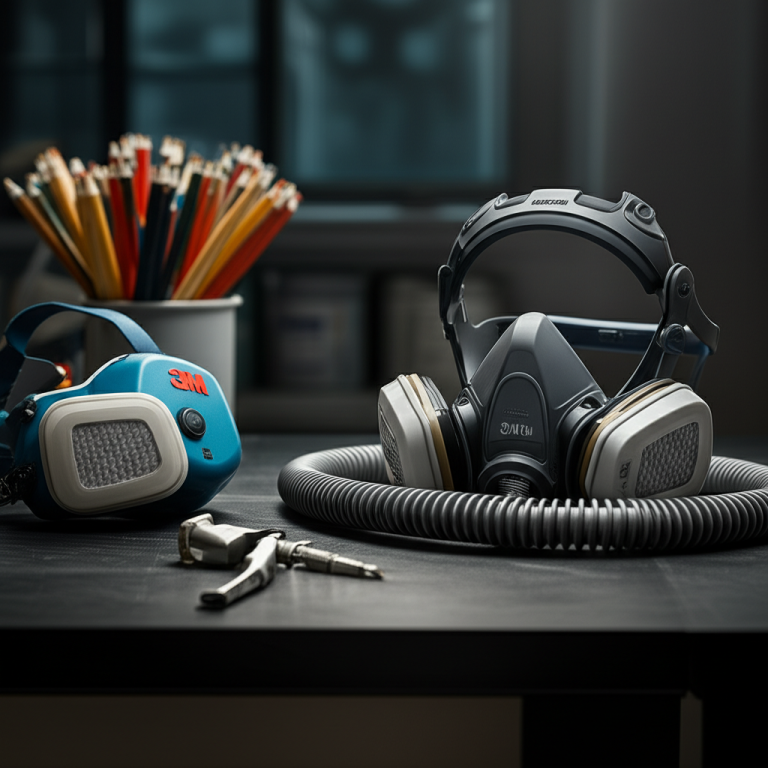
For a visual guide on respirator types, you might find resources from organizations like the Occupational Safety and Health Administration (OSHA) helpful. They provide detailed guidelines on selecting appropriate respiratory protective equipment.
Table: APR vs. Supplied-Air Respirator (SAR)
Understanding the difference between APRs and supplied-air respirators is crucial for making the right choice. Here’s a quick comparison:
| Feature | Air Purifying Respirator (APR) | Supplied-Air Respirator (SAR) |
|---|---|---|
| Air Source | Filters ambient air | Provides air from an independent source |
| Oxygen Requirement | Requires ≥19.5% oxygen | Can be used in oxygen-deficient atmospheres |
| Contaminant Limits | Effective up to respirator’s APF | Not limited by ambient contaminant concentration (within system limits) |
| Typical Uses | Dust, fumes, mists, specific gases/vapors | Confined spaces, IDLH atmospheres, oxygen deficiency |
This table highlights the fundamental differences in how these respirators function and the environments they are suited for.
Proper Fit and Maintenance of Your APR
Even the best APR is useless if it doesn’t fit properly or isn’t maintained. A seal check is essential before each use to ensure no air is leaking around the edges of the respirator. Regular cleaning and inspection of the respirator and filters are also vital for its continued effectiveness.
Following the manufacturer’s instructions for fit testing, cleaning, and filter replacement will ensure your APR provides the protection it’s designed to offer. This diligent approach is key to respiratory safety.
When Is an Air Purifying Respirator Not Enough?
To reiterate, an air purifying respirator can only be worn when there is sufficient oxygen and the contaminant levels are within the respirator’s capabilities. It is not a solution for oxygen-deficient environments or situations where contaminant concentrations are unknown or exceed the respirator’s protection factor. Always prioritize safety and consult with a safety professional if you are unsure.
Your health is paramount, and understanding these limitations is a critical step in protecting yourself from airborne hazards.
Frequently Asked Questions (FAQ)
Q1: Can I use an air purifying respirator if I can’t smell the chemical?

No, not always. Some chemicals have poor warning properties, meaning you might not be able to smell them even at dangerous concentrations. Always rely on monitoring and known hazard levels rather than just your sense of smell.
Q2: How do I know if the oxygen level is sufficient for an APR?
You should use an oxygen monitor to test the atmosphere before entering any potentially hazardous area. Generally, an oxygen level of 19.5% or higher is considered sufficient for APR use.
Q3: What is an “assigned protection factor” (APF)?
The APF is a number that indicates the level of protection a respirator is expected to provide. For example, an APF of 10 means the respirator can reduce exposure to a contaminant by a factor of 10.
Q4: Can I use an APR in a confined space?
Generally, APRs are not recommended for confined spaces due to the potential for oxygen deficiency and rapidly changing contaminant levels. Supplied-air respirators are typically required for confined space entry.
Q5: How often do I need to change the filters on my APR?
Filter change schedules depend on the type of filter, the contaminant, its concentration, and how much you use the respirator. Always follow the manufacturer’s recommendations or a predetermined change-out schedule based on exposure assessments.
Q6: What’s the difference between a dust mask and an air purifying respirator?
A dust mask, often called a filtering facepiece respirator (like an N95), is a type of APR designed primarily for particulates. More advanced APRs use cartridges or canisters to filter a wider range of contaminants, including gases and vapors.
Conclusion
Navigating the world of respiratory protection can seem complex, but understanding the core principles is key. Remember, an air purifying respirator can only be worn when there is a safe oxygen level (above 19.5%) and the concentration of airborne contaminants is within the respirator’s protective limits. For any situation involving potential oxygen deficiency, unknown contaminant levels, or concentrations exceeding the respirator’s capabilities, always opt for a supplied-air respirator. By knowing these critical distinctions and performing proper fit testing and maintenance, you can ensure you’re making the safest choice for your respiratory health.