
Air Purifiers Best Buy: Essential For Cleaner School Air

Discover the air purifiers best buy for schools to combat airborne pollutants and create healthier learning environments. Invest wisely for a breath of fresh air in classrooms, ensuring student and staff well-being.
The air in our schools often carries more than just lesson plans. Dust, allergens, viruses, and volatile organic compounds (VOCs) can circulate, impacting student concentration and health. Finding the right air purifiers best buy is crucial for creating a safer, more productive learning space. This guide will help you navigate the options and make an informed decision.
Why Cleaner School Air Matters: A Breath of Fresh Air for Learning
Ensuring clean air in schools is paramount for the health and academic success of students and staff. Poor indoor air quality can lead to increased illness, absenteeism, and reduced cognitive function. Investing in the air purifiers best buy for educational settings is a proactive step towards a healthier future.
Air purifiers effectively remove microscopic particles that traditional ventilation systems may miss, creating a tangible difference in the classroom environment. This leads to fewer sick days and better focus during lessons.
Understanding the Invisible Threats in School Air
Classrooms can harbor a surprising array of airborne contaminants. These include common allergens like dust mites and pollen, as well as pathogens such as viruses and bacteria that spread easily in shared spaces. Additionally, VOCs from cleaning supplies, furniture, and even building materials can degrade indoor air quality.
These invisible threats can trigger respiratory issues, exacerbate allergies, and contribute to the spread of illness, directly impacting the learning environment. Identifying these pollutants is the first step to mitigating their effects.
Common Indoor Air Pollutants in Educational Settings
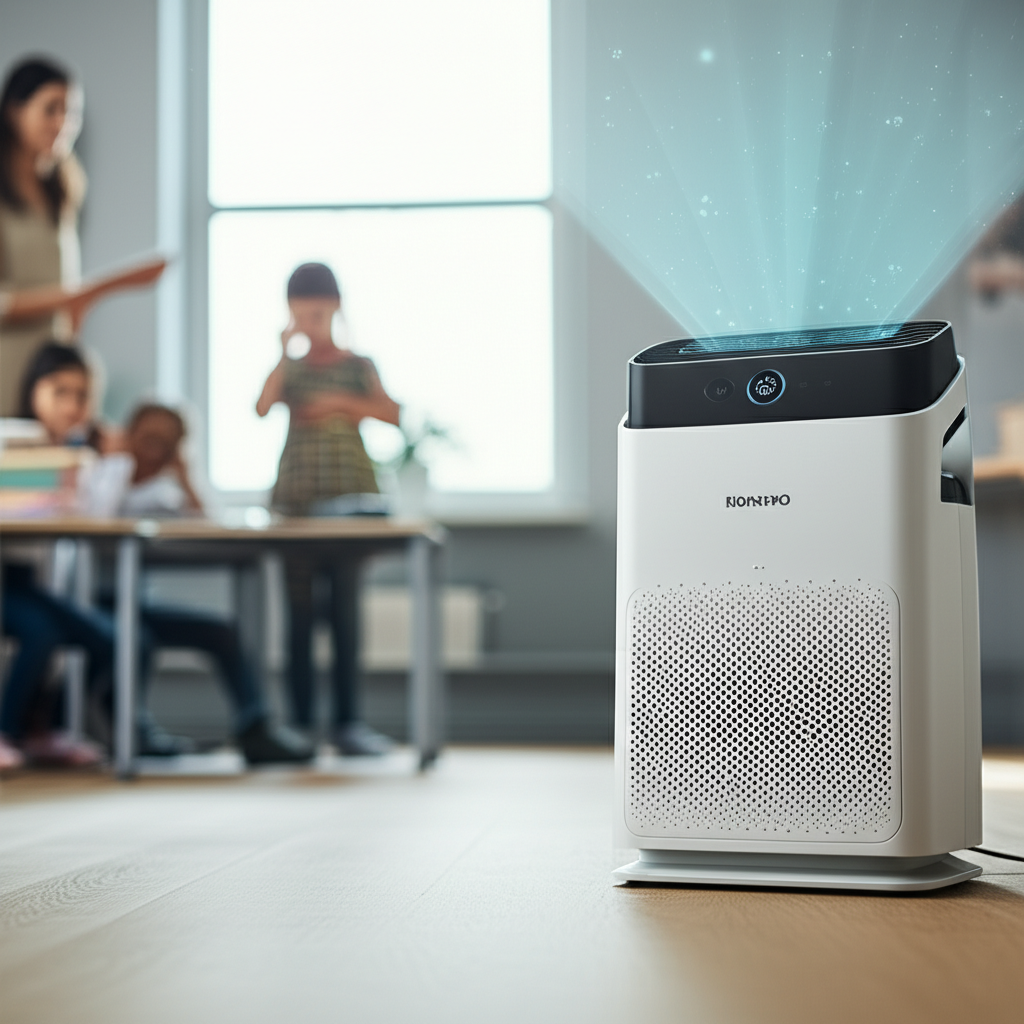
Dust and Dust Mites: Accumulate on surfaces and in ventilation systems.
Pollen: Enters through open windows and ventilation.
Mold Spores: Thrive in damp areas and can spread through the air.
Bacteria and Viruses: Easily transmitted through respiratory droplets.
Volatile Organic Compounds (VOCs): Released from cleaning products, new furniture, and building materials.
Pet Dander: If pets are present for educational purposes or brought by staff/students.
Recognizing these common culprits helps in selecting air purifiers best buy that can tackle the specific challenges faced by your school.
How Air Purifiers Work to Combat School Air Pollution
Air purifiers employ various filtration technologies to capture airborne particles. Most units draw in room air, pass it through a series of filters, and then release cleaner air back into the space. The effectiveness of an air purifier depends heavily on its filtration system and its ability to cover the intended room size.
By trapping pollutants at a microscopic level, air purifiers significantly reduce the concentration of harmful substances in the air. This process is vital for maintaining a healthy indoor environment, especially in densely populated areas like classrooms.
Key Air Purification Technologies Explained
HEPA Filters: High-Efficiency Particulate Air filters are the gold standard, capturing at least 99.97% of airborne particles 0.3 microns in size. This includes dust, pollen, mold spores, and bacteria.
Activated Carbon Filters: These filters are excellent at adsorbing odors, gases, and VOCs, making them crucial for tackling chemical pollutants.
Pre-filters: Typically washable, these capture larger particles like hair and lint, extending the life of the HEPA filter.
UV-C Light: Some purifiers use ultraviolet germicidal irradiation to neutralize airborne viruses and bacteria, though their effectiveness can vary.
Ionizers/Ozone Generators: While some purifiers use these, caution is advised due to potential ozone production, which can be a respiratory irritant.
Understanding these technologies is key to identifying the air purifiers best buy that will deliver optimal results for your school’s needs.
Choosing the Air Purifiers Best Buy for Schools: Key Features to Consider
When selecting air purifiers for educational settings, several factors are crucial. You’ll want to prioritize efficiency, noise levels, ease of maintenance, and coverage area. The goal is to find a unit that effectively cleans the air without causing disruption to learning.
Considering these features will help you narrow down the options and find the air purifiers best buy that offers the most value and performance for your school.
Essential Features for School Air Purifiers
CADR (Clean Air Delivery Rate): This rating indicates how quickly an air purifier can clean a room of specific pollutants. Higher CADR means faster purification.
Room Size Coverage (ACH): Ensure the purifier is rated for the square footage of the classroom. Look for units with a high ACH (Air Changes per Hour), ideally 4-5, meaning the air is filtered that many times per hour.
Filter Type and Lifespan: HEPA and activated carbon filters are essential. Check how often filters need replacement and their cost.
Noise Level: Opt for models with low decibel ratings, especially for use in classrooms where noise can be distracting.
Energy Efficiency: Look for ENERGY STAR certified models to minimize electricity costs.
Safety Features: Child locks and tip-over protection can be beneficial in school environments.
Selecting units with these features ensures you are investing in the air purifiers best buy that will provide maximum benefit.
Top Air Purifiers Best Buy Considerations for Different School Spaces
Different areas within a school have unique air quality needs. Classrooms, libraries, nurse’s offices, and gymnasiums all present distinct challenges that require tailored solutions. Identifying the air purifiers best buy for each specific zone can optimize their effectiveness.
By matching the air purifier’s capabilities to the room’s function and size, you ensure optimal performance and a healthier environment for everyone. This strategic approach maximizes your investment.
Zone-Specific Air Purifier Recommendations
Classrooms: Focus on HEPA filtration for allergens and viruses, with quiet operation and adequate CADR for the room size. Models like the Coway Airmega 200M are often praised for their balance of performance and quietness.
Nurse’s Office/Isolation Rooms: Higher ACH and robust filtration are critical here to quickly remove airborne pathogens. Consider units with advanced UV-C or a strong carbon filter for odors.
Gymnasiums/Auditoriums: These large spaces require high-powered units with excellent CADR and robust pre-filters to handle higher particle loads from activity and increased airflow.
Libraries/Computer Labs: Quiet operation is paramount. Look for models that effectively capture dust and VOCs from electronics without adding to the ambient noise.
Administrative Offices: Standard HEPA filtration is usually sufficient, with an emphasis on quiet operation and aesthetic integration.
Choosing the right model for each space ensures you are making the air purifiers best buy for specific needs.
Budget-Friendly Air Purifiers Best Buy Options for Schools
While investing in air purification, budget constraints are often a reality for educational institutions. Fortunately, there are effective and affordable options available that can significantly improve indoor air quality without breaking the bank. Finding the air purifiers best buy often involves balancing cost with essential features.
These economical choices demonstrate that improving school air quality is achievable, even with limited financial resources. Smart shopping can yield excellent results.
Affordable Yet Effective Air Purifier Models
Several brands offer models that provide excellent value. While specific models change, brands like Levoit, Winix, and Blueair often have budget-friendly lines that perform well. For instance, the Levoit Core 300 is a popular choice for smaller to medium-sized rooms due to its effectiveness and reasonable price.
Always compare CADR, filter type, and room coverage to ensure these lower-cost options meet your essential air cleaning needs.
Installation and Maintenance: Keeping Your School’s Air Purifiers Running Smoothly
Proper installation and consistent maintenance are vital to ensure your air purifiers continue to perform optimally. Neglecting these aspects can reduce their effectiveness and shorten their lifespan. Making the air purifiers best buy is only the first step; ongoing care is essential.
Adhering to a maintenance schedule guarantees that your investment continues to provide clean air for your school community. This proactive approach is key to long-term benefits.
Step-by-Step Maintenance Guide
1. Placement: Position the air purifier away from walls and obstructions to allow for optimal airflow.
2. Pre-filter Cleaning: Regularly vacuum or wash the pre-filter (check manufacturer instructions) to capture larger particles and extend the HEPA filter’s life. This might be weekly or bi-weekly.
3. HEPA Filter Replacement: Replace HEPA filters according to the manufacturer’s recommendations, typically every 6-12 months, depending on usage and air quality.
4. Activated Carbon Filter Replacement: These filters also have a lifespan and should be replaced as recommended to maintain odor and gas removal.
5. Unit Cleaning: Wipe down the exterior of the unit periodically to keep it clean and dust-free.
Following these simple steps ensures your air purifiers remain efficient and effective.
Comparing Air Purifier Brands: Finding the Right Fit for Your School
The market is flooded with air purifier brands, each boasting unique features and price points. For schools, prioritizing reliability, filter performance, and long-term cost of ownership is crucial. Identifying the air purifiers best buy involves looking beyond just the initial price tag.
Researching reputable brands and comparing their offerings based on your school’s specific needs will lead you to the most suitable and cost-effective solution.
Popular Air Purifier Brands and Their Strengths
| Brand | Key Strengths | Typical Price Range | Best For |
| :——– | :———————————————– | :—————— | :———————————————— |
| Coway | Strong performance, quiet operation, sleek design | Mid to High | Classrooms, offices, general use |
| Levoit | Affordable, good for small to medium rooms | Low to Mid | Individual classrooms, smaller offices |
| Winix | Combines HEPA, carbon, and PlasmaWave (optional) | Mid | Versatile use, allergy sufferers |
| Blueair | High CADR, energy efficient, modern design | Mid to High | Larger spaces, areas with high air turnover |
| Honeywell | Reliable, robust performance, wide range of models | Mid to High | General use, focus on durability and effectiveness |
This table offers a snapshot to help guide your decision in finding the air purifiers best buy.
The Impact of Air Purifiers on Student Health and Academic Performance
The presence of effective air purifiers can significantly reduce airborne allergens and pathogens, leading to fewer respiratory illnesses and allergy flare-ups among students and staff. This translates directly into improved attendance and enhanced concentration in the classroom. Cleaner air fosters a healthier learning environment.
Studies have shown a correlation between improved indoor air quality and better cognitive function, suggesting that air purification can play a role in academic success. Investing in the air purifiers best buy is an investment in the future of your students.
Frequently Asked Questions About School Air Purifiers
What is the most important feature to look for in a school air purifier?
The most critical feature is a true HEPA filter, which effectively captures 99.97% of airborne particles, including allergens, dust, and pathogens.
How many air purifiers do schools typically need?
The number depends on the school’s size, the number of classrooms, and the specific air quality concerns. A general guideline is one unit per classroom or frequently occupied space.
Are ozone-generating air purifiers safe for schools?
No, ozone can be a respiratory irritant and is generally not recommended for occupied spaces like classrooms. Stick to HEPA and activated carbon filters.
How often should air purifier filters be replaced in a school setting?
Filter replacement frequency varies by model and usage, but HEPA filters typically need replacement every 6-12 months, with pre-filters cleaned more often.
Can air purifiers help reduce the spread of COVID-19 in schools?
Yes, air purifiers with HEPA filters can significantly reduce the concentration of airborne virus particles, contributing to a safer environment.
What is the recommended CADR for a classroom air purifier?
For a standard classroom, aim for a CADR that can achieve at least 4-5 air changes per hour (ACH) for the room’s square footage.
Are there any grants or funding available for schools to purchase air purifiers?
Many regions and countries offer grants or specific funding programs for improving school ventilation and air quality. It’s worth researching local and national educational or environmental initiatives.
Conclusion: Investing in Healthier Learning Environments with Air Purifiers Best Buy
Prioritizing clean indoor air is no longer a luxury but a necessity for our schools. By understanding the pollutants, the technologies, and the key features, you can confidently select the air purifiers best buy that will create a healthier, more productive learning environment for students and staff. Investing in the right air purification solutions is a proactive step towards well-being and academic success.
