Air Purifier Without Ioniser: Essential Guide

Air Purifier Without Ioniser: Your Essential Guide to Cleaner Air
Choosing an air purifier without an ioniser is a smart move for many seeking cleaner air without potential ozone concerns. This guide breaks down why, how they work, and what to look for, ensuring you find the perfect, safe solution for your home.
Breathing fresh, clean air at home is a fundamental part of well-being, yet indoor air can often be surprisingly polluted. Many people turn to air purifiers to combat allergens, dust, and odors. However, a common concern arises with certain technologies, particularly ionisers. If you’re looking for an effective way to improve your indoor air quality without the potential downsides of ionisation, you’ve come to the right place. This guide will demystify the world of air purifiers without ionisers, helping you make an informed choice for a healthier living space. We’ll explore what makes them a great option and how to select the best one for your needs.
Why Choose an Air Purifier Without an Ioniser?
Opting for an air purifier without an ioniser offers peace of mind, especially for those sensitive to ozone or concerned about potential health effects. These devices rely on proven filtration methods to capture airborne pollutants, making them a safe and effective choice for most households. You can achieve excellent air purification results without introducing any new elements into your air.
Understanding How Air Purifiers Work
Air purifiers work by drawing in surrounding air, passing it through a series of filters, and then releasing cleaner air back into the room. Different types of filters target different pollutants, from large particles like dust and pet dander to microscopic ones like mold spores and bacteria. The fan mechanism is crucial, ensuring continuous circulation and filtration of your indoor environment.
The Role of Filtration Technologies
The heart of any effective air purifier lies in its filtration system. These systems are designed to physically trap pollutants, preventing them from circulating in your home. Understanding these technologies is key to selecting a model that meets your specific air quality needs.
HEPA Filters: The Gold Standard
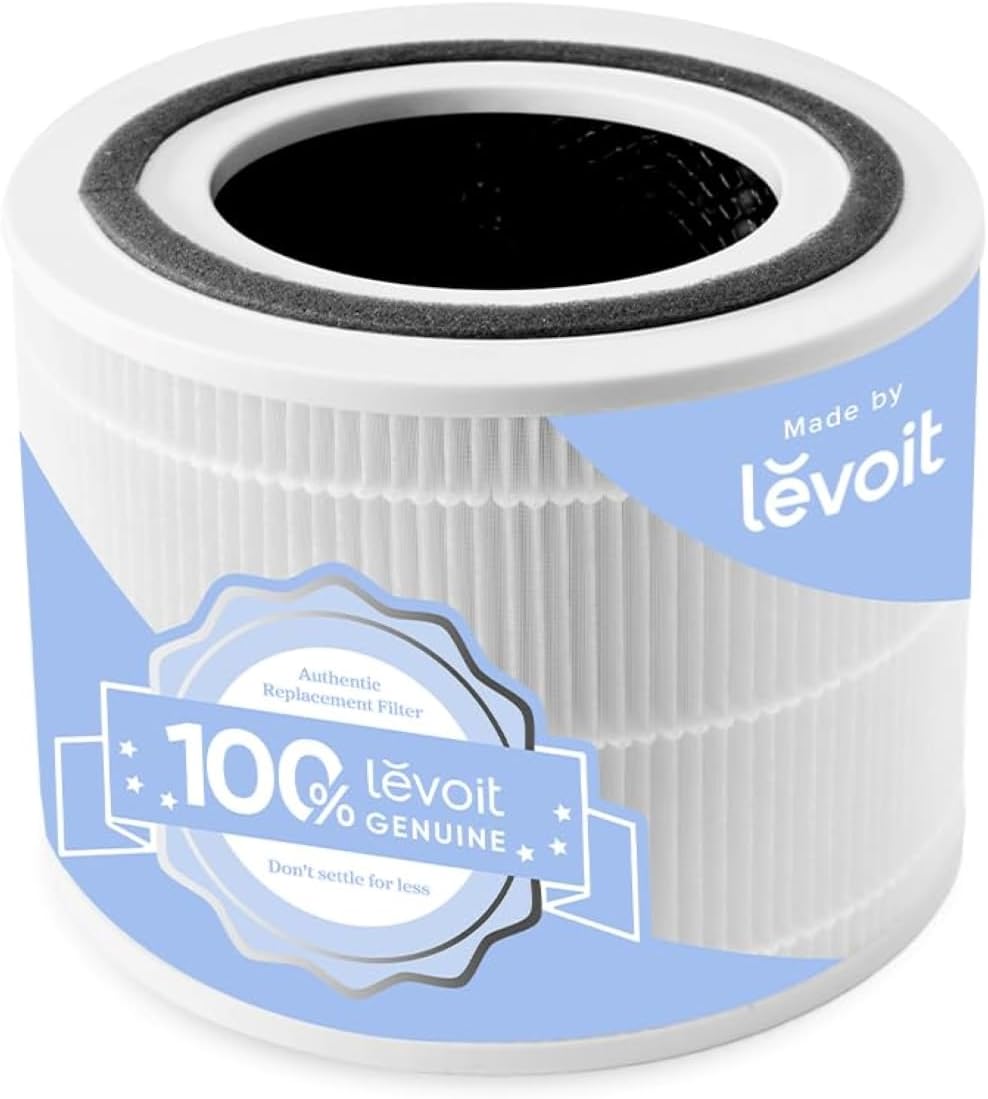
High-Efficiency Particulate Air (HEPA) filters are the most recognized and trusted filtration technology. A true HEPA filter is certified to capture at least 99.97% of airborne particles as small as 0.3 microns. This includes common allergens like pollen, dust mites, pet dander, and mold spores.
Activated Carbon Filters: Tackling Odors and VOCs
Activated carbon filters are essential for addressing odors, gases, and volatile organic compounds (VOCs). These filters work through adsorption, where airborne molecules stick to the porous surface of the activated carbon. This makes them excellent for eliminating cooking smells, pet odors, and fumes from cleaning products or paints.
Pre-filters: The First Line of Defense
Pre-filters are typically the first layer of filtration in an air purifier. They are designed to capture larger particles like hair, lint, and large dust bunnies. This protects the more sensitive HEPA and carbon filters, extending their lifespan and maintaining the overall efficiency of the unit.
What is an Ioniser and Why Avoid It?
An ioniser is a component in some air purifiers that releases negatively charged ions into the air. These ions attach to airborne particles, causing them to clump together and fall to the ground or stick to surfaces. While this can remove particles from the air, it’s important to understand the potential drawbacks.
Ozone Production Concerns
A significant concern with ionisers is their potential to produce ozone as a byproduct. Ozone is a lung irritant and can exacerbate respiratory conditions like asthma and allergies. Regulatory bodies like the U.S. Food and Drug Administration (FDA) and the California Air Resources Board (CARB) have set limits on ozone emissions from air purifiers.
Potential Health Impacts
Exposure to ozone can lead to a variety of health issues, including coughing, shortness of breath, and throat irritation. For individuals with pre-existing respiratory problems, ozone can trigger more severe symptoms. Choosing an air purifier without an ioniser eliminates this potential risk, ensuring a safer breathing environment.
Key Features to Look For in an Air Purifier Without an Ioniser
When shopping for an air purifier that omits ionisation, focus on its core filtration capabilities, coverage area, and energy efficiency. These factors will determine how well it performs and how cost-effective it is to run. Prioritizing these elements ensures you get a unit that effectively cleans your air.
Coverage Area and CADR Ratings
The coverage area, often indicated in square feet, tells you how large a room the air purifier is designed to effectively clean. The Clean Air Delivery Rate (CADR) is a more specific measure of performance, indicating how quickly the unit can filter out specific pollutants like smoke, dust, and pollen. Look for a CADR rating that is appropriate for the size of your room.
Noise Levels and Sleep Mode
Noise level is a crucial consideration, especially for bedrooms or quiet living spaces. Air purifiers are rated in decibels (dB), and lower numbers indicate quieter operation. Many models also feature a “sleep mode” that reduces fan speed and dims indicator lights for undisturbed rest.
Energy Efficiency and Filter Replacement Costs
Consider the energy consumption of the air purifier, especially if it will be running continuously. Look for ENERGY STAR certified models, which meet strict energy efficiency guidelines. Also, factor in the cost and availability of replacement filters, as these are ongoing expenses.
Top Air Purifier Technologies Without Ionisers
Several advanced filtration technologies excel at cleaning your air without resorting to ionisation. These methods are highly effective and widely recommended by health professionals for their safety and performance. They offer robust solutions for various indoor air quality challenges.
Mechanical Filtration Systems
Mechanical filtration relies on physical barriers to trap pollutants. This is the principle behind HEPA and pre-filters, which physically capture particles as air passes through them. These systems are straightforward, reliable, and do not produce any harmful byproducts.
Activated Carbon for Odor and Gas Removal
As mentioned earlier, activated carbon is a powerhouse for removing odors and gases. Air purifiers that feature substantial amounts of activated carbon are excellent for homes with pets, smokers, or those who are sensitive to chemical smells. The larger the carbon filter, the more odors and VOCs it can adsorb.
UV-C Light (with Caution)
Some air purifiers incorporate UV-C light technology to neutralize airborne microorganisms like bacteria and viruses. While UV-C light itself is effective, it’s crucial to ensure the unit is designed to contain the UV-C rays safely and does not produce ozone. Look for units that explicitly state they are ozone-free.
Comparing Air Purifier Types (With and Without Ionisers)
Understanding the differences between various air purifier types helps in making a well-informed decision. While ionisers have their proponents, non-ionising models offer a clear advantage for those prioritizing safety and avoiding ozone. The focus remains on robust filtration.
| Feature | Air Purifier Without Ioniser | Air Purifier With Ioniser |
| :—————- | :——————————————————— | :———————————————————– |
| Primary Method | Mechanical filtration (HEPA, carbon), physical capture | Ionisation, electrostatic precipitation, sometimes combined |
| Ozone Production | Generally none, or negligible and certified ozone-free | Potential for ozone production, especially with older models |
| Safety for Sensitivity | High, suitable for most individuals, including those with respiratory issues | Can be a concern for ozone-sensitive individuals |
| Effectiveness | Excellent for particulate matter, odors, and gases | Effective for particles, but ozone risk is a consideration |
| Maintenance | Filter replacement (HEPA, carbon) | Filter replacement, potential need for cleaning ioniser parts |
How to Choose the Right Air Purifier Without an Ioniser
Selecting the ideal air purifier involves assessing your specific needs and comparing different models. Consider the size of the space you need to purify, the types of pollutants you’re most concerned about, and your budget. A thoughtful approach ensures you invest in a device that truly benefits your home.
Assessing Your Home’s Air Quality Needs
Are you primarily concerned about allergies, pet dander, smoke, or general dust? Identifying your main air quality concerns will help you prioritize the type of filters needed. For example, a home with pets will benefit greatly from a robust activated carbon filter alongside a HEPA filter.
Considering Room Size and Placement
Ensure the air purifier’s coverage area or CADR rating matches the dimensions of the room where you intend to use it. Placing the unit in a central location, away from obstructions, will allow for optimal air circulation and filtration. Avoid placing it directly against walls or furniture.
Budget and Long-Term Costs
While the initial purchase price is important, also consider the ongoing costs of filter replacements. Some filters need replacing more frequently than others, and prices can vary significantly between brands. Look for models with readily available and reasonably priced replacement filters.
Maintenance Tips for Your Non-Ionising Air Purifier
Proper maintenance is key to ensuring your air purifier operates efficiently and effectively for years to come. Regular cleaning and timely filter replacements will prolong the life of the unit and guarantee optimal air purification. Neglecting maintenance can reduce performance and even lead to the unit becoming a source of air pollution itself.
Cleaning and Replacing Filters
Follow the manufacturer’s recommendations for cleaning and replacing filters. Pre-filters can often be vacuumed or washed, while HEPA and carbon filters typically need to be replaced every 6-12 months, depending on usage and air quality. Always use genuine replacement filters for best results.
Regular Cleaning of the Unit
Dust buildup on the exterior and interior components of the air purifier can impede airflow and reduce efficiency. Gently wipe down the exterior with a damp cloth and use a vacuum cleaner with a brush attachment to clean the air intake and outlet vents regularly.
Top Brands and Models to Consider
Several reputable brands offer excellent air purifiers without ionisers, known for their performance, durability, and commitment to safety. Researching these brands and their specific models can help narrow down your choices. Always check for third-party certifications like ENERGY STAR and CARB compliance.
Coway: Known for their powerful HEPA filtration and sleek designs, Coway offers many ozone-free models.
Levoit: A popular choice for its affordability and effective multi-stage filtration systems.
Blueair: Offers innovative filtration technology and a focus on quiet operation and energy efficiency.
Honeywell: A trusted name in home appliances, Honeywell provides reliable air purifiers with robust filtration.
When looking at specific models, always verify that they explicitly state they do not use ionisation or that any ionisation feature can be turned off. Many brands now clearly label their products as “ozone-free” or “ionizer-free.”
Frequently Asked Questions About Air Purifiers Without Ionisers
Here are answers to some common questions people have when considering an air purifier without an ioniser.
Are air purifiers without ionisers effective?
Yes, air purifiers without ionisers, particularly those with HEPA and activated carbon filters, are highly effective at capturing a wide range of airborne pollutants like dust, pollen, pet dander, mold spores, smoke, and odors.
Can I turn off the ioniser on my current air purifier if it has one?
Many air purifiers with ionisation features allow you to turn the ioniser off. If yours does, it’s a good option to consider if you have concerns about ozone. Always check your user manual for instructions.
How often do I need to replace the filters in an air purifier without an ioniser?
Filter replacement frequency varies by model and usage, but HEPA and activated carbon filters typically need replacement every 6 to 12 months. Some units have indicator lights to remind you.
Are air purifiers without ionisers noisy?
Noise levels vary greatly by model. Look for units with lower decibel (dB) ratings or those that offer a “sleep mode” for quieter operation, especially for bedrooms.
What is the difference between a HEPA filter and a washable filter?
A true HEPA filter is a disposable filter designed to capture 99.97% of particles 0.3 microns in size. Washable filters, often pre-filters, capture larger particles and can be cleaned, but they do not offer the same level of fine particle filtration as HEPA.
Are there any downsides to using an air purifier without an ioniser?
The primary “downside” is that they rely solely on physical filtration, which means filters will eventually need replacing. However, this is generally considered a minor inconvenience compared to the potential risks of ozone from ionisers.
Conclusion
Choosing an air purifier without an ioniser is a straightforward and safe way to significantly improve the air quality in your home. By focusing on robust filtration systems like HEPA and activated carbon, you can effectively remove allergens, pollutants, and odors without any risk of ozone production. Remember to consider your room size, specific air quality concerns, and ongoing filter costs when making your selection. With the right air purifier without an ioniser, you can breathe easier, knowing your home environment is healthier and cleaner for you and your loved ones.