
Air Purifier With Carbon And HEPA Filter: Essential Clean Air

Breathe easier with an air purifier featuring both a carbon and HEPA filter, your ultimate defense against indoor pollutants for a healthier home environment. Discover how this powerful combination tackles everything from allergens to odors, ensuring truly clean air.
Air Purifier With Carbon and HEPA Filter: Your Essential Guide to Pristine Indoor Air
Are you tired of sneezing, stuffy noses, or lingering household odors? Indoor air can be surprisingly polluted, impacting your health and comfort. Fortunately, an air purifier with carbon and HEPA filter offers a powerful solution to combat these common frustrations. This guide will demystify how these essential components work together to transform your home into a sanctuary of fresh, clean air, ensuring you and your loved ones can breathe freely.
The Dynamic Duo: How HEPA and Carbon Filters Revolutionize Air Purification
A true game-changer in home air quality is an air purifier with carbon and HEPA filter technology. This combination tackles a broad spectrum of airborne contaminants, offering a comprehensive solution for a healthier living space. Understanding their individual strengths reveals why they are indispensable for modern homes.
What is a HEPA Filter and What Does it Capture?
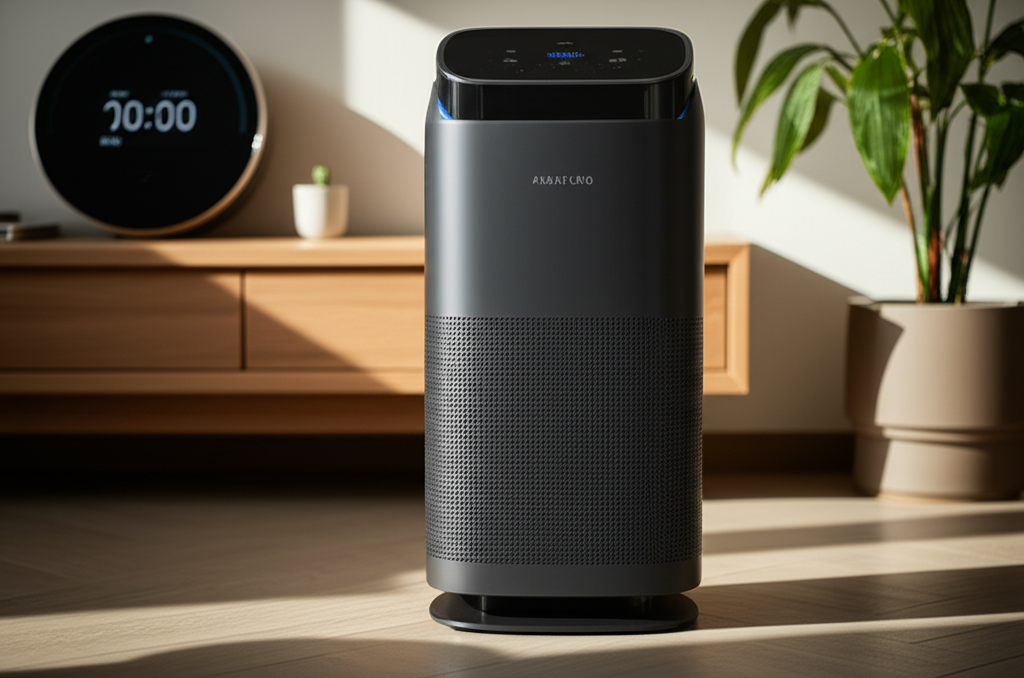
HEPA stands for High-Efficiency Particulate Air. A true HEPA filter is designed to capture at least 99.97% of airborne particles as small as 0.3 microns. This includes common allergens like pollen, dust mites, pet dander, and mold spores, which are often the culprits behind respiratory issues.
HEPA filters act as a physical barrier, trapping microscopic particles that can trigger allergies and asthma symptoms. By removing these irritants, they significantly improve indoor air quality and provide relief for sensitive individuals. This makes them a cornerstone of effective air purification.
The Role of Activated Carbon Filters in Air Purification
Activated carbon filters, often found alongside HEPA filters, are your secret weapon against gases, odors, and volatile organic compounds (VOCs). Carbon is highly porous, and when activated, its surface area dramatically increases, allowing it to adsorb (trap) molecules from the air. This process effectively neutralizes unpleasant smells from cooking, pets, smoke, and even chemical fumes from cleaning products or new furniture.
While HEPA filters focus on particles, activated carbon targets gaseous pollutants that HEPA filters cannot capture. This dual action ensures that your air is not only free of allergens but also fresh-smelling and free from harmful chemical vapors. It’s this synergy that makes an air purifier with carbon and HEPA filter so effective.
Why Combining HEPA and Carbon Filters is Crucial for Clean Air
The magic of an air purifier with carbon and HEPA filter lies in their complementary functions. One tackles the physical particles, while the other addresses the invisible gaseous pollutants and odors. Together, they provide a holistic approach to air purification that neither filter can achieve alone.
This combined filtration system ensures that your home environment is free from a wider range of contaminants. It’s like having two specialized cleaning crews working in tandem, one for dust and dander, and the other for smells and fumes. The result is demonstrably cleaner and fresher air.
Common Indoor Air Pollutants and How They Are Tackled
Indoor air can be a breeding ground for various pollutants that affect our health and well-being. An air purifier with carbon and HEPA filter is specifically designed to address these pervasive issues. From microscopic allergens to pervasive odors, these systems offer a robust defense.
Allergens and Asthma Triggers
Pollen, dust mites, pet dander, and mold spores are microscopic troublemakers that can wreak havoc on allergy and asthma sufferers. These particles are easily stirred up and can remain airborne for extended periods. The HEPA filter in your air purifier with carbon and HEPA filter is expertly engineered to capture these irritants.
By trapping these allergens, the HEPA component significantly reduces their concentration in your home. This can lead to fewer sneezing fits, less itchy eyes, and easier breathing for those sensitive to these common triggers. It provides a tangible sense of relief and improved comfort.
Odors and Smells
Lingering cooking smells, pet odors, cigarette smoke, and musty bathroom scents can make a home feel less inviting. While HEPA filters can trap some odor-causing particles, they are not designed to eliminate gaseous compounds responsible for smells. This is where the activated carbon filter shines.
The activated carbon filter in an air purifier with carbon and HEPA filter adsorbs these odor molecules, effectively neutralizing them. This leaves your air smelling fresh and clean, rather than masking odors with artificial fragrances. It addresses the root cause of unpleasant smells.
Volatile Organic Compounds (VOCs) and Chemical Fumes
VOCs are emitted from common household items like paints, cleaning supplies, air fresheners, and new furniture. These invisible chemicals can cause headaches, dizziness, and long-term health problems. They are a significant concern for indoor air quality, often undetectable by scent alone.
The activated carbon filter is highly effective at adsorbing these harmful VOCs. By removing them from the air, an air purifier with carbon and HEPA filter helps create a safer and healthier indoor environment. This is especially important for homes with young children or individuals with chemical sensitivities. For more information on VOCs, the EPA offers comprehensive resources.
Key Features to Look For in an Air Purifier With Carbon and HEPA Filter
When selecting an air purifier with carbon and HEPA filter, several features can enhance its effectiveness and your user experience. Considering these aspects will help you find a unit that best suits your needs and home environment. A well-chosen unit provides consistent, reliable air purification.
Coverage Area (CADR) and Room Size
The Clean Air Delivery Rate (CADR) indicates how quickly an air purifier can clean the air in a specific room size. Higher CADR ratings mean faster purification. Ensure the purifier’s recommended room coverage matches or exceeds the dimensions of the space you intend to use it in.
Choosing a unit with adequate coverage ensures it can effectively circulate and clean the air within your target area. This is crucial for achieving optimal air quality, especially in larger rooms or those with higher pollutant levels. An undersized unit will struggle to keep up.
Filter Replacement Schedule and Cost
Both HEPA and carbon filters have a limited lifespan and will eventually need replacement. Check the manufacturer’s recommendations for filter replacement frequency and the cost of replacement filters. This ongoing expense is an important factor in the total cost of ownership.
Budgeting for filter replacements ensures your air purifier with carbon and HEPA filter continues to operate at peak efficiency. Neglecting filter changes can significantly reduce the unit’s effectiveness and even lead to secondary pollution. Plan for this maintenance from the outset.
Noise Level and Energy Consumption
Air purifiers vary in noise levels, especially when operating at higher fan speeds. Look for units with decibel ratings that are acceptable for your living space, particularly for bedrooms or quiet areas. Energy consumption is also a factor, with ENERGY STAR certified models offering better efficiency.
A quiet and energy-efficient air purifier can operate continuously without being disruptive or significantly increasing your electricity bill. This allows you to enjoy the benefits of clean air around the clock with minimal impact on your daily life. It’s about finding a balance between performance and comfort.
Additional Features: Smart Controls and Air Quality Sensors
Many modern air purifiers come with advanced features like Wi-Fi connectivity for app control, timers, and automatic modes. Air quality sensors can detect pollutant levels and adjust the fan speed accordingly, optimizing performance and energy use. These smart features enhance convenience and efficiency.
These smart capabilities allow for effortless operation and provide valuable insights into your home’s air quality. An air purifier with carbon and HEPA filter equipped with these technologies offers a more personalized and responsive approach to maintaining a healthy environment. They adapt to your home’s needs.
Choosing the Right Air Purifier: A Comparative Look
Selecting the ideal air purifier with carbon and HEPA filter involves comparing different models and understanding their specific strengths. Not all purifiers are created equal, and some may be better suited for certain environments or pollutant concerns. This section helps you make an informed decision.
Table: Popular Air Purifier Brands and Their Key Offerings
| Brand Name | HEPA Type | Carbon Filter Type | Notable Features | Best For |
| :——— | :——– | :—————– | :————— | :——- |
| Brand A | True HEPA | Granular Activated Carbon | Smart App Control, Air Quality Sensor | Allergy sufferers, Smart Home Enthusiasts |
| Brand B | HEPA-type | Enhanced Carbon Layer | Whisper-Quiet Operation, Large Room Coverage | Pet owners, Light sleepers |
| Brand C | True HEPA | High-Capacity Activated Carbon | Compact Design, Energy Efficient | Small apartments, Odor concerns |
This table provides a snapshot of how different brands cater to specific needs. Always check detailed product specifications to ensure they align with your requirements. The right choice ensures you get the most value and effectiveness from your investment.
Understanding Different Types of Carbon Filters
While all activated carbon filters work on the principle of adsorption, their effectiveness can vary. Some purifiers use thin carbon pre-filters, while others employ thick beds of granular activated carbon or carbon-infused fabrics. A thicker, more robust carbon filter generally offers superior odor and VOC removal capabilities.
When evaluating an air purifier with carbon and HEPA filter, pay attention to the description of the carbon filter. Look for terms like “high-capacity,” “granular,” or “activated” to indicate a more effective odor and gas removal system. This detail can make a significant difference in perceived air freshness.
Where to Place Your Air Purifier for Maximum Effectiveness
The placement of your air purifier with carbon and HEPA filter plays a vital role in its ability to clean your home’s air. Strategic positioning ensures optimal airflow and maximum contaminant capture. Consider these tips for the best results.
Key Placement Considerations
Central Location: Place the air purifier in a central area of the room or home to allow for better air circulation.
Avoid Obstructions: Ensure there’s at least a foot of clear space around the unit for unimpeded airflow.
Proximity to Pollutant Sources: For specific issues like cooking odors or pet areas, consider placing the unit closer to these sources.
Bedroom Placement: If using in a bedroom, a quieter model is recommended, placed near your sleeping area for maximum benefit.
Proper placement ensures that the air purifier can effectively draw in polluted air and expel clean air throughout the space. This simple step maximizes the performance of your air purifier with carbon and HEPA filter. It allows the unit to work efficiently without hindrance.
Maintenance: Keeping Your Air Purifier in Top Shape
To ensure your air purifier with carbon and HEPA filter consistently delivers clean air, regular maintenance is essential. This includes cleaning the pre-filters and knowing when to replace the main HEPA and carbon filters. Proper care extends the life of your unit and maintains its effectiveness.
Cleaning and Replacing Filters
Pre-filter: Many units have a washable pre-filter that captures larger particles like hair and lint. Clean this regularly (e.g., monthly) according to the manufacturer’s instructions.
HEPA Filter: True HEPA filters are not washable and must be replaced. Follow the manufacturer’s recommended replacement schedule, typically every 6-12 months depending on usage and air quality.
* Carbon Filter: Activated carbon filters also need replacement, often at the same time as the HEPA filter or slightly more frequently if odor control is a primary concern.
Adhering to a maintenance schedule is crucial for the long-term performance of your air purifier with carbon and HEPA filter. It guarantees that you continue to benefit from its full purification capabilities. Consistent care prevents performance degradation.
The Impact of an Air Purifier With Carbon and HEPA Filter on Health and Well-being
Investing in an air purifier with carbon and HEPA filter is an investment in your health and overall well-being. The benefits extend beyond simply removing dust; they contribute to a healthier living environment that can positively impact your daily life. Clean air fosters a sense of calm and vitality.
Improved Sleep Quality
Cleaner air can lead to better sleep by reducing allergens and irritants that might disrupt breathing during the night. This can result in waking up feeling more refreshed and energized. A good night’s sleep is fundamental to overall health.
Reduced Allergy and Asthma Symptoms
For individuals suffering from allergies or asthma, a consistent reduction in airborne triggers can mean fewer flare-ups and a greater ability to enjoy life indoors. This improvement in respiratory health is one of the most significant benefits. It provides tangible relief from discomfort.
Elimination of Unpleasant Odors
A home that smells fresh and clean is more pleasant to live in. The activated carbon component effectively removes odors, creating a more welcoming and comfortable atmosphere. This enhances the overall living experience. It contributes to a more enjoyable home environment.
Greater Peace of Mind
Knowing that you are actively working to create a healthier indoor environment for yourself and your family provides invaluable peace of mind. An air purifier with carbon and HEPA filter offers a proactive solution for maintaining a safe and clean living space. It’s a proactive step towards a healthier lifestyle. According to The American Lung Association, indoor air quality is a critical component of respiratory health.
Frequently Asked Questions About Air Purifiers With Carbon and HEPA Filters
Do I really need both a HEPA and a carbon filter?
Yes, for comprehensive air purification, both are essential. HEPA filters capture tiny particles like allergens, while carbon filters remove gases, odors, and VOCs that HEPA filters miss. Together, they provide a complete solution.
How often should I replace the filters in my air purifier?
This varies by model and usage, but typically HEPA filters need replacement every 6-12 months, and carbon filters may need replacing every 3-6 months or at the same time as the HEPA filter. Always check your manufacturer’s guidelines.
Can an air purifier eliminate pet dander and odors?
Absolutely. The HEPA filter is excellent at capturing pet dander, and the activated carbon filter is highly effective at adsorbing and neutralizing pet odors, making it a great solution for pet owners.
Will an air purifier with carbon and HEPA filter help with smoke from wildfires?
Yes, a good quality air purifier with carbon and HEPA filter can significantly help reduce smoke particles and associated odors during wildfire events. Ensure the unit has a high CADR and a substantial carbon filter for best results.
Are air purifiers noisy?
Noise levels vary by model and fan speed. Many modern units offer quiet or “sleep” modes for minimal disruption, especially in bedrooms. Always check the decibel rating before purchasing.
Can an air purifier remove viruses and bacteria?
While HEPA filters can trap airborne viruses and bacteria, they do not kill them. Some purifiers may have additional features like UV-C light to help neutralize microorganisms, but the primary function of HEPA and carbon is particle and gas removal.
Conclusion: Breathe Freely with an Air Purifier With Carbon and HEPA Filter
In conclusion, an air purifier with carbon and HEPA filter stands as a vital tool for enhancing your home’s indoor air quality. This powerful combination tackles a wide array of pollutants, from microscopic allergens and dust to bothersome odors and harmful VOCs. By investing in a quality unit and maintaining it properly, you are taking a significant step towards a healthier, more comfortable living environment. Experience the difference that truly clean air can make in your daily life, allowing you and your loved ones to breathe easier and live better.
