Air Purifier Smells Like Burning: Essential Fixes Revealed

If your air purifier smells like burning, it’s a common and concerning issue. This guide reveals the essential fixes to quickly and safely resolve the problem, ensuring your home remains healthy and odor-free.
The distinct smell of burning emanating from your air purifier can be alarming. It’s a signal that something isn’t quite right, and ignoring it could pose a safety risk. Fortunately, most causes are straightforward and easily remedied with a few simple steps. We’ll walk you through identifying the source of the burning smell and restoring your purifier to its optimal, odor-free performance.
Why Does My Air Purifier Smell Like Burning?
A burning smell from your air purifier is a critical indicator that requires immediate attention. This odor often signals an internal issue, such as an overheating component, a clogged filter, or even something foreign lodged within the unit. Understanding these potential causes is the first step toward a safe and effective solution.
Overheating Motor: The Most Common Culprit
The motor is the heart of your air purifier, responsible for circulating air. If the motor overheats, it can produce a distinct burning smell, often described as electrical or acrid. This can happen due to dust buildup, prolonged use, or a failing motor.
Signs of an Overheating Motor
Besides the burning smell, an overheating motor might exhibit other symptoms. You may notice the unit becoming unusually hot to the touch, or hear strange noises like whirring or grinding sounds. Dimming indicator lights or intermittent operation can also point to motor trouble.
Dirty or Clogged Air Filters
Air filters are designed to trap airborne particles, but over time, they become saturated. A severely clogged filter restricts airflow, forcing the motor to work harder and potentially overheat. This increased strain can lead to a burning odor.
Filter Types and Their Lifespans
Different filter types have varying lifespans and maintenance needs. HEPA filters, for instance, are highly effective but need regular cleaning or replacement. Activated carbon filters, crucial for odor removal, also have a finite capacity and will eventually need changing.
Electrical Component Issues
Less common, but still possible, is a problem with the internal electrical components of your air purifier. Faulty wiring, a loose connection, or a damaged circuit board can generate heat and produce a burning smell. This is a more serious issue that requires careful inspection.
When to Suspect Electrical Problems
If the burning smell is accompanied by visible smoke, sparks, or a strong electrical odor, it’s a clear sign of an electrical fault. In such cases, immediate disconnection from power is essential to prevent further damage or fire hazards.
Foreign Objects or Debris
Occasionally, small objects or debris can find their way into the air purifier’s intake or fan. These can get caught in the motor or fan blades, causing friction and a burning smell as they overheat or char. This is particularly common in homes with pets or young children.
Preventing Debris Ingress
Regularly inspecting the exterior and air intake vents of your air purifier can help prevent foreign objects from entering. Keeping the area around the unit clean and free of clutter also minimizes the chances of debris being drawn in.
Step-by-Step Guide to Fixing the Burning Smell
When your air purifier smells like burning, don’t panic. Follow these essential steps to diagnose and resolve the issue safely and effectively.
Step 1: Immediately Unplug the Unit
Safety is paramount. The very first action you should take when you detect a burning smell is to unplug the air purifier from the power outlet. This prevents further damage to the unit and eliminates any potential fire risk.
Why Immediate Disconnection is Crucial
Disconnecting power stops the motor and any heating elements from operating, halting the source of the burning smell. It also protects you from potential electrical hazards while you investigate the problem.
Step 2: Let the Unit Cool Down
After unplugging, allow the air purifier to cool down completely. This usually takes at least 30 minutes to an hour, depending on how long it was running and how hot it became. Touching a hot unit can cause burns.
Ensuring Safe Inspection Temperature
A cool unit is safe to handle and inspect. Attempting to open or clean a warm or hot air purifier can lead to accidental burns or further damage to sensitive components.
Step 3: Inspect and Clean or Replace Filters
Carefully remove the air filters according to your manufacturer’s instructions. Examine them for excessive dust, dirt, or any foreign debris. If the filters are disposable, replace them with new ones. If they are washable, clean them thoroughly according to the manual.
Filter Maintenance Schedule
Most air purifiers have recommended filter replacement schedules, typically ranging from 3 to 12 months depending on the filter type and usage. Sticking to this schedule is key to preventing filter-related issues.
Step 4: Clean the Interior and Fan Blades
With the filters removed, inspect the interior of the air purifier for any visible debris, dust bunnies, or foreign objects. Use a soft brush or a vacuum cleaner with a brush attachment to gently clean the fan blades and any accessible internal components. Be thorough but gentle to avoid damaging any parts.
Tools for Interior Cleaning
A can of compressed air can be very effective for blowing out dust from hard-to-reach areas. A microfiber cloth can also be used for wiping down accessible surfaces.
Step 5: Check for External Obstructions
Ensure that the air intake and outlet vents on the exterior of the unit are not blocked by anything. Sometimes, simply repositioning the air purifier away from walls or furniture can improve airflow and prevent overheating.
Optimal Air Purifier Placement
For maximum efficiency and to prevent overheating, place your air purifier on a flat, stable surface with at least 1-2 feet of clear space around all sides. Avoid placing it in enclosed spaces like closets or behind heavy curtains.
Step 6: Reassemble and Test Carefully
Once you’ve cleaned the unit and replaced or cleaned the filters, reassemble the air purifier. Plug it back into the power outlet and turn it on at a low setting. Listen for any unusual noises and check if the burning smell has disappeared.
Monitoring During the First Run
After reassembly, stay near the unit for the first few minutes it’s running. Pay attention to any returning smells or sounds. If the burning smell reappears, turn it off immediately and consider professional help.
Troubleshooting Specific Air Purifier Brands
While the general troubleshooting steps apply to most models, some brands might have specific known issues or unique maintenance requirements. Knowing your model can help pinpoint the problem faster.
Coway Air Purifier Burning Smell
Coway purifiers are known for their robust filtration systems. If your Coway air purifier smells like burning, it’s often due to a neglected filter or a buildup of dust in the pre-filter. Ensure you’re cleaning the pre-filter weekly and replacing the HEPA and carbon filters as recommended.
Blueair Air Purifier Burning Smell
Blueair units utilize unique electrostatic filtration. A burning smell from a Blueair might indicate that the filters are completely saturated and need replacement, or that dust has accumulated on the internal ionizer components. Consult your Blueair manual for specific cleaning instructions for these parts.
Levoit Air Purifier Burning Smell
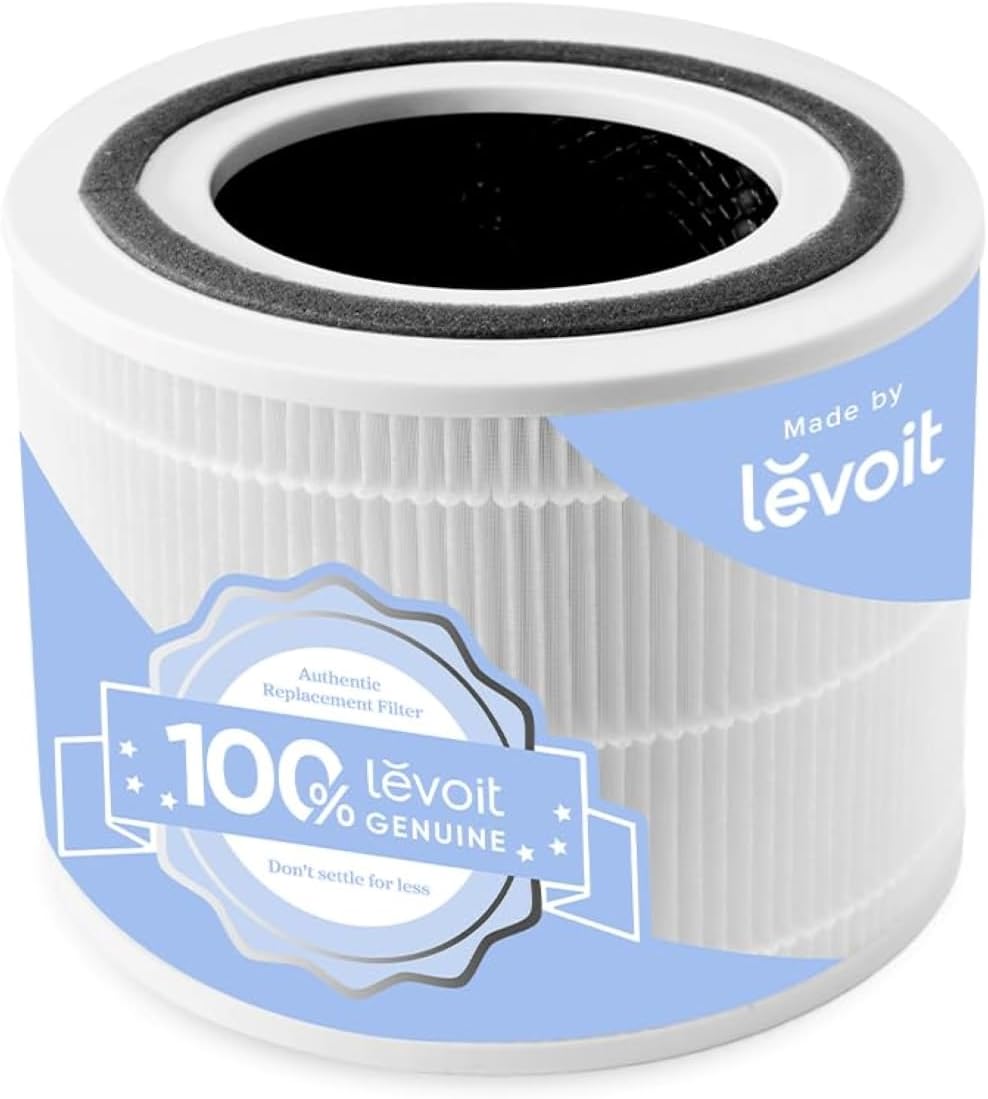
Levoit air purifiers are popular for their user-friendly design. If your Levoit unit emits a burning odor, the most probable cause is a dirty filter or a foreign object caught in the fan. Check the filters meticulously and ensure no pet hair or small items have been drawn into the unit.
Dyson Air Purifier Burning Smell
Dyson purifiers often combine air purification with heating or cooling functions. If your Dyson air purifier smells like burning, it could be related to the heating element if it has one, or a significant dust accumulation on the internal components. Always ensure the unit is unplugged before cleaning any sensors or filters.
When to Call a Professional
If you’ve followed all the troubleshooting steps and the burning smell persists, or if you notice any signs of electrical damage, it’s time to seek professional assistance. Attempting to repair complex internal issues yourself can be dangerous and may void your warranty.
Identifying Serious Issues
Signs like persistent electrical odors, visible damage to wiring, or the unit not powering on after cleaning warrant professional attention. These issues are beyond basic DIY fixes and require the expertise of a qualified technician.
Understanding Your Warranty
Before contacting a professional, check your air purifier’s warranty. Many manufacturers offer repair or replacement services for defects within the warranty period. Keep your proof of purchase handy.
Maintaining Your Air Purifier for Longevity
Preventative maintenance is key to avoiding issues like a burning smell and ensuring your air purifier functions effectively for years to come. Regular care will not only keep your air clean but also your mind at ease.
Regular Cleaning Schedule
Establish a routine for cleaning your air purifier. This includes dusting the exterior, cleaning or replacing filters as per the manufacturer’s guidelines, and occasionally cleaning the interior fan and components. A simple wipe-down weekly and a deeper clean monthly can make a significant difference.
Filter Replacement Best Practices
Always use genuine replacement filters recommended by the manufacturer. Non-genuine filters may not fit properly, can reduce the unit’s efficiency, and might even cause damage or contribute to overheating. Note the replacement date to stay on track.
Proper Unit Usage
Avoid running your air purifier on the highest setting continuously for extended periods unless necessary. Allow the unit to rest, and ensure it has adequate ventilation. Proper usage prevents unnecessary strain on the motor and electrical components.
Frequently Asked Questions About Air Purifier Burning Smells
Why does my new air purifier smell like burning?
A new air purifier might have a slight plastic or electrical smell during its initial use as components warm up. This should dissipate within a few hours to a couple of days. If the smell is strong or persists, unplug it and check the filters and packaging for any residual materials.
Is it safe to run an air purifier that smells like burning?
No, it is not safe to run an air purifier that smells like burning. The smell indicates a potential malfunction, such as an overheating motor or electrical issue, which could pose a fire hazard or damage the unit further. Always unplug the unit immediately.
How often should I clean my air purifier’s filters?
The frequency of filter cleaning or replacement depends on the type of filter and your home environment. Generally, pre-filters should be cleaned weekly or bi-weekly, while HEPA and carbon filters need replacement every 3-12 months. Always refer to your air purifier’s manual for specific recommendations.
Can a burning smell damage my air purifier permanently?
Yes, prolonged running of an air purifier with a burning smell can cause permanent damage. An overheating motor can seize up, and electrical issues can fry internal components, rendering the unit irreparable. Addressing the smell promptly is crucial.
What’s the difference between a burning smell and a musty smell from an air purifier?
A burning smell typically indicates an electrical or motor issue, often sharp and acrid. A musty smell, on the other hand, usually means the filters are saturated with moisture and mold or mildew have begun to grow on them, signifying poor air quality and a need for immediate filter replacement.
Conclusion: Restoring Your Air Purifier’s Freshness
The disconcerting smell of burning from your air purifier is a solvable problem. By systematically unplugging, cooling, inspecting, and cleaning or replacing filters and internal components, you can often eliminate the odor and restore your unit to safe operation. Remember, regular maintenance and prompt attention to unusual smells are your best defense against potential damage and ensuring your home’s air remains clean and healthy. If the burning smell persists after these steps, don’t hesitate to consult a professional to safeguard your home and your appliance.