Air Purifier Good For Allergies: Essential Relief

Yes, an air purifier is good for allergies, offering essential relief by removing airborne allergens like pollen, dust mites, pet dander, and mold spores from your home. This can significantly reduce allergy symptoms and improve indoor air quality for a more comfortable living environment.
Air Purifier Good for Allergies: Essential Relief for a Breath of Fresh Air
Living with allergies can feel like a constant battle against invisible enemies floating in your home. Symptoms like sneezing, itchy eyes, and a stuffy nose can disrupt your day and steal your comfort. But what if there was a simple, effective way to fight back and reclaim your living space? This guide will explore how an air purifier can be a game-changer for allergy sufferers, providing essential relief and a breath of fresh, clean air.
Understanding Allergens and Their Impact on Your Health
Allergens are microscopic particles that trigger an immune response in sensitive individuals, leading to a range of uncomfortable symptoms. Common indoor allergens include dust mites, pet dander, pollen tracked in from outside, and mold spores. These tiny irritants can linger in the air, settling on surfaces and being inhaled repeatedly, perpetuating your allergy woes.
How Air Purifiers Combat Airborne Allergens
Air purifiers work by drawing in indoor air, passing it through a filtration system, and releasing cleaner air back into the room. They are specifically designed to capture airborne particles, including those that cause allergic reactions. By reducing the concentration of these allergens, air purifiers create a healthier indoor environment.
The Science Behind Air Purification: HEPA Filters Explained
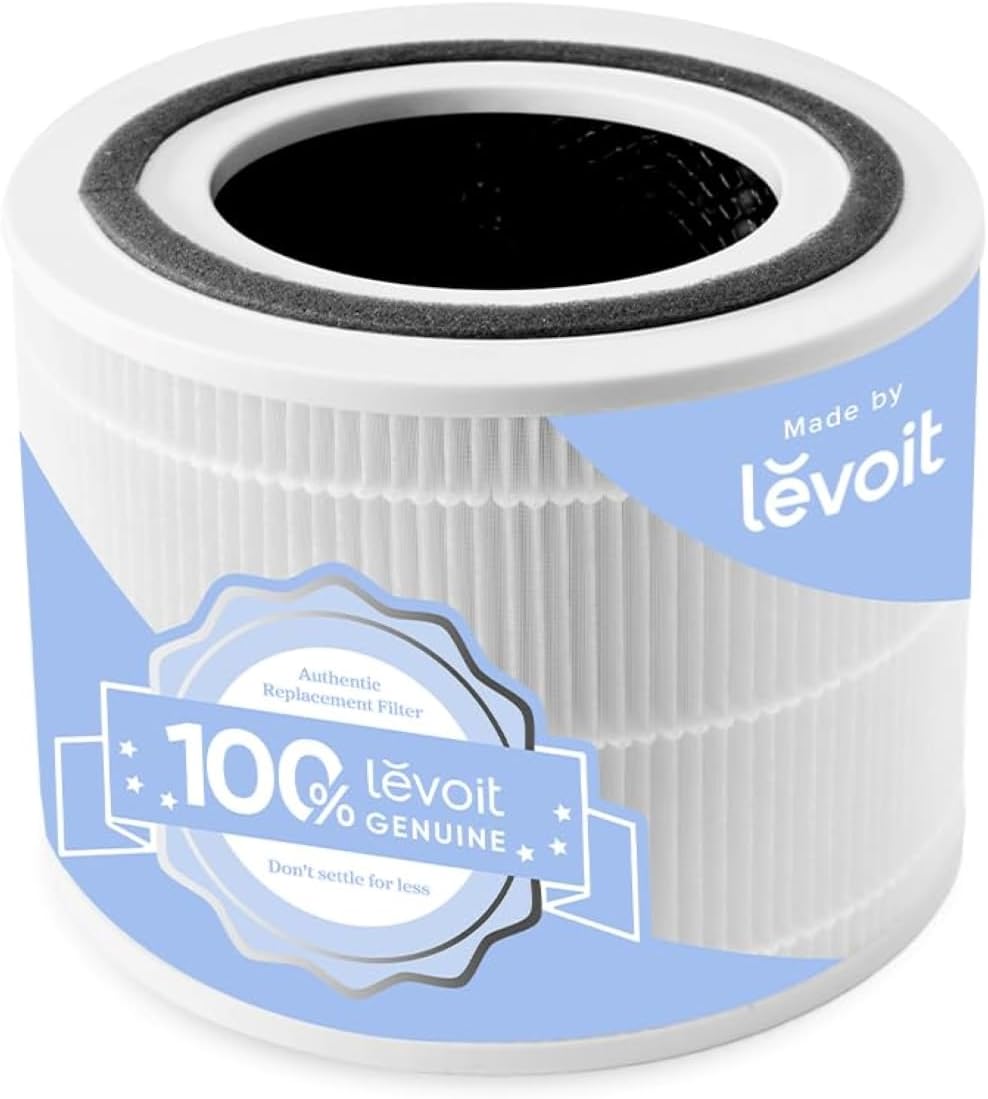
The most crucial component of an effective air purifier for allergies is its High-Efficiency Particulate Air (HEPA) filter. A true HEPA filter is certified to capture at least 99.97% of airborne particles as small as 0.3 microns. This includes common allergens like pollen, pet dander, and dust mite debris.
What Can a HEPA Filter Capture?
- Pollen
- Pet dander
- Dust mite allergens
- Mold spores
- Bacteria
- Some viruses
Choosing the Right Air Purifier for Allergy Relief
When selecting an air purifier, consider the size of the room it will be used in and the specific allergens you are trying to combat. Look for models with a True HEPA filter and an activated carbon filter, which helps remove odors and volatile organic compounds (VOCs). Check the Clean Air Delivery Rate (CADR) to ensure it’s suitable for your space.
Key Features to Look For:
- True HEPA Filter
- Activated Carbon Filter
- Appropriate CADR for room size
- Low noise levels
- Energy efficiency
Air Purifier Placement: Maximizing Effectiveness
Proper placement of your air purifier is vital for optimal performance. Position it in the room where you spend the most time, such as your bedroom or living room. Avoid placing it directly against walls or furniture, as this can obstruct airflow and reduce its efficiency.
Maintaining Your Air Purifier for Ongoing Relief
To ensure your air purifier continues to provide effective allergy relief, regular maintenance is essential. This primarily involves cleaning or replacing the filters according to the manufacturer’s instructions. Neglecting filter maintenance can lead to reduced performance and even recirculate trapped allergens.
Filter Maintenance Schedule (General Guideline):
| Filter Type | Replacement Frequency |
|---|---|
| Pre-filter | Clean monthly, replace every 6-12 months |
| HEPA Filter | Replace every 6-12 months |
| Activated Carbon Filter | Replace every 6-12 months |
Beyond HEPA: Other Air Purification Technologies
While HEPA filters are the gold standard for allergy relief, some air purifiers incorporate other technologies like UV-C light or ionizers. UV-C light can help kill bacteria and viruses, while ionizers release negative ions to clump particles together, making them easier to capture. However, ensure any ionizer model does not produce ozone, which can be an irritant.
Real-Life Benefits: How Air Purifiers Improve Allergy Sufferers’ Lives
Many individuals with allergies report significant improvements in their symptoms after using an air purifier. Reduced congestion, fewer sneezing fits, and better sleep are common benefits. By creating a cleaner breathing environment, air purifiers empower allergy sufferers to enjoy their homes more fully. Studies have shown that air purifiers can reduce exposure to indoor allergens, contributing to better respiratory health.
Are Air Purifiers Good for Allergies? A Resounding Yes!
The evidence is clear: an air purifier is good for allergies. By actively removing allergens from your indoor environment, these devices offer substantial relief and improve overall air quality. Investing in a quality air purifier can transform your home into a sanctuary from allergy triggers, allowing you to breathe easier and live more comfortably.
Frequently Asked Questions About Air Purifiers and Allergies
Do air purifiers actually help with allergies?
Yes, air purifiers with HEPA filters are highly effective at capturing common allergens like pollen, pet dander, and dust mites, significantly reducing symptoms for allergy sufferers.
What is the best type of air purifier for allergies?
An air purifier with a True HEPA filter is considered the best for allergies, as it can trap at least 99.97% of airborne particles down to 0.3 microns.
How often should I run my air purifier for allergies?
For optimal allergy relief, it’s recommended to run your air purifier continuously, especially in rooms where you spend the most time, like your bedroom.
Can air purifiers eliminate all allergens?
While air purifiers significantly reduce airborne allergens, they cannot eliminate every single particle, especially those that have settled on surfaces. Regular cleaning of your home is still important.
Are there any downsides to using air purifiers for allergies?
Some air purifiers can be noisy, and filters need regular replacement, adding to ongoing costs. Ozone-producing purifiers should be avoided as ozone can irritate the lungs.
How do I know if an air purifier is working for my allergies?
You’ll likely notice a reduction in allergy symptoms like sneezing, coughing, and itchy eyes. Improved sleep quality and less dust accumulation can also be indicators.
Conclusion: Breathe Easier with the Right Air Purifier
For anyone struggling with seasonal or year-round allergies, an air purifier is not just a luxury but an essential tool for relief. By understanding how allergens impact your health and how air purifiers work, you can make an informed choice to invest in a cleaner, healthier home. Embrace the comfort and well-being that comes with significantly reduced allergy symptoms, and start enjoying your living space to its fullest.