
Air Purifier for Allergy Sufferers Reviews: Essential Relief

Find essential relief with our air purifier for allergy sufferers reviews, highlighting top models that effectively capture allergens and improve your indoor air quality for a healthier home environment.
Dealing with allergies can feel like a constant battle, with sneezing, itchy eyes, and congestion often disrupting your day. The air in your home, which should be a sanctuary, can unfortunately be filled with microscopic irritants like pollen, dust mites, pet dander, and mold spores. This is where a good air purifier can make a significant difference, offering much-needed relief. This guide provides comprehensive air purifier for allergy sufferers reviews to help you choose the best solution for your needs, ensuring you can breathe easier.
Why Air Purifiers Are a Lifesaver for Allergy Sufferers
Air purifiers are crucial for allergy sufferers because they actively remove airborne allergens that trigger symptoms. These devices trap microscopic particles, preventing them from circulating in your home and being inhaled. Investing in a quality air purifier can dramatically reduce your exposure to common allergens, leading to fewer flare-ups and improved overall well-being.
Understanding the Science: How Air Purifiers Work
Air purifiers use various filtration technologies to clean the air. The most common and effective for allergies is the High-Efficiency Particulate Air (HEPA) filter. HEPA filters are designed to capture at least 99.97% of airborne particles 0.3 microns in size, which includes most allergens. Other technologies like activated carbon filters help remove odors and VOCs, further enhancing air quality.
Key Features to Look for in an Air Purifier for Allergies
When reviewing air purifiers for allergy sufferers, several features are paramount. Look for true HEPA filtration, adequate coverage area (CADR rating), quiet operation, and ease of maintenance. Additional features like pre-filters for larger particles and smart capabilities can enhance the user experience and effectiveness.
True HEPA Filtration: The Gold Standard
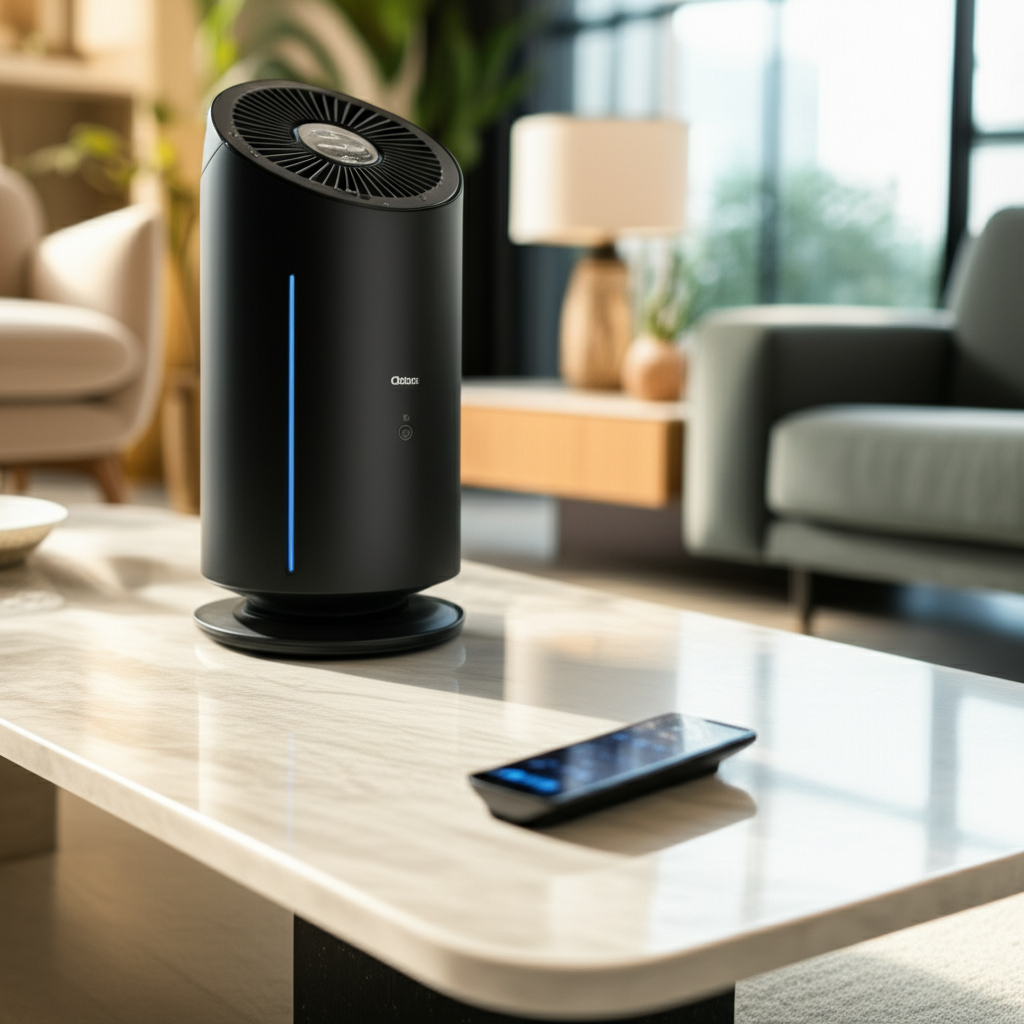
A true HEPA filter is non-negotiable for allergy sufferers. This standard ensures that the purifier is capturing the smallest and most irritating allergens. Always check the product specifications to confirm it meets the HEPA standard, not just “HEPA-like” or “HEPA-type” filters, which are less effective.
Coverage Area and CADR Rating
The Clean Air Delivery Rate (CADR) indicates how quickly an air purifier can filter a room. For allergy sufferers, a higher CADR for smoke, dust, and pollen is desirable. Ensure the purifier’s coverage area matches or slightly exceeds the size of the room you intend to use it in.
Noise Levels and Sleep Modes
For bedrooms or living spaces, quiet operation is essential. Many air purifiers offer multiple fan speeds, including a low setting or a dedicated sleep mode that significantly reduces noise. This ensures you can benefit from cleaner air without disruptive sounds.
Maintenance and Filter Replacement
Regular maintenance, primarily filter replacement, is key to an air purifier’s effectiveness. Check how often filters need to be replaced and the cost involved. Some models have indicator lights to remind you when it’s time for a change, simplifying the process.
Top Air Purifier Models for Allergy Sufferers: Our Reviews
Based on extensive research and user feedback, here are some of the best air purifiers for allergy sufferers reviews, focusing on their ability to tackle common allergens.
Coway Airmega 200M: Powerful and Efficient
The Coway Airmega 200M is a highly-rated air purifier known for its robust filtration system. It features a true HEPA filter, an activated carbon filter, and a washable pre-filter, making it excellent at capturing dust, pollen, pet dander, and even odors. Its coverage area is suitable for medium to large rooms, and it operates relatively quietly.
Pros: Excellent filtration, good coverage, durable, relatively quiet.
Cons: Filter replacement can be a bit pricey, not the most compact design.
This model consistently receives praise for its performance in real-world allergy relief scenarios. Its multi-stage filtration effectively addresses a wide range of airborne irritants, providing a noticeable difference in air quality.
Levoit Core 300S: Smart and Compact
For those seeking a smart and compact solution, the Levoit Core 300S is an excellent choice. It boasts a 3-stage filtration system, including a true HEPA filter, and can be controlled via a smartphone app. It’s ideal for smaller rooms and offers quiet operation, making it perfect for bedrooms.
Pros: Smart features, compact design, quiet operation, affordable.
Cons: Best suited for smaller rooms, filter life may vary based on air quality.
The Levoit Core 300S offers modern convenience with effective allergen removal, proving that powerful allergy relief doesn’t always require a large or expensive unit. Its connectivity features allow for easy monitoring and control, enhancing the user experience.
Blueair Blue Pure 211+ Auto: High Performance, Low Maintenance
The Blueair Blue Pure 211+ Auto stands out with its unique HEPASilent™ technology, combining electrostatic and mechanical filtration. This allows for high performance with lower energy consumption and quieter operation. It’s designed for larger rooms and features a single, integrated filter that captures allergens, dust, and pollutants effectively.
Pros: High efficiency, energy-saving, quiet, large room coverage, simple filter design.
Cons: Can be a larger footprint, no carbon filter for odors (though an optional one is available).
This air purifier is a great option for those who prioritize both performance and ease of use, especially in larger living spaces. Its innovative filtration system is designed for maximum allergen capture with minimal fuss.
Winix 5500-2: Advanced Features for Comprehensive Cleaning
The Winix 5500-2 is a popular choice for allergy sufferers due to its comprehensive filtration system. It includes a true HEPA filter, an activated carbon filter, and PlasmaWave™ technology, which helps break down airborne pollutants. It’s designed for medium to large rooms and offers an auto mode that adjusts fan speed based on detected air quality.
Pros: Excellent multi-stage filtration, auto mode, effective odor control, good value.
Cons: PlasmaWave™ feature can be polarizing (though it can be turned off), filter replacements are recurring costs.
This model offers a complete air cleaning solution, tackling not only allergens but also odors and other airborne contaminants, making it a versatile choice for many homes. Its intelligent auto mode provides a hands-off approach to maintaining clean air.
Honeywell HPA300: A Reliable Workhorse
The Honeywell HPA300 is a well-regarded air purifier known for its reliability and effectiveness in medium to large rooms. It features a true HEPA filter capable of capturing 99.97% of allergens and comes with an activated carbon pre-filter to reduce odors. Its simple controls and durable design make it a solid choice for consistent allergy relief.
Pros: Strong HEPA filtration, effective for larger spaces, straightforward operation, good value.
Cons: Can be a bit noisy on higher settings, design is functional rather than aesthetic.
This air purifier is a dependable option for those seeking robust allergen removal without complex features. Its straightforward approach to air purification makes it a practical choice for allergy-prone households.
Choosing the Right Air Purifier: A Step-by-Step Guide
Selecting the perfect air purifier for your allergy needs involves considering a few key factors. Let’s walk through how to make the best decision for your home and health.
1. Assess Your Allergy Triggers: Identify what allergens affect you most—pollen, dust mites, pet dander, mold, or smoke. This will help determine the type of filtration you need.
2. Measure Your Room Size: Know the square footage of the room where you’ll place the purifier. Match this to the manufacturer’s recommended coverage area or CADR rating.
3. Prioritize HEPA Filtration: Ensure the air purifier has a true HEPA filter for maximum allergen capture.
4. Consider Additional Features: Think about noise levels, smart capabilities, odor removal (activated carbon), and ease of maintenance.
5. Read Air Purifier for Allergy Sufferers Reviews: Consult trusted reviews and user feedback for real-world performance insights.
6. Factor in Running Costs: Consider the cost of replacement filters and energy consumption.
By following these steps, you can confidently choose an air purifier that meets your specific allergy relief requirements. This systematic approach ensures you’re investing in a solution that will genuinely improve your indoor air quality and reduce allergy symptoms.
Comparing Air Purifier Technologies for Allergy Relief
Different air purification technologies offer varying levels of effectiveness against allergens. Understanding these can help you make an informed choice.
| Technology | How it Works | Best For Allergies | Considerations |
| :—————— | :——————————————————————————————————— | :————————————————————————————————————————————————————————————– | :—————————————————————————————————————————————– |
| HEPA Filters | Mechanical filtration that physically traps particles (dust, pollen, dander, mold spores) 0.3 microns or larger. | Essential. Captures the vast majority of common allergens. | Requires regular replacement; performance depends on filter quality and seal. |
| Activated Carbon| Adsorbs gases, odors, and volatile organic compounds (VOCs) through a chemical process. | Highly recommended in conjunction with HEPA for allergy sufferers who also experience odor sensitivities or are affected by VOCs from cleaning products, cooking, or outdoor pollution. | Less effective against particulate allergens; carbon filters need replacement. |
| Pre-filters | Catches larger particles like hair and lint before they reach the HEPA filter. | Beneficial. Extends the life of the HEPA filter by removing larger debris. | Usually washable, but needs regular cleaning to maintain airflow. |
| UV-C Light | Uses ultraviolet light to kill or inactivate airborne microorganisms like bacteria and viruses. | Optional. May help with airborne germs but is less effective against typical allergens like pollen or dust mites. | Effectiveness can vary; some units produce ozone. |
| Ionizers/Ozone | Releases negative ions to charge particles, causing them to clump and fall or stick to surfaces. | Generally not recommended for allergy sufferers due to potential ozone production, which can irritate the respiratory system. | Ozone is a lung irritant and can worsen asthma and allergy symptoms. |
When selecting an air purifier, prioritize models with true HEPA and consider one with an activated carbon filter if odors are also a concern. Avoid units that rely solely on ionizers or produce ozone.
Beyond the Reviews: Tips for Maximizing Allergy Relief
Using an air purifier is a significant step, but combining it with other strategies can amplify your relief. Maintaining a clean home environment complements the work of your air purifier.
Regular Cleaning: Vacuum frequently with a HEPA-filter vacuum cleaner and dust surfaces with a damp cloth to prevent allergen buildup.
Control Humidity: Keep humidity levels between 30-50% to deter dust mites and mold growth.
Ventilation: Open windows when outdoor allergen counts are low, or use your air purifier to clean indoor air continuously.
Wash Bedding: Launder bedding in hot water weekly to kill dust mites.
* Pet Care: Groom pets regularly, preferably outdoors, and consider keeping them out of bedrooms if dander is a major issue.
These practices, combined with a quality air purifier, create a multi-layered defense against allergens. This holistic approach is key to achieving lasting comfort and reducing the impact of allergies on your daily life.
Frequently Asked Questions About Air Purifiers for Allergies
Here are answers to some common questions allergy sufferers have about using air purifiers.
Can an air purifier cure allergies?
No, an air purifier cannot cure allergies. However, it can significantly reduce the allergens in your environment, thereby decreasing the frequency and severity of your allergy symptoms. It’s a management tool, not a medical cure.
How often should I run my air purifier?
For maximum benefit, especially during allergy season or if you have pets, it’s recommended to run your air purifier continuously. Many models are energy-efficient, and consistent operation ensures the air remains clean.
What is the best place to put an air purifier for allergies?
The best place is typically in the room where you spend the most time, such as your bedroom or living room. For maximum effectiveness, place it where air can circulate freely around it, away from walls or furniture.
Do air purifiers with ozone generators help with allergies?
Generally, no. While some air purifiers use ozone generators, ozone is a lung irritant and can worsen respiratory conditions for allergy and asthma sufferers. It’s best to choose purifiers that do not produce ozone or have an option to disable this feature.
How do I know if my air purifier is working effectively for my allergies?
You’ll likely notice a reduction in allergy symptoms like sneezing, congestion, and itchy eyes. Some purifiers have air quality sensors that display the current air quality, providing visual feedback on their performance.
What’s the difference between HEPA and true HEPA?
“True HEPA” filters meet the U.S. Department of Energy standard, capturing at least 99.97% of airborne particles 0.3 microns in size. “HEPA-like” or “HEPA-type” filters may not meet this stringent standard and are less effective. Always look for “true HEPA.”
Conclusion: Breathe Easier with the Right Air Purifier
Navigating the world of air purifiers can seem daunting, but focusing on your specific needs as an allergy sufferer simplifies the process. Our air purifier for allergy sufferers reviews highlights that models equipped with true HEPA filtration are essential for capturing the tiny particles that trigger your symptoms. Features like adequate room coverage, quiet operation, and activated carbon filters for odor control further enhance their value. By understanding how these devices work and carefully considering your options, you can find an air purifier that transforms your home into a haven of clean, breathable air. Investing in the right air purifier is an investment in your health and well-being, offering much-needed relief from the constant irritation of allergies.
