Best Air Purifier Filter for Small Room to Breathe Cleaner Today

Choosing the right air purifier filter for a small room can transform your living space into a fresh, healthy environment. From HEPA filters to activated carbon options, this guide covers everything you need to know to breathe cleaner air today.
Key Takeaways
- Effective filtration: HEPA filters are essential for capturing tiny particles in small rooms.
- Activated carbon filters: Great for removing odors and VOCs in confined spaces.
- Room size matters: Choose filters and purifiers sized appropriately for your small room to maximize efficiency.
- Filter maintenance: Regular replacement keeps your air purifier working at its best.
- Additional features: Consider filters with antibacterial or allergen-reducing properties for extra benefits.
- Practical placement: Position your purifier and filter thoughtfully to optimize air circulation.
- Health benefits: Cleaner air reduces allergies, asthma symptoms, and improves overall well-being.
📑 Table of Contents
- Introduction: Why You Need an Air Purifier Filter for Your Small Room
- Understanding Air Purifier Filters: What Works Best in Small Rooms?
- Choosing the Right Air Purifier Filter for Your Small Room
- Top Air Purifier Filters Ideal for Small Rooms
- Maintaining Your Air Purifier Filter for Optimal Performance
- Benefits of Using an Air Purifier Filter in Small Rooms
- Practical Tips for Enhancing Air Quality Beyond Filters
- Conclusion: Breathe Cleaner Air Today with the Right Filter
Introduction: Why You Need an Air Purifier Filter for Your Small Room
Have you ever noticed how some small rooms feel stuffy or smell a bit stale? That’s often due to poor air circulation and buildup of pollutants. Whether it’s dust, pet dander, smoke, or allergens, even tiny airborne particles can affect your health and comfort. Using the right air purifier filter designed specifically for small rooms can make a huge difference.
Small rooms have unique challenges when it comes to air quality. They often trap pollutants faster because of limited airflow and less space to disperse contaminants. This means the air purifier filter you choose must be effective, efficient, and matched to the room size to truly improve your breathing environment.
In this article, we’ll walk through the best types of air purifier filters for small rooms, how to pick the right one, maintenance tips, and practical advice to keep your indoor air fresh and clean every day.
Understanding Air Purifier Filters: What Works Best in Small Rooms?
HEPA Filters: The Gold Standard
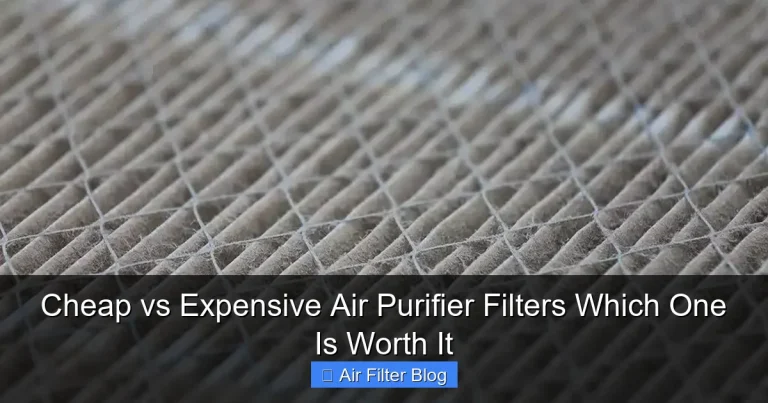
HEPA (High-Efficiency Particulate Air) filters are widely recognized for their ability to trap 99.97% of particles as small as 0.3 microns. This includes dust, pollen, mold spores, pet dander, and even some bacteria. For small rooms, HEPA filters are ideal because they provide powerful filtration without needing a large purifier unit.
Example: If you suffer from seasonal allergies or have pets, a HEPA filter in your small bedroom or office can significantly reduce airborne allergens and improve sleep quality.
Activated Carbon Filters: Tackling Odors and Chemicals
While HEPA filters handle particles, activated carbon filters focus on gases, odors, and volatile organic compounds (VOCs). These filters absorb smells from cooking, smoke, cleaning products, and off-gassing furniture. Combining a HEPA filter with an activated carbon filter is often the best approach for small rooms where smells can quickly build up.
Tip: Look for purifiers that include both HEPA and activated carbon filters for comprehensive air cleaning in confined spaces.
Other Filter Types: UV and Ionizers
Some air purifiers for small rooms include UV light or ionizer technology. UV light can kill bacteria and viruses, while ionizers release charged particles that bind to pollutants, causing them to settle out of the air. While these can add benefits, they often work best as supplements to HEPA and carbon filters rather than replacements.
Choosing the Right Air Purifier Filter for Your Small Room
Consider Room Size and Air Changes Per Hour (ACH)
The key to effective purification is matching the filter’s capacity to your room size. Small rooms typically range from 100 to 300 square feet. Check the purifier’s CADR (Clean Air Delivery Rate) and ACH rating to ensure it can refresh the air multiple times per hour for your room’s dimensions.
Tip: A purifier rated for a larger room can work in a small room but may be less energy-efficient; a purifier too small won’t clean the air well.
Filter Lifespan and Replacement Costs
Filters wear out and need replacing to stay effective. HEPA filters typically last 6-12 months, while activated carbon filters might need changing every 3-6 months depending on usage. Consider the cost and availability of replacements when choosing a filter system.
Noise Levels and Energy Use
Since small rooms are often bedrooms or offices, noise matters. Look for purifiers with quiet operation modes. Energy efficiency is also important to keep electricity bills low, especially if running the purifier all day.
Top Air Purifier Filters Ideal for Small Rooms
1. True HEPA Filters
Many small-room purifiers use true HEPA filters, which are highly effective at capturing fine particles. Brands like Honeywell and Levoit offer compact models with replaceable HEPA filters designed for rooms up to 200 sq. ft.
2. HEPA + Activated Carbon Combo Filters
These multi-layer filters combine particle and gas removal. For example, Coway Airmega and Blueair purifiers feature these filters, ideal for small kitchens or bedrooms where odors and allergens coexist.
3. Washable and Reusable Filters
Some purifiers come with washable pre-filters that trap large particles before the HEPA filter, extending its life. This is a budget-friendly option for small rooms with dust or pet hair.
Maintaining Your Air Purifier Filter for Optimal Performance
Regular Filter Checks and Replacement
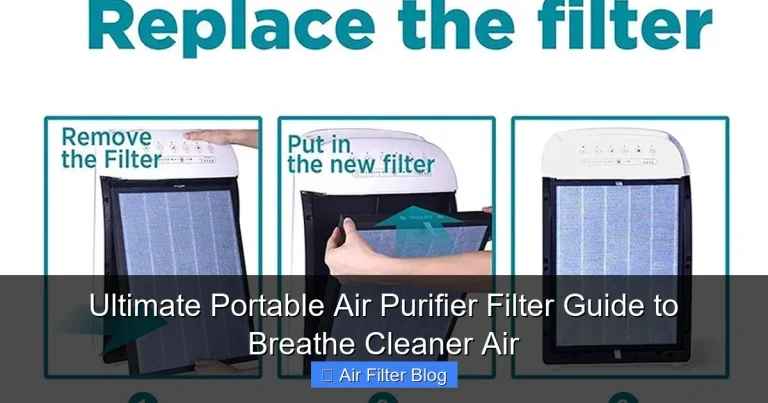
Set reminders to check your filters monthly. If you notice reduced airflow or unusual odors, it might be time to replace the filter. Many purifiers have indicator lights to help.
Cleaning the Unit and Surrounding Area
Dust and dirt can accumulate on the purifier’s exterior and vents. Wiping down the unit and vacuuming nearby surfaces helps maintain airflow and purifier efficiency.
Placement Tips for Small Rooms
Place your purifier away from walls and obstacles to allow air circulation. Near your bed or workspace is ideal. Avoid corners or behind furniture where airflow is restricted.
Benefits of Using an Air Purifier Filter in Small Rooms
Improved Respiratory Health
Cleaner air reduces exposure to allergens and irritants, easing asthma and allergy symptoms. This is especially important in small rooms where pollutants concentrate quickly.
Better Sleep Quality
Removing airborne triggers and odors helps you breathe easier at night. A quiet purifier with a HEPA filter can promote restful sleep in your bedroom.
Reduced Odors and VOCs
Activated carbon filters cut down on cooking smells, smoke, and chemical odors, making small spaces more pleasant.
Practical Tips for Enhancing Air Quality Beyond Filters
Ventilation and Airflow
Whenever possible, open windows or use exhaust fans to bring in fresh air. Even in small rooms, fresh airflow complements your purifier’s efforts.
Minimize Indoor Pollutants
Limit smoking, avoid strong chemical cleaners, and keep pets groomed to reduce airborne particles.
Use Complementary Products
Consider adding houseplants known for air purification or essential oil diffusers with purifying properties, but don’t rely solely on them.
Conclusion: Breathe Cleaner Air Today with the Right Filter
Choosing the best air purifier filter for your small room is a simple step that yields big benefits. With the right combination of HEPA and activated carbon filters, proper placement, and regular maintenance, you can enjoy fresher, healthier air every day. Remember, clean air means better health and comfort in your personal space.
As you shop for an air purifier, keep these tips in mind and consider models tailored to small rooms for maximum effectiveness. For those interested in optimizing their home appliances further, exploring related topics like best air fryer for dorm can also enhance your small living space experience.
🎥 Related Video: Levoit Core Mini Review After 4 Months Of Use
📺 Unmatched Value
A full review of the LEVOIT Air Purifiers for Bedroom Home, 3-in-1 Filter Cleaner with Fragrance Sponge for Sleep, Smoke, …
Frequently Asked Questions
What type of air purifier filter is best for small rooms?
True HEPA filters combined with activated carbon filters are the best choice. HEPA captures tiny particles like dust and allergens, while carbon filters remove odors and gases.
How often should I replace the air purifier filter in a small room?
Typically, HEPA filters last 6-12 months, and activated carbon filters last 3-6 months. Check the manufacturer’s guidelines and replace sooner if you notice reduced performance.
Can I use a large-room air purifier filter in a small room?
Yes, but it may be less energy-efficient and take longer to clean the air. Choosing a filter sized for your room ensures better performance and cost savings.
Does the placement of the air purifier affect its performance?
Absolutely. Placing the purifier away from walls and obstacles, near your breathing zone, and in an open area improves air circulation and filtration efficiency.
Are washable filters effective for small rooms?
Washable pre-filters can trap large particles and extend HEPA filter life but should be used alongside true HEPA filters for best results.
Can air purifier filters help with pet odors in small rooms?
Yes, activated carbon filters are particularly effective at absorbing pet odors, while HEPA filters capture pet dander, improving overall air quality.