Maximize Clean Air with Air Purifier Filter Dust Holding Capacity Benefits

Air purifier filter dust holding capacity is a key factor in maintaining clean indoor air and extending filter life. Understanding this benefit helps you choose the right air purifier, reducing maintenance and improving air quality effectively.
Key Takeaways
- Dust holding capacity defines how much dust a filter can trap before needing replacement: Higher capacity means longer filter life and better performance.
- Filters with greater dust holding capacity reduce maintenance frequency: You spend less time and money replacing filters.
- Improved dust holding capacity enhances air purifier efficiency: It maintains steady airflow and consistent air cleaning.
- Choosing the right filter depends on your environment: Dust levels and pollution affect how quickly filters fill up.
- Regular filter checkups ensure optimal air quality: Even with high capacity, filters need timely replacement to prevent clogging.
- Different filter types offer varying dust holding capacities: HEPA, activated carbon, and pre-filters each play a role.
- Understanding dust holding capacity helps maximize your air purifier’s benefits: Clean air, reduced allergens, and healthier living spaces.
📑 Table of Contents
- Maximize Clean Air with Air Purifier Filter Dust Holding Capacity Benefits
- What Is Dust Holding Capacity?
- Types of Air Purifier Filters and Their Dust Holding Capacities
- Benefits of High Dust Holding Capacity in Air Purifier Filters
- How to Maximize Your Air Purifier’s Dust Holding Capacity
- Common Misconceptions About Air Purifier Filters
- Practical Tips for Choosing and Maintaining Your Air Purifier Filters
- Conclusion: Breathe Easier by Understanding Dust Holding Capacity
Maximize Clean Air with Air Purifier Filter Dust Holding Capacity Benefits
We all want fresh, clean air in our homes. But with dust, allergens, smoke, and other pollutants floating around, achieving that can be tricky. Air purifiers help by filtering out those unwanted particles. But did you know that the dust holding capacity of the filter inside your air purifier plays a huge role in how well it works and how long it lasts? Understanding this can help you get the most from your device and breathe easier every day.
In this article, we’ll explore what dust holding capacity means, why it matters, and how it benefits you. Whether you’re shopping for your first air purifier or looking to upgrade, knowing about dust holding capacity will help you make a smarter choice. Plus, we’ll share practical tips to keep your air purifier running smoothly and your home air quality at its best.
What Is Dust Holding Capacity?
Defining Dust Holding Capacity
Dust holding capacity is simply the amount of dust and particles a filter can trap before it becomes full and needs to be replaced or cleaned. Think of it like a sponge soaking up water—the bigger the sponge, the more water it can hold before dripping. Similarly, a filter with a higher dust holding capacity can trap more dirt, dust, and allergens without losing performance.
How It’s Measured
Manufacturers typically measure dust holding capacity in grams or milligrams of dust captured under standard test conditions. It varies depending on the filter’s material, thickness, and design. For example, a HEPA filter might have a different capacity than a basic fiberglass filter because it’s designed to trap much smaller particles.
Why Dust Holding Capacity Matters
Filters with low dust holding capacity get clogged quickly. This reduces airflow, making your air purifier work harder and less efficiently. It can also lead to more frequent filter changes, which means higher costs and more hassle. On the other hand, a filter with a high dust holding capacity lasts longer, maintains better airflow, and keeps your indoor air cleaner for an extended time.
Types of Air Purifier Filters and Their Dust Holding Capacities
HEPA Filters
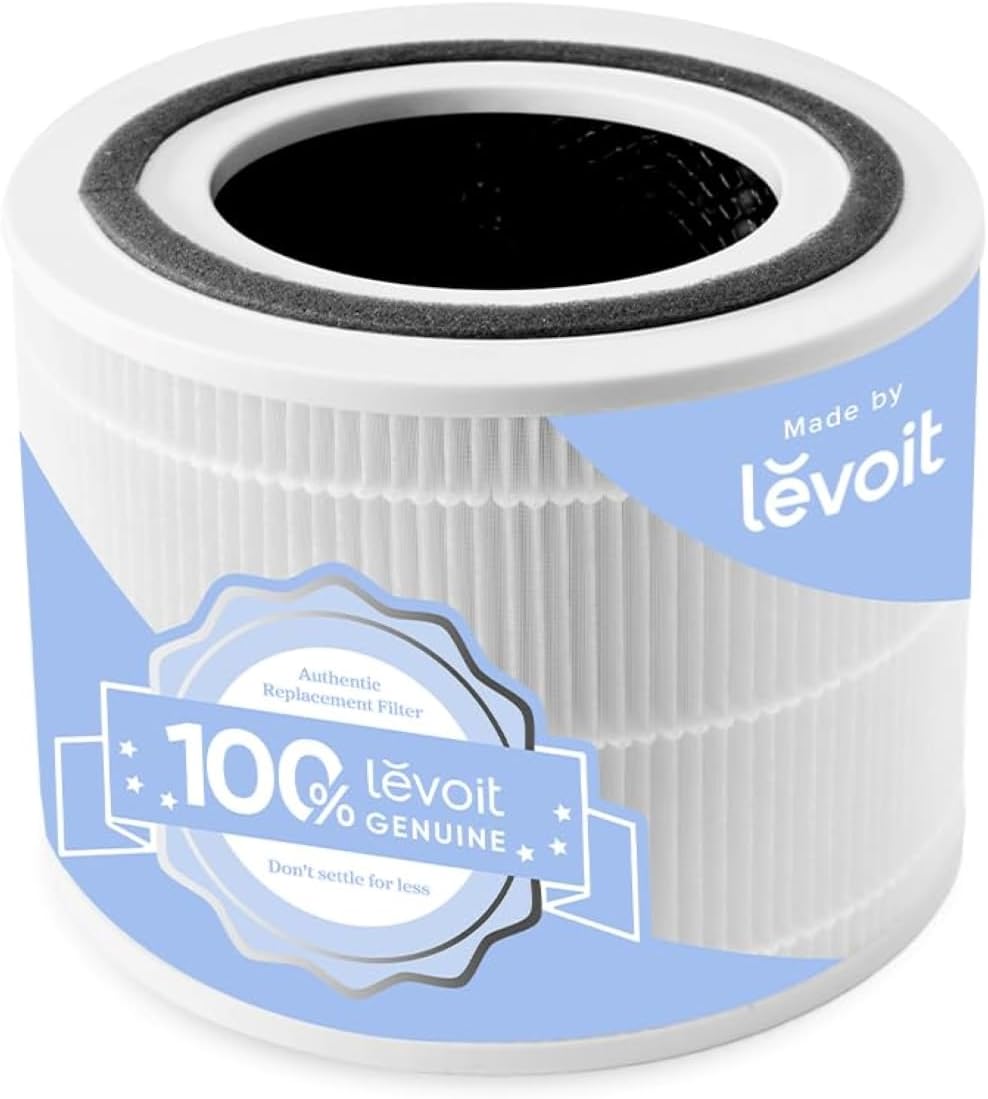
HEPA (High Efficiency Particulate Air) filters are the gold standard when it comes to trapping tiny particles like pollen, pet dander, and smoke. They typically have a high dust holding capacity because they capture very fine particles efficiently. However, they can be more expensive to replace.
Activated Carbon Filters
Activated carbon filters specialize in absorbing odors, gases, and chemical vapors. They usually have a moderate dust holding capacity as they’re designed more for gas absorption than dust trapping. Often, these filters are combined with HEPA filters for comprehensive cleaning.
Pre-Filters
Pre-filters catch larger particles such as dust and hair before they reach the main filter. They have a high dust holding capacity because they trap the bulk of the dirt. Using a pre-filter can extend the life of your HEPA or carbon filters by preventing them from clogging quickly.
Choosing Filters Based on Your Needs
If you live in a dusty area or have pets, consider air purifiers with strong pre-filters and HEPA filters that have high dust holding capacity. This setup will trap more particles before the main filter needs attention, saving you time and money.
Benefits of High Dust Holding Capacity in Air Purifier Filters
Longer Filter Life and Cost Savings
Filters with larger dust holding capacity simply last longer. You won’t need to replace or clean them as often, which reduces your ongoing costs. Less frequent changes also mean less hassle and waste, making it an eco-friendly choice.
Consistent Airflow and Better Performance
When a filter fills with dust, airflow slows down. This forces your air purifier to work harder, which can increase electricity usage and noise levels. Filters with high dust holding capacity maintain steady airflow, keeping your air purifier quiet and efficient.
Improved Indoor Air Quality
With a high-capacity filter, your air purifier can continuously trap dust, allergens, and other pollutants without losing effectiveness. This means cleaner air for your lungs, fewer allergy symptoms, and a healthier home overall.
Reduced Maintenance Effort
Less frequent filter replacements mean you spend less time on upkeep. Many air purifiers alert you when filters need attention, but choosing a filter with high dust holding capacity means those alerts come less often, leaving you more time to enjoy fresh air.
How to Maximize Your Air Purifier’s Dust Holding Capacity
Regular Cleaning and Vacuuming
Keep your home dust levels low by vacuuming regularly and wiping surfaces. This reduces the amount of dust your filter has to trap, helping it last longer. Using a vacuum with a HEPA filter is especially effective.
Use Pre-Filters Effectively
If your air purifier has a removable pre-filter, clean or replace it as recommended. Pre-filters catch large particles first, so the main filter doesn’t clog too quickly. This simple step can dramatically extend your filter’s dust holding capacity.
Choose the Right Air Purifier for Your Space
Consider the size of your room and the pollution levels. Bigger rooms or heavily polluted environments need filters with higher dust holding capacity to keep up. Many manufacturers provide specs about filter capacity—don’t hesitate to ask before buying.
Monitor and Replace Filters on Time
Even the best filters get full eventually. Follow the manufacturer’s replacement schedule and watch for signs like reduced airflow or strange odors. Timely replacement keeps your air purifier working at peak performance.
Keep Ventilation in Mind
Good ventilation reduces indoor pollutant buildup. Combine air purifier use with open windows or exhaust fans when possible to lower dust accumulation and extend filter life.
Common Misconceptions About Air Purifier Filters
More Expensive Filters Always Have Higher Dust Capacity
While price can indicate quality, it doesn’t always mean better dust holding capacity. Some filters are designed for specific pollutants rather than longevity. Always check the specs rather than assuming.
All Filters Are the Same
Filters vary widely in materials and design. HEPA filters excel at tiny particles, while carbon filters target gases and odors. Combining filter types often gives the best results.
Filters Last Forever
Filters have a lifespan. Even with high dust holding capacity, they need replacement. Neglecting this leads to reduced air quality and potential damage to your purifier.
Practical Tips for Choosing and Maintaining Your Air Purifier Filters
Check Filter Specifications Before Buying
Look for dust holding capacity ratings and filter types that suit your environment. If you have pets, allergies, or live in a dusty area, prioritize filters designed for those conditions.
Consider Filter Availability and Cost
Some filters are pricey or hard to find. Choose brands with widely available replacements to avoid downtime and high costs.
Combine Filters for Best Results
Use a pre-filter with HEPA and carbon filters to trap a wide range of pollutants and extend filter life. This layered approach maximizes dust holding capacity and air quality.
Follow Manufacturer Guidelines
Always follow cleaning and replacement instructions. Some filters are washable, while others are disposable. Proper care ensures your air purifier stays effective.
Regularly Monitor Indoor Air Quality
Use air quality monitors or pay attention to symptoms like sneezing or odors. This helps you know when your filter might need attention.
Conclusion: Breathe Easier by Understanding Dust Holding Capacity
Air purifier filter dust holding capacity might not be a term you hear every day, but it’s a powerful factor in keeping your home’s air clean and fresh. A filter with high dust holding capacity traps more pollutants, lasts longer, and helps your air purifier run efficiently. That means better air quality, less maintenance, and more peace of mind.
By choosing the right filters, using pre-filters wisely, and maintaining your purifier regularly, you can enjoy the full benefits of cleaner air. Remember, a smart choice in filters today means healthier, happier breathing tomorrow.
For more tips on home appliances and making smart purchases, check out our guides on the best air fryer large capacity and learn about are air fryers worth it. Understanding capacity and efficiency can help you in many areas of home care.
🎥 Related Video: 1 Week with Philips Air Purifier — Did Our Sleep Improve?
📺 Shubz Gadget Reviews
Frequently Asked Questions
What does dust holding capacity mean in an air purifier filter?
Dust holding capacity refers to how much dust and particles a filter can trap before it becomes full and needs to be replaced or cleaned. It impacts how long the filter lasts and how well the purifier performs.
Why is dust holding capacity important for air purifiers?
A higher dust holding capacity means the filter can hold more dirt, reducing the frequency of replacements and maintaining better airflow. This leads to more efficient air cleaning and lower maintenance costs.
How often should I replace my air purifier filter?
Replacement frequency depends on the filter type, dust holding capacity, and your indoor environment. Typically, HEPA filters last 6 to 12 months, but heavy dust or pollution may require more frequent changes.
Can I clean and reuse air purifier filters to extend dust holding capacity?
Some filters, like pre-filters, are washable and reusable, which helps extend the life of the main filter. However, most HEPA and activated carbon filters need to be replaced, not cleaned, to maintain effectiveness.
Does a higher dust holding capacity mean a filter is better?
Not always. While a higher dust holding capacity can mean longer life, it’s important to consider the filter’s ability to trap the specific pollutants you want to remove. Combining filter types often provides the best results.
How can I reduce the dust load to increase my filter’s dust holding capacity?
Regular cleaning of your home, using a vacuum with a HEPA filter, and improving ventilation reduces dust accumulation. This means your filter can work more efficiently and last longer before needing replacement.