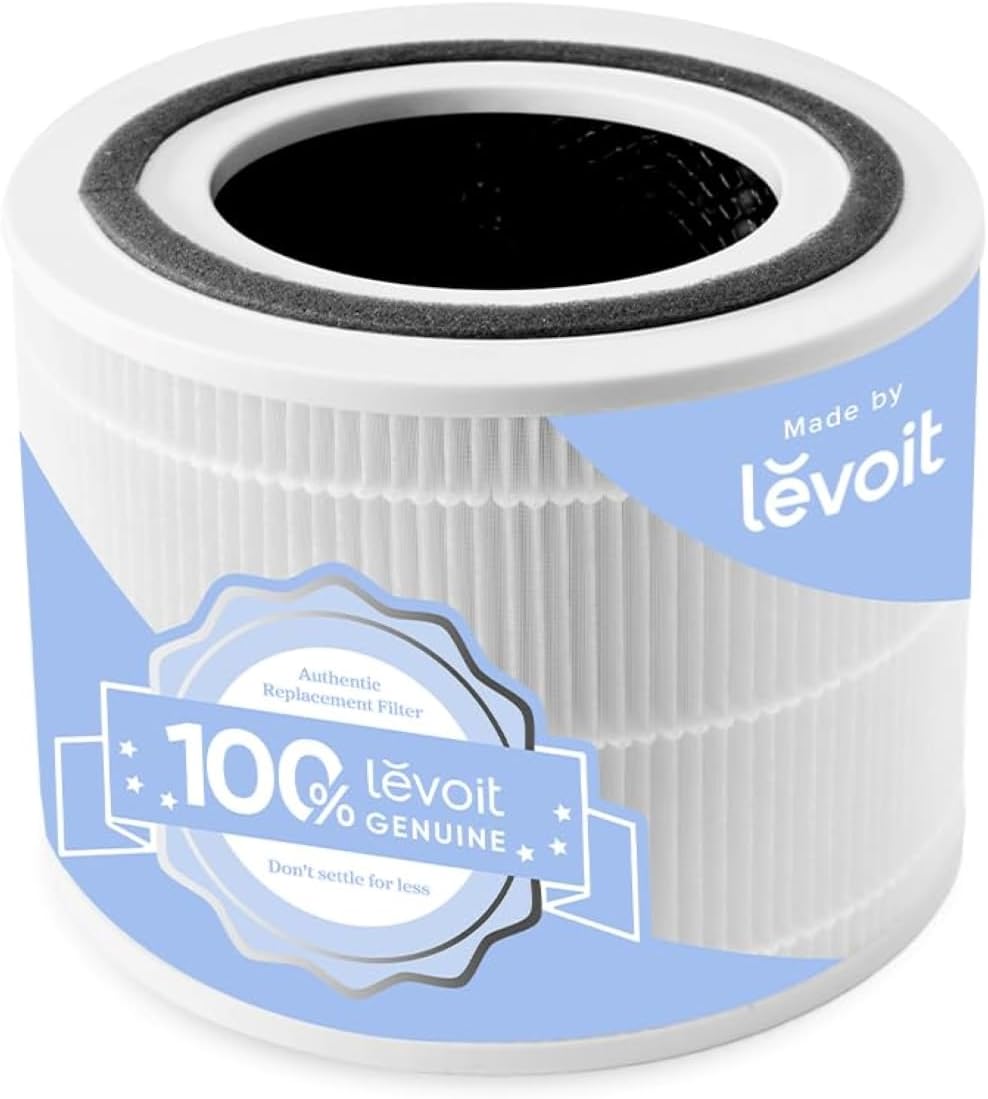
Air Purifier Asbestos: Essential Protection Against Danger

An air purifier can be a vital tool in mitigating the risks associated with asbestos fibers, offering a layer of protection by capturing these dangerous airborne particles. Understanding how they work and their limitations is crucial for safeguarding your home and health against asbestos exposure.
The thought of asbestos in your home can be incredibly unsettling. These microscopic fibers, once a common building material, can become airborne and pose serious health risks when disturbed. While removing asbestos is a professional job, you might be wondering if an air purifier can offer some immediate help. I’m here to guide you through how air purifiers can contribute to your safety against asbestos and what you need to know. We’ll explore the effectiveness, limitations, and best practices for using air purifiers when asbestos is a concern.
What is Asbestos and Why is it Dangerous?
Asbestos is a naturally occurring mineral that was widely used in building materials for its heat resistance and durability. Unfortunately, when asbestos-containing materials are damaged or disturbed, they release microscopic fibers into the air. These fibers are incredibly dangerous because they can be inhaled deep into the lungs. Once inhaled, they can cause severe and often fatal diseases like mesothelioma, lung cancer, and asbestosis.
This danger is amplified because asbestos fibers are so small and lightweight, allowing them to remain airborne for extended periods. Their insidious nature means that exposure can occur without any visible signs of contamination, making proactive protection essential. Understanding the risks associated with these fibers underscores the importance of taking every possible measure to prevent their release and spread.
Can an Air Purifier Actually Remove Asbestos Fibers?
Yes, a high-quality air purifier with the right filtration system can capture airborne asbestos fibers. The key lies in the filter’s efficiency in trapping very small particles. HEPA (High-Efficiency Particulate Air) filters are designed to capture at least 99.97% of airborne particles 0.3 microns in size. Since asbestos fibers are typically within this size range, a HEPA filter is crucial for effective asbestos fiber capture.
However, it’s vital to remember that an air purifier is a supplementary tool, not a standalone solution for asbestos contamination. It helps reduce airborne fibers but cannot remove asbestos from building materials or eliminate the source of the danger. Therefore, its role is primarily in managing existing airborne particles and preventing further spread after a disturbance.
Understanding HEPA Filters: The Backbone of Asbestos Air Purification
HEPA filters are the gold standard for capturing microscopic airborne contaminants, including asbestos fibers. These filters are constructed from a dense mat of randomly arranged fibers, creating a complex maze that traps particles. The fibers use a combination of impaction, interception, and diffusion to capture particles of varying sizes.
For effective asbestos mitigation, ensure your air purifier explicitly states it uses a true HEPA filter. Avoid “HEPA-type” or “HEPA-like” filters, as these do not meet the stringent HEPA standards and may not effectively capture asbestos fibers. The efficiency of a HEPA filter is paramount when dealing with such hazardous microscopic particles.
Air Purifier Asbestos: Key Features to Look For
When selecting an air purifier for potential asbestos concerns, prioritize specific features that enhance its effectiveness. A robust pre-filter is essential for capturing larger particles, prolonging the life of the main HEPA filter. Look for air purifiers with a high CADR (Clean Air Delivery Rate) suitable for the room size, ensuring efficient air circulation.
Consider models with activated carbon filters, which can help remove associated odors or volatile organic compounds (VOCs) that might be present alongside asbestos. Multi-stage filtration systems offer the best protection by tackling different types of airborne contaminants, including asbestos. Always verify the HEPA filter’s certification to ensure it meets the 99.97% capture standard for particles as small as 0.3 microns.
How to Effectively Use an Air Purifier in an Asbestos Environment
Proper placement and operation are crucial for maximizing an air purifier’s effectiveness against asbestos fibers. Position the unit in the room where disturbance is occurring or where fibers might be present, away from walls and furniture to allow for optimal airflow. Run the air purifier continuously on a higher setting during and after any activity that could disturb asbestos materials.
Regular maintenance, including cleaning the pre-filter and replacing the HEPA filter according to the manufacturer’s recommendations, is non-negotiable. Clogged filters become less effective and can even become a source of secondary contamination. Consistent use and diligent maintenance are key to leveraging an air purifier’s protective capabilities.
Limitations of Air Purifiers in Asbestos Abatement
It’s crucial to understand that an air purifier is not a substitute for professional asbestos testing and abatement. Air purifiers cannot remove asbestos from building materials like insulation, flooring, or ceiling tiles. They also cannot address asbestos that has settled on surfaces or within fabrics.
The effectiveness of an air purifier is limited to capturing airborne fibers. If asbestos materials are intact and undisturbed, they pose minimal risk. The danger arises when these materials are damaged, releasing fibers that the purifier can then capture. Therefore, air purifiers are best used as a complementary measure in specific scenarios, not as a primary solution.
When to Call a Professional for Asbestos Concerns
If you suspect asbestos is present in your home, the first and most critical step is to contact a certified asbestos professional. They have the expertise and equipment to safely identify, test, and remove asbestos-containing materials. Signs of potential asbestos include aging insulation, textured paints, and certain types of flooring or roofing.
Do not attempt to test for asbestos yourself or disturb suspected materials. Professional testing involves taking samples and sending them to an accredited laboratory for analysis. If asbestos is confirmed, professionals will develop a safe removal or encapsulation plan tailored to your specific situation.
Air Purifier Asbestos: A Complementary Protective Measure
An air purifier can offer a valuable layer of protection when dealing with potential asbestos fiber release, but it’s essential to view it as a complementary tool. By effectively capturing airborne particles, it helps reduce inhalation risks, especially after minor disturbances. When used in conjunction with professional advice and safe practices, an air purifier contributes to a healthier indoor environment.
This approach ensures that while you are addressing the source of potential asbestos hazards with professional help, you are also actively managing the immediate airborne threat. It’s a multi-faceted strategy for comprehensive home safety.
Choosing the Right Air Purifier for Asbestos Protection
When selecting an air purifier specifically for its ability to handle asbestos fibers, prioritize models that feature true HEPA filtration and a high Clean Air Delivery Rate (CADR). The unit should be sized appropriately for the room it will be used in, ensuring efficient air changes per hour. A robust pre-filter is also beneficial for capturing larger particles and extending the HEPA filter’s lifespan.
Look for air purifiers from reputable brands known for their filtration technology and build quality. Checking independent reviews and certifications can provide further assurance of a unit’s performance in capturing fine particulate matter. The following table outlines key considerations:
| Feature | Importance for Asbestos | Explanation |
| :————— | :———————- | :————————————————————————————————————————————— |
| True HEPA Filter | Essential | Captures 99.97% of particles 0.3 microns in size, which includes most asbestos fibers. |
| CADR | High | Ensures the air purifier can process the air in a room quickly and efficiently, reducing airborne fiber concentration. |
| Pre-filter | Important | Captures larger dust and debris, preventing them from clogging the HEPA filter and extending its effective life. |
| Activated Carbon | Beneficial | Can help remove odors and VOCs that might be associated with the disturbed materials, though not directly effective against asbestos fibers. |
| Build Quality | High | A well-built unit ensures consistent performance and durability, crucial for long-term protection. |
Investing in a quality air purifier with these features provides a tangible benefit in managing airborne asbestos hazards. This proactive measure supports your overall safety strategy.
Maintaining Your Air Purifier for Optimal Asbestos Defense
Consistent maintenance is absolutely critical for an air purifier to remain effective against asbestos fibers. The HEPA filter needs regular replacement as per the manufacturer’s guidelines, typically every 6-12 months, depending on usage and air quality. A saturated HEPA filter will lose its efficiency and can even become a hazard itself.
The pre-filter should be cleaned more frequently, often weekly or bi-weekly, to remove larger dust particles. This simple step significantly extends the life and performance of the main HEPA filter. Always follow the manufacturer’s instructions for cleaning and filter replacement to ensure your air purifier continues to provide the best possible protection.
What About Other Air Purification Technologies?
While HEPA filters are the most recommended for asbestos, some air purifiers use other technologies like activated carbon, UV-C light, or ionizers. Activated carbon filters are excellent for removing odors and gases but are not effective against solid asbestos fibers. UV-C light can kill microorganisms but doesn’t physically remove particles.
Ionizers can cause ozone production, which is a lung irritant and counterproductive when trying to improve air quality. For asbestos fiber capture, a mechanical filtration method like a HEPA filter is the most reliable and safest choice. Focusing on HEPA filtration ensures you are directly addressing the primary concern.
Frequently Asked Questions About Air Purifiers and Asbestos
Can an air purifier eliminate asbestos from my home?
No, an air purifier cannot eliminate asbestos from your home. It can only capture airborne asbestos fibers, not remove them from building materials.
Is a HEPA filter truly effective against asbestos fibers?
Yes, a true HEPA filter is designed to capture 99.97% of particles 0.3 microns in size, which is sufficient to trap most airborne asbestos fibers.
How often should I run my air purifier if I suspect asbestos?
If you suspect asbestos or have had a disturbance, run your air purifier continuously on a high setting, especially during and after the activity.
Can I clean an asbestos-contaminated air purifier myself?
It is not recommended to clean a contaminated air purifier yourself. If it has been exposed to significant asbestos fibers, it may need professional cleaning or disposal.
What is the difference between a HEPA filter and a HEPA-type filter?
A true HEPA filter meets strict standards for particle capture (99.97% at 0.3 microns), while a HEPA-type or HEPA-like filter does not meet these requirements and may be less effective.
Should I use an air purifier if asbestos has been professionally removed?
Yes, running an air purifier with a HEPA filter after professional asbestos removal can help capture any residual airborne fibers and ensure better air quality during the post-abatement period.
What are the health risks of inhaling asbestos fibers?
Inhaling asbestos fibers can lead to serious lung diseases such as asbestosis, lung cancer, and mesothelioma, which can be fatal.
Conclusion: Prioritizing Safety with Air Purifier Asbestos Solutions
Dealing with the potential presence of asbestos in your home demands a cautious and informed approach. While an air purifier cannot solve the problem of asbestos-containing materials, it plays a crucial supporting role in managing the immediate risk of airborne fiber exposure. By selecting an air purifier with a true HEPA filter and maintaining it diligently, you can significantly reduce the number of dangerous fibers circulating in your air.
Remember, the most critical step when you suspect asbestos is to consult with certified professionals for testing and abatement. Use an air purifier as a complementary tool in your overall safety strategy, ensuring you are taking every possible measure to protect your health and your home from the dangers of asbestos.