Air Purifier and White Noise Machine: Essential Sleep Solution

Discover how an air purifier and white noise machine can revolutionize your sleep, creating a tranquil sanctuary free from allergens and disruptive sounds for deeper, more restorative rest.
Are you tired of restless nights, tossing and turning, and waking up feeling groggy? Many of us struggle with sleep, often due to environmental factors we might not even realize are at play. From allergens that trigger sniffles to unexpected noises that jolt us awake, a peaceful night’s sleep can feel like a distant dream. But what if a simple combination of devices could transform your bedroom into a haven of tranquility? This article will guide you through how an air purifier and white noise machine work together to create the ultimate sleep solution.
The Unseen Sleep Saboteurs: Air Quality and Noise Pollution
Poor sleep quality is a widespread issue, impacting millions globally. Often, the culprits are invisible or auditory disturbances that subtly disrupt our sleep cycles. Allergens like dust mites, pollen, and pet dander can cause congestion and discomfort, leading to interrupted breathing and wakefulness. Similarly, sudden noises from traffic, neighbors, or even internal household sounds can prevent us from reaching deep, restorative sleep stages. Addressing these common sleep saboteurs is the first step towards a better night’s rest.
How Poor Air Quality Affects Your Sleep

Breathing in stale or allergen-filled air can significantly hinder sleep. When your respiratory system is irritated, it can lead to coughing, sneezing, and difficulty breathing, all of which are disruptive. Even mild congestion can reduce oxygen intake, making it harder to stay asleep. Creating a cleaner breathing environment is crucial for uninterrupted slumber.
The Impact of Noise on Sleep Cycles
Noise pollution is a major contributor to sleep disturbances. Even if you don’t fully wake up, noises can cause micro-arousals, preventing your brain from cycling through the necessary stages of sleep. This can leave you feeling fatigued, even after spending enough time in bed. Consistent, soothing soundscapes can effectively mask these disruptive noises.
The Dual Power Duo: Air Purifier and White Noise Machine Explained
Combining an air purifier and white noise machine offers a comprehensive approach to improving your sleep environment. One tackles the invisible irritants in your air, while the other creates a consistent, calming auditory backdrop. Together, they form a powerful synergy for deeper, more peaceful sleep.
What is an Air Purifier and How Does it Work?
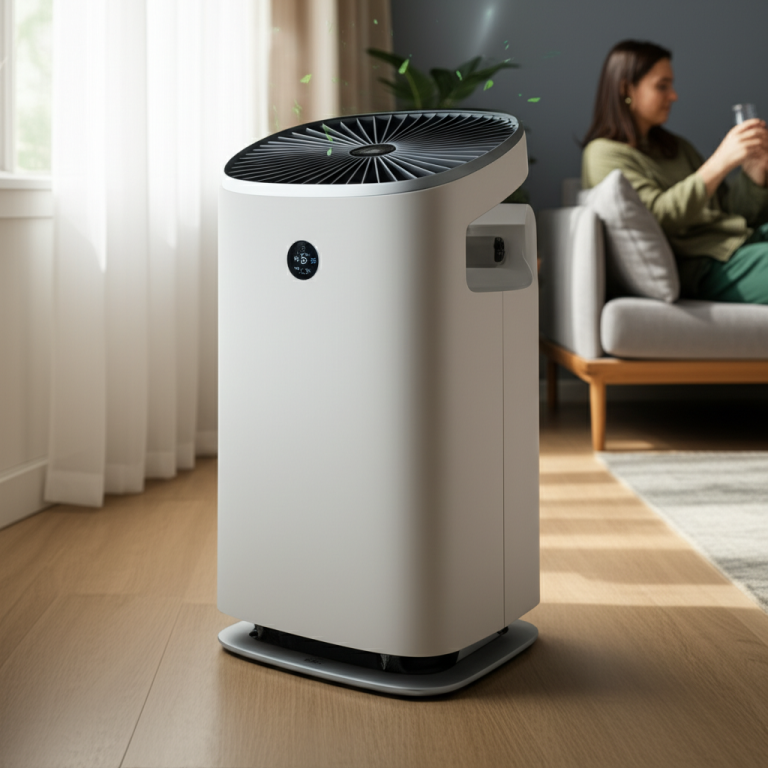
An air purifier is a device designed to remove contaminants from the air in a room. They typically use filters, such as HEPA filters, to trap airborne particles like dust, pollen, mold spores, and pet dander. Some models also incorporate activated carbon filters to absorb odors and volatile organic compounds (VOCs). This process results in cleaner, fresher air for you to breathe throughout the night.
What is a White Noise Machine and How Does it Work?
A white noise machine produces a consistent, steady sound across all audible frequencies. This broad spectrum of sound effectively masks other, more disruptive noises, creating a calming auditory environment. Think of it like an audio blanket that smooths out the soundscape, making it harder for sudden noises to break your sleep.
The Synergy: Why They Work Better Together
The magic of the air purifier and white noise machine combination lies in their complementary functions. While the air purifier cleanses your breathing space, the white noise machine creates a serene atmosphere. This dual action tackles both physical and auditory disruptions, leading to a significantly improved sleep experience.
Enhancing Respiratory Comfort for Uninterrupted Sleep
By removing allergens and irritants, an air purifier allows your respiratory system to relax. This means less congestion, fewer sneezes, and easier breathing throughout the night. When your body isn’t fighting off allergens, it can focus on achieving deep, restorative sleep.
Masking Disruptive Sounds for Deeper Sleep Stages
The consistent sound from a white noise machine acts as a barrier against jarring noises. This allows you to stay in deeper sleep stages for longer periods. Avoiding these micro-arousals is key to waking up feeling truly refreshed and revitalized.
Choosing the Right Air Purifier for Your Bedroom
Selecting the ideal air purifier involves considering several factors to ensure it meets your specific needs. Key features to look for include filter type, room coverage, and noise level. Making an informed choice will help you maximize the benefits for your sleep.
Understanding HEPA Filters and Their Importance
High-Efficiency Particulate Air (HEPA) filters are the gold standard for air purification. They are certified to capture at least 99.97% of airborne particles 0.3 microns in size. For allergy sufferers or those sensitive to dust, a HEPA filter is non-negotiable for cleaner bedroom air.
Room Size and CADR Ratings: Finding the Perfect Fit
Air purifiers are rated for the size of the room they can effectively clean, often indicated by their Clean Air Delivery Rate (CADR). Ensure the purifier’s CADR is appropriate for your bedroom’s square footage to guarantee optimal performance. A unit that’s too small won’t be effective, while one that’s too large might be unnecessarily noisy or energy-consuming.
Noise Levels: Finding a Quiet Companion
While white noise machines are designed for sound, air purifiers can also contribute to the ambient noise. Look for models with low decibel (dB) ratings on their lower settings, ensuring they don’t overpower your white noise machine or create a distracting hum. Many purifiers offer a “sleep mode” for quieter operation.
Selecting the Best White Noise Machine for Your Sleep Sanctuary
The world of white noise machines offers a variety of options, from simple sound generators to sophisticated devices with multiple soundscapes. Choosing the right one depends on your personal preferences and the types of noises you need to mask.
Types of Sound Machines: White Noise, Pink Noise, and Brown Noise
While “white noise” is common, other sound profiles exist. Pink noise has a deeper, more balanced sound, often described as more soothing than white noise. Brown noise is even deeper, resembling the rumble of thunder. Experimenting with these different sound types can help you find what works best for you.
Features to Consider: Sound Options, Timers, and Portability
Look for machines that offer a variety of sounds if you’re unsure about pure white noise. Timers are useful for setting the machine to turn off after a certain period. Portability can be a bonus if you travel frequently and want to maintain your sleep routine.
The Benefit of Natural Sounds vs. Pure Tones
Some machines offer natural sounds like rain or ocean waves alongside pure tones. While these can be relaxing, they can sometimes contain frequencies that are more disruptive than consistent white noise. Pure, steady tones are generally more effective for masking a wide range of noises.
Integrating the Air Purifier and White Noise Machine into Your Routine
The true power of this sleep solution comes from consistent use. Integrating both devices seamlessly into your nightly routine makes them an effortless part of achieving better sleep. Here’s a simple approach to get started.
Step-by-Step Setup for Optimal Sleep
1. Placement: Position your air purifier in a corner of the room where it has good airflow, ideally away from direct drafts. Place your white noise machine on your nightstand or a nearby surface for easy access to controls.
2. Settings: Choose a low to medium fan speed for your air purifier, especially if it has a sleep mode. Select your preferred sound on the white noise machine and set a comfortable volume.
3. Timer Functionality: Utilize the timer on your white noise machine, if available, to have it run for your desired duration, such as 8 hours or until your usual wake-up time.
4. Consistent Use: Make it a habit to turn on both devices every night. Consistency is key to training your body and mind to associate these sounds and clean air with sleep.
Creating a Pre-Sleep Ritual
Make turning on your air purifier and white noise machine part of your wind-down routine. This signals to your brain that it’s time to relax and prepare for sleep. Combine it with other calming activities like reading or gentle stretching.
Real-World Benefits: Testimonials and Case Studies
The effectiveness of the air purifier and white noise machine combination isn’t just theoretical; it’s backed by countless positive experiences. Many users report significant improvements in sleep quality and daytime alertness.
Allergy Sufferers’ Relief
“As a lifelong allergy sufferer, my nights were a constant battle with congestion and itchy eyes. Since using an air purifier with a HEPA filter and a white noise machine, I finally have uninterrupted sleep. I wake up feeling truly rested for the first time in years.” – Sarah K.
Light Sleepers Find Peace
“I’m a notoriously light sleeper, and any little noise would wake me up. The white noise machine drowns out everything from the refrigerator humming to the dog barking next door. Combined with the clean air from my purifier, my bedroom is now a true sanctuary.” – Mark T.
Potential Downsides and How to Mitigate Them
While incredibly beneficial, it’s important to be aware of potential minor drawbacks and how to address them. With a little planning, these can be easily managed.
Cost of Devices and Maintenance
Initial investment in both an air purifier and a white noise machine can be a consideration. Additionally, air purifiers require filter replacements, adding an ongoing cost. To mitigate this, look for energy-efficient models and compare filter replacement costs across brands. Many brands, like Blueair and Coway, offer subscription services for filters that can sometimes offer savings.
Learning Curve and Personal Preference
Finding the perfect sound and volume for your white noise machine may take some experimentation. Similarly, determining the optimal air purifier settings for your room can require a few nights of adjustment. Be patient with the process; what works best is highly personal.
Over-Reliance on Devices
Some individuals may worry about becoming too reliant on these devices for sleep. However, the goal is to create an optimal sleep environment that facilitates sleep, rather than being a crutch. When used correctly, they help train your body to sleep better naturally.
Top Air Purifier and White Noise Machine Brands and Models
When investing in your sleep, choosing reputable brands known for quality and performance is crucial. Here are a few highly-regarded options to consider:
| Product Type | Recommended Brands/Models | Key Features |
| :—————— | :————————————————————– | :—————————————————————————————————————————————— |
| Air Purifier | Coway Airmega 200M, Blueair Blue Pure 211+ Auto, Levoit Core 300S | True HEPA filtration, CADR suitable for medium to large rooms, quiet operation, smart features (app control). |
| White Noise Machine | Hatch Restore, LectroFan EVO, Sound+Sleep Mini | Multiple sound options (including natural sounds), adjustable volume, timer functions, sleep aids (light therapy for Hatch Restore). |
Note: Specific model recommendations may change; always check current reviews and specifications.
Frequently Asked Questions About Air Purifiers and White Noise Machines
Q1: Can I use an air purifier and a white noise machine at the same time?
Yes, absolutely! Using them together is highly recommended as they address different aspects of your sleep environment, creating a more comprehensive solution for better rest.
Q2: How loud should my white noise machine be?
The ideal volume is subjective, but it should be loud enough to mask disruptive noises without being so loud that it becomes a distraction itself. Aim for a comfortable, ambient sound level.
Q3: How often do I need to replace air purifier filters?
This varies by model and usage, but most HEPA filters need replacement every 6-12 months. Check your air purifier’s manual for specific recommendations and consider using air quality monitors to gauge filter life.
Q4: Will an air purifier help with snoring?
While an air purifier won’t cure snoring directly, it can help alleviate snoring caused by nasal congestion due to allergies or poor air quality, potentially leading to quieter sleep.
Q5: Can I just use a fan instead of a white noise machine?
A fan can provide some white noise, but dedicated white noise machines often offer more consistent sound profiles, a wider range of options, and better sound quality for masking specific noises. They also don’t produce drafts.
Conclusion: Invest in Your Sleep with the Air Purifier and White Noise Machine Duo
Transforming your bedroom into a sanctuary of clean air and soothing sounds is achievable. By integrating an air purifier and white noise machine, you’re investing in your health and well-being. This dynamic duo tackles the common disruptors of sleep – airborne irritants and unwanted noises – paving the way for deeper, more restorative rest. Embrace this essential sleep solution and wake up feeling energized, focused, and ready to embrace each day.