
Affordable Air Purifier Reviews: Essential Guide

Discover top affordable air purifier reviews to breathe cleaner air without breaking the bank. This guide breaks down essential features, top picks, and buying tips for budget-friendly models, ensuring you make an informed choice for a healthier home environment.
Everyone wants to breathe easy, but the cost of air purifiers can be a major hurdle. It’s frustrating when you know your home’s air quality could be better, but the price tags seem out of reach. You might be dealing with allergies, pet dander, or just general stuffiness. The good news is, you don’t need to spend a fortune to improve your indoor air. I’m here to help you navigate the world of budget-friendly air purifiers. We’ll explore what makes a great affordable option and I’ll share some of the best models available.
Why You Need an Affordable Air Purifier
An affordable air purifier is a smart investment for anyone concerned about indoor air quality. These devices can significantly reduce common airborne pollutants like dust, pollen, pet dander, mold spores, and even some odors. For allergy sufferers, a good air purifier can mean fewer sneezes and a more comfortable living space. Even if you don’t have specific health concerns, cleaner air contributes to overall well-being and can lead to better sleep and reduced headaches.
Common Indoor Air Pollutants and Their Effects
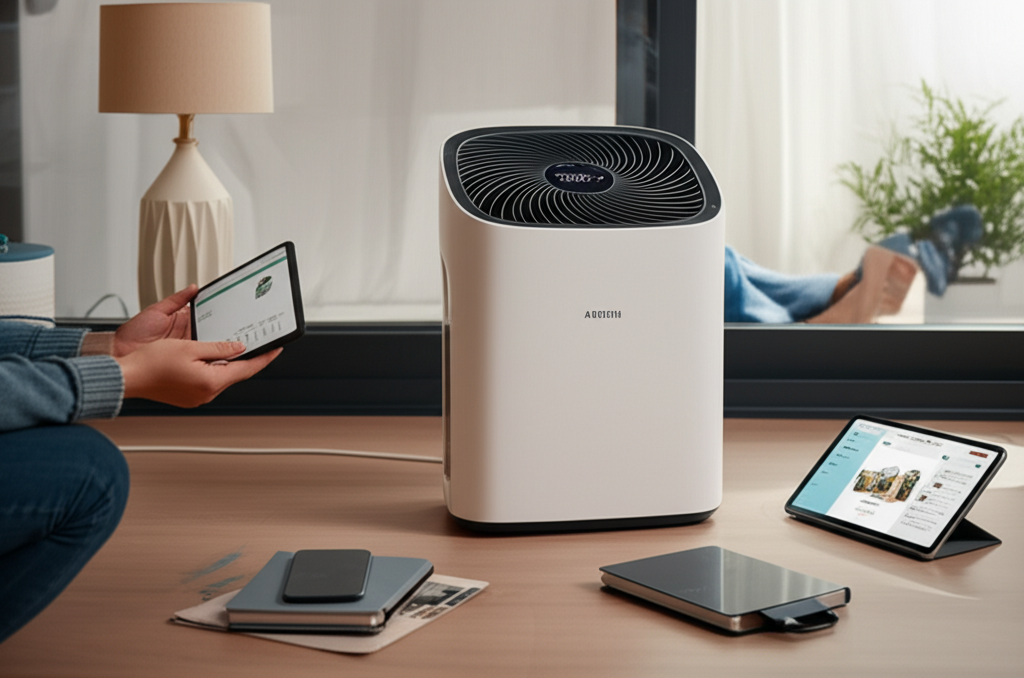
Indoor air can be surprisingly polluted, often more so than outdoor air. Common culprits include volatile organic compounds (VOCs) from cleaning products and furniture, dust mites, bacteria, and viruses. Prolonged exposure to these can trigger or worsen allergies and asthma, cause respiratory irritation, and contribute to fatigue. Understanding these pollutants helps you appreciate the value of an air purifier.
Key Features to Look for in Affordable Air Purifiers
When searching for affordable air purifier reviews, focus on core functionalities that deliver the most impact. Don’t get swayed by unnecessary bells and whistles. Prioritize effective filtration, appropriate room coverage, and ease of maintenance. These elements are crucial for ensuring the purifier actually works well in your space.
HEPA Filtration: The Gold Standard
True HEPA (High-Efficiency Particulate Air) filters are essential for capturing tiny particles. They are certified to remove at least 99.97% of airborne particles 0.3 microns in size. This includes common allergens like pollen, pet dander, and dust mites. Look for the “True HEPA” label to ensure you’re getting genuine filtration power.
Activated Carbon Filters for Odors and Gases
Beyond particles, many affordable air purifiers include activated carbon filters. These are excellent at adsorbing odors from cooking, pets, and smoke. They also help capture VOCs and other gases that can off-gas from household items. A combination HEPA and activated carbon filter offers comprehensive air cleaning.
CADR Ratings: Understanding Air Cleaning Power
CADR stands for Clean Air Delivery Rate, and it’s a key metric for comparing air purifiers. It measures how quickly a purifier can clean a room of smoke, dust, and pollen. Higher CADR ratings mean faster purification. Aim for a CADR rating that is appropriate for the size of the room where you plan to use the purifier.
Room Size and Coverage (ACH)
Check the manufacturer’s recommended room size for the air purifier. This is usually listed in square feet. Also, consider the Air Changes per Hour (ACH), which indicates how many times the purifier can clean the entire volume of air in a room within an hour. For most households, 4-5 ACH is a good target for effective air cleaning.
Top Affordable Air Purifier Reviews: Our Picks
After extensive research and considering user feedback, here are some of the best affordable air purifiers that offer great value. These models balance price, performance, and essential features. They are designed to tackle common indoor air issues without straining your budget.
Levoit Core 300: A Popular Budget Choice
The Levoit Core 300 is consistently praised in affordable air purifier reviews for its performance and value. It features a three-stage filtration system, including a True HEPA filter, making it effective against allergens and dust. Its compact design fits well in most rooms, and it operates relatively quietly, especially on lower settings.
Pros: Affordable price, True HEPA filter, quiet operation, compact size, no UV-C light (which can produce ozone).
Cons: Filter replacement costs can add up over time, best for small to medium rooms.
Coway AP-1512HH Mighty: Excellent Value for Money
While slightly higher in price than some entry-level models, the Coway AP-1512HH Mighty is frequently cited as one of the best affordable air purifiers. It boasts a robust four-stage filtration system and an excellent CADR rating for its price point. Its smart sensor and auto mode are particularly appreciated for their convenience.
Pros: Strong performance, effective multi-stage filtration, auto mode with air quality sensor, energy-efficient.
Cons: Can be a bit noisier on higher settings, larger footprint than some compact models.
Winix 5500-2: A Feature-Rich Option
The Winix 5500-2 offers a compelling blend of features and performance at an accessible price. It utilizes a True HEPA filter, an activated carbon filter, and Winix’s PlasmaWave technology (which can be turned off if preferred). It’s well-suited for medium to large rooms and often comes with a washable pre-filter for added convenience.
Pros: Comprehensive filtration, effective odor control, good coverage area, auto mode, washable pre-filter.
Cons: PlasmaWave technology is a matter of personal preference (some prefer to avoid it), can be a bit bulky.
Honeywell HPA300: Powerful Performance for Larger Spaces
For those needing to clean larger rooms without a hefty price tag, the Honeywell HPA300 is a strong contender. It delivers impressive CADR ratings and effectively captures a wide range of pollutants. Its straightforward controls and reliable performance make it a popular choice among budget-conscious consumers.
Pros: High CADR for its price, effective for larger rooms, simple to operate, durable.
Cons: Can be louder than some competitors, filter replacements are a recurring cost.
Understanding Air Purifier Technology: Beyond the Basics
While HEPA and carbon filters are standard, understanding other technologies can help you make a more informed decision. Some affordable models incorporate features that enhance their cleaning capabilities or user experience. It’s worth knowing what these are to see if they align with your needs.
Ionizers and Ozone Production
Ionizers release negative ions into the air, which attach to particles, causing them to fall out of the air or stick to surfaces. While effective at particle removal, some ionizers can produce small amounts of ozone as a byproduct. Ozone can be irritating to the lungs, especially for those with respiratory conditions. If you’re sensitive, opt for models that explicitly state they are ozone-free or allow you to turn off the ionizer function. The Environmental Protection Agency (EPA) provides valuable information on indoor air quality and air cleaners.
UV-C Light for Germs
Some air purifiers include UV-C light, which is intended to kill bacteria and viruses trapped in the filter. While the concept is sound, the effectiveness of UV-C in consumer air purifiers can vary. For a UV-C light to be truly effective, the air needs to be exposed to it for a sufficient duration. In many portable units, this dwell time may be too short to significantly impact germ counts.
Maintenance and Running Costs: What to Expect
The initial purchase price is only part of the equation when considering affordable air purifiers. You also need to factor in the ongoing costs of filter replacements and electricity consumption. These recurring expenses can add up, so it’s wise to research them before buying.
Filter Replacement Schedule and Cost
Filters typically need replacement every 6 to 12 months, depending on usage and the level of pollutants in your home. Check the cost of replacement filters for any model you’re considering. Some brands offer multi-packs or subscription services that can reduce the per-filter cost. A washable pre-filter can extend the life of the main HEPA filter, saving you money.
Energy Consumption
Most modern air purifiers are designed to be energy-efficient. Look for the Energy Star certification, which indicates that a product meets strict energy efficiency guidelines set by the EPA. Even without this label, you can estimate running costs by checking the wattage of the unit and calculating based on your local electricity rates and how many hours a day you plan to run it.
Setting Up and Using Your Affordable Air Purifier
Once you’ve chosen your affordable air purifier, setting it up and using it correctly is key to maximizing its benefits. Simple steps can ensure it performs optimally and lasts longer. Proper placement and understanding the settings are crucial for effective air cleaning.
Optimal Placement in Your Home
Place your air purifier in the room where you spend the most time, such as a bedroom or living room. Ensure there’s adequate space around the unit for air intake and outflow. Avoid placing it directly against walls or furniture, as this can impede airflow and reduce its efficiency. For larger homes, consider using multiple smaller units rather than one very large one.
Understanding Control Settings
Familiarize yourself with the different fan speeds and modes. Lower speeds are generally quieter and more energy-efficient, suitable for overnight use. Higher speeds are better for quickly clearing the air after activities like cooking or when pollen counts are high. If your model has an auto mode, experiment with it to see how well it detects and responds to changes in air quality.
Comparing Affordable Air Purifiers: A Quick Look
Here’s a table summarizing some key aspects of popular affordable air purifiers to help you compare them at a glance. This can be a useful reference when making your final decision.
| Model Name | Price Range (Approx.) | Filter Type | Best For | Key Feature |
| :—————– | :——————– | :———————— | :—————– | :——————- |
| Levoit Core 300 | $80 – $100 | True HEPA, Activated Carbon | Small to Medium Rooms | Compact & Quiet |
| Coway AP-1512HH | $150 – $200 | True HEPA, Carbon, etc. | Medium to Large Rooms | Auto Mode & Sensor |
| Winix 5500-2 | $150 – $200 | True HEPA, Carbon, Plasma | Medium to Large Rooms | Washable Pre-filter |
| Honeywell HPA300 | $150 – $200 | True HEPA, Carbon | Large Rooms | High CADR |
Note: Prices are approximate and can vary based on retailer and sales.
Who Should Consider an Affordable Air Purifier?
Anyone looking to improve their indoor air quality should consider an affordable air purifier. This includes individuals and families dealing with allergies, asthma, or other respiratory sensitivities. Pet owners can significantly reduce pet dander and odors. Furthermore, people living in urban areas with higher outdoor pollution levels or those concerned about general household dust and allergens will benefit.
Common Questions About Affordable Air Purifiers
What is the most important feature in an affordable air purifier?
The most important feature is a True HEPA filter. This ensures that the purifier effectively captures tiny airborne particles like dust, pollen, and pet dander, which are common allergens.
How often do I need to replace the filters?
You typically need to replace filters every 6 to 12 months. This depends on how often you run the purifier and the air quality in your home. Always check the manufacturer’s recommendations for your specific model.
Can an affordable air purifier really make a difference for allergies?
Yes, absolutely! Affordable air purifiers with True HEPA filters are very effective at removing common allergens from the air, which can significantly reduce allergy symptoms like sneezing, itchy eyes, and congestion.
Do I need an air purifier in every room?
It’s most beneficial to have an air purifier in the room where you spend the most time, such as your bedroom or living room. For larger homes, using multiple smaller units can be more effective and cost-efficient than one large one.
Are there any downsides to using an affordable air purifier?
The main downsides are the ongoing costs of replacement filters and the electricity used to run the unit. Some models can also be noisy on higher settings.
Can an air purifier remove smoke smell?
Yes, air purifiers with a good activated carbon filter are very effective at adsorbing and removing smoke odors, as well as other household smells like cooking fumes and pet odors.
Conclusion
Finding an effective and affordable air purifier is entirely achievable with the right knowledge. By focusing on essential features like True HEPA filtration, understanding CADR ratings, and considering your room size, you can make a smart purchase. My goal with these affordable air purifier reviews is to empower you to choose a unit that provides cleaner, fresher air for your home without a significant financial strain. Investing in your indoor air quality is an investment in your health and well-being, and thankfully, it doesn’t have to cost a fortune.
