
Activated Carbon HEPA Filter For Allergies: Essential Relief

Get essential relief from allergies with an activated carbon HEPA filter. This guide explains how these powerful filters capture allergens and odors, creating a healthier indoor environment for allergy sufferers.
Living with allergies can feel like a constant battle against invisible invaders in your home. Sneezing, itchy eyes, and difficulty breathing can significantly impact your daily life. But what if there was a straightforward solution to significantly reduce these symptoms? An activated carbon HEPA filter for allergies offers powerful, dual-action relief by tackling both airborne particles and common household odors, promising a breath of fresh air.
Understanding the Dual Power: HEPA and Activated Carbon
The combination of HEPA and activated carbon in a single filter creates a formidable defense against indoor air pollutants. This synergy is key to providing comprehensive relief for allergy sufferers, addressing a wider range of irritants than either technology alone.
The HEPA Advantage: Capturing Tiny Particles
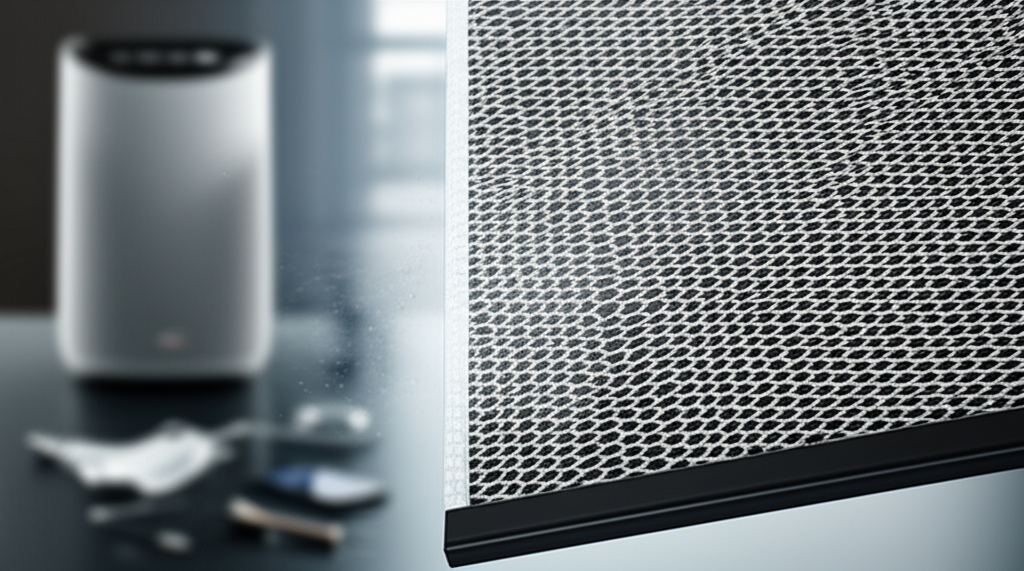
HEPA, which stands for High-Efficiency Particulate Air, is a standard for air filtration. A true HEPA filter is designed to trap at least 99.97% of airborne particles that are 0.3 microns in size. This includes common allergens like pollen, dust mites, pet dander, and mold spores. By physically trapping these microscopic irritants, HEPA filters prevent them from recirculating in your home’s air.
Activated Carbon’s Role: Absorbing Odors and VOCs
Activated carbon is a highly porous material that has been treated to increase its adsorptive properties. Its vast surface area, riddled with tiny pores, acts like a sponge, attracting and holding onto gases, odors, and volatile organic compounds (VOCs). This is crucial for allergy sufferers who might also be sensitive to smells from cooking, pets, or chemicals, often exacerbating respiratory issues.
Why Activated Carbon HEPA Filters Are Essential for Allergy Sufferers
For those struggling with seasonal or year-round allergies, an activated carbon HEPA filter for allergies is more than just an appliance; it’s a vital tool for improving indoor air quality and well-being. It directly tackles the root cause of many allergy flare-ups: airborne irritants and unpleasant odors that can trigger reactions.
Targeting Common Allergens Effectively
Your home can be a haven for allergens, from the dust bunnies under your bed to the dander shed by your beloved pets. An activated carbon HEPA filter systematically captures these microscopic troublemakers, preventing them from triggering your immune system and causing discomfort. This leads to fewer sneezes and a more comfortable living space.
Neutralizing Unpleasant Odors
Beyond allergens, our homes often harbor lingering odors from cooking, smoke, pet accidents, or even chemical off-gassing from furniture. Activated carbon excels at adsorbing these odor molecules, leaving your air smelling fresh and clean. This olfactory improvement can significantly enhance your home environment, especially for those sensitive to smells.
Reducing VOCs for a Healthier Environment
Volatile Organic Compounds (VOCs) are gases emitted from various household products, including paints, cleaning supplies, and air fresheners. Some VOCs can irritate the respiratory system and contribute to allergy-like symptoms. The activated carbon component in these filters helps to capture many of these harmful gases, promoting a healthier indoor atmosphere for everyone.
How an Activated Carbon HEPA Filter Works in Your Home
Understanding the process helps appreciate the effectiveness of these filters. Air is drawn into the air purifier, passing through multiple stages of filtration, with the combined HEPA and activated carbon layers being the most critical for allergy relief.
The Air Purification Process Explained
Typically, air first passes through a pre-filter that captures larger particles like hair and lint, extending the life of the main filters. Next, the air encounters the HEPA filter, which removes the fine particulate matter that triggers allergies. Finally, the air moves through the activated carbon layer, which adsorbs gases, odors, and VOCs before clean air is released back into the room.
Placement and Effectiveness in Different Rooms
The effectiveness of your activated carbon HEPA filter for allergies is also influenced by its placement. For maximum benefit, position your air purifier in the room where you spend the most time, such as the bedroom or living room. Ensuring adequate air circulation around the unit allows it to draw in and clean air more efficiently.
Choosing the Right Activated Carbon HEPA Filter
Not all air purifiers are created equal, and selecting the right one involves considering several factors. A good activated carbon HEPA filter for allergies should meet specific standards and be suited to your home’s needs.
Key Features to Look For
When shopping, prioritize models with a true HEPA filter and a substantial amount of activated carbon. Look for certifications like Energy Star for efficiency and AHAM Verifide for performance ratings relevant to room size. Consider the CADR (Clean Air Delivery Rate) – higher numbers mean faster air cleaning.
Understanding Filter Lifespan and Replacement
Both HEPA and activated carbon filters have a limited lifespan and require periodic replacement to maintain optimal performance. HEPA filters typically last 6-12 months, while activated carbon filters may need replacing every 3-6 months, depending on usage and air quality. Always follow the manufacturer’s recommendations for filter changes.
Beyond Allergens: Additional Benefits
While relief from allergy symptoms is the primary goal, an activated carbon HEPA filter for allergies offers a range of other advantages that contribute to a healthier living space.
Improving Overall Indoor Air Quality
By continuously removing pollutants, these filters significantly improve the overall quality of your indoor air. This creates a more pleasant and healthier environment, reducing exposure to a wide array of airborne contaminants beyond just allergens.
Reducing Pet Odors and Dander
For pet owners, activated carbon HEPA filters are invaluable. They effectively capture pet dander, a common allergen, and the activated carbon works diligently to neutralize those persistent pet odors, making your home more enjoyable for everyone, including guests.
Combating Smoke and Chemical Smells
Whether it’s from cooking, nearby wildfires, or off-gassing from new furniture, smoke and chemical smells can be overwhelming. The activated carbon component is particularly adept at adsorbing these pungent odors, ensuring your home smells fresh and is free from irritating fumes.
Maintenance and Care for Optimal Performance
To ensure your activated carbon HEPA filter for allergies continues to provide maximum relief, proper maintenance is key. This involves regular cleaning and timely filter replacements.
Regular Cleaning of Pre-Filters
Most air purifiers come with a washable pre-filter designed to catch larger particles. Cleaning this pre-filter every 2-4 weeks can significantly extend the life of your HEPA and carbon filters. Simply vacuum it or rinse it with water and allow it to dry completely before reinserting.
Timely Filter Replacement Schedule
As mentioned, filters need replacing. Adhering to the manufacturer’s recommended replacement schedule is crucial. Overused filters become less effective and can even become a source of trapped pollutants. Check your air purifier’s manual for specific guidance on filter replacement intervals and types.
When to Consider an Activated Carbon HEPA Filter
If you experience recurring allergy symptoms, notice persistent odors, or are concerned about indoor air quality, it’s time to consider an activated carbon HEPA filter for allergies. It’s an investment in your health and comfort.
Signs You Might Need One
Are you constantly sneezing indoors? Do you notice dust settling quickly after cleaning? Are cooking smells or pet odors a persistent problem? These are all strong indicators that your indoor air could benefit from the advanced filtration provided by a combined HEPA and activated carbon system.
Integrating into Your Home Hygeia Strategy
At Home Hygeia, we believe in a holistic approach to a healthy home. An activated carbon HEPA filter for allergies is a cornerstone of this strategy, working alongside other practices like regular cleaning and ventilation to create an optimal living environment. It’s a proactive step towards better respiratory health and overall well-being.
Frequently Asked Questions
Do activated carbon HEPA filters really help with allergies?
Yes, they are highly effective. The HEPA filter captures microscopic allergens like pollen and dander, while the activated carbon adsorbs odors and VOCs that can exacerbate allergy symptoms, providing significant relief.
How often do I need to replace the filters?
HEPA filters typically last 6-12 months, and activated carbon filters often need replacement every 3-6 months. This depends on the specific unit, usage, and the level of pollutants in your home.
Can these filters remove pet dander and odors?
Absolutely. The HEPA component traps pet dander, a common allergen, and the activated carbon effectively neutralizes unpleasant pet odors, making them ideal for pet owners.
Are activated carbon HEPA filters noisy?
Noise levels vary by model. Many modern air purifiers are designed to operate quietly, especially on lower fan settings. Look for decibel ratings in product specifications if noise is a concern.
Where is the best place to put an air purifier with these filters?
Place it in the room where you spend the most time, such as your bedroom or living room, to maximize the benefits for allergy relief. Ensure it has space around it for good air circulation.
What’s the difference between a HEPA filter and an activated carbon filter?
A HEPA filter physically traps tiny particles like dust, pollen, and dander. An activated carbon filter adsorbs gases, odors, and VOCs from the air.
Conclusion: Breathe Easier with Advanced Filtration
Living with allergies doesn’t have to mean constant discomfort. An activated carbon HEPA filter for allergies offers a powerful, dual-action solution to significantly improve your indoor air quality. By effectively capturing allergens and neutralizing odors, these filters provide essential relief, allowing you to breathe easier and enjoy your home more fully. Investing in a quality air purifier with this advanced filtration technology is a proactive step towards a healthier, more comfortable living environment. Prioritize your well-being and consider how an activated carbon HEPA filter for allergies can transform your home into a sanctuary.
