Activated Carbon for Tobacco Smoke: Proven Essential Solution

Activated Carbon for Tobacco Smoke: Your Proven Essential Solution
Activated carbon for tobacco smoke is a highly effective material for adsorbing harmful chemicals and reducing odor, offering a proven essential solution for a cleaner environment.
We all know that tobacco smoke carries an unpleasant odor and a host of harmful compounds. Dealing with persistent smells and the desire for cleaner air is a common concern for many. If you’re looking for a reliable way to combat these issues, you’ve come to the right place. This guide will walk you through how activated carbon works and why it’s an essential solution for tackling tobacco smoke.
Understanding the Problem: Tobacco Smoke’s Lingering Impact
Tobacco smoke isn’t just a temporary nuisance; it leaves behind a complex mixture of volatile organic compounds (VOCs) and particulate matter. These substances can cling to surfaces, permeate fabrics, and contribute to persistent odors that are difficult to eliminate. The chemical composition of smoke means that simply airing out a room often isn’t enough.
What is Activated Carbon and How Does It Work?
Activated carbon, also known as activated charcoal, is a highly porous form of carbon. Its manufacturing process creates an incredibly large internal surface area, filled with millions of tiny pores. These pores are perfectly sized to trap and hold onto gas molecules, including those found in tobacco smoke, through a process called adsorption.
The Science Behind Adsorption
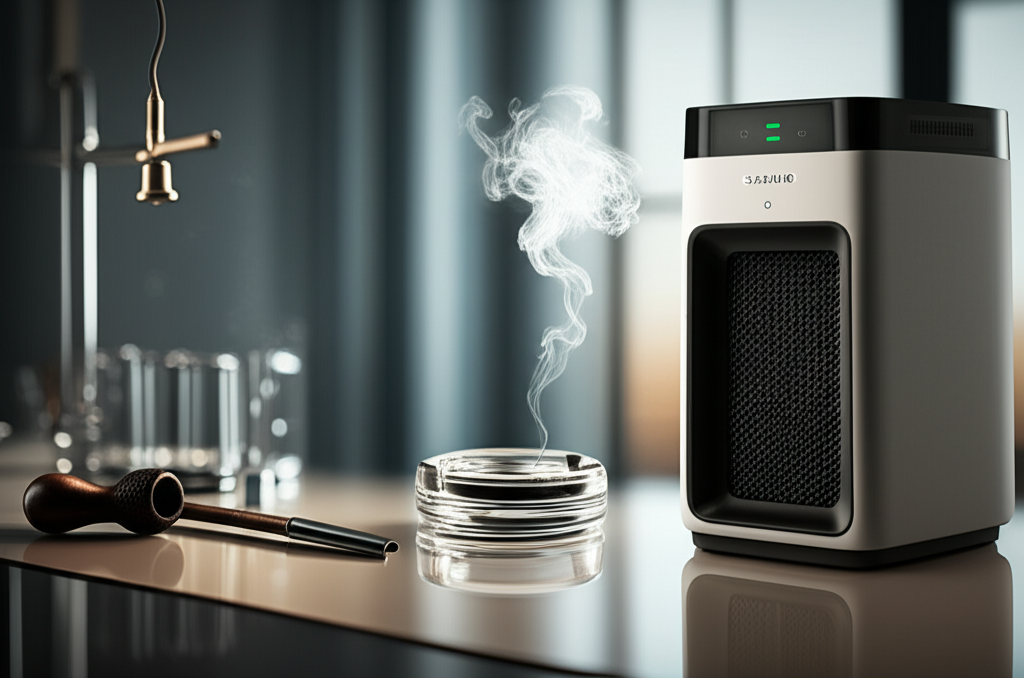
Adsorption is a surface phenomenon where molecules from a gas or liquid adhere to the surface of a solid. In the case of activated carbon, the vast surface area provides countless sites for smoke particles and odor-causing molecules to bind. This effectively removes them from the air or liquid passing through the carbon.
Why Activated Carbon is Ideal for Tobacco Smoke
The unique structure of activated carbon makes it exceptionally good at adsorbing the specific types of chemicals present in tobacco smoke. It targets a wide range of VOCs, including ammonia, formaldehyde, and benzene, which are responsible for both the smell and many of the harmful effects of smoke. This makes activated carbon for tobacco smoke a crucial component in air purification.
Targeting Key Smoke Components
Activated carbon excels at trapping smaller molecules that cause odors and are harmful. Its effectiveness extends to compounds like hydrogen sulfide and pyridine, which are prominent in tobacco smoke and contribute significantly to its pungent aroma. This targeted adsorption is key to its success.
Applications of Activated Carbon in Combating Smoke
You’ll find activated carbon integrated into various products designed to tackle tobacco smoke. These range from personal filters in smoking devices to large-scale air purifiers for homes and public spaces. The versatility of activated carbon allows for tailored solutions to meet different needs.
Personal Smoking Devices and Filters
Many pipes, rolling papers, and even some e-cigarette components incorporate activated carbon filters. These filters act as a barrier, capturing a portion of the harmful chemicals and tar before they are inhaled, offering a more refined smoking experience.
Home and Office Air Purifiers
Perhaps the most common application is in air purifiers. Activated carbon filters are a staple in these devices, working tirelessly to remove smoke odors and VOCs from indoor environments, creating a fresher atmosphere for everyone.
Specialty Products for Smoke Odor Removal
Beyond air purifiers, activated carbon is found in odor absorbers designed for smaller spaces like cars, closets, or ashtrays. These passive absorbers continuously work to neutralize residual smoke smells.
Choosing the Right Activated Carbon Product
The effectiveness of activated carbon for tobacco smoke depends on several factors, including the type of carbon, the amount used, and the design of the product. For serious smoke concerns, selecting a product with a substantial amount of high-quality activated carbon is recommended.
Types of Activated Carbon
Activated carbon can be derived from various sources like coconut shells, wood, or coal. Coconut shell-based activated carbon is often preferred for air purification due to its pore structure, which is highly effective at adsorbing small gas molecules.
Factors Affecting Performance
The surface area and pore size distribution are critical. A larger surface area means more adsorption sites, while specific pore sizes are better suited for trapping particular molecules. The airflow rate through the carbon filter also plays a significant role in its overall efficiency.
How to Maximize Activated Carbon’s Effectiveness
To get the most out of your activated carbon solutions for tobacco smoke, proper maintenance and usage are key. Regular replacement of filters and ensuring adequate airflow are vital for sustained performance.
Filter Replacement Schedule
Activated carbon filters have a finite capacity. Once the adsorption sites are full, they can no longer trap new molecules and may even release previously adsorbed ones. Following the manufacturer’s recommended replacement schedule is crucial for continued effectiveness.
Proper Airflow and Ventilation
For air purifiers, ensuring unobstructed airflow around the unit is important. The device needs to draw air through the activated carbon filter efficiently to maximize the removal of smoke contaminants.
Benefits of Using Activated Carbon for Tobacco Smoke
The advantages of using activated carbon for tobacco smoke are numerous and significant. It offers a tangible improvement in air quality and a reduction in the pervasive odors associated with smoking.
Improved Indoor Air Quality
By trapping harmful VOCs and particulate matter, activated carbon helps create a healthier indoor environment. This is particularly beneficial for non-smokers sharing a space with smokers or for individuals sensitive to air pollutants.
Odor Neutralization
The primary benefit many users notice is the dramatic reduction in tobacco odor. Activated carbon effectively neutralizes the smell, making living and working spaces far more pleasant.
Potential Health Advantages
While not a substitute for quitting smoking, reducing exposure to harmful chemicals through activated carbon filtration can offer some level of protection against the detrimental effects of secondhand smoke.
Limitations and Considerations
While powerful, activated carbon isn’t a magic bullet. It’s important to understand its limitations to use it effectively and set realistic expectations.
Capacity and Saturation
As mentioned, activated carbon has a limited capacity. Heavily smoked environments will saturate filters more quickly, requiring more frequent replacements.
Specific Chemical Removal
Activated carbon is excellent for VOCs and odors but may not be as effective against all types of pollutants. For comprehensive air purification, it’s often used in conjunction with other filter types, such as HEPA filters.
Cost of Replacement Filters
The ongoing cost of replacement filters can be a consideration for some users, especially in high-usage scenarios.
Comparing Activated Carbon to Other Smoke Solutions
When considering how to deal with tobacco smoke, activated carbon stands out, but it’s helpful to see how it compares to other methods. Other approaches include ozone generators, ionizers, and simply ventilating.
Activated Carbon vs. Ozone Generators
Ozone generators can be effective at deodorizing but can also produce harmful ozone gas, which irritates the lungs. Activated carbon is a safer, passive method that adsorbs pollutants without generating harmful byproducts.
Activated Carbon vs. Ionizers
Ionizers work by charging particles, causing them to clump together and fall out of the air. While they can help with particulate matter, they are less effective at removing gaseous VOCs and odors compared to activated carbon.
Activated Carbon vs. Ventilation
Ventilation (opening windows) is a basic way to dilute indoor air, but it’s often insufficient for strong smoke odors and can be impractical in extreme weather. Activated carbon actively removes pollutants rather than just diluting them.
The Future of Activated Carbon in Air Purification
Research and development in activated carbon technology are ongoing. Innovations are focused on creating carbons with even higher adsorption capacities, tailored pore structures for specific pollutants, and more sustainable production methods. The role of activated carbon for tobacco smoke is set to expand.
FAQ: Your Questions About Activated Carbon for Tobacco Smoke Answered
What is the best way to use activated carbon for tobacco smoke?
The best way is to use it in a high-quality air purifier with a substantial activated carbon filter, or in personal filters designed for smoking accessories. Ensure good airflow and replace filters regularly.
How quickly does activated carbon remove tobacco smoke odor?
Activated carbon begins adsorbing odors immediately upon airflow. The speed of noticeable odor reduction depends on the volume of air treated and the concentration of smoke.
Can activated carbon remove all harmful chemicals from tobacco smoke?
Activated carbon is highly effective at adsorbing many VOCs and odor compounds in tobacco smoke. However, it does not remove all harmful substances, such as fine particulate matter or carbon monoxide.
How often should I replace activated carbon filters for smoke?
For tobacco smoke, filters may need replacement every 3-6 months, depending on usage intensity and manufacturer recommendations. Heavily smoked environments require more frequent changes.
Is activated carbon safe to use around pets and children?
Yes, activated carbon itself is generally safe. It’s a natural material used in many filtration systems. Ensure that the device it’s in is safe and operates as intended.
Can activated carbon filters be washed and reused?
Most activated carbon filters cannot be washed. The adsorbed pollutants are permanently bound within the carbon pores. Washing will not restore their adsorptive capacity.
Conclusion: Embracing a Fresher Environment with Activated Carbon
In summary, activated carbon for tobacco smoke is an indispensable tool for anyone seeking to improve their indoor air quality and eliminate lingering odors. Its natural adsorptive properties, combined with innovative product designs, make it a highly effective, safe, and proven essential solution. By understanding how it works and utilizing it correctly, you can significantly enhance your living and working spaces, creating a cleaner and more pleasant atmosphere for everyone.