
Activated Carbon Air Purifier With HEPA: Essential For Learning

Activated Carbon Air Purifier With HEPA Filter: Essential For Learning
An activated carbon air purifier with HEPA filter is crucial for creating an optimal learning environment by removing allergens, pollutants, and odors, thereby enhancing concentration and cognitive function for students and professionals alike.
Breathing clean air is fundamental to our well-being, yet often overlooked in spaces dedicated to focus and study. Indoor air can be surprisingly polluted, filled with dust, allergens, and volatile organic compounds (VOCs) that silently hinder our ability to concentrate. This can be particularly frustrating for students and anyone trying to absorb new information or perform demanding cognitive tasks. Fortunately, a powerful solution exists: an activated carbon air purifier with HEPA filter. This article will guide you through why this combination is essential for learning and how it can transform your study or work environment.
Why Clean Air Matters for Learning
Clean air is more than just a comfort; it’s a necessity for optimal brain function. When we inhale pollutants, our bodies expend energy processing them, diverting resources away from cognitive tasks. Studies suggest a direct link between air quality and cognitive performance, indicating that better air can lead to improved memory, faster reaction times, and enhanced decision-making. Creating a pure air sanctuary is a simple yet profound step towards unlocking better learning outcomes.
The Silent Impact of Indoor Air Pollutants
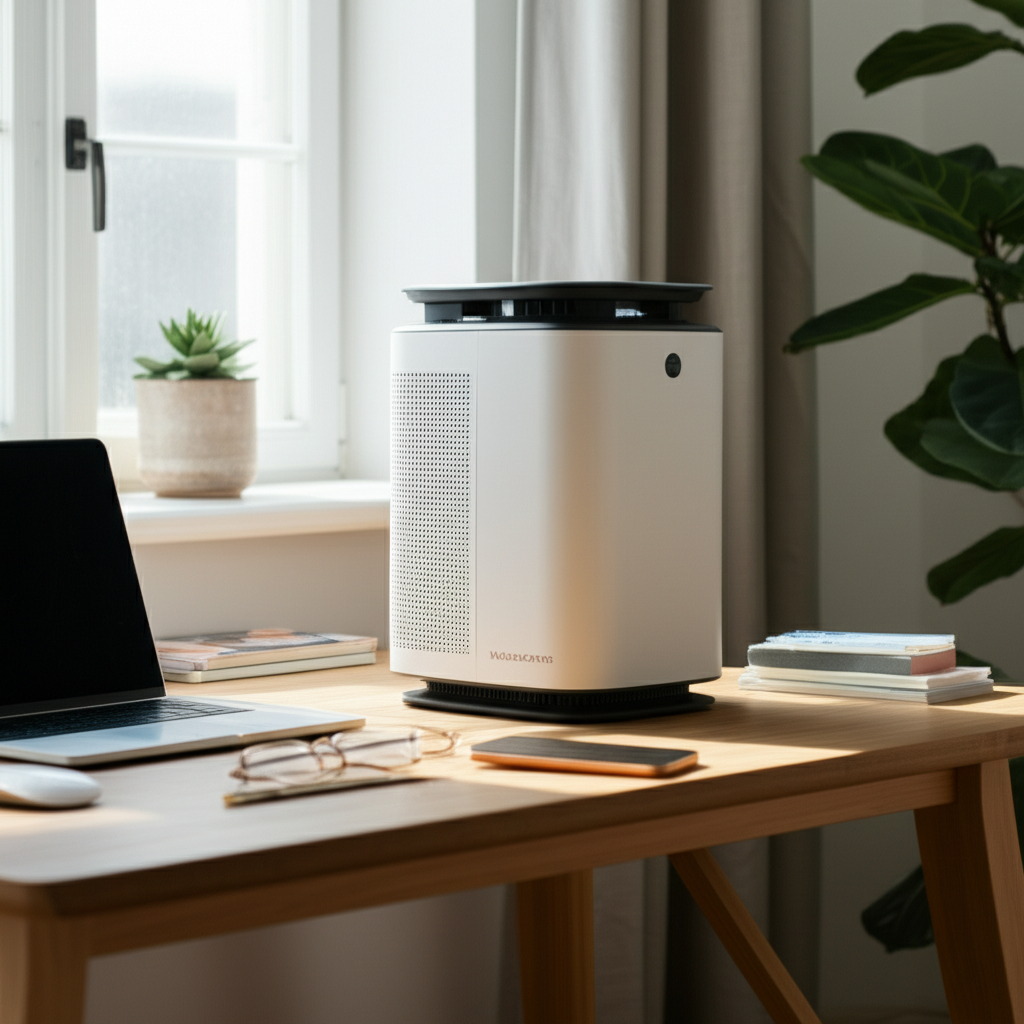
Indoor air can be up to five times more polluted than outdoor air, according to the Environmental Protection Agency (EPA). Common culprits include dust mites, pet dander, mold spores, pollen, and VOCs released from furniture, cleaning products, and building materials. These microscopic invaders can trigger allergies, respiratory issues, and even headaches, all of which disrupt focus and learning. An activated carbon air purifier with HEPA filter directly combats these airborne threats.
Understanding the Power Duo: HEPA and Activated Carbon
The most effective air purifiers combine multiple filtration technologies, and the pairing of HEPA and activated carbon is a gold standard for a reason. Each component tackles different types of pollutants, creating a comprehensive purification system that addresses a wide spectrum of airborne contaminants. This synergy ensures that your air is not just cleaner, but truly purified for a healthier learning space.
What is a HEPA Filter?
HEPA stands for High-Efficiency Particulate Air. A true HEPA filter is designed to capture at least 99.97% of airborne particles that are 0.3 microns in size. This includes microscopic allergens like pollen, dust mites, pet dander, mold spores, and even some bacteria and viruses. For anyone with allergies or respiratory sensitivities, a HEPA filter is a game-changer, dramatically reducing the triggers that can cause discomfort and distraction.
How HEPA Filters Work
HEPA filters are typically made of a dense mat of fine fibers, woven in a way that creates a maze for air particles. As air is drawn through the filter, particles become trapped through a combination of interception, impaction, and diffusion. This mechanical process ensures that even the smallest, most problematic particles are effectively removed from the air you breathe, creating a cleaner environment conducive to focused study.
The Role of Activated Carbon Filters
Activated carbon, also known as activated charcoal, is a porous material that has been treated to increase its absorbency. It excels at trapping gases, odors, and VOCs that HEPA filters cannot capture. These invisible airborne chemicals can emanate from everyday items like paints, solvents, air fresheners, and even cooking fumes, often contributing to that stuffy, unpleasant indoor air quality that dulls the senses.
How Activated Carbon Filters Work
The magic of activated carbon lies in its vast surface area, riddled with microscopic pores. When air passes through, gas molecules and odor particles adhere to these surfaces through a process called adsorption. This effectively removes unpleasant smells, chemical fumes, and VOCs, leaving the air fresh and free from distracting odors that can impair concentration and make learning less enjoyable.
The Synergy: Why Both Are Essential for Learning Environments
While a HEPA filter is excellent at removing physical particles, it does little to address gases and odors. Conversely, activated carbon filters are great for odors and VOCs but don’t capture fine particulate matter. When combined in an activated carbon air purifier with HEPA filter, these two technologies create a powerful, all-encompassing solution for superior indoor air quality, making them indispensable for effective learning.
Targeting Allergens and Particulates
For students prone to allergies or asthma, a clean air environment is paramount. Pollen, dust, and pet dander can trigger sneezing, itchy eyes, and difficulty breathing, making it nearly impossible to focus on lessons or homework. The HEPA component of the air purifier directly targets these irritants, ensuring that the air is free from the physical particles that can derail a learning session.
Eliminating Odors and VOCs
The subtle yet persistent presence of odors from cooking, pets, or even lingering scents from cleaning products can be surprisingly distracting. More concerning are VOCs, which can cause headaches, fatigue, and reduced cognitive function. The activated carbon filter in your activated carbon air purifier with HEPA filter adsorbs these offensive and potentially harmful airborne chemicals, creating a more pleasant and mentally stimulating atmosphere.
Benefits of an Activated Carbon Air Purifier with HEPA for Students
Students, whether in K-12, college, or pursuing professional development, face unique challenges that clean air can help overcome. From the stress of exams to the demands of complex subjects, anything that can reduce cognitive load and improve focus is a valuable asset. An activated carbon air purifier with HEPA filter offers tangible benefits that directly support academic success.
Enhanced Concentration and Focus
By removing allergens, dust, and odors that can trigger discomfort and distraction, a dual-filter system allows the brain to function more efficiently. When the body isn’t busy fighting off irritants or being bothered by unpleasant smells, it can dedicate more resources to processing information, improving memory retention, and maintaining focus for longer periods. This is crucial for effective study sessions.
Reduced Allergy and Asthma Symptoms
For students who suffer from allergies or asthma, clean air is not a luxury but a necessity. An activated carbon air purifier with HEPA filter can significantly reduce exposure to triggers like dust mites, pollen, and pet dander. This leads to fewer sick days, less discomfort, and a more consistent ability to attend classes and engage with learning material without interruption.
Improved Sleep Quality
Quality sleep is vital for learning and memory consolidation. If a student’s bedroom air is filled with allergens or pollutants, it can lead to disrupted sleep, nasal congestion, and general discomfort. A clean air environment promotes better breathing during sleep, leading to more restful nights and, consequently, better cognitive performance during waking hours.
Choosing the Right Activated Carbon Air Purifier with HEPA Filter
Selecting the right air purifier involves considering several factors to ensure it meets your specific needs and effectively serves your learning environment. Not all purifiers are created equal, and understanding key features will help you make an informed decision that maximizes the benefits for your study space.
Key Features to Look For
When shopping for an activated carbon air purifier with HEPA filter, pay attention to:
True HEPA Filter: Ensure it meets the 99.97% capture rate for 0.3-micron particles.
Activated Carbon Amount: More carbon generally means better odor and VOC removal. Look for substantial carbon pre-filters or integrated carbon layers.
CADR (Clean Air Delivery Rate): This indicates how quickly the unit can purify a room. Match it to your room size.
Room Size Coverage: Manufacturers specify the ideal room size for their units.
Noise Level: Lower decibels are preferable, especially for study or sleep environments.
Filter Replacement Indicator: A useful feature to remind you when it’s time to change filters.
Understanding CADR and Room Size
The Clean Air Delivery Rate (CADR) is a standardized measure of an air purifier’s effectiveness. It measures the volume of filtered air delivered by the unit, with separate ratings for smoke, dust, and pollen. A higher CADR means faster purification. It’s crucial to choose a unit with a CADR rating appropriate for the size of your learning space to ensure it can effectively clean the air.
| Room Size (sq ft) | Recommended CADR (Smoke) |
| :—————- | :———————– |
| 100-150 | 50-75 |
| 150-250 | 75-125 |
| 250-350 | 125-175 |
| 350-500 | 175-250 |
Note: This table provides general guidelines. Always check the manufacturer’s specifications for precise recommendations.
Placement and Maintenance for Optimal Performance
Even the best activated carbon air purifier with HEPA filter needs proper placement and regular maintenance to function at its peak. Think of it like taking care of any essential tool; a little effort goes a long way in ensuring its longevity and effectiveness in your learning space.
Strategic Placement in Your Study Area
For maximum benefit, place your air purifier in the room where you spend the most time studying or working. Ideally, position it in a central location, away from walls or furniture that might obstruct airflow. Allowing at least a foot of clearance around the unit ensures that air can be drawn in and expelled efficiently, maximizing its purification capabilities.
Regular Filter Replacement is Key
The effectiveness of your activated carbon air purifier with HEPA filter directly depends on the condition of its filters. HEPA filters need to be replaced typically every 6-12 months, depending on usage and air quality, while activated carbon filters may need replacing more frequently as they become saturated with adsorbed pollutants. Always follow the manufacturer’s recommendations for filter lifespan and replacement procedures.
Integrating Air Purification into Your Learning Routine
Making an activated carbon air purifier with HEPA filter a part of your daily routine is simple and highly beneficial. It’s about creating a consistent environment that supports your cognitive efforts, rather than a one-time fix. Treat it as an essential study aid, much like good lighting or a comfortable desk.
Creating a Dedicated Study Sanctuary
Your study space should be a haven for focus and productivity. By incorporating an air purifier, you’re actively contributing to a healthier and more conducive atmosphere. Running the purifier consistently, especially during study sessions, ensures that you’re always breathing clean, fresh air, minimizing distractions and supporting sustained mental effort.
The Long-Term Impact on Cognitive Health
Consistent exposure to purified air offers cumulative benefits. Beyond immediate improvements in concentration, it contributes to overall respiratory health and can reduce long-term risks associated with prolonged exposure to indoor air pollutants. Investing in an activated carbon air purifier with HEPA filter is an investment in your ongoing learning capacity and well-being.
Beyond the Classroom: Air Purifiers for Dorms and Home Offices
The benefits of an activated carbon air purifier with HEPA filter extend far beyond traditional classrooms. Dorm rooms, often small and shared, can accumulate stale air and allergens quickly. Similarly, home offices require a clean environment to maintain productivity and prevent fatigue during long work-from-home days.
Dorm Room Air Quality
College dorms can be breeding grounds for dust, mold (especially in older buildings), and odors from shared living spaces. An activated carbon air purifier with HEPA filter can dramatically improve the air quality in these compact environments, helping students stay healthier and more focused on their studies, even amidst a bustling campus.
Boosting Productivity in Home Offices
For remote workers and students studying from home, the home office is a critical space. Poor indoor air quality can lead to lethargy and reduced productivity. An activated carbon air purifier with HEPA filter can create a refreshing and invigorating atmosphere, helping to combat the “brain fog” that can creep in during long hours of work or study.
Frequently Asked Questions
What is the primary benefit of an activated carbon air purifier with HEPA filter for learning?
It removes allergens, dust, odors, and VOCs, creating a cleaner, fresher environment that enhances concentration, reduces distractions, and supports better cognitive function for effective learning.
How often should I replace the filters in my air purifier?
Typically, HEPA filters should be replaced every 6-12 months, and activated carbon filters every 3-6 months, but always refer to your specific model’s manual for exact recommendations.
Can an air purifier help with allergies that affect my ability to study?
Yes, the HEPA filter component is highly effective at capturing common allergens like pollen, dust mites, and pet dander, which can significantly reduce allergy symptoms and improve focus.
Where is the best place to put an air purifier in a study room?
Place it in a central location, away from walls and furniture, to allow for optimal airflow and maximum purification of the room’s air.
Are air purifiers noisy?
Many air purifiers have multiple fan speeds, including a quiet or sleep mode that operates at a very low decibel level, making them suitable for study or sleep environments.
Do I need both HEPA and activated carbon filters?
Yes, for comprehensive air purification, especially for learning environments, the combination is ideal. HEPA tackles particles, while activated carbon addresses gases and odors.
Conclusion
Creating an optimal learning environment is about more than just textbooks and quiet spaces; it’s fundamentally about the air we breathe. An activated carbon air purifier with HEPA filter stands out as an essential tool for students and lifelong learners alike. By effectively removing a wide range of pollutants, from microscopic allergens to invisible VOCs and odors, it fosters an environment where concentration can flourish, cognitive function is enhanced, and the pursuit of knowledge is unhindered. Investing in this technology is a proactive step towards better academic performance, improved health, and a more productive, comfortable study or work experience. Make the smart choice for your mind and your well-being – embrace the power of purified air.
