
Activated Carbon Air Purifier Reviews For Allergy Sufferers: Essential Relief

Find essential relief with our activated carbon air purifier reviews for allergy sufferers. Discover how these purifiers effectively tackle allergens and improve your indoor air quality for a healthier home.
When allergies strike, the air in your home can feel like the enemy, filled with invisible triggers like pollen, dust mites, and pet dander. Finding a reliable solution to breathe easier is crucial for comfort and well-being. This guide dives into activated carbon air purifier reviews for allergy sufferers, helping you understand their effectiveness and choose the best option for your needs. We’ll explore how these devices work and what to look for to gain essential relief from your allergy symptoms.
Why Activated Carbon is a Game-Changer for Allergy Sufferers
Activated carbon is a powerhouse when it comes to purifying air, especially for those battling allergies. Its porous structure offers an incredibly large surface area, perfect for trapping a wide range of airborne irritants. For allergy sufferers, this means a significant reduction in the microscopic particles that cause sneezing, itching, and breathing difficulties.
The Science Behind Activated Carbon’s Allergy-Fighting Power
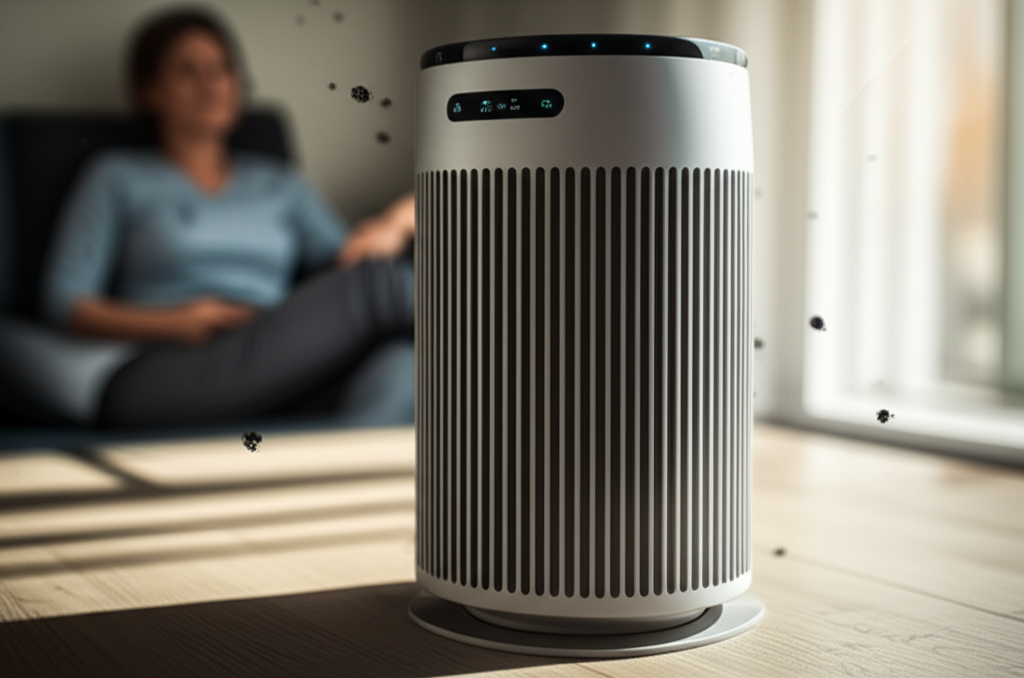
Activated carbon, also known as activated charcoal, undergoes a special heating process that creates millions of tiny pores. These pores act like a magnet for volatile organic compounds (VOCs), odors, smoke, and gases. Unlike HEPA filters that trap physical particles, activated carbon adsorbs chemical pollutants and smells, providing a more comprehensive air cleaning solution. This dual-action approach is vital for allergy sufferers who are often sensitive to both physical and chemical irritants.
Understanding Different Types of Allergens Activated Carbon Can Tackle
While HEPA filters are excellent for capturing particulate matter like pollen and dander, activated carbon excels at neutralizing odors and gases. This includes common allergy triggers such as pet odors, smoke, cooking fumes, and even airborne chemicals from cleaning products or new furniture. For allergy sufferers, this means a cleaner, fresher smelling home environment free from lingering irritants.
Key Features to Look for in Activated Carbon Air Purifiers
When searching for the best activated carbon air purifier for your allergies, several features stand out. Prioritizing these can ensure you get maximum benefit and relief from your investment. Look for units that combine robust activated carbon filtration with other effective technologies.
The Importance of Carbon Filter Quantity and Quality
Not all activated carbon filters are created equal, and the amount of carbon used significantly impacts performance. For allergy sufferers, a substantial amount of high-quality activated carbon is essential. This ensures the filter has a greater capacity to adsorb odors and gases over time. Look for filters that are dense and heavy, indicating more carbon content.
HEPA Filtration: The Perfect Partner for Activated Carbon
While activated carbon tackles gases and odors, a True HEPA filter is indispensable for trapping microscopic particles. For allergy sufferers, this combination is ideal, as it addresses both physical allergens like dust, pollen, and pet dander, as well as chemical irritants and smells. Many top-rated purifiers integrate both technologies for comprehensive air purification.
Coverage Area and CADR Ratings: Ensuring Effective Purification
The size of the room you intend to purify is crucial. Check the air purifier’s recommended coverage area to ensure it’s suitable for your space. The Clean Air Delivery Rate (CADR) indicates how quickly an air purifier can filter out specific pollutants. Higher CADR ratings for smoke, dust, and pollen mean faster and more effective air cleaning, which is a significant benefit for allergy sufferers.
Top Activated Carbon Air Purifier Reviews for Allergy Sufferers
Navigating the market can be overwhelming, but focusing on models known for their robust activated carbon filters and allergy-relief capabilities simplifies the process. Here are some highly regarded options that consistently receive positive feedback from allergy sufferers.
Levoit Core 300S: A Compact Powerhouse for Small Spaces
The Levoit Core 300S is a popular choice for bedrooms and smaller living areas. It features a 3-stage filtration system, including a cylindrical activated carbon filter that effectively captures odors and VOCs. Its quiet operation and smart features make it an excellent, user-friendly option for allergy sufferers seeking relief in their personal spaces.
Coway Airmega AP-1512HH Mighty: Powerful Performance and Smart Features
The Coway Airmega AP-1512HH Mighty is renowned for its powerful performance in medium to large rooms. Its advanced filtration includes a substantial activated carbon filter designed to eliminate odors and harmful gases. Allergy sufferers appreciate its auto mode, which adjusts fan speed based on air quality, ensuring continuous purification without constant manual intervention.
Blueair Blue Pure 211+ Auto: High Capacity for Larger Areas
For larger living spaces or open-plan homes, the Blueair Blue Pure 211+ Auto offers impressive coverage. Its unique HEPASilent technology combines electrostatic and mechanical filtration, and it features a substantial activated carbon layer within its fabric pre-filter, effectively tackling both particles and odors. This makes it a strong contender for allergy sufferers needing to purify a bigger area.
Winix 5500-2: Advanced Filtration with PlasmaWave Technology
The Winix 5500-2 is a well-rounded air purifier that includes a True HEPA filter and a substantial activated carbon filter. Its PlasmaWave technology helps break down airborne pollutants at a molecular level, offering an extra layer of air cleaning. This makes it a comprehensive solution for allergy sufferers looking to tackle a wide array of airborne irritants.
Comparing Activated Carbon Air Purifiers: Key Metrics
To make an informed decision, comparing specific metrics across different models is essential. This allows you to objectively assess which air purifier will best meet your allergy relief needs. Focus on the aspects that directly impact air quality and user experience.
Filter Lifespan and Replacement Costs
One significant factor in the long-term cost of owning an air purifier is the lifespan of its filters and the cost of replacements. Activated carbon filters typically need replacing more frequently than HEPA filters, as they become saturated with adsorbed pollutants. Consider models with readily available and reasonably priced replacement filters to keep your air clean without breaking the bank.
Noise Levels and Energy Consumption
For allergy sufferers, an air purifier is often running continuously, especially in bedrooms. Therefore, noise levels are a critical consideration. Look for models with a low decibel rating on their lower settings, often referred to as “sleep mode.” Energy consumption is also important, as a more energy-efficient unit will save you money on electricity bills over time.
Additional Features and Smart Capabilities
Modern air purifiers come with a range of extra features. These can include air quality sensors, automatic modes, timers, child locks, and Wi-Fi connectivity for app control. While not strictly necessary for basic allergy relief, smart features can enhance convenience and allow for more precise control over your home’s air quality.
Setting Up and Maintaining Your Activated Carbon Air Purifier
Proper setup and consistent maintenance are key to maximizing the effectiveness of your activated carbon air purifier. Following these steps ensures your device runs optimally and provides continuous relief from allergy triggers. Regular care will prolong the life of your filters and the unit itself.
Initial Setup and Placement for Optimal Performance
Upon receiving your air purifier, carefully unpack it and ensure all filters are correctly installed. Place the unit in the room where you spend the most time or where allergy symptoms are most pronounced, such as your bedroom or living room. Avoid placing it directly against walls or furniture, as this can obstruct airflow and reduce its efficiency.
Routine Filter Maintenance: Cleaning and Replacement Schedule
Activated carbon filters cannot be cleaned and must be replaced periodically. Check the manufacturer’s recommendations for replacement intervals, which can range from 3 to 12 months depending on usage and air quality. Some purifiers have filter replacement indicators to remind you. Pre-filters, if present, can often be washed or vacuumed to extend the life of the main filters.
Understanding Filter Saturation and When to Replace
As the activated carbon filter adsorbs more pollutants, its capacity diminishes. You might notice a return of odors or a decrease in the air purifier’s effectiveness. This is a sign that the carbon filter is saturated and needs replacing. Ignoring this can lead to the purifier recirculating pollutants or becoming ineffective against allergens.
Expert Tips for Allergy Sufferers Using Air Purifiers
Beyond selecting the right air purifier, a few expert tips can further enhance its benefits for allergy sufferers. Integrating the air purifier into your overall allergy management strategy can yield the best results. These simple practices can make a significant difference in your daily comfort.
Combining Air Purification with Other Allergy Management Strategies
An activated carbon air purifier is a powerful tool, but it’s most effective when part of a broader allergy management plan. This includes regular cleaning to reduce dust, vacuuming with a HEPA filter, washing bedding in hot water, and consulting with an allergist for personalized advice and treatment options.
Ideal Placement for Maximum Allergen Capture
Place your air purifier in areas where allergens are likely to accumulate or where you spend the most time. This typically includes bedrooms, living rooms, and home offices. Ensure the unit has adequate space around it for unobstructed airflow, allowing it to efficiently circulate and filter the air in the room.
Frequently Asked Questions About Activated Carbon Air Purifiers for Allergies
Here are answers to some common questions allergy sufferers have about activated carbon air purifiers. Understanding these points can help you make the most informed decision for your specific needs and ensure you get the best possible relief.
Can activated carbon air purifiers eliminate all allergens?
Activated carbon is excellent for odors and gases, but it works best in conjunction with a True HEPA filter to capture particulate allergens like pollen, dust, and dander. No single device can eliminate all allergens, but a good purifier significantly reduces them.
How often should I replace the activated carbon filter?
Replacement frequency varies by model and usage, but typically ranges from 3 to 12 months. Check your manufacturer’s guidelines. Signs of a saturated filter include returning odors or reduced effectiveness.
Are activated carbon air purifiers noisy?
Many models offer quiet “sleep” modes with low decibel ratings, making them suitable for bedrooms. Always check the noise level specifications before purchasing, especially if noise sensitivity is a concern.
Can activated carbon air purifiers help with pet dander and odors?
Yes, activated carbon is very effective at neutralizing pet odors. When combined with a HEPA filter, it also captures pet dander, making it an excellent choice for pet owners struggling with allergies.
What is the difference between activated carbon and HEPA filters?
HEPA filters trap physical particles (dust, pollen, dander), while activated carbon filters adsorb gases, VOCs, and odors. For comprehensive allergy relief, a combination of both is ideal.
Conclusion: Breathe Easier with the Right Activated Carbon Air Purifier
For allergy sufferers, finding relief from indoor airborne irritants can feel like a constant battle. Our exploration of activated carbon air purifier reviews for allergy sufferers highlights how these devices offer essential relief by tackling a wide spectrum of allergens and pollutants. By understanding the technology, key features, and comparing top models, you can confidently choose an activated carbon air purifier that transforms your home environment. Investing in the right air purifier is an investment in your health, comfort, and overall well-being, allowing you to breathe easier and enjoy your home more fully.
