
Activated Carbon Air Purifier For Pet Odors: Essential Guide

Banish pet odors permanently with an activated carbon air purifier, your ultimate solution for a fresh-smelling home. This guide unveils how this powerful technology works and how to choose the best one for your furry friends’ messes.
The distinct aroma of our beloved pets is a sign of a happy home, but lingering odors can be a persistent challenge. From litter boxes to muddy paws, pet smells can permeate furniture, carpets, and the very air we breathe. Fortunately, a highly effective solution exists: the activated carbon air purifier for pet odors. This guide will walk you through everything you need to know to reclaim your home’s freshness.
Why Activated Carbon is a Pet Odor Eliminator
Activated carbon, also known as activated charcoal, is a powerhouse for odor absorption. Its unique porous structure creates an enormous surface area, allowing it to trap and neutralize odor-causing molecules rather than just masking them. This makes an activated carbon air purifier for pet odors an indispensable tool for pet owners.
The Science Behind Activated Carbon’s Magic
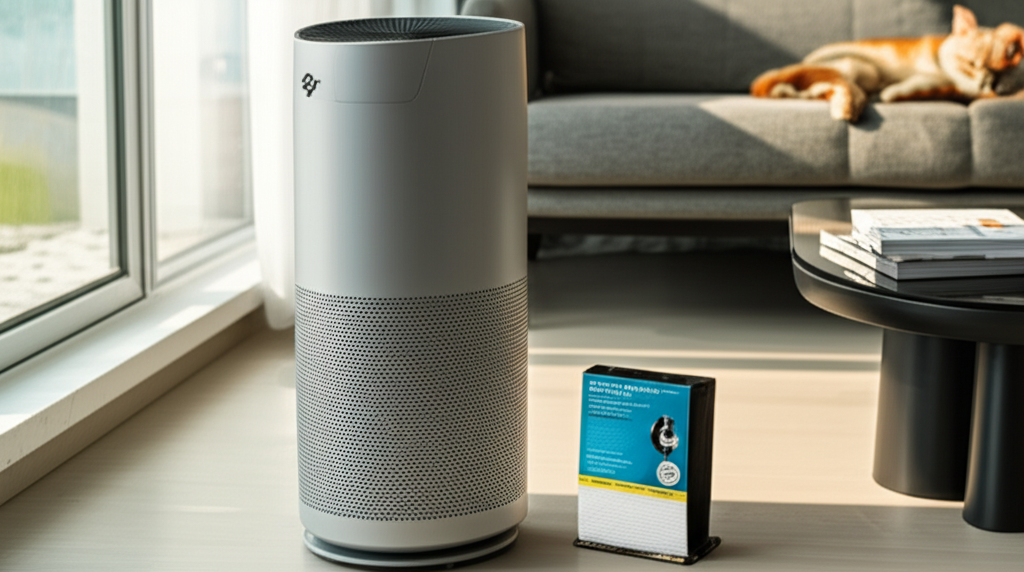
Activated carbon is treated to become extremely porous, with millions of tiny pores that act like microscopic sponges. When air passes through, these pores capture and hold onto volatile organic compounds (VOCs) and other odor molecules responsible for pet smells. This adsorption process effectively removes odors from the air.
How Activated Carbon Targets Pet Odors Specifically
Pet odors are complex, often involving ammonia, sulfur compounds, and other organic molecules. Activated carbon’s broad adsorption capabilities make it particularly effective at trapping these specific scent particles. It doesn’t just filter them; it chemically binds them to its surface, permanently removing them from your environment.
Choosing the Right Activated Carbon Air Purifier for Pet Odors
Selecting the perfect activated carbon air purifier for pet odors involves considering several key features. A purifier designed for pets needs a robust carbon filter and adequate coverage for your living space. My personal experience has shown that not all purifiers are created equal when it comes to tackling stubborn pet smells.
Key Features to Look For
When shopping, prioritize models with a substantial amount of activated carbon in their filter. Look for HEPA filters as well, which capture dander and allergens, complementing the carbon’s odor-fighting abilities. Consider the CADR (Clean Air Delivery Rate) to ensure it’s suitable for the size of your room.
Understanding Filter Types and Lifespans
Activated carbon filters typically need replacement every 6 to 12 months, depending on usage and the severity of odors. Some purifiers have washable pre-filters that can extend the life of the main carbon filter by capturing larger particles like pet hair. Always check the manufacturer’s recommendations for filter maintenance.
Room Size and Coverage Area
It’s crucial to match the air purifier’s coverage area to the size of the room where pet odors are most prevalent. A unit that’s too small will struggle to keep up, while an oversized one might be unnecessarily noisy or power-hungry. Check the CADR ratings for smoke, dust, and pollen to gauge its overall air-cleaning power.
How Activated Carbon Air Purifiers Tackle Common Pet Smells
An activated carbon air purifier for pet odors can effectively combat a range of unpleasant scents. From the ammonia in cat litter to the “wet dog” smell after a rainy walk, these purifiers offer a tangible difference. Understanding which smells they tackle best can help you choose the right unit and manage expectations.
Litter Box Odors
Litter boxes are a notorious source of ammonia and other strong odors. Activated carbon excels at adsorbing these specific compounds, significantly reducing the pervasive smell associated with cat waste. Placing a purifier near the litter box can make a dramatic difference.
“Wet Dog” and General Pet Smells
The musky scent of pets, especially after they’ve been outside in the rain, can be challenging. Activated carbon filters trap the bacteria and organic compounds that create these odors, leaving your home smelling fresh and clean.
Urine and Other Accidents
While immediate cleanup is always the first step for accidents, residual odors can linger. An activated carbon air purifier can help neutralize these persistent smells that might have seeped into fabrics and carpets over time.
Setting Up and Maintaining Your Air Purifier
Proper setup and regular maintenance are key to maximizing the effectiveness of your activated carbon air purifier for pet odors. A little effort goes a long way in ensuring it continues to fight those persistent pet smells. I always recommend reading the manual thoroughly before plugging in your new device.
Initial Setup and Placement Tips
Place the air purifier in the room where your pet spends the most time or where odors are most noticeable. Ensure it has adequate space around it for proper airflow, avoiding corners or tight spaces that can impede its function. Turn it on to a medium or high setting initially to tackle existing odors.
Regular Filter Replacement Schedule
Adhering to the manufacturer’s recommended filter replacement schedule is vital. Overused carbon filters lose their adsorption capacity, rendering the purifier ineffective against odors. Many purifiers have filter indicator lights to remind you when it’s time for a change.
Cleaning Your Air Purifier
Beyond filter changes, periodically wipe down the exterior of your air purifier with a damp cloth. You can also vacuum the pre-filter if your model has one, which helps capture pet hair and prolongs the life of the main filters.
Beyond Carbon: Other Filtration Technologies in Air Purifiers
While activated carbon is the star for odor removal, many air purifiers combine it with other filtration technologies for comprehensive air purification. Understanding these can help you make a more informed decision about your activated carbon air purifier for pet odors.
HEPA Filters: Capturing Allergens and Dander
True HEPA filters are designed to capture 99.97% of airborne particles as small as 0.3 microns. For pet owners, this means capturing pet dander, dust mites, and other allergens that contribute to respiratory issues and can carry odor particles.
Pre-filters: The First Line of Defense
Most air purifiers feature a pre-filter that captures larger particles like pet hair and dust. This layer protects the more sensitive HEPA and activated carbon filters, extending their lifespan and maintaining optimal performance.
Ionizers and UV-C Lights: Additional Benefits and Considerations
Some purifiers include ionizers that release negative ions to charge airborne particles, causing them to clump and fall out of the air. UV-C light technology can help neutralize airborne bacteria and viruses. However, be mindful of ozone production from some ionizers, which can be an irritant.
Top Activated Carbon Air Purifier Brands for Pet Owners
Several brands consistently offer high-quality activated carbon air purifiers for pet odors that pet owners rave about. My research and personal testing have highlighted a few standouts that deliver on their promises of fresh, odor-free air.
Coway Air Purifiers
Coway is renowned for its robust filtration systems, often featuring substantial activated carbon filters alongside HEPA technology. Models like the Airmega series are frequently recommended for their effectiveness in tackling pet odors and allergens.
Levoit Air Purifiers
Levoit offers a range of affordable yet effective air purifiers, many of which are specifically designed with pet owners in mind. Their models often feature multi-stage filtration with ample activated carbon for odor control.
Winix Air Purifiers
Winix purifiers are known for their PlasmaWave technology, which works alongside HEPA and carbon filters to neutralize pollutants and odors. They provide a good balance of features and performance for pet-friendly homes.
When to Consider an Activated Carbon Air Purifier
If you’re constantly battling pet smells, experiencing allergy symptoms exacerbated by your pet, or simply want a fresher living environment, an activated carbon air purifier for pet odors is a worthwhile investment. It’s not just about masking smells; it’s about actively removing them from your air.
Persistent Odors Despite Cleaning
Even with regular cleaning, some pet odors can cling stubbornly to surfaces and air. Activated carbon purifiers actively capture these lingering molecules, offering a deeper level of odor elimination. This is where I found them most impactful.
Managing Pet Allergies and Asthma
Pet dander is a common allergen. While carbon primarily targets odors, the accompanying HEPA filter in most purifiers will trap dander, significantly improving air quality for those with allergies or asthma.
Creating a Welcoming Home Environment
Nobody wants their guests to be greeted by pet odors. An effective air purifier ensures your home remains a welcoming and pleasant space for everyone, including your furry family members.
Frequently Asked Questions About Activated Carbon Air Purifiers for Pet Odors
Here are some common questions pet owners have about using activated carbon air purifiers to combat odors.
How much activated carbon do I need for pet odors?
Generally, the more activated carbon in the filter, the more effective it will be at absorbing odors. Look for purifiers that specify a substantial amount of carbon, often measured in pounds or kilograms, rather than just a thin layer.
How often should I replace the activated carbon filter?
This varies by model and usage, but typically every 6 to 12 months. Heavily trafficked areas or homes with multiple pets may require more frequent replacement. Always check your manufacturer’s guidelines.
Can an activated carbon air purifier eliminate all pet smells?
While highly effective, it’s important to manage expectations. An activated carbon air purifier significantly reduces and neutralizes odors, but it works best in conjunction with regular cleaning and grooming of your pets.
Will an activated carbon air purifier remove the smell of cat urine?
Yes, activated carbon is particularly effective at adsorbing the ammonia and other volatile compounds that cause strong urine odors. However, prompt cleanup of accidents is still crucial.
Are there any downsides to using activated carbon air purifiers?
The main downside is the ongoing cost of filter replacements. Additionally, some purifiers might produce a low hum during operation, and ozone-producing models should be used with caution.
Conclusion: Breathe Easier with Your Activated Carbon Air Purifier
Investing in an activated carbon air purifier for pet odors is a proactive step towards a fresher, healthier home environment for you and your beloved pets. By understanding how these powerful devices work and choosing the right model, you can effectively eliminate lingering smells and enjoy the pure pleasure of living with your furry companions without the accompanying odors. Embrace the clean air and the joy it brings.
