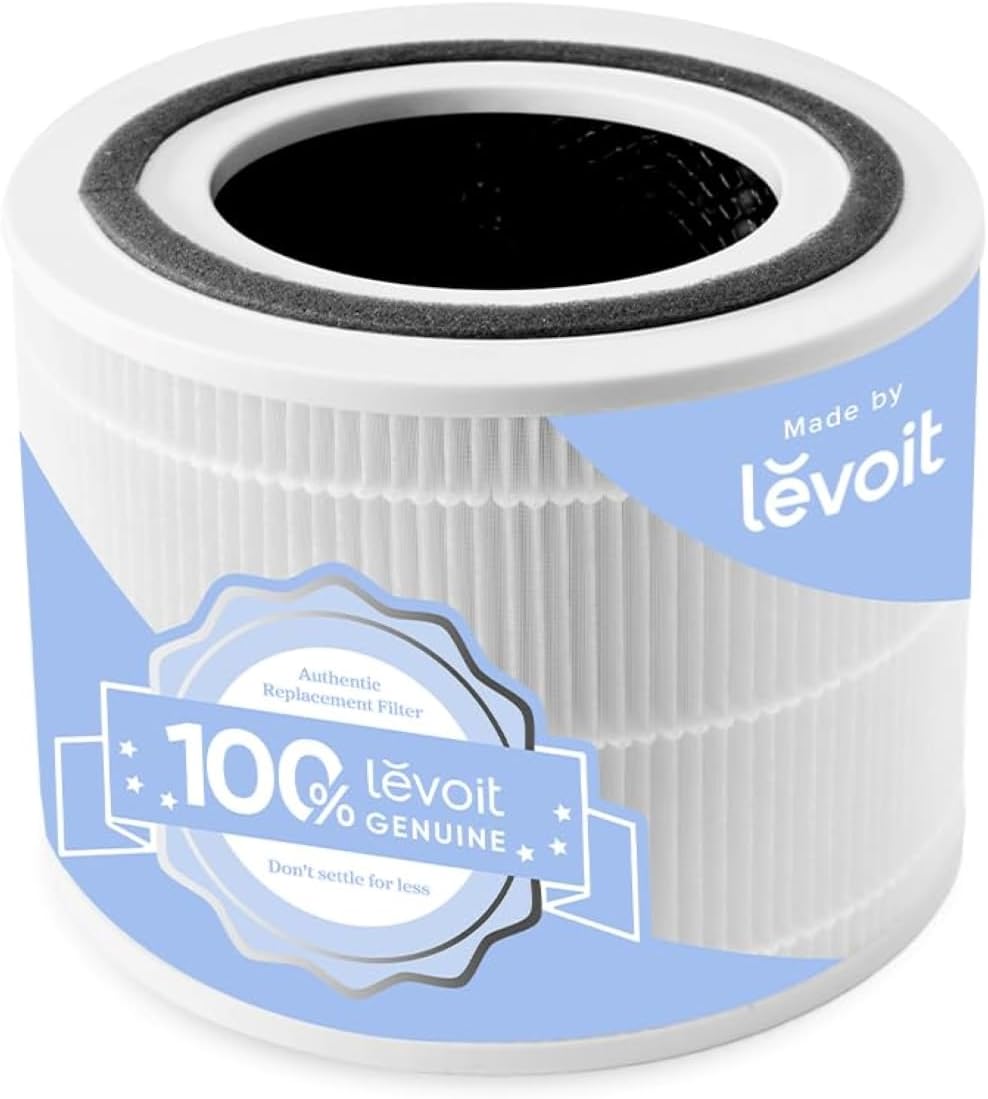
Activated Carbon Air Purifier for Odors and Dust: Essential Clean Air

Breathe easier with an activated carbon air purifier for odors and dust, your essential solution for cleaner, fresher indoor air, tackling everything from lingering smells to invisible particles for a healthier home environment.
Are unpleasant odors and irritating dust making your home feel less like a sanctuary and more like a source of discomfort? You’re not alone; indoor air quality is a growing concern for many. Fortunately, a powerful solution is readily available. This guide will demystify how an activated carbon air purifier for odors and dust can transform your living space. We’ll explore its science, benefits, and how to choose the best one for your needs, ensuring you can finally enjoy truly clean air.
What is an Activated Carbon Air Purifier and How Does it Work?
An activated carbon air purifier for odors and dust utilizes a unique filtration process to capture and neutralize airborne contaminants. Activated carbon, also known as activated charcoal, is a highly porous material that adsorbs (binds to its surface) various gases and volatile organic compounds (VOCs). This adsorption process is incredibly effective at eliminating smells and harmful chemicals from your air.
The Science Behind Activated Carbon’s Power

Activated carbon is created by heating carbon-rich materials like wood or coconut shells to extremely high temperatures, then treating them with oxygen. This process expands the internal surface area of the carbon, creating millions of tiny pores. These pores act like microscopic magnets, attracting and trapping odor molecules and other gaseous pollutants.
Beyond Odors: Tackling Dust and Particulates
While activated carbon excels at odor removal, most air purifiers combine it with other filter types to address dust and other solid particles. A pre-filter typically captures larger particles like pet hair and visible dust, while a HEPA filter removes smaller airborne particles such as pollen, mold spores, and fine dust. The activated carbon layer then works its magic on the remaining gases and odors.
Why an Activated Carbon Air Purifier is Essential for Your Home
Investing in an activated carbon air purifier for odors and dust is crucial for improving your indoor living environment. It goes beyond simply masking smells; it actively removes them and other harmful pollutants, leading to a healthier and more comfortable home. This technology offers a comprehensive approach to air purification that benefits everyone.
Eliminating Lingering Odors Effectively
From cooking smells and pet odors to smoke and bathroom fragrances, common household odors can be persistent. An activated carbon filter traps these odor-causing molecules, preventing them from recirculating and leaving your home smelling genuinely fresh. This makes it an indispensable tool for pet owners and anyone who enjoys cooking.
Reducing Dust and Allergen Levels
Dust accumulation is a constant battle, and airborne dust particles can trigger allergies and respiratory issues. By combining activated carbon with HEPA filtration, these purifiers capture a significant portion of dust, pollen, mold spores, and other allergens. This can lead to fewer allergy flare-ups and easier breathing for sensitive individuals.
Removing Harmful VOCs and Chemical Pollutants
Many household items, from cleaning products and furniture to air fresheners, release volatile organic compounds (VOCs). These chemicals can contribute to poor indoor air quality and have potential health effects. Activated carbon is highly effective at adsorbing many common VOCs, helping to create a safer breathing environment.
Improving Sleep Quality and Overall Well-being
Cleaner air can have a profound impact on your sleep and general health. Reduced exposure to allergens and irritants can lead to better sleep quality, less congestion, and fewer headaches. A consistently purified environment contributes to a greater sense of well-being and comfort in your own home.
Key Features to Look for in an Activated Carbon Air Purifier
When selecting an activated carbon air purifier for odors and dust, several features can enhance its effectiveness and your user experience. Prioritizing these aspects will ensure you get a device that meets your specific needs and delivers optimal performance.
Filter Type and Effectiveness (HEPA & Carbon)
Look for purifiers with a true HEPA filter, which captures 99.97% of airborne particles down to 0.3 microns. The amount and quality of activated carbon are also vital; more carbon generally means better odor and gas filtration. A substantial carbon layer, often measured in pounds or inches, is a good indicator.
Coverage Area and CADR Rating
Ensure the air purifier is rated for the size of the room you intend to use it in. The Clean Air Delivery Rate (CADR) indicates how quickly the purifier can clean the air, with higher numbers signifying faster purification. Check CADR ratings for dust, smoke, and pollen.
Noise Level and Energy Efficiency
Consider the noise levels, especially if the purifier will be used in a bedroom or living area. Many purifiers offer multiple fan speeds, including a quiet “sleep mode.” Look for Energy Star certification to ensure it operates efficiently and doesn’t significantly increase your electricity bill.
Additional Features and Smart Technology
Some models include advanced features like air quality sensors that automatically adjust fan speed, filter replacement indicators, timers, and Wi-Fi connectivity for app control. These can add convenience and optimize performance, but ensure the core filtration capabilities are top-notch.
Understanding the Role of HEPA and Pre-Filters
While activated carbon is the star for odors, it’s crucial to understand how it works in conjunction with other filters. A comprehensive air purification system tackles a wider range of pollutants for truly clean air. The synergy between these filters is what makes an activated carbon air purifier for odors and dust so effective.
The HEPA Filter: Capturing Microscopic Particles
A High-Efficiency Particulate Air (HEPA) filter is designed to trap tiny airborne particles that activated carbon cannot. This includes dust mites, pollen, pet dander, mold spores, and even some bacteria and viruses. A true HEPA filter is essential for removing these solid contaminants.
The Pre-Filter: Protecting Other Filters
Most air purifiers feature a pre-filter, often a washable mesh layer, that sits at the front of the unit. Its primary job is to capture larger particles like pet hair, lint, and visible dust. This protects the more delicate HEPA and activated carbon filters, extending their lifespan and maintaining their efficiency.
How They Work Together for Maximum Purity
The pre-filter captures large debris, the HEPA filter traps fine particulate matter, and the activated carbon filter adsorbs gases, odors, and VOCs. This multi-stage filtration process ensures that the air passing through the purifier is thoroughly cleaned of a wide spectrum of pollutants. This layered approach is why a combined system is so powerful.
Top Applications for an Activated Carbon Air Purifier
The versatility of an activated carbon air purifier for odors and dust makes it suitable for a variety of environments and situations. Its ability to tackle both common smells and airborne particles addresses many household needs.
Pet Owners’ Best Friend
Pet dander and odors are significant concerns for many households. An activated carbon air purifier effectively captures pet dander, reducing allergens in the air, and neutralizes unpleasant pet odors, keeping your home smelling fresh and clean. This is particularly beneficial for those with allergies.
Kitchen and Cooking Areas
Cooking can leave behind strong odors from various foods. An air purifier with activated carbon is excellent for absorbing cooking smells, smoke, and grease particles, ensuring your kitchen and adjacent living areas remain pleasant and odor-free. It helps maintain a welcoming atmosphere even after a big meal.
Bedrooms for Better Sleep
A clean air environment in the bedroom can significantly improve sleep quality. By removing dust, allergens, and lingering odors, an activated carbon air purifier can help reduce nighttime congestion and respiratory irritation, promoting deeper, more restful sleep. A quiet operation mode is key here.
Homes with Smokers or Fireplaces
If anyone in the household smokes or if you have a fireplace, smoke particles and associated odors can permeate your home. Activated carbon is highly effective at adsorbing smoke molecules, helping to remove the smell and associated irritants from the air. This makes living spaces much more comfortable.
Addressing General Household Odors
Beyond specific sources, general household air can become stale or pick up subtle odors from carpets, upholstery, or cleaning products. An activated carbon air purifier continuously works to refresh the air, creating a consistently cleaner and more pleasant living environment. It contributes to an overall sense of freshness.
Choosing the Right Activated Carbon Air Purifier: A Comparative Guide
Selecting the best activated carbon air purifier for odors and dust involves comparing different models and features. This guide provides a framework for making an informed decision based on your specific requirements.
| Feature | Essential for Odors & Dust | Highly Recommended | Nice to Have |
| :—————- | :————————- | :—————– | :—————– |
| True HEPA Filter | Yes | Yes | Yes |
| Activated Carbon | Yes (substantial amount) | Yes (good amount) | Yes (basic amount) |
| Pre-Filter | Yes | Yes | Yes |
| Room Coverage | Yes (matches room size) | Yes | Yes |
| CADR Rating | Yes (appropriate) | Yes | Yes |
| Noise Level | Yes (consider sleep mode) | Yes | Yes |
| Filter Replacement | Yes (indicator crucial) | Yes | Yes |
| Energy Efficiency | Yes (Energy Star) | Yes | Yes |
| Air Quality Sensor| No | Yes | Yes |
| Smart Features | No | Yes | Yes |
When comparing, pay close attention to the activated carbon air purifier for odors and dust specifications. The amount of activated carbon and the inclusion of a true HEPA filter are paramount for effective odor and dust removal. A higher CADR rating indicates a more powerful unit capable of cleaning your air faster.
Maintaining Your Activated Carbon Air Purifier for Optimal Performance
Proper maintenance is key to ensuring your activated carbon air purifier for odors and dust continues to function effectively. Regular attention to the filters will maximize its lifespan and purification capabilities. Neglecting maintenance can reduce performance and increase operational costs.
Regular Filter Cleaning and Replacement
The pre-filter should be cleaned regularly, typically by vacuuming or washing, to prevent it from becoming clogged. HEPA and activated carbon filters are generally not washable and need to be replaced according to the manufacturer’s recommendations, usually every 6-12 months, depending on usage and air quality. Always check your model’s manual for specific instructions.
Understanding Filter Lifespan Indicators
Many modern air purifiers come with filter life indicators that alert you when it’s time for a replacement. These indicators are often based on runtime or air quality sensors. Heeding these alerts ensures you’re always breathing purified air and that your activated carbon air purifier for odors and dust is performing at its peak.
Cleaning the Unit’s Exterior and Interior
Periodically, wipe down the exterior of the air purifier with a damp cloth to keep it clean. Ensure the air intake and outlet vents are free of dust and obstructions. Keeping the unit itself clean prevents it from becoming a source of dust or hindering airflow.
Potential Downsides and Considerations
While highly beneficial, it’s important to be aware of potential considerations when using an activated carbon air purifier for odors and dust. Understanding these points will help manage expectations and ensure you select the best unit for your situation.
Filter Replacement Costs
One of the ongoing costs associated with any air purifier is the replacement of filters. Activated carbon and HEPA filters need periodic replacement, and the cost can add up over time. Factor this into your overall budget when purchasing a unit. Some brands offer filter subscription services which can offer savings.
Not a Solution for All Pollutants
Activated carbon is excellent for gases and odors but has limited effectiveness against all types of airborne particles. While combined with HEPA filters, it addresses many common concerns, it may not remove extremely fine particles or certain biological contaminants as effectively as specialized medical-grade filtration systems.
Noise Levels
While many purifiers are designed to be quiet, some models, especially those with higher fan speeds, can produce noticeable noise. This is particularly relevant if you plan to use the activated carbon air purifier for odors and dust in a bedroom or during quiet activities. Always check reviews for noise performance.
Frequently Asked Questions About Activated Carbon Air Purifiers
Here are some common questions beginners have about using an activated carbon air purifier for odors and dust.
Q1: How often do I need to replace the activated carbon filter?
A1: Typically, activated carbon filters need replacement every 6 to 12 months. However, this can vary based on the amount of activated carbon in the filter, the air quality in your home, and how frequently you run the purifier. Always refer to your manufacturer’s guidelines.
Q2: Can an activated carbon air purifier eliminate all smells?
A2: While highly effective at adsorbing many common odors, it may not eliminate every single smell completely, especially very strong or persistent ones. The effectiveness also depends on the quantity and quality of activated carbon in the filter.
Q3: How do I know if my air purifier is working?
A3: You can often tell if your air purifier is working by noticing a reduction in odors and a general feeling of fresher air. Many models also have indicator lights or air quality sensors that provide real-time feedback on air purity.
Q4: Is an activated carbon air purifier good for allergies?
A4: Yes, when combined with a HEPA filter, an activated carbon air purifier is excellent for allergies. The HEPA filter captures allergens like pollen and dust mites, while the activated carbon can help reduce odors and some VOCs that can exacerbate allergies.
Q5: How much space can one air purifier cover?
A5: Air purifiers are rated for specific room sizes, often measured in square feet. It’s crucial to choose a purifier designed for the size of the room you intend to use it in to ensure effective air cleaning. Always check the CADR rating and recommended coverage area.
Conclusion: Embrace Cleaner Air with Activated Carbon
An activated carbon air purifier for odors and dust is an indispensable tool for anyone seeking to improve their indoor air quality. By effectively trapping odors, neutralizing harmful gases, and working in tandem with HEPA and pre-filters to capture dust and allergens, it creates a healthier, more comfortable living space. Investing in one is a proactive step towards better well-being for you and your family, allowing you to breathe easier and enjoy the sanctuary of your home.