Activated Carbon Air Purifier for Dust: Essential Clean Air

An activated carbon air purifier for dust is your essential ally in achieving truly clean air at home. Discover how this powerful technology tackles airborne dust, allergens, and odors, creating a healthier living environment. Learn why it’s a must-have for anyone seeking relief from dust-related issues.
There’s nothing quite like the feeling of a clean, fresh home. Yet, a persistent invisible enemy, dust, can quickly diminish that feeling, leaving you with sneezing, watery eyes, and a general sense of unease. It settles on surfaces, floats in the air, and can even trigger allergies and respiratory problems. But what if there was a simple, effective solution to combat this everyday nuisance?
Why Dust is More Than Just an Annoyance
Dust is a complex mixture of tiny particles, including skin cells, fabric fibers, pet dander, pollen, and even microscopic insects. While it’s a natural part of any environment, its accumulation indoors can significantly impact your health and well-being. For many, dust triggers allergic reactions or exacerbates conditions like asthma.
The Invisible Threat of Indoor Dust
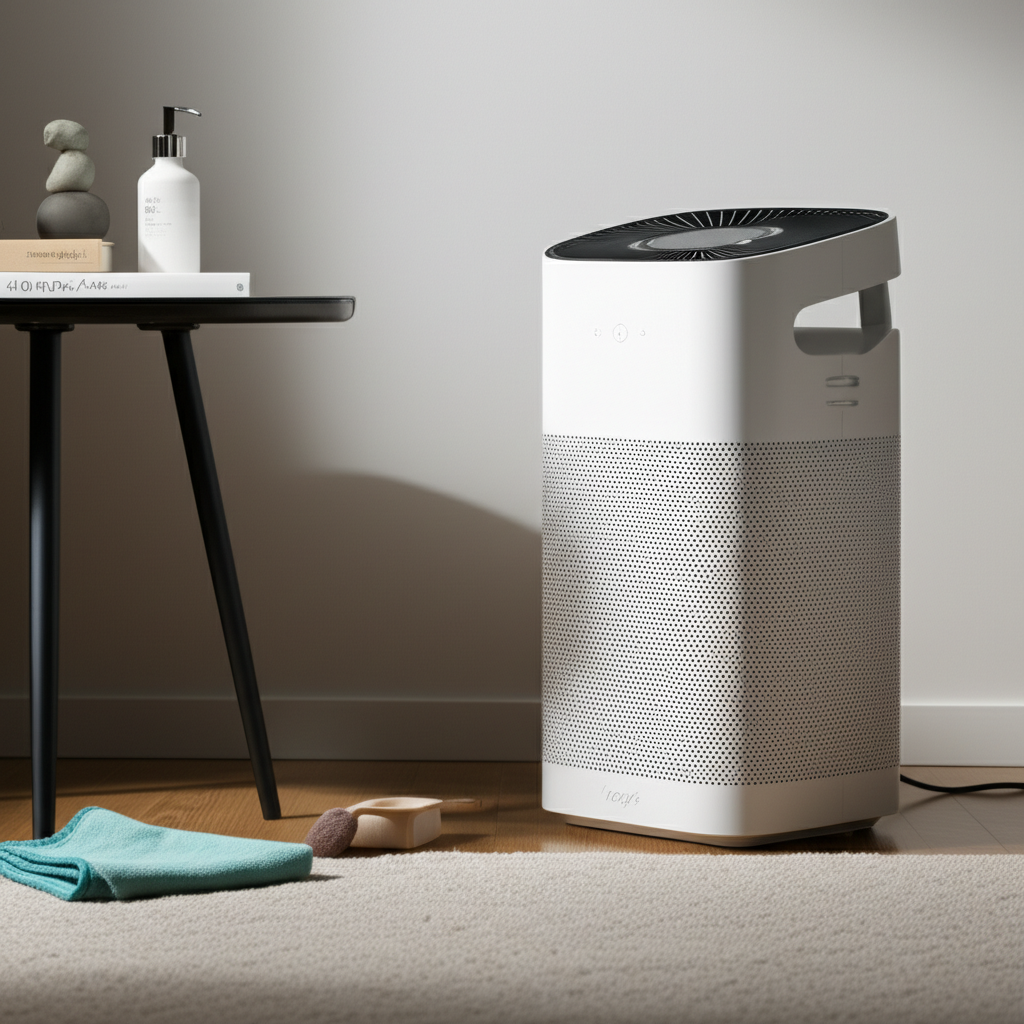
The air inside your home can be surprisingly more polluted than the air outside. Dust particles, once airborne, can travel throughout your living space, landing on furniture, carpets, and even your lungs. This constant exposure can lead to a variety of health issues, from mild irritation to more serious respiratory ailments.
Understanding Common Dust Sources
Common household dust originates from a variety of sources. Pet dander, shedding skin cells, and fabric fibers from upholstery and carpets are major contributors. Outdoor pollutants like pollen and soil particles can also be tracked inside, adding to the indoor dust load.
How Activated Carbon Air Purifiers Tackle Dust
Activated carbon air purifiers are remarkably effective at removing dust and other airborne contaminants from your home. Their unique filtering mechanism targets particles of various sizes, offering a comprehensive solution for cleaner air.
The Science Behind Activated Carbon
Activated carbon, also known as activated charcoal, is a specially processed form of carbon that has been treated to be extremely porous. This porosity creates a vast surface area, allowing it to effectively adsorb (trap) a wide range of airborne impurities. Think of it like a super-sponge for your air.
The Multi-Stage Filtration Process
Most activated carbon air purifiers for dust employ a multi-stage filtration system. This typically includes a pre-filter to capture larger particles like hair and lint, followed by the activated carbon filter for gases and odors, and often a HEPA filter to trap very fine dust and allergens. This layered approach ensures thorough purification.
Adsorption vs. Absorption: The Key Difference
It’s important to understand that activated carbon works through adsorption, not absorption. Adsorption means that the impurities stick to the surface of the carbon pores. Absorption, on the other hand, would mean the impurities are soaked up into the material. This surface-level trapping is what makes activated carbon so efficient at removing pollutants.
Beyond Dust: What Else Can Activated Carbon Filters Remove?
While incredibly effective for dust, the benefits of an activated carbon air purifier for dust extend far beyond just particulate matter. These filters are champions at tackling a variety of common indoor air pollutants.
Eliminating Odors and VOCs
Activated carbon excels at adsorbing volatile organic compounds (VOCs) and unpleasant odors. This means it can neutralize smells from cooking, pets, smoke, and even chemical off-gassing from furniture and cleaning products. This capability makes it a dual-action solution for both visible dust and invisible airborne irritants.
Reducing Allergens and Irritants
By trapping fine dust particles, activated carbon filters, especially when combined with HEPA filters, can significantly reduce common allergens. This includes pet dander, pollen, mold spores, and dust mites. For allergy sufferers, this can translate to noticeable relief and improved breathing.
Choosing the Right Activated Carbon Air Purifier for Dust
Selecting the best activated carbon air purifier for dust involves considering several key features and your specific needs. Not all purifiers are created equal, and understanding these factors will help you make an informed decision.
Key Features to Look For
When shopping for an activated carbon air purifier for dust, prioritize models with a substantial amount of activated carbon. Look for a multi-stage filtration system that includes a HEPA filter for fine dust and a washable pre-filter for larger particles. Consider the CADR (Clean Air Delivery Rate) to ensure it’s suitable for your room size.
Understanding Activated Carbon Filter Types
Activated carbon filters come in various forms, including granular activated carbon (GAC) and carbon cloth. GAC filters generally offer a higher concentration of carbon and are very effective at odor and VOC removal. Carbon cloth is often used in conjunction with other filters.
Size and Room Coverage Matters
The effectiveness of an air purifier is directly related to its ability to circulate air in your space. Ensure the purifier’s specifications, particularly its CADR, match the square footage of the room you intend to use it in. A unit that’s too small will struggle to adequately purify the air.
Maintenance: Keeping Your Activated Carbon Air Purifier Effective
To ensure your activated carbon air purifier for dust continues to perform optimally, regular maintenance is crucial. Neglecting this can reduce its efficiency and even lead to secondary pollution.
Filter Replacement Schedules
Activated carbon filters have a finite lifespan and will eventually become saturated, losing their adsorptive capabilities. Most manufacturers recommend replacing the activated carbon filter every 6-12 months, depending on usage and air quality. Always follow the manufacturer’s guidelines.
Cleaning the Pre-Filter
The pre-filter is designed to catch larger particles and is often washable. Regularly cleaning the pre-filter, typically every 2-4 weeks, will extend the life of the other filters and maintain optimal airflow. A vacuum cleaner can also be used for light dust removal.
Monitoring Performance
Pay attention to the performance of your air purifier. If you notice a decrease in air freshness, increased odors, or a buildup of dust on surfaces despite the purifier running, it might be time to check or replace the filters.
Benefits of Using an Activated Carbon Air Purifier for Dust
Investing in an activated carbon air purifier for dust offers a multitude of benefits for your home environment and personal health. It’s a proactive step towards a healthier living space.
Improved Indoor Air Quality
The most significant benefit is the dramatic improvement in indoor air quality. By removing dust, allergens, and odors, these purifiers create a cleaner, fresher atmosphere for everyone in the household. This can lead to fewer respiratory issues and a more comfortable living environment.
Relief for Allergy and Asthma Sufferers
For individuals with allergies or asthma, an activated carbon air purifier can be a game-changer. Reducing airborne irritants means fewer triggers for symptoms, leading to less sneezing, coughing, and difficulty breathing. It can contribute to a significant improvement in quality of life.
Odor Neutralization
Beyond dust, these purifiers are excellent at neutralizing a wide range of household odors. Whether it’s lingering cooking smells, pet odors, or smoke, an activated carbon filter can effectively remove them, leaving your home smelling fresh and clean.
Peace of Mind
Knowing you’re actively working to create a healthier home environment provides invaluable peace of mind. You can relax and enjoy your living space, confident that the air you’re breathing is as clean as possible.
Where to Place Your Activated Carbon Air Purifier
Strategic placement of your activated carbon air purifier for dust can maximize its effectiveness. Consider the areas where dust is most prevalent or where you spend the most time.
High-Traffic Areas
Placing the purifier in high-traffic areas like the living room or main hallway allows it to capture dust particles that are frequently stirred up. This helps prevent them from circulating throughout the entire home.
Bedrooms for Better Sleep
For allergy sufferers, placing an air purifier in the bedroom is highly recommended. Breathing cleaner air during sleep can lead to fewer nighttime awakenings due to congestion and a more restful night’s sleep.
Near Dust Sources
If you have specific sources of dust or odors, such as a pet’s favorite resting spot or near the kitchen, positioning the purifier nearby can help contain and remove these pollutants more effectively.
Common Misconceptions About Air Purifiers
Despite their growing popularity, there are still some common misconceptions about how air purifiers work and what they can achieve. Understanding these can help you set realistic expectations.
Not a Substitute for Cleaning
While an activated carbon air purifier for dust significantly reduces airborne dust, it’s not a substitute for regular cleaning. Dust will still settle on surfaces, and vacuuming and dusting remain essential. The purifier primarily tackles what becomes airborne.
Filter Lifespan Varies
The lifespan of filters, particularly activated carbon filters, can vary greatly. It depends on the amount of pollutants in your air, how often the purifier is used, and the quality of the filter itself. Relying solely on a fixed replacement schedule without monitoring can be inefficient.
Noise Levels Can Differ
Air purifiers produce noise, especially on higher fan settings. While many modern units are designed to be quiet, it’s a factor to consider, particularly if you plan to use it in a bedroom or office. Check decibel ratings before purchasing.
Comparing Activated Carbon to Other Air Purification Technologies
Activated carbon is a highly effective component of air purification, but it often works best in conjunction with other technologies. Understanding these differences helps you appreciate the role of activated carbon.
HEPA Filters: The Dust Trappers
HEPA (High-Efficiency Particulate Air) filters are designed to capture extremely small particles, including fine dust, pollen, and mold spores. They are excellent mechanical filters but do not address gases or odors. An activated carbon air purifier for dust often pairs with a HEPA filter for comprehensive air cleaning.
Ionizers and UV-C Light
Ionizers release negative ions that cause airborne particles to clump together and fall out of the air. UV-C light is used to kill bacteria and viruses. While these technologies have their benefits, they can sometimes produce ozone, which can be a respiratory irritant. Activated carbon, on the other hand, is generally ozone-free.
The Power of Combination
The most effective air purifiers combine multiple technologies. A system with a pre-filter, activated carbon, and a HEPA filter offers a robust solution for a wide range of indoor air pollutants, effectively addressing both particulate matter and gaseous contaminants.
Maintaining a Dust-Free Environment with Your Air Purifier
An activated carbon air purifier for dust is a powerful tool, but it’s part of a larger strategy for maintaining a clean home. Integrating it with good housekeeping practices yields the best results.
Regular Cleaning Habits
Consistent dusting, vacuuming with a HEPA-filtered vacuum, and washing bedding regularly are crucial. These actions reduce the source of dust and prevent it from becoming airborne in the first place.
Controlling Humidity
High humidity can encourage the growth of mold and dust mites. Using a dehumidifier in damp areas can help control these common allergens and irritants, complementing the work of your air purifier.
Ventilation
While air purifiers clean indoor air, opening windows periodically to allow fresh air circulation can also be beneficial. This helps dilute indoor pollutants and improve overall air quality, especially after cleaning or cooking.
Frequently Asked Questions About Activated Carbon Air Purifiers for Dust
What exactly is activated carbon in an air purifier?
Activated carbon is a highly porous form of charcoal that traps gases, odors, and volatile organic compounds (VOCs) through a process called adsorption. It acts like a super-sponge for airborne chemical pollutants and smells.
How often do I need to replace the activated carbon filter?
Generally, activated carbon filters should be replaced every 6 to 12 months, depending on the model, usage, and the level of pollutants in your air. Some purifiers have indicator lights to signal when replacement is due.
Can an activated carbon air purifier remove all types of dust?
Activated carbon is excellent at adsorbing gases and odors. For fine dust particles, it’s most effective when combined with a HEPA filter, which is specifically designed to trap microscopic particulate matter.
Is an activated carbon air purifier noisy?
Noise levels vary by model. Many modern purifiers are designed to operate quietly, especially on lower settings. It’s advisable to check the decibel (dB) rating before purchasing if noise is a concern.
Will an activated carbon air purifier help with pet odors?
Yes, activated carbon is highly effective at adsorbing and neutralizing pet odors. It works by trapping the odor-causing molecules, leaving your home smelling fresher.
Do I need an air purifier if I clean my house regularly?
Even with regular cleaning, dust and other airborne pollutants can become airborne. An air purifier, especially one with activated carbon, continuously cleans the air, reducing residual pollutants and allergens that cleaning alone might miss.
Are there any side effects of using an activated carbon air purifier?
Activated carbon air purifiers are generally safe and do not produce harmful byproducts like ozone, unlike some other air purification technologies. They are a recommended choice for creating a healthier indoor environment.
Conclusion: Breathe Easier with Activated Carbon Air Purification
An activated carbon air purifier for dust is an invaluable investment for anyone seeking to improve their home’s air quality. Its unique ability to adsorb not only dust but also a wide array of odors and VOCs makes it a comprehensive solution for a healthier living space. By understanding how activated carbon works and choosing a unit that fits your needs, you can significantly reduce allergens, eliminate unpleasant smells, and create an environment where you can truly breathe easier. Remember to maintain your purifier by replacing filters as recommended to ensure it continues to provide the clean, fresh air you deserve.