
A Vacuum Cleaner With Water: Essential Cleaning Genius

A vacuum cleaner with water offers a genius cleaning solution, tackling dust, allergens, and even pet dander with superior efficiency. It uses water to trap particles, leaving your air fresher and your surfaces cleaner than traditional vacuums.
What is a vacuum cleaner with water, and why is it a game-changer for home cleaning? Many people struggle with lingering dust and allergens after vacuuming. Traditional vacuums can sometimes recirculate fine particles, making allergy symptoms worse. A vacuum cleaner with water uses a different approach. It harnesses the power of water to capture dirt and dust, offering a deeper, healthier clean. This method is a brilliant innovation for anyone seeking truly fresh air and spotless floors.
The Magic of Water: How a Vacuum Cleaner with Water Works
A vacuum cleaner with water, often called a wet vacuum or water filtration vacuum, uses a basin of water to trap dirt. As the vacuum sucks up debris, it forces the air and dirt through the water. The water acts like a sticky trap, holding onto dust, allergens, pet hair, and even tiny particles. This prevents them from being blown back into your room.
This innovative design means that what goes into the water, stays in the water. It’s a simple yet incredibly effective way to clean your home thoroughly. The result is air that feels noticeably fresher and cleaner.
Why Choose Water Filtration Over Traditional Vacuums?
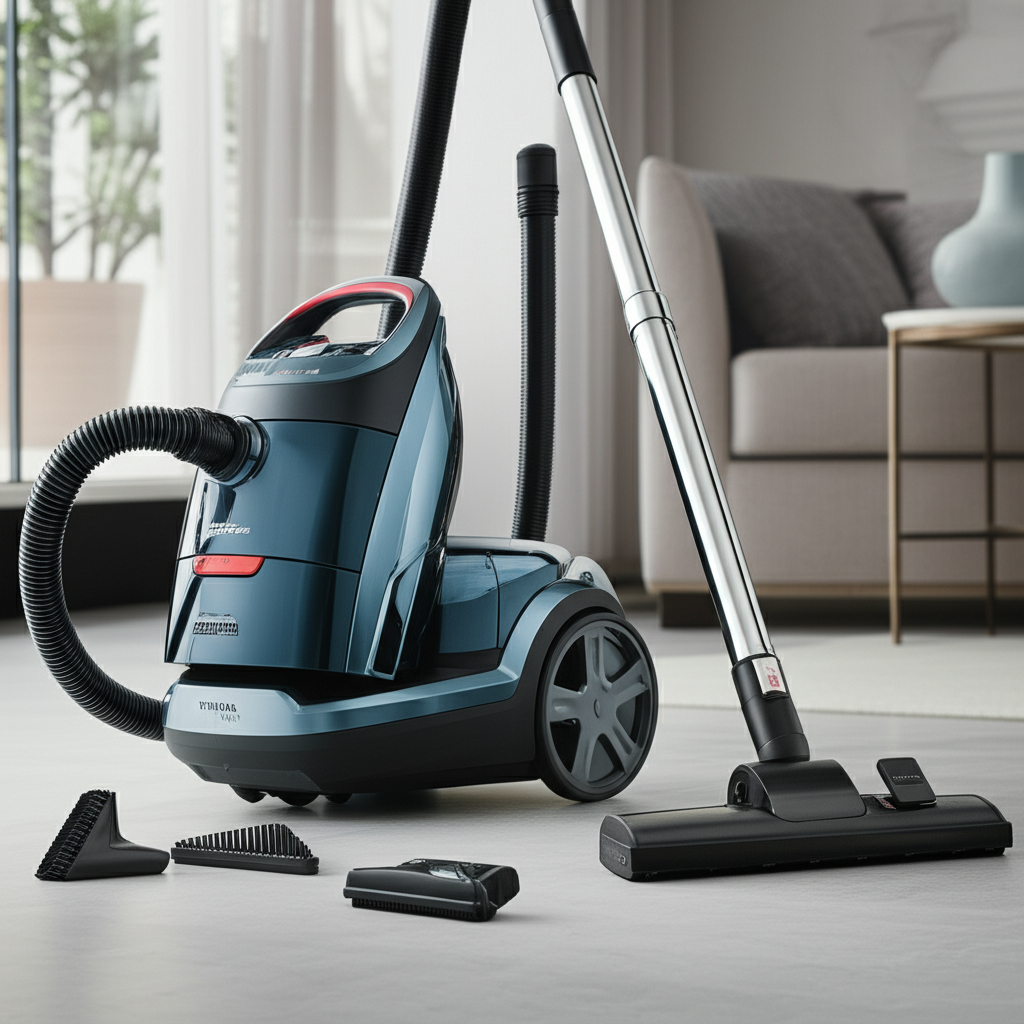
Traditional vacuums often rely on bags or filters to catch dust. While effective to a degree, these can become clogged. Fine particles can sometimes escape through tiny holes in the filter. This can recirculate dust and allergens into your living space.
A vacuum cleaner with water offers a distinct advantage here. By using water as the primary filtration medium, it captures even the smallest particles. This makes it especially beneficial for people with allergies or asthma. It’s a smarter way to manage airborne irritants in your home.
Types of Vacuums That Use Water
There are a few main types of vacuums that incorporate water into their cleaning process. Understanding these will help you find the best fit for your needs. Each type offers unique benefits for different cleaning tasks.
Wet/Dry Vacuums
These are versatile workhorses. A wet/dry vacuum can handle both dry debris and liquid spills. They typically have a large tank where water is used to capture dirt during vacuuming.
Many models allow you to remove the dry filter and add water. This makes them suitable for deep cleaning carpets or cleaning up accidental messes. They are robust and designed for tough jobs.
Air Purifier Vacuums with Water Filtration
Some advanced vacuum cleaners also function as air purifiers. These machines not only vacuum your floors but also clean the air. They use a water basin to trap dust and allergens from the air as well as from your floors.
These are excellent for creating a healthier indoor environment. They continuously filter the air while you clean. This dual-action approach tackles airborne pollutants directly.
Specialized Water-Based Cleaning Systems
Certain high-end cleaning systems are built around water. These might be more than just a vacuum. They can include steam cleaning or deep carpet washing capabilities.
These systems often use heated water or specialized cleaning solutions mixed with water. They offer the most intensive clean. They are ideal for very thorough home sanitization.
Key Benefits of Using a Vacuum Cleaner with Water
The advantages of a water-based vacuum are numerous. They go beyond just picking up visible dirt. The core benefit lies in how they manage microscopic particles and air quality.
Superior Allergen and Dust Capture
Water is an incredibly effective medium for trapping tiny particles. A vacuum cleaner with water can capture dust mites, pollen, pet dander, and mold spores. These are common triggers for allergies and asthma.
By trapping these irritants in water, the vacuum prevents them from being released back into the air. This leads to a significant improvement in indoor air quality. For allergy sufferers, this can mean a noticeable reduction in symptoms.
Elimination of Dust Bags and Filters
Many water vacuums eliminate the need for traditional dust bags. This saves you money on replacement bags. It also means you don’t have to deal with the mess of emptying a dusty bag.
Some models still use filters, but the primary capture is in the water. This reduces the strain on filters and can extend their lifespan. It simplifies maintenance and makes the cleaning process less messy.
Fresher, Odor-Free Air
Dust and dirt trapped in water are less likely to create odors. Traditional vacuums can sometimes emit a dusty smell. This happens when fine particles escape or the bag/filter becomes musty.
A vacuum cleaner with water captures odor-causing particles effectively. The expelled air is often cleaner and fresher. This contributes to a more pleasant home environment.
Environmentally Friendly Cleaning
By using water as a filter, you reduce waste. There are no disposable bags to throw away. This makes a water vacuum a more eco-friendly choice for cleaning.
It’s a simple switch that contributes to less landfill waste. Many users appreciate the sustainability aspect of this cleaning technology.
How to Use a Vacuum Cleaner with Water Effectively
Using a vacuum cleaner with water is straightforward. It involves a few simple steps before and after you start cleaning. Following these will ensure you get the best results.
Preparation Steps
First, fill the water tank to the recommended level. Check your vacuum’s manual for the exact amount. Some vacuums allow you to add a drop of mild soap or essential oil to the water for extra freshness.
Ensure all connections are secure and the filter is properly in place if your model uses one. Plug in the vacuum and select the appropriate setting for your cleaning task.
During Cleaning
Start vacuuming as you normally would. Move the vacuum over carpets, hard floors, and upholstery. You will see the water in the tank begin to change color as it collects dirt.
For stubborn stains or spills, you might need to go over the area a few times. The water helps to lift and trap the dirt effectively. Pay attention to areas where dust tends to accumulate.
Post-Cleaning Care
After you finish cleaning, it’s crucial to empty and clean the water tank. Carefully discard the dirty water. Rinse the tank thoroughly with clean water.
Wipe down the exterior of the vacuum. Some models may require cleaning or drying of specific parts. Proper maintenance ensures your vacuum works efficiently for a long time.
Choosing the Right Vacuum Cleaner with Water for You
With various models available, selecting the best vacuum cleaner with water depends on your needs. Consider the size of your home, the types of surfaces you clean, and your budget.
Factors to Consider
Size and Weight: If you have a large home, a lighter, more maneuverable vacuum might be better.
Tank Capacity: A larger tank means you can clean for longer without refilling or emptying.
Attachments: Look for models with various attachments for different cleaning tasks, like crevice tools or upholstery brushes.
Noise Level: Some vacuums are quieter than others. This can be important if you have pets or young children.
Price: Water vacuums range in price. Set a budget before you start shopping.
Top Features to Look For
Adjustable Suction Power: This allows you to tailor the vacuum’s strength to different surfaces.
Water Level Indicator: Helps you know when to add or empty water.
Easy-to-Empty Design: Simplifies the post-cleaning process.
* Durable Construction: Ensures your vacuum lasts for years.
Maintenance and Care for Longevity
Proper maintenance is key to keeping your vacuum cleaner with water in top condition. This ensures it continues to perform at its best and lasts longer. Regular care prevents issues and keeps your cleaning tool reliable.
Regular Cleaning Routine
After each use, always empty and rinse the water tank. This prevents mold and mildew growth. Dry the tank and any removable parts before storing.
Check the vacuum’s intake and any filters for blockages. Clean them as per the manufacturer’s instructions. This simple routine is vital for optimal performance.
Periodic Deep Cleaning
Every few months, or as recommended by the manufacturer, perform a deeper clean. This might involve cleaning the brush roll or specific internal components. Refer to your user manual for detailed instructions.
Using only recommended cleaning solutions with the water is also important. Harsh chemicals can damage the vacuum. Stick to mild soaps or manufacturer-approved additives.
A Vacuum Cleaner with Water vs. Other Cleaning Methods
Comparing a vacuum cleaner with water to other methods highlights its unique strengths. While each method has its place, water filtration offers distinct advantages for air quality and deep cleaning.
Traditional Bagged/Bagless Vacuums
As discussed, traditional vacuums can recirculate fine dust and allergens. A water vacuum excels at trapping these particles. This makes it a better choice for health-conscious households.
The initial cost of a water vacuum might be higher. However, the savings on dust bags and potential health benefits can make it more cost-effective long-term.
Robot Vacuums
Robot vacuums offer convenience for daily maintenance. They can keep floors tidy between deep cleans. However, their dustbins are small and often recirculate fine dust.
A water vacuum provides a more thorough clean. It’s essential for deep cleaning and tackling larger messes. Robot vacuums are great for upkeep, but a water vacuum is for true cleaning power.
Steam Mops and Cleaners
Steam mops use hot steam to clean and sanitize hard floors. They are excellent for killing germs. However, they are not designed for dry debris pickup.
A vacuum cleaner with water handles both dry dirt and can be used for damp cleaning. It offers a more comprehensive cleaning solution for various surfaces.
Common Questions About Water Vacuums
Here are some answers to common questions people have about using a vacuum cleaner with water. These should help clarify any doubts you might have.
Q1: Do water vacuums leave floors too wet?
Most models are designed to pick up dirt and moisture. They don’t typically leave floors excessively wet. For spills, they can remove liquids efficiently.
Q2: Are water vacuums good for pet owners?
Yes, they are excellent for pet owners. They capture pet dander and hair effectively. They also help reduce pet odors that can linger in the air.
Q3: How often should I change the water?
You should empty and rinse the water tank after each use. This prevents dirt buildup and odors. For air purification features, some systems might run with water continuously.
Q4: Can I use essential oils in the water?
Some manufacturers allow a drop of essential oil for added fragrance. Always check your vacuum’s manual first. Using the wrong additives can damage the machine.
Q5: Are they noisy?
Noise levels vary by model. Some are designed to be quieter than others. It’s a good idea to check reviews or specifications for noise ratings if this is a concern.
Q6: What is the best brand for a vacuum cleaner with water?
Several reputable brands offer water vacuums. Popular choices include Rainbow, Hyla, and some models from Bissell or Miele. Researching specific models and reading user reviews is recommended.
Conclusion: A Smarter Way to Clean
A vacuum cleaner with water is more than just a cleaning tool; it’s an investment in a healthier home. It tackles dust, allergens, and odors with remarkable efficiency. By trapping dirt in water, it ensures cleaner air and surfaces. This method is a clear step up from traditional vacuums.
If you’re looking for a superior clean and fresher air, consider a vacuum cleaner with water. It offers a genius solution for modern homes. Experience the difference water filtration can make in your daily cleaning routine.
