A Long Brush For Cleaning Bottles: Essential Guide

A long brush for cleaning bottles is a must-have tool for reaching deep into narrow openings, ensuring all your bottles are hygienically clean. This guide explores the benefits, types, and selection criteria for finding the perfect bottle brush, making your cleaning tasks simpler and more effective.
Why You Need A Long Brush For Cleaning Bottles
Dirty bottles can harbor germs. A long brush for cleaning bottles helps you reach every nook and cranny. This prevents bad smells and keeps your drinks healthy. It’s a simple tool that makes a big difference in your kitchen hygiene.
Imagine trying to scrub the inside of a tall water bottle with just a sponge. It’s nearly impossible to get it truly clean. That’s where a long brush for cleaning bottles comes in handy, making the job easy and effective.
The Challenge of Bottle Cleaning
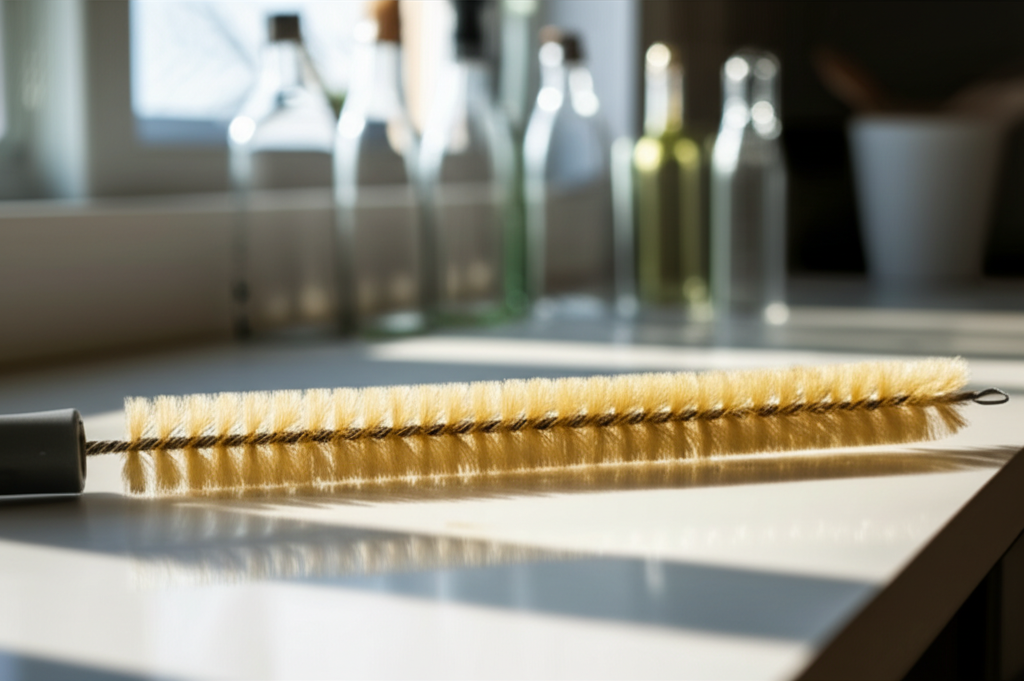
Many bottles, especially those with narrow necks like water bottles, sports bottles, and even some vases, are hard to clean. Regular sponges or dishcloths can’t fit inside. This leaves behind residue and can lead to stubborn stains or mold.
Without the right tool, you might resort to harsh chemicals or simply give up on reusable bottles. This is not only unhygienic but also bad for the environment. A long brush for cleaning bottles solves this problem efficiently.
Benefits of Using A Dedicated Bottle Brush
A long brush for cleaning bottles is designed to tackle these cleaning challenges. Its long handle allows you to reach the bottom of tall containers. The bristles are often shaped to scrub all surfaces effectively.
Using a dedicated brush ensures thorough cleaning. It removes dried-on food, residue, and potential bacteria. This leads to cleaner, safer bottles for you and your family.
Types of Long Bottle Brushes
There are several types of long brushes for cleaning bottles. Each has unique features for different needs. Understanding these types helps you pick the best one for your home.
Bristle Material Matters
Bottle brushes come with different bristle materials. Nylon bristles are common, durable, and easy to clean. They are good for general scrubbing and are often found on affordable brushes.
Silicone brushes are softer and more flexible. They are great for delicate bottles or when you want to avoid scratching. Silicone is also very hygienic and resists mold and mildew well.
Natural bristles, like those made from hog hair or coir, are also available. They offer a more traditional feel and can be effective for tough scrubbing. However, they might require more careful drying to prevent mildew.
Handle Design and Length
The handle is crucial for a long brush for cleaning bottles. Look for handles that are long enough to comfortably reach the bottom of your tallest bottles. Ergonomic handles provide a better grip, especially when wet.
Some handles are made of plastic, while others are stainless steel or wood. Plastic is lightweight and easy to clean. Steel offers durability, and wood provides a natural, comfortable feel.
Specialty Brushes
Beyond general-purpose brushes, you can find specialized ones. These include narrow brushes for straws or baby bottle nipples. Some have flexible heads to get into tight corners. Others have weighted bases to stand upright on your counter.
For instance, a dedicated straw brush will have a very thin diameter. This allows it to fit inside reusable straws easily. A baby bottle brush might have a smaller, softer brush attached to clean nipples and valves.
Choosing The Best Long Brush For Cleaning Bottles
Selecting the right long brush for cleaning bottles depends on your needs. Consider the types of bottles you clean most often. Think about the materials you prefer and how easy it should be to store.
Consider Your Bottle Collection
If you mainly clean tall water bottles, a brush with a long, sturdy handle is essential. For baby bottles and sippy cups, look for brushes with attachments for small parts. If you have delicate glassware, a silicone or soft-bristled brush is a better choice.
A versatile long brush for cleaning bottles can handle most common items. However, for very specific items like carafes or narrow laboratory glassware, a specialized brush might be necessary.
Durability and Ease of Cleaning
A good bottle brush should last a long time. Check reviews for durability. Materials like stainless steel handles and high-quality nylon bristles tend to be more robust. After use, rinse the brush thoroughly and let it air dry.
Some brushes are dishwasher safe, which adds convenience. If not, regular washing with soap and water is important. Store the brush upright or in a way that allows it to dry completely.
Ergonomics and Grip
You’ll be using this brush frequently, so comfort is key. An ergonomic handle reduces strain on your hand and wrist. A non-slip grip is especially useful when the brush is wet. This prevents accidents and makes cleaning easier.
Test the grip if possible. A handle that feels good in your hand will make cleaning less of a chore. Some brushes also have a loop for hanging, which saves counter space and aids drying.
Top Long Brushes For Cleaning Bottles: A Comparison
Let’s look at some popular options. These are highly-rated brushes that perform well. We’ll compare them based on key features to help you decide.
Popular Brands and Models
Brands like OXO, Joseph Joseph, and Dr. Brown’s offer well-regarded bottle brushes. OXO is known for its comfortable, non-slip grips. Joseph Joseph often incorporates clever, space-saving designs.
Dr. Brown’s is a favorite for parents due to its effectiveness with baby bottles. Many smaller brands also offer excellent value and specialized designs.
Feature Comparison Table
Here’s a quick look at how different types of brushes stack up:
| Feature | Nylon Bristle Brush | Silicone Brush | Natural Bristle Brush |
|---|---|---|---|
| Durability | High | High | Medium |
| Scratching Risk | Low | Very Low | Low |
| Drying Time | Medium | Fast | Slow |
| Best For | General Use | Delicate Surfaces, Hygeine | Tough Scrubbing |
This table shows that each type has its own strengths. Your choice depends on what you prioritize most in a cleaning tool.
User Reviews and Recommendations
Many users praise brushes with flexible heads that can bend to reach tricky spots. Others appreciate brushes that come with a smaller cleaning brush for lids and straws. Long-lasting bristles are also a common point of satisfaction.
“I love my OXO bottle brush,” says one reviewer. “The handle is so comfortable, and it cleans my water bottle perfectly.” Such feedback highlights the importance of ergonomics and cleaning power.
How To Use A Long Brush For Cleaning Bottles Effectively
Using your long brush for cleaning bottles correctly ensures the best results. It’s a simple process but a few tips can make it even better.
Step-by-Step Cleaning Process
First, rinse the bottle with warm water. Then, add a small amount of dish soap and fill the bottle halfway with water. Insert your long brush for cleaning bottles and scrub the inside thoroughly. Pay attention to the bottom and sides.
Next, rinse the bottle again with clean water until all soap is gone. Finally, empty the bottle and let it air dry completely. Storing it upside down can help with drainage.
Tips for Stubborn Stains
For tough stains or residue, you can make a paste of baking soda and water. Apply it inside the bottle and let it sit for a while. Then, use your long brush for cleaning bottles to scrub it away. You can also use a mixture of vinegar and water for some types of stains.
Never mix cleaning chemicals, as this can create dangerous fumes. Always rinse thoroughly after using any cleaning agent. This ensures no harmful residues are left behind.
Maintaining Your Bottle Brush
To keep your long brush for cleaning bottles in good condition, rinse it after every use. Allow it to air dry completely. Avoid leaving it in standing water, as this can promote bacterial growth. Periodically, you can wash it in the dishwasher or with hot, soapy water.
Replace your brush when the bristles become worn or bent. A worn-out brush won’t clean effectively. Most bottle brushes last several months to a year with proper care.
Beyond Bottles: Other Uses For Your Long Brush
A long brush for cleaning bottles is versatile. It can be used for more than just beverage containers. You might be surprised at how many other cleaning tasks it can help with.
Cleaning Other Kitchen Items
Use your bottle brush to clean narrow-necked kitchen tools like oil dispensers, sauce bottles, or even the inside of blenders. It’s also great for cleaning the inside of pitchers or carafes.
The long handle and flexible bristles make it ideal for reaching into items that are difficult to clean by hand. This can include things like cheese graters or the nooks and crannies of a coffee maker’s carafe.
Household Cleaning Applications
You can use a long brush for cleaning bottles for various household tasks. It works well for cleaning the inside of vacuum cleaner hoses or even reaching into plumbing fixtures like sink drains to dislodge debris. Some people use them to clean intricate decorative items or vases.
Always ensure the brush is clean and dry before using it for a new task. If using it for non-kitchen items, consider having a separate brush dedicated to that purpose.
Environmental and Health Benefits
Using a long brush for cleaning bottles supports a healthier lifestyle and a greener planet. Reusable bottles reduce plastic waste. A good brush ensures they are cleaned properly, making them a safe alternative to single-use plastics.
Reducing Single-Use Plastic Waste
The impact of single-use plastic bottles on our environment is significant. By encouraging the use of reusable bottles, we can drastically cut down on waste. A study by Statista indicates millions of plastic bottles are consumed annually.
Investing in a quality long brush for cleaning bottles makes maintaining reusable bottles easy. This promotes their continued use and reduces reliance on disposable options.
Ensuring Hygienic Drinking Water
Contaminated water bottles can be a source of illness. Proper cleaning with a long brush for cleaning bottles ensures that bacteria and mold are removed. This is especially important for children’s water bottles and those used for sports.
According to the Centers for Disease Control and Prevention (CDC), ensuring water is clean is vital for health. A clean bottle contributes to safe drinking water.
Frequently Asked Questions (FAQ)
What is the best material for bottle brush bristles?
Nylon bristles are durable and effective for most cleaning. Silicone bristles are gentler and more hygienic, resisting mold. Natural bristles offer tough scrubbing but need careful drying.
How long should a bottle brush be?
The length depends on your bottles. It should be long enough to comfortably reach the bottom of your tallest container with ease.
Can I use a bottle brush to clean my reusable straws?
Yes, many bottle brushes come with a smaller, thinner brush attachment specifically designed for cleaning straws and narrow openings.
How often should I replace my bottle brush?
Replace your bottle brush every 3-6 months, or sooner if the bristles are frayed, bent, or dirty. A worn brush won’t clean effectively.
Are silicone bottle brushes better than nylon ones?
Silicone brushes are excellent for preventing scratches and are very hygienic. Nylon brushes are generally more affordable and can offer a firmer scrub for tougher residues.
Can I put my bottle brush in the dishwasher?
Some bottle brushes are dishwasher safe, but many are not. Check the manufacturer’s instructions. Air drying is usually recommended to prolong its life and hygiene.
Conclusion: The Indispensable Long Brush For Cleaning Bottles
In conclusion, a long brush for cleaning bottles is far more than just a cleaning tool. It’s an investment in hygiene, health, and sustainability. It tackles the often-frustrating task of cleaning tall, narrow containers with ease.
By understanding the different types and choosing one that suits your needs, you ensure your bottles remain sparkling clean and safe to use. Make a long brush for cleaning bottles a permanent fixture in your kitchen cleaning arsenal.