
A Food Service Manager Must Buy New Cleaning Brushes: Essential Tools

A Food Service Manager Must Buy New Cleaning Brushes: Essential Tools for Hygiene and Safety
A food service manager must buy new cleaning brushes regularly. Worn-out brushes spread germs, leading to foodborne illnesses. Investing in fresh, effective brushes is crucial for maintaining a safe, clean, and compliant kitchen environment, protecting both customers and your business reputation.
Running a busy food service establishment means juggling many tasks. Keeping everything spotless is one of the most important. You might not think much about them, but cleaning brushes are vital tools. Old, dirty brushes can cause big problems. This article will show you why a food service manager must buy new cleaning brushes and what to look for. We’ll cover everything from picking the right brush to knowing when it’s time for a replacement.
Why Fresh Cleaning Brushes Are Non-Negotiable
In any kitchen, cleanliness is key to preventing foodborne illnesses. Bacteria and viruses love to hide. Worn-out cleaning tools can become breeding grounds for these harmful microbes. Replacing old brushes ensures effective sanitation, safeguarding your customers’ health and your establishment’s reputation. It’s a simple step with a massive impact.
Did you know that foodborne illnesses cost the US billions of dollars each year? The CDC estimates that about 48 million people get sick from contaminated food annually. Proper cleaning tools are your first line of defense against these costly outbreaks. Investing in new brushes is a small price to pay for such critical protection.
The Hidden Dangers of Worn-Out Brushes
Imagine a brush with frayed bristles. These loose strands can break off and fall into food. Worse, old bristles trap food particles and bacteria. They can spread germs across surfaces instead of cleaning them. This creates a serious risk of cross-contamination. It’s a silent threat to your kitchen’s safety.
When bristles are bent or broken, they can’t scrub effectively. This leaves behind unseen grime and pathogens. Even if a brush looks okay from a distance, tiny damages can harbor significant contamination. This is why a food service manager must buy new cleaning brushes before they become a liability.
When to Replace Your Cleaning Brushes: A Visual Guide
Knowing when to say goodbye to an old brush is as important as choosing a new one. Look for clear signs of wear and tear. These indicators are your cue that it’s time for a fresh start in your cleaning routine. Don’t wait for a problem to arise; be proactive.
Signs Your Brushes Need Replacing
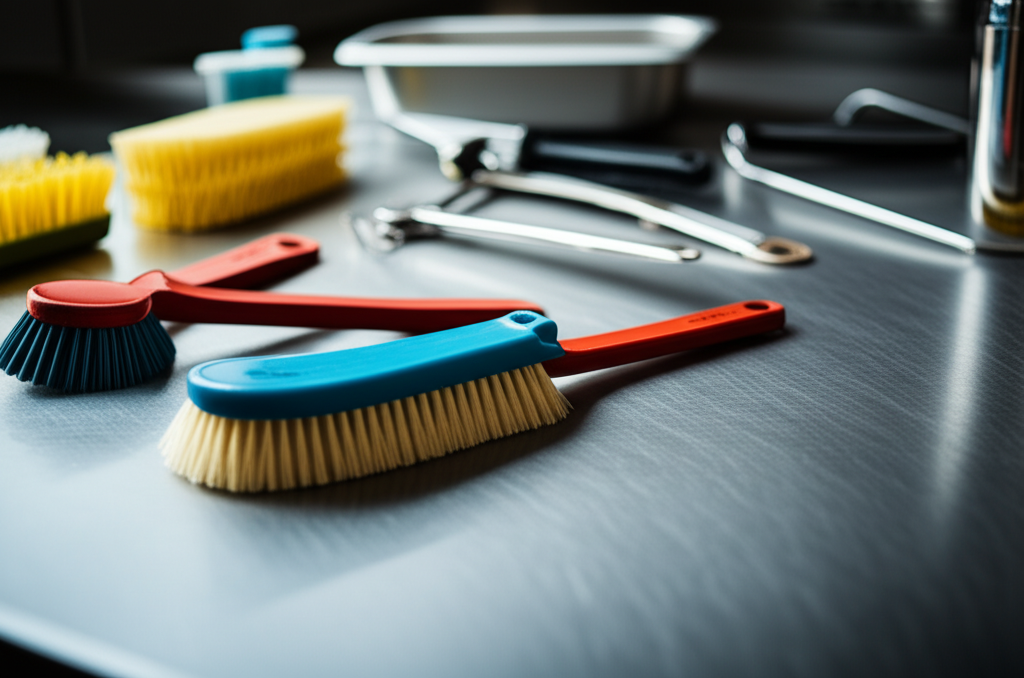
- Frayed or Bent Bristles: Bristles that are splayed out or misshapen can’t clean properly.
- Discoloration: Stains that won’t wash out can indicate trapped bacteria or chemicals.
- Mold or Mildew Growth: Any sign of mold is a definite red flag for immediate disposal.
- Unpleasant Odors: A persistent bad smell suggests deep-seated contamination that cleaning can’t fix.
- Loose Handle or Head: A brush that feels unstable is a safety hazard and ineffective.
Regularly inspecting your brushes is part of good kitchen management. A quick visual check can prevent many potential issues. If any of these signs are present, it’s time to discard the old brush.
Types of Cleaning Brushes Every Food Service Manager Needs
Different tasks require different brushes. Having the right tool for the job makes cleaning faster and more effective. Understanding the variety available helps you make smart choices for your kitchen’s specific needs. From pots to grates, there’s a brush for every mess.
Essential Brushes for Food Service
- Scrub Brushes: Sturdy brushes with stiff bristles for tough scrubbing on pots, pans, and surfaces.
- Bottle Brushes: Long, narrow brushes designed to clean inside bottles, pitchers, and other narrow containers.
- Grate Brushes: Often wire-bristled, these are ideal for cleaning grill grates and ovens.
- Detail Brushes: Smaller brushes for cleaning tight corners, crevices, and intricate equipment parts.
- Dishwashing Brushes: Designed for general dish cleaning, often with ergonomic handles for comfort.
Having a well-stocked brush collection ensures you’re prepared for any cleaning challenge. Each type plays a specific role in maintaining hygiene. This variety ensures thorough cleaning of all kitchen areas and equipment.
Choosing the Right Bristle Material
The material of a brush’s bristles affects its durability, effectiveness, and suitability for different surfaces. Some materials are better for high heat, while others are gentler. Selecting the right bristles ensures efficient cleaning without damaging your equipment. This is a key consideration when a food service manager must buy new cleaning brushes.
Common Bristle Materials and Their Uses
Here’s a look at popular bristle types:
| Bristle Material | Pros | Cons | Best For |
|---|---|---|---|
| Nylon | Durable, heat-resistant, good for general scrubbing. | Can sometimes be too stiff for delicate surfaces. | Pots, pans, countertops, general cleaning. |
| Polypropylene | Chemical resistant, good for acidic or alkaline cleaners. | Less heat resistant than nylon. | Sanitizing areas, chemical cleaning. |
| Wire (Brass/Stainless Steel) | Very effective for tough, baked-on food and grease. | Can scratch delicate surfaces, not for all equipment. | Grill grates, ovens, heavy-duty cleaning. |
| Natural Fibers (e.g., Tampico) | Gentle, good for specific surfaces. | Less durable, can absorb moisture and harbor bacteria if not dried properly. | Specific cookware, delicate equipment. |
Understanding these differences helps you pick brushes that work best without causing damage. Proper material selection is a cornerstone of effective kitchen maintenance.
Ergonomics and Handle Design Matter
A comfortable brush makes a big difference, especially during long cleaning shifts. Ergonomically designed handles reduce strain on your staff’s hands and wrists. This not only improves comfort but also enhances cleaning efficiency. Happy hands do a better job!
Look for brushes with non-slip grips and balanced weight. Handles that fit well in the hand prevent accidental drops and reduce fatigue. This is an often-overlooked aspect when a food service manager must buy new cleaning brushes, but it’s vital for staff well-being and productivity. A well-designed tool can prevent injuries and make cleaning less of a chore.
Where to Buy Quality Cleaning Brushes
Sourcing your cleaning supplies from reputable vendors ensures you get durable, effective products. Cheap, low-quality brushes might seem like a bargain but will cost you more in the long run. Invest in tools that will last and perform.
Consider restaurant supply stores, janitorial supply companies, or trusted online retailers specializing in food service equipment. Brands like WebstaurantStore often carry a wide selection of professional-grade cleaning tools. Always check product reviews and specifications before making a purchase.
Cleaning Brush Maintenance and Storage
Even the best brushes need proper care to last. Simply rinsing them isn’t enough. Regular cleaning and correct storage are crucial to prevent them from becoming contaminated themselves. This extends their lifespan and maintains their effectiveness.
Best Practices for Brush Care
- Rinse Thoroughly: Always rinse brushes immediately after use to remove food particles.
- Sanitize Regularly: Soak brushes in a sanitizing solution or run them through a dishwasher if safe.
- Dry Properly: Store brushes bristle-side up or hang them to allow air circulation.
- Dedicated Storage: Keep cleaning brushes separate from food preparation areas.
- Designated Holders: Use specific containers or racks for brush storage.
Proper maintenance ensures your brushes remain hygienic tools, not sources of contamination. This attention to detail reinforces your commitment to food safety.
The Cost of Neglect: Beyond Just Dirty Brushes
Ignoring the need for new cleaning brushes can lead to significant problems. The direct costs include potential equipment damage and decreased cleaning efficiency. But the indirect costs are far more severe. These include reputational damage and legal liabilities from foodborne illness outbreaks.
A single incident of food poisoning can lead to lawsuits, fines, and a loss of customer trust that is hard to regain. For instance, a 2019 E. coli outbreak linked to romaine lettuce resulted in widespread recalls and significant economic impact for affected businesses. While not directly caused by brushes, it highlights how easily contamination can spread and the severe consequences.
Making the Purchase: A Smart Investment
When a food service manager must buy new cleaning brushes, they are not just buying cleaning supplies. They are investing in the health and safety of their customers and staff. They are investing in the integrity and longevity of their business. This is a critical operational expenditure.
Think of it this way: a set of quality brushes might cost $50-$100. This is a small fraction of the potential cost of a single foodborne illness incident. Prioritizing hygiene with reliable tools is always the wisest financial and ethical decision. It reflects your dedication to excellence in food service.
Frequently Asked Questions
How often should I replace cleaning brushes in a food service setting?
You should replace brushes as soon as they show signs of wear, such as frayed bristles, discoloration, or damage. For high-use brushes, this could be as often as monthly. Regular visual inspection is key.
Can I use household cleaning brushes in a commercial kitchen?
Generally, no. Commercial kitchens require brushes made from food-grade materials that can withstand rigorous cleaning and sanitizing protocols. Household brushes may not meet these standards and could harbor more bacteria.
Are wire brushes safe to use for cleaning kitchen equipment?
Wire brushes, especially stainless steel or brass, are effective for tough jobs like grill grates. However, they can scratch surfaces. Always use them cautiously and ensure no wire bristles detach and contaminate food.
What is the best way to sanitize cleaning brushes?
The best method is often to use a food-safe sanitizer solution at the correct concentration. Many commercial dishwashers can also sanitize brushes effectively if they are heat-resistant and properly secured. Always follow manufacturer guidelines.
Where is the best place to store cleaning brushes?
Brushes should be stored in a clean, dry, and designated area away from food preparation zones. Ideally, they should be stored upright with bristles facing up, or hung to allow for maximum air circulation and drying.
What does “food-grade” mean for cleaning brushes?
Food-grade means the materials used to make the brush are safe for contact with food. They are non-toxic and won’t leach harmful chemicals into food products. This is a critical standard for all kitchen equipment.
Conclusion
To sum it up, a food service manager must buy new cleaning brushes as a fundamental practice for hygiene and safety. Worn-out brushes are a hidden threat, capable of spreading germs and compromising food quality. By regularly inspecting your tools, choosing the right materials, and practicing proper maintenance, you ensure your kitchen remains a safe environment for everyone. Make the smart investment in fresh, quality brushes today to protect your business and your patrons tomorrow.
