Can An Air Purifier Be Repaired? Proven Fixes

Yes, an air purifier can often be repaired, saving you money and reducing waste. Common issues like fan problems, sensor malfunctions, or control panel glitches usually have fixable solutions, from simple filter replacements to more involved troubleshooting.
Can An Air Purifier Be Repaired? Proven Fixes for Common Issues
Is your air purifier not performing as it should? It’s a common frustration when a device designed to improve your home’s air quality starts acting up. Before you consider replacing it, you might be wondering, “Can an air purifier be repaired?” The good news is, in many cases, the answer is a resounding yes! Many issues that plague air purifiers are surprisingly simple to fix, saving you money and preventing unnecessary electronic waste. Let’s explore how you can bring your trusty air purifier back to life.
Understanding Why Air Purifiers Stop Working
Air purifiers, like any electronic appliance, can develop faults over time. These issues often stem from wear and tear on components, dust accumulation, or even simple user error. Understanding the common culprits behind malfunctions is the first step toward determining if a repair is feasible. From a fan that refuses to spin to indicator lights that won’t illuminate, most problems have a logical explanation.
Common Air Purifier Malfunctions
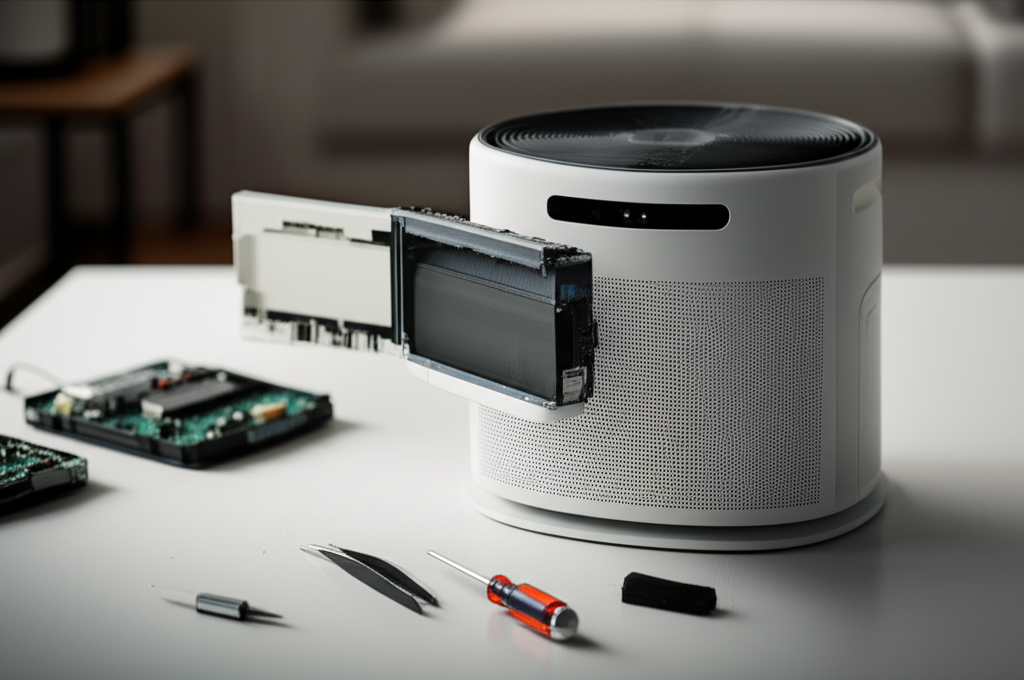
Several typical issues can arise with air purifiers, ranging from minor annoyances to complete operational failures. Identifying the specific problem is key to finding the right solution. These malfunctions often point to specific components needing attention, whether it’s the motor, the filtration system, or the electronic controls.
No Power: The unit won’t turn on at all.
Weak Airflow: The fan is running, but air isn’t moving effectively.
Unusual Noises: Grinding, rattling, or buzzing sounds occur during operation.
Indicator Lights Malfunctioning: Lights are off, flashing incorrectly, or stuck on.
Poor Air Quality Despite Operation: The air doesn’t feel cleaner, or odors persist.
Sensor Errors: The air quality sensor seems inaccurate or triggers alerts constantly.
Troubleshooting Your Air Purifier: A Step-by-Step Guide
When your air purifier acts up, a systematic troubleshooting approach can help pinpoint the issue and often lead to a successful repair. Always start with the simplest checks and gradually move towards more complex solutions. Safety first is paramount; always unplug the unit before attempting any internal checks or repairs.
1. The Power Check: Is it Plugged In?
This might seem obvious, but the most frequent reason an air purifier won’t turn on is a simple unplugged cord or a tripped circuit breaker. Ensure the power cord is securely plugged into both the unit and a working electrical outlet. If it’s plugged in, try a different outlet to rule out an issue with the socket itself.
2. Filter Inspection and Replacement
Clogged or improperly installed filters are a major cause of reduced airflow and poor performance. Over time, filters become saturated with pollutants, hindering the unit’s ability to draw air through. Regularly check your air purifier’s manual for recommended filter replacement schedules and ensure the new filter is correctly seated.
HEPA Filter: This captures small particles like dust, pollen, and pet dander.
Activated Carbon Filter: This adsorbs odors and volatile organic compounds (VOCs).
Pre-filter: Catches larger particles and extends the life of the other filters.
Replacing these filters is often the easiest and most effective repair you can perform. If you’re unsure how to access or replace them, consult your air purifier’s user manual. Many manufacturers, like Dyson and Coway, offer straightforward filter replacement guides on their websites.
3. Fan Motor Issues: The Heart of Airflow
If your air purifier is on but the fan isn’t spinning or is making strange noises, the fan motor might be the problem. Dust buildup can sometimes impede the fan blades, causing it to seize or become unbalanced. Gently cleaning the fan blades and housing might resolve this.
For more serious motor issues, such as a burnt-out bearing or a failed motor coil, the motor itself may need to be replaced. This is a more advanced repair that requires some technical skill and often involves sourcing a compatible replacement motor. It’s crucial to ensure you obtain the correct part for your specific model.
4. Sensor Calibration and Cleaning
Many modern air purifiers feature air quality sensors that monitor pollutants and adjust fan speed accordingly. If these sensors become dirty or miscalibrated, they can report inaccurate air quality readings, leading to inefficient operation. Carefully cleaning the sensor lens with a soft, dry cloth or a cotton swab can often restore its accuracy.
Some units may also have a reset procedure for the sensors, which can be found in the user manual. If cleaning and resetting don’t work, the sensor itself might be faulty and require replacement.
5. Control Panel and Electronic Glitches
Problems with the buttons, touch screen, or indicator lights usually point to an issue with the control panel or its internal circuitry. Sometimes, a simple power cycle (unplugging the unit for a few minutes and plugging it back in) can reset minor electronic glitches.
If the control panel remains unresponsive, there might be a loose connection or a damaged component on the circuit board. This type of repair is best left to experienced technicians, as it involves working with sensitive electronics. However, for some models, it may be possible to replace the entire control panel assembly if a replacement part is available.
Can An Air Purifier Be Repaired? When to Call a Professional
While many air purifier issues are DIY-friendly, some problems require specialized knowledge and tools. If you’ve tried the basic troubleshooting steps and your unit still isn’t functioning correctly, it might be time to seek professional help. Attempting complex repairs without the necessary expertise can sometimes cause more damage.
When DIY Isn’t Enough
Electrical Component Failure: Issues with the power supply board or main circuit board are often beyond the scope of typical home repairs.
Damaged Casing: Significant cracks or breaks in the unit’s housing can compromise its integrity and safety.
Persistent Operational Issues: If the air purifier continues to malfunction despite your efforts, a deeper internal problem might exist.
When considering professional repair, research local appliance repair services or contact the manufacturer directly. Some manufacturers offer repair services or can guide you to authorized repair centers. Websites like RepairClinic.com can also be valuable resources for diagnosing issues and finding replacement parts for various appliance brands, including air purifiers.
Finding Replacement Parts
Locating the correct replacement parts is crucial for a successful air purifier repair. Your first stop should always be the manufacturer’s website, as they often sell genuine replacement components. Online marketplaces like Amazon or specialized appliance parts retailers are also good sources.
When searching for parts, ensure you have your air purifier’s exact model number readily available. This will help you find compatible components, whether you need a new fan motor, a replacement sensor, or a different electronic module.
The Lifespan and Repairability of Air Purifiers
The lifespan of an air purifier can vary significantly based on its build quality, usage, and maintenance. However, with proper care and occasional repairs, many units can last for several years, providing continuous benefits to your home environment. Understanding the factors influencing longevity can help you make informed decisions about repair versus replacement.
Factors Affecting Air Purifier Lifespan
Usage Frequency: Running the unit 24/7 will naturally shorten its lifespan compared to intermittent use.
Environmental Conditions: High humidity or extremely dusty environments can put more strain on the components.
Maintenance Routine: Regular filter changes and cleaning are vital for optimal performance and longevity.
Build Quality: Higher-end models often use more durable components, leading to a longer operational life.
The question, “Can an air purifier be repaired?” also touches upon the economic viability of such repairs. Generally, if the cost of the repair is significantly less than the cost of a new unit, and the unit is still in good overall condition, repairing is a sensible choice.
Repair vs. Replace: Making the Right Decision
Deciding whether to repair an air purifier involves weighing several factors. Consider the age of the unit, the cost of replacement parts and labor, and the availability of newer, more energy-efficient models. If the repair cost approaches 50% of the price of a new, comparable air purifier, it might be time to consider an upgrade.
However, for common issues like a dirty sensor or a worn-out filter, the repair is usually straightforward and cost-effective. This allows you to continue enjoying cleaner air without a significant investment. For instance, a replacement HEPA filter for a popular brand like Blueair might cost $50-$100, while a new unit could range from $150-$500+. This makes filter replacement a clear win.
Maintenance Tips to Extend Your Air Purifier’s Life
Preventative maintenance is key to ensuring your air purifier functions optimally for as long as possible, reducing the likelihood of needing repairs. Simple, regular upkeep can save you money and hassle in the long run. These practices help keep all components, from the fan to the sensors, in good working order.
Regular Cleaning Schedule
Establish a routine for cleaning your air purifier. This includes wiping down the exterior, cleaning the pre-filter (if washable), and ensuring the air intake and outlet vents are free of dust and debris. A soft brush attachment on your vacuum cleaner can be very effective for this.
Timely Filter Replacement
Adhere to the manufacturer’s recommended schedule for replacing your HEPA and activated carbon filters. Overdue filters not only reduce air purification efficiency but also put extra strain on the fan motor. Many purifiers have filter replacement indicator lights to remind you.
Proper Storage and Usage
If you need to store your air purifier, ensure it’s clean and dry. Store it in its original packaging or a protective bag in a climate-controlled environment. Using the unit within its intended operating conditions (temperature, humidity) also contributes to its longevity.
FAQ: Your Air Purifier Repair Questions Answered
Here are answers to some of the most common questions people have when their air purifier isn’t working as expected.
Q1: My air purifier won’t turn on. What should I do?
A: First, check if it’s properly plugged into a working outlet. Ensure the power cord is securely attached to the unit. If it still doesn’t power on, there might be an issue with the power supply or internal electronics, which may require professional diagnosis.
Q2: The fan on my air purifier is making a loud noise. Can it be fixed?
A: Loud noises often indicate dust buildup on the fan blades or a worn-out motor bearing. Try cleaning the fan assembly gently. If the noise persists, the motor may need replacement, which is a more involved repair.
Q3: My air purifier doesn’t seem to be cleaning the air anymore. What could be wrong?
A: This is usually due to clogged filters. Replace your HEPA and carbon filters according to the manufacturer’s recommendations. Also, ensure the air intake and outlet vents are not blocked.
Q4: Can I wash the HEPA filter in my air purifier?
A: Generally, no. Most HEPA filters are not designed to be washed and doing so can damage their fine filtration media. Always check your user manual; only washable pre-filters should be cleaned with water.
Q5: How often should I replace the filters in my air purifier?
A: This depends on the model and usage, but typically HEPA filters should be replaced every 6-12 months, and carbon filters every 3-6 months. Many units have indicators to remind you.
Q6: Is it worth repairing an old air purifier?
A: It can be, especially if the repair cost is significantly lower than buying a new unit and the unit is still in good working condition otherwise. However, consider the energy efficiency and features of newer models.
Conclusion: Breathing Easier with a Repaired Air Purifier
So, can an air purifier be repaired? Absolutely. Many common issues that arise with these essential home appliances are not insurmountable problems. From simple filter replacements and sensor cleaning to more complex motor or electronic repairs, there are often viable solutions that can extend your air purifier’s life. By understanding the potential causes of malfunctions and following systematic troubleshooting steps, you can often fix your unit yourself, saving money and reducing electronic waste. Remember to always consult your user manual for specific instructions and safety precautions. When in doubt, seeking professional assistance ensures your air purifier is repaired correctly, allowing you to continue enjoying cleaner, healthier air in your home.