
Can Air Purifier Make Me Sick? Essential Truths

Air purifiers are generally safe, but improper use or maintenance can lead to health issues like respiratory irritation or allergic reactions. Understanding how they work and following best practices ensures they benefit your health, not harm it.
Breathing cleaner air is the goal when you buy an air purifier, but a nagging question might pop into your head: can air purifiers actually make me sick? It’s a valid concern, especially with so many different types and models on the market. You want to improve your home’s air quality, not introduce new problems. This article will demystify the process and provide essential truths to ensure your air purifier is a health ally, not an adversary.
The Real Risk: When Air Purifiers Go Wrong
Understandably, you might wonder, “Can air purifiers make me sick?” The answer is yes, but only under specific circumstances, usually related to poor maintenance or incorrect usage. Most modern air purifiers are designed with safety and health in mind.
Understanding Air Purifier Technology
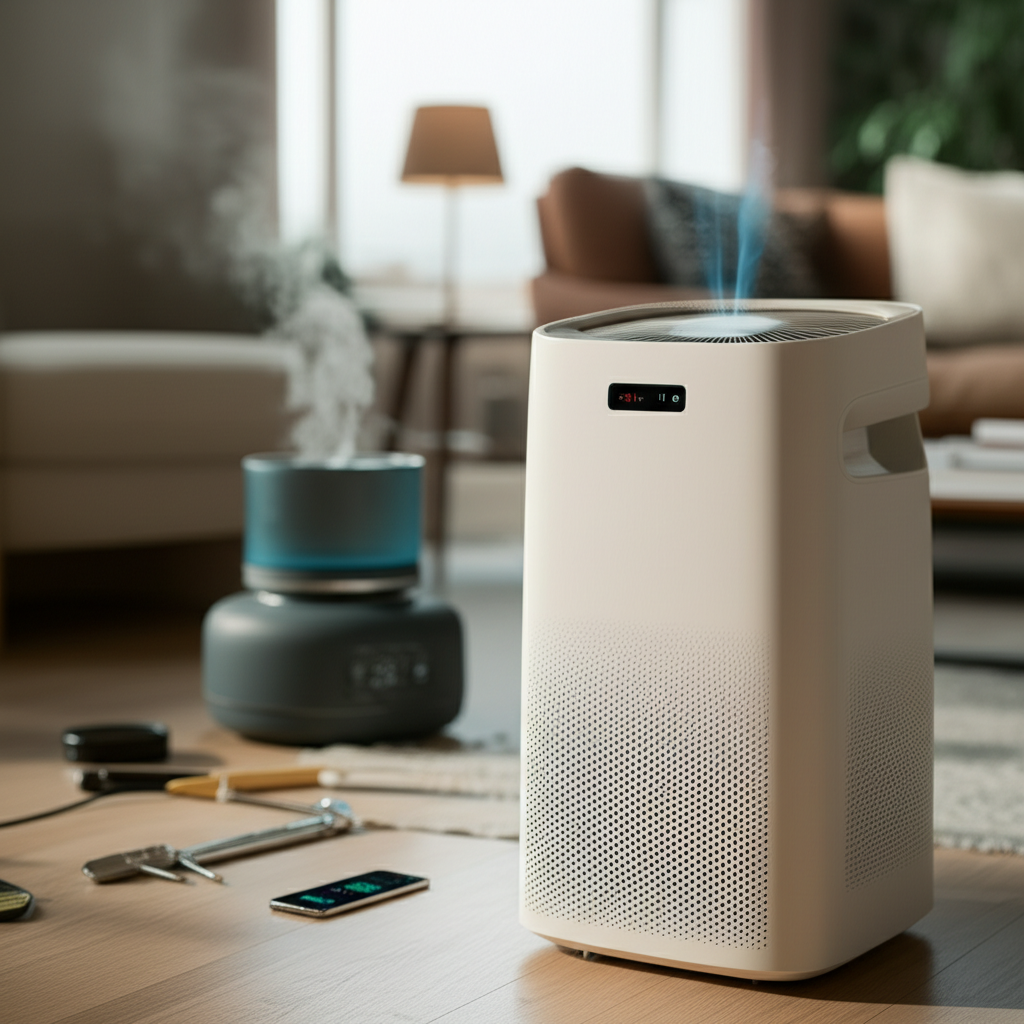
Air purifiers use various technologies to clean your air, primarily filtration and ionization. HEPA filters are the gold standard for capturing particles, while activated carbon tackles gases and odors. Ionizers and UV-C lights are also common, though their safety and effectiveness can vary.
How HEPA Filters Work
High-Efficiency Particulate Air (HEPA) filters are mechanical filters that trap at least 99.97% of airborne particles 0.3 microns in size. This includes dust, pollen, mold spores, and even some bacteria and viruses. They are highly effective at improving air quality for allergy and asthma sufferers.
The Role of Activated Carbon
Activated carbon filters are porous and have a massive surface area, allowing them to adsorb gases, volatile organic compounds (VOCs), and odors. This is crucial for removing chemical fumes from cleaning products or cooking smells. A good air purifier often combines HEPA and carbon filtration for comprehensive cleaning.
Ionizers and Ozone: A Potential Concern
Some air purifiers use ionizers to release charged ions into the air, which attach to particles, making them fall to the ground or stick to surfaces. While effective at particle removal, some ionizers can produce ozone as a byproduct. High levels of ozone can irritate the respiratory system and worsen asthma.
Common Misconceptions About Air Purifiers
Many people believe air purifiers are a magic bullet for all air quality issues. However, their effectiveness depends on proper selection, placement, and maintenance. It’s important to understand their limitations and how they interact with your home environment.
Ozone Production and Health Risks
The primary way an air purifier could make you sick is through ozone production. The U.S. Food and Drug Administration (FDA) warns that inhaling ozone can irritate your lungs, leading to coughing, chest pain, and shortness of breath. It can also worsen chronic respiratory diseases like asthma and bronchitis.
Signs Your Air Purifier Might Be Causing Problems
If you’ve recently started using an air purifier and notice new or worsening respiratory symptoms, it’s worth investigating. These symptoms could include increased coughing, sneezing, itchy eyes, or a sore throat. Pay attention to any unusual odors emanating from the unit as well.
Respiratory Irritation from Ozone
The most common symptom of ozone exposure from an air purifier is respiratory irritation. If your air purifier is an older model or an ionizer type without proper ozone control, it might be releasing ozone. This can make breathing uncomfortable, especially for sensitive individuals.
Allergic Reactions to Filter Materials
While rare, some individuals might experience allergic reactions to the materials used in air purifier filters, particularly if they have sensitivities to plastics or adhesives. If symptoms appear shortly after replacing a filter, this could be a potential cause.
How to Ensure Your Air Purifier Benefits You
Preventing your air purifier from causing illness is straightforward with proper care. The key lies in choosing the right unit for your needs and maintaining it diligently. Following manufacturer guidelines is paramount.
Choosing the Right Air Purifier
Select an air purifier with a true HEPA filter and an activated carbon filter. Look for models that are certified by organizations like the Association of Home Appliance Manufacturers (AHAM) for Clean Air Delivery Rate (CADR). Avoid units that heavily rely on ozone generation.
Proper Placement in Your Home
Place your air purifier in the room where you spend the most time, such as your bedroom or living room. Ensure it has adequate space around it for proper airflow, as recommended by the manufacturer. Blocking the intake or output can reduce efficiency and potentially cause issues.
Regular Filter Maintenance is Key
This is perhaps the most critical step. Clogged or dirty filters can recirculate pollutants and even become a breeding ground for mold and bacteria. Always follow the manufacturer’s recommended schedule for cleaning or replacing filters.
The Importance of Regular Filter Replacement
Filters are the workhorses of your air purifier. Over time, they become saturated with trapped pollutants. Replacing them on schedule ensures your unit continues to capture particles effectively and doesn’t become a source of contamination itself.
When to Replace HEPA Filters
HEPA filters typically need replacement every 6 to 12 months, depending on usage and air quality. Some units have filter replacement indicator lights, which are very helpful. Check your owner’s manual for specific recommendations for your model.
When to Replace Activated Carbon Filters
Activated carbon filters usually have a shorter lifespan than HEPA filters, often needing replacement every 3 to 6 months. They become saturated with gases and odors over time. If you notice odors returning, it’s a sign the carbon filter needs attention.
Cleaning Your Air Purifier Unit
Beyond filter replacement, the exterior and internal components of your air purifier should be cleaned periodically. This prevents dust buildup on the unit itself, which could eventually be blown back into the air.
Cleaning the Pre-Filter
Many air purifiers have a washable pre-filter that captures larger particles like hair and lint. Cleaning this regularly (often monthly) extends the life of your main HEPA filter. Gently vacuum it or wash it with mild soap and water, ensuring it’s completely dry before reinserting.
Wiping Down the Interior and Exterior
Occasionally, unplug your air purifier and wipe down the exterior with a damp cloth. You can also carefully wipe the inside housing where the filters are located to remove any accumulated dust. Avoid using harsh chemicals.
Air Purifier Maintenance Schedule (Example)
Here’s a sample maintenance schedule to keep your air purifier running optimally:
| Task | Frequency | Notes |
| :——————– | :———- | :————————————- |
| Clean/Wash Pre-Filter | Monthly | Vacuum or wash with mild soap/water. |
| Check Filter Status | Bi-Monthly | Note any visible dirt or odor. |
| Replace HEPA Filter | 6-12 Months | As per manufacturer’s recommendation. |
| Replace Carbon Filter | 3-6 Months | As per manufacturer’s recommendation. |
| Wipe Down Unit | Quarterly | Clean exterior and interior housing. |
A consistent maintenance routine is your best defense against an air purifier causing health issues. It ensures optimal performance and longevity for your device.
When to Consider Upgrading Your Air Purifier
If your current air purifier is old, doesn’t have a true HEPA filter, or is known to produce ozone, it might be time for an upgrade. Newer models are more energy-efficient and often incorporate advanced features for better safety and performance.
Features to Look for in a Safe Air Purifier
When shopping for a new unit, prioritize those with certifications like Energy Star and AHAM Verified. Look for ozone-free operation, multiple-stage filtration (HEPA + Carbon), and a good CADR rating for the size of your room.
Frequently Asked Questions (FAQ)
Q1: Can a dirty air purifier make me sick?
A1: Yes, a dirty air purifier can recirculate trapped pollutants, dust, and even mold or bacteria if filters are severely neglected, potentially worsening allergies or respiratory issues.
Q2: Do air purifiers emit harmful chemicals?
A2: Most reputable air purifiers do not emit harmful chemicals. However, some older ionizer models can produce ozone, which is a lung irritant. Always choose ozone-free certified units.
Q3: Can air purifiers cause headaches or nausea?
A3: While not directly, ozone produced by some air purifiers can cause headaches and nausea in sensitive individuals due to respiratory irritation.
Q4: Should I run my air purifier all the time?
A4: Running your air purifier continuously, especially on lower settings, is generally recommended for optimal air quality. However, ensure it’s properly maintained.
Q5: My air purifier smells bad, what does that mean?
A5: A bad smell from your air purifier usually indicates that the activated carbon filter is saturated and needs replacement, or that mold/bacteria may be growing on a neglected filter.
Q6: Can air purifiers help with COVID-19 or other viruses?
A6: Air purifiers equipped with true HEPA filters can capture airborne virus particles, helping to reduce their concentration in a room. However, they are not a substitute for other preventative measures like vaccination and ventilation.
Conclusion: Breathe Easy with Smart Air Purification
So, can air purifiers make you sick? The essential truth is that when used and maintained correctly, air purifiers are overwhelmingly beneficial for your health, helping to remove allergens, pollutants, and irritants from your home. The key to avoiding any potential negative effects lies in choosing a quality, ozone-free unit, placing it appropriately, and most importantly, adhering to a regular maintenance schedule. By understanding how your air purifier works and committing to its care, you can ensure it remains a powerful tool for creating a healthier living environment.
