Can Air Purifier Make Air Worse? Proven Danger!

Yes, under specific conditions, an air purifier can indeed make your air worse, often due to improper maintenance, incorrect placement, or using a unit that produces harmful byproducts. Understanding these risks is crucial for ensuring your air purifier benefits your health rather than harming it.
Can Air Purifier Make Air Worse? Proven Danger!
It’s a common question: can an air purifier, designed to clean your air, actually make it worse? The thought is unsettling, as we invest in these devices hoping for a healthier home environment. Unfortunately, the answer is a qualified yes. Improper use, neglect, or choosing the wrong type of purifier can introduce new pollutants or fail to remove existing ones effectively, leading to poorer air quality. This article will explore the hidden dangers and how to avoid them, ensuring your air purifier is a true ally for your health.
The Unseen Risks: How Air Purifiers Can Backfire
Air purifiers are generally beneficial, but certain factors can turn them into a source of indoor air pollution. Understanding these potential pitfalls is the first step to ensuring your device works for you, not against you. By addressing these common issues, you can maintain optimal performance and safeguard your home’s air quality.
Ozone Production: A Silent Threat from Some Purifiers
Many people aren’t aware that certain air purification technologies, particularly ionizers and ozone generators, can release ozone into the air. Ozone is a lung irritant that can exacerbate respiratory conditions like asthma and bronchitis. Even at low levels, it can cause coughing, shortness of breath, and throat irritation.
Ozone generators are often marketed for their ability to neutralize odors, but the byproduct of their function is harmful ozone. It’s crucial to check the specifications of any air purifier you consider purchasing, especially those that use ionization or UV-C light without proper safeguards. Look for certifications from reputable organizations that test for ozone emissions.
The Role of Poor Maintenance: Clogged Filters and Dirty Units
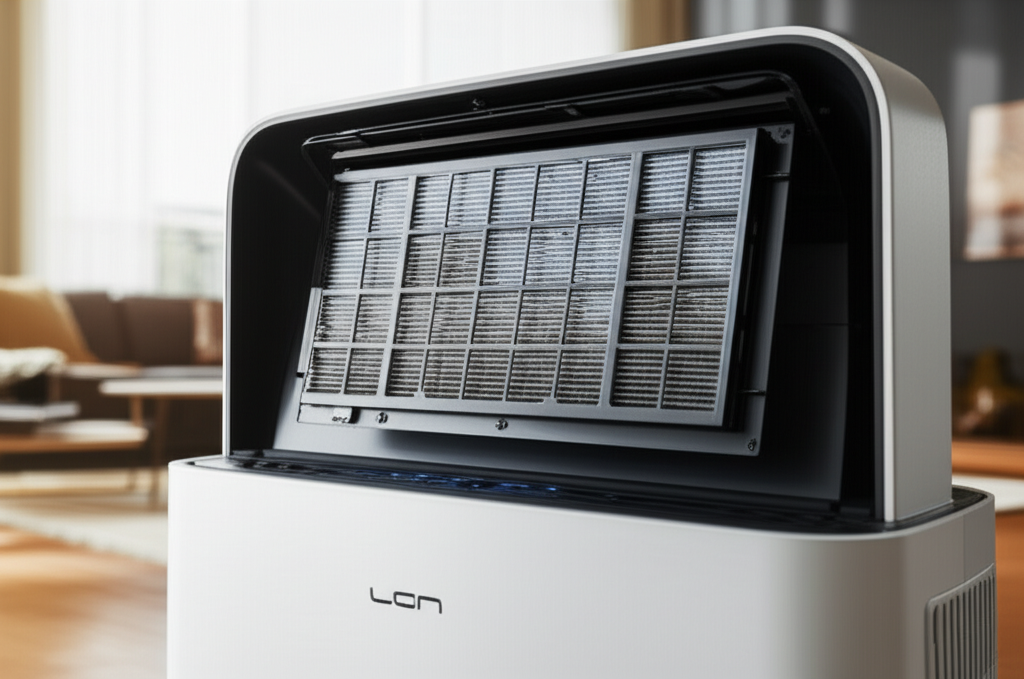
A primary reason an air purifier can make air worse is neglected maintenance. Over time, filters become saturated with the very pollutants they are designed to capture. A clogged filter restricts airflow, significantly reducing the purifier’s efficiency and forcing the motor to work harder, consuming more energy.
Beyond reduced performance, a dirty filter can become a breeding ground for mold and bacteria. When the air passes through this contaminated filter, it can reintroduce these microorganisms into your living space. Regular filter replacement is not just about performance; it’s essential for preventing secondary contamination.
When Ionizers Go Too Far: Increasing Fine Particulate Matter
While ionizers can be effective at removing airborne particles by charging them, some models can produce ozone as a byproduct. Furthermore, if the ionizer is too aggressive or not properly designed, it can cause the charged particles to clump together and then fall onto surfaces. This can create a dustier environment and, if disturbed, re-suspend these particles into the air.
The U.S. Food and Drug Administration (FDA) has warned about the potential health risks associated with ozone-producing air purifiers. They advise consumers to use such devices with caution, especially if they have respiratory issues. Opting for purifiers with HEPA filters and activated carbon is generally a safer bet for consistent air quality improvement.
The Danger of Incorrect Placement
Where you place your air purifier significantly impacts its effectiveness and can even contribute to poorer air quality if done incorrectly. Placing a unit in a corner or behind furniture obstructs airflow, preventing it from circulating and cleaning the air in the room effectively. This can lead to stagnant air pockets where pollutants can accumulate.
Ideally, an air purifier should be placed in an open area where air can freely circulate around the unit. This allows the device to draw in polluted air from all directions and distribute purified air back into the room. Avoid placing it directly near vents or windows, as this can disrupt the natural airflow patterns.
Using the Wrong Type of Purifier for Your Needs
Not all air purifiers are created equal, and using the wrong type for your specific air quality concerns can be ineffective or even detrimental. For instance, a unit primarily designed for odor removal might not adequately address allergens like pollen or pet dander. Conversely, a powerful HEPA filter might be overkill if your main concern is simple odor control.
When selecting an air purifier, consider what pollutants you are most concerned about. For general air cleaning, a multi-stage purifier with a HEPA filter, activated carbon, and potentially a pre-filter is often the most comprehensive choice. Researching the specific needs of your household, such as allergies or the presence of pets, is crucial.
The Impact of UV-C Light: Potential for Byproducts
While UV-C light can be effective at killing airborne bacteria and viruses, its use in air purifiers isn’t without potential downsides. If the UV-C bulb is not shielded properly or if the exposure time is insufficient, it can produce small amounts of ozone. Additionally, some studies suggest that UV-C light, when used improperly, might not always neutralize pathogens completely, and in rare cases, could potentially create harmful byproducts.
The effectiveness of UV-C purification depends heavily on the design and execution of the technology. Reputable manufacturers ensure their UV-C systems are contained within the unit, with adequate exposure time to effectively kill microorganisms without releasing harmful substances. Always look for independent certifications and research the specific UV-C technology used.
Identifying Pollutants Introduced by Air Purifiers
It’s essential to recognize the specific ways an air purifier can introduce new pollutants. Understanding these mechanisms allows for proactive measures to prevent them. This includes being aware of ozone, VOCs, and even microbial growth.
Ozone as a Byproduct
As mentioned, ozone is a significant concern. It’s a reactive gas that can irritate the respiratory system. Air purifiers that use ionizers, corona discharge, or UV lamps are more likely to produce ozone.
The levels of ozone produced can vary greatly between models. Even units that claim to be ozone-free might produce trace amounts. Therefore, looking for third-party certifications, such as those from the California Air Resources Board (CARB), is a good practice.
Volatile Organic Compounds (VOCs) from Materials
Some air purifiers, particularly those with plastic casings or certain types of filters, can off-gas Volatile Organic Compounds (VOCs). VOCs are chemicals that can contribute to indoor air pollution and may cause headaches, nausea, and long-term health issues. This is often more pronounced with brand-new units.
To mitigate VOC emissions, choose purifiers made from durable, low-VOC materials. Allowing a new purifier to run in a well-ventilated area for a few days before regular use can also help dissipate any initial off-gassing. Always check product reviews for mentions of strong odors.
Microbial Growth on Dirty Filters
A severely neglected air purifier with a clogged filter can become a source of microbial growth. Mold and bacteria can thrive in the damp, organic material trapped in the filter. When the purifier is running, these microorganisms can be aerosolized and spread into the room’s air.
This highlights the critical importance of adhering to the manufacturer’s recommended filter replacement schedule. If you live in a humid environment, you might need to check and potentially clean or replace filters more frequently than recommended. Regular visual inspection of the filter can also alert you to potential issues.
How to Ensure Your Air Purifier Enhances, Not Degrades, Air Quality
Fortunately, the risks associated with air purifiers are largely preventable with informed choices and consistent practices. By focusing on maintenance, technology, and proper usage, you can maximize the benefits of your air purifier.
Prioritize HEPA and Activated Carbon Filters
High-Efficiency Particulate Air (HEPA) filters are the gold standard for removing fine particles like dust, pollen, pet dander, and mold spores. They are designed to capture at least 99.97% of particles 0.3 microns in size. Activated carbon filters are excellent at adsorbing gases, odors, and VOCs.
A combination of a true HEPA filter and a substantial amount of activated carbon offers the most comprehensive air purification for general household use. Avoid purifiers that use “HEPA-type” or “HEPA-like” filters, as these do not meet the same rigorous standards. Always verify that the HEPA filter is certified.
Choose Ozone-Free Technologies
When selecting an air purifier, actively seek out models that are certified ozone-free. Look for certifications from bodies like CARB or the Association of Home Appliance Manufacturers (AHAM). These certifications indicate that the unit has been tested and meets strict standards for ozone emissions.
Ionizers and UV-C purifiers can be effective, but it’s crucial to ensure they are designed to operate without producing harmful levels of ozone. Many modern ionizers have built-in ozone destruction mechanisms or operate at levels considered safe. Researching the specific technology and manufacturer’s claims is vital.
Regular Maintenance is Non-Negotiable
The most critical factor in ensuring your air purifier doesn’t make air worse is consistent, diligent maintenance. This includes regular cleaning of pre-filters and timely replacement of HEPA and activated carbon filters according to the manufacturer’s guidelines. Skipping these steps can lead to reduced efficiency and the introduction of new pollutants.
Set reminders for yourself to check and clean or replace filters. Many air purifiers come with filter indicator lights, but these should be seen as a guide, not a definitive schedule, especially if you live in a high-pollution area or have pets. A visual inspection can tell you a lot about the filter’s condition.
Proper Placement for Optimal Airflow
To maximize your air purifier’s effectiveness, ensure it’s placed in a location that allows for unimpeded airflow. Avoid corners, tight spaces, or areas blocked by furniture. The unit needs to draw air in from all sides to circulate and clean the room’s atmosphere efficiently.
The ideal placement is typically in the center of a room or along a wall where it can draw air without obstruction. Consider placing it near the source of pollution, such as a kitchen or a pet’s resting area, but always ensuring it has adequate space around it. This strategy ensures consistent air purification throughout the space.
Understanding CADR Ratings and Room Size
When buying an air purifier, pay attention to its Clean Air Delivery Rate (CADR) ratings. CADR measures how quickly an air purifier can remove specific pollutants (smoke, dust, pollen) from a room. A higher CADR means faster and more effective cleaning.
Ensure the CADR rating is appropriate for the size of the room you intend to use it in. Using an undersized unit will mean it struggles to keep up, while an oversized unit might be unnecessarily noisy or energy-consuming. AHAM provides verified CADR ratings for many models.
What to Do If You Suspect Your Air Purifier Is Making Air Worse
If you’ve noticed increased respiratory irritation, dust, or odors after using an air purifier, it’s important to investigate. Don’t assume the device is functioning as intended without verifying. Taking a systematic approach can help pinpoint the problem and resolve it.
Check Your Filter Status Immediately
The first and most crucial step is to inspect the air purifier’s filters. If they are visibly dirty, discolored, or have been in use for longer than the recommended period, they are likely the culprit. A clogged filter restricts airflow and can harbor mold or bacteria.
Replace any filters that are past their lifespan or appear contaminated. If you have washable pre-filters, clean them thoroughly according to the manufacturer’s instructions. This simple step often resolves issues related to reduced performance or pollutant recirculation.
Assess for Ozone Production
If you experience symptoms like coughing, throat irritation, or a metallic smell, ozone production might be the cause. Try running the air purifier in a different room or temporarily disabling any ionization features to see if symptoms improve. If they do, the purifier is likely producing ozone.
In such cases, consider switching to a model that is certified ozone-free or uses different purification technologies. If your current unit has an ionizer, check if it can be turned off. This will help you determine if the ionization feature is the source of the problem.
Review Placement and Airflow
Re-evaluate where the air purifier is located. Is it in a corner? Blocked by furniture? Ensuring it has adequate space for air intake and output is paramount. Poor placement leads to inefficient operation and can create stagnant air zones.
Move the unit to a more open area of the room, away from obstructions. Ensure the air intake and outlet vents are not blocked. Proper placement allows the purifier to effectively circulate and clean the air throughout the space.
Consider the Unit’s Age and Technology
Older air purifiers may have less efficient filters or technologies that have since been improved. If your unit is several years old and you’ve replaced filters regularly, it might be time to consider an upgrade. Newer models often incorporate more advanced features and better emission controls.
Also, consider if the purification technology aligns with your needs. If you are sensitive to ozone, an ionizer-based unit might not be suitable, even if it’s well-maintained. Researching current air purification technologies and their safety profiles is beneficial.
Expert Recommendations for Safe Air Purification
To ensure your air purifier is always a positive addition to your home, follow these expert-backed recommendations. They focus on technology selection, maintenance, and smart usage habits.
Look for AHAM Verified Seals
The Association of Home Appliance Manufacturers (AHAM) provides independent verification of CADR ratings and room-size recommendations for air purifiers. Products with the AHAM Verified seal have undergone rigorous testing, giving you confidence in their performance claims. This helps you choose a unit that is appropriately sized and effective for your needs.
Prioritize Multi-Stage Filtration Systems
The most effective air purifiers utilize a multi-stage filtration process. This typically includes a pre-filter for larger particles, a true HEPA filter for fine particles, and an activated carbon filter for gases and odors. Some units may also include UV-C light or other technologies, but these should be a secondary consideration after reliable HEPA and carbon filtration.
Always Follow Manufacturer’s Maintenance Schedules
Adhering strictly to the manufacturer’s recommended schedule for cleaning and replacing filters is non-negotiable. These schedules are based on average usage and environmental conditions. If your home has higher-than-average pollution levels (e.g., pets, smokers, allergies), you may need to perform maintenance more frequently.
Consider Energy Star Certified Models
Energy Star certified air purifiers are designed to be energy-efficient without sacrificing performance. This means they use less electricity, saving you money on your utility bills and reducing your environmental footprint. While not directly related to air quality, it’s a valuable factor in choosing a responsible appliance.
Read Independent Reviews and Certifications
Before purchasing, research independent reviews from reputable consumer organizations and tech publications. Look for information regarding ozone production, noise levels, and overall effectiveness. Certifications from organizations like CARB or UL are also important indicators of safety and performance.
Can Air Purifier Make Air Worse? The Final Verdict
While an air purifier is designed to improve air quality, it can indeed make the air worse if not properly maintained, used, or selected. The primary dangers include ozone production from certain technologies, the recirculation of pollutants from clogged filters, and the potential off-gassing of VOCs from unit materials. By prioritizing true HEPA and activated carbon filters, choosing ozone-free technologies, adhering to strict maintenance schedules, and ensuring proper placement, you can confidently use your air purifier to create a healthier living environment. Always research and opt for certified, reputable brands to ensure your device works for your well-being.
Frequently Asked Questions (FAQ)
Q1: How often should I replace my air purifier filters?
A1: Filter replacement frequency varies by model and usage, but generally, HEPA filters should be replaced every 6-12 months, and activated carbon filters every 3-6 months. Always check your manufacturer’s recommendations.
Q2: Can air purifiers cause allergies or asthma symptoms?
A2: While designed to help, ozone-producing air purifiers can worsen respiratory conditions. Using a properly maintained, ozone-free unit with HEPA filtration typically alleviates allergy and asthma symptoms.
Q3: What is the difference between a HEPA filter and a HEPA-type filter?
A3: A true HEPA filter captures 99.97% of particles 0.3 microns in size, while “HEPA-type” or “HEPA-like” filters capture fewer particles and do not meet the same rigorous standards.
Q4: Is it safe to run an air purifier 24/7?
A4: Yes, it is generally safe and often recommended to run air purifiers continuously for optimal air quality, especially if you have pets, allergies, or live in an area with high pollution. Ensure it’s Energy Star certified for efficiency.
Q5: My air purifier smells bad, what could be the cause?
A5: A bad smell often indicates a dirty filter, potential mold growth within the unit, or off-gassing from the purifier’s components. Clean or replace the filters immediately and ensure the unit is not placed in a damp environment.
Q6: Are UV-C light air purifiers safe?
A6: UV-C light can be effective for sterilization, but it’s crucial that the unit is designed to prevent ozone production and ensure adequate exposure time for pathogens. Look for certified ozone-free models.
Q7: Can an air purifier remove smoke smell effectively?
A7: Yes, air purifiers with substantial activated carbon filters are very effective at removing smoke odors and other volatile organic compounds (VOCs) from the air. Ensure the carbon filter is thick and of good quality.