
Can Air Purifier Cause Dry Air? Essential Solution

Yes, some air purifiers can contribute to dry air by removing moisture along with pollutants, but there are effective ways to combat this, ensuring you breathe cleaner and more comfortable air.
The air in your home is precious, and when you invest in an air purifier, you’re aiming for a healthier environment. However, a common concern that arises is whether these devices can inadvertently lead to dry air. It’s a valid question, as dry air can cause discomfort and even health issues. Let’s explore this phenomenon and discover the essential solutions to ensure your air purifier enhances, rather than detracts from, your home’s humidity.
Can Air Purifiers Actually Make Your Air Dry?
It’s a common misconception that air purifiers themselves are the direct cause of dry air. In reality, most standard air purifiers, particularly those using HEPA filters or activated carbon, are designed to capture airborne particles like dust, pollen, and VOCs. They don’t actively remove moisture from the air. The perceived dryness often stems from a combination of factors, including the type of air purifier, the existing humidity levels in your home, and seasonal changes.
Understanding How Air Purifiers Work
Air purifiers operate by drawing air into the unit, passing it through various filters to trap pollutants, and then releasing cleaner air back into the room. The primary filtration stages, such as HEPA and activated carbon, are focused on particulate matter and gases, not water vapor. However, some advanced or specialized purifiers might incorporate features that could indirectly affect humidity.
The Role of HEPA and Activated Carbon Filters
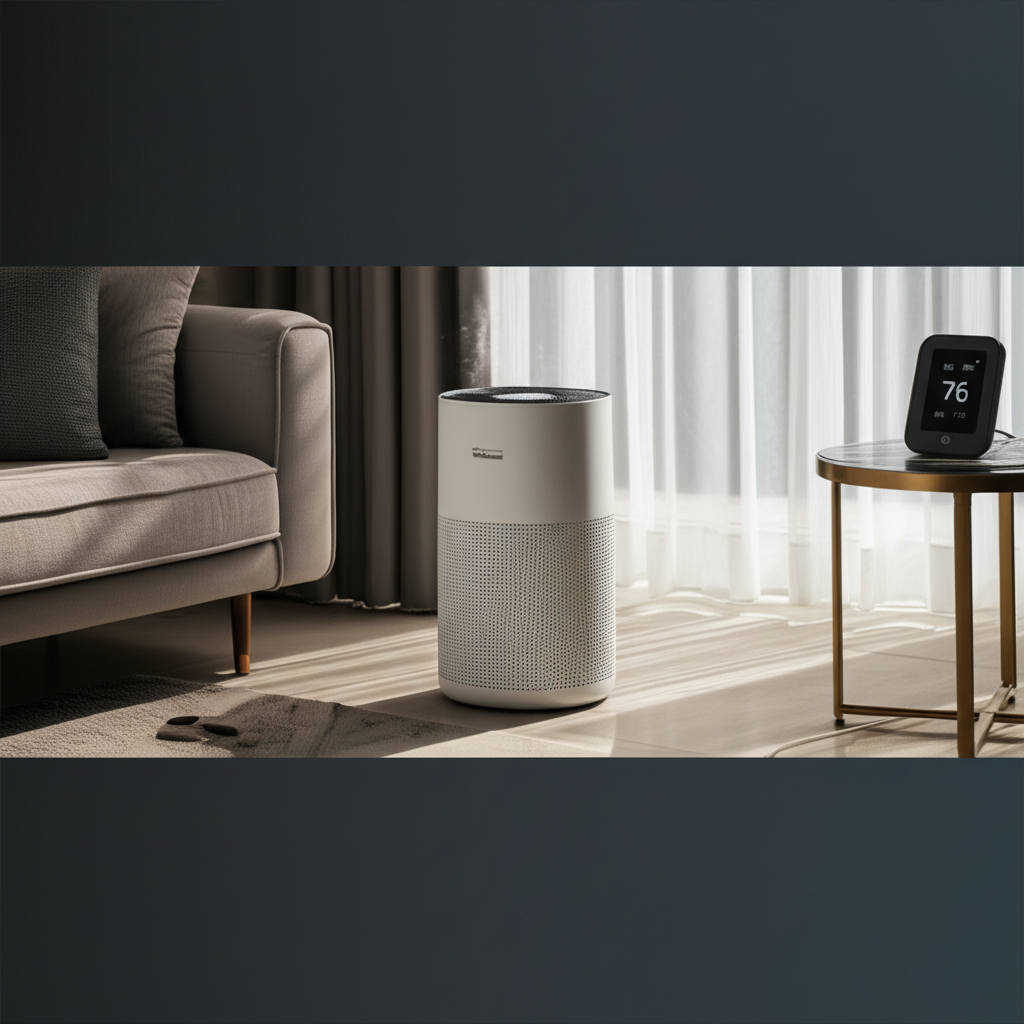
High-Efficiency Particulate Air (HEPA) filters are designed to capture at least 99.97% of airborne particles 0.3 microns in size. Activated carbon filters excel at adsorbing odors and gases. Neither of these filter types is designed to remove moisture from the air. Their function is purely mechanical or adsorptive for solid and gaseous pollutants.
Specialized Air Purifier Technologies and Humidity
While standard HEPA purifiers don’t cause dryness, some specialized units might. For instance, air purifiers that also function as dehumidifiers, or those with integrated cooling or heating elements, could potentially impact humidity levels. It’s crucial to understand the specific functions of your air purifier model to determine its effect on your home’s moisture content.
Why You Might Be Experiencing Dry Air
If you’ve noticed your air feeling drier since using an air purifier, it’s likely due to a confluence of factors rather than the purifier actively stripping moisture. Understanding these underlying causes is the first step to finding an effective solution.
Seasonal Changes and Natural Air Drying
During colder months, outdoor air is naturally drier. When this cold air enters your home and is heated by your furnace, its relative humidity drops significantly. This natural phenomenon can make your air feel dry, and it might coincide with your air purifier usage, leading to a mistaken association.
Home Insulation and Ventilation
Poor home insulation or inadequate ventilation can also contribute to dry air. If your home isn’t sealed well, it can allow dry outdoor air to infiltrate. Conversely, over-ventilating your home without a proper humidity management system can also lead to a drier indoor environment.
Existing Low Humidity Levels
It’s possible your home already had low humidity levels before you introduced an air purifier. The purifier’s operation, while not removing moisture, simply operates within the existing air conditions. If those conditions are already dry, you’ll continue to experience dryness.
Can Air Purifiers Cause Dry Air? The Verdict
In most typical scenarios, the answer is no, standard air purifiers do not cause dry air. They are designed to clean the air, not to dehumidify it. The perception of dryness is usually linked to other environmental factors or the specific, less common, functionalities of certain specialized units.
Essential Solutions for Combating Dry Air
Fortunately, there are several straightforward and effective ways to combat dry air, ensuring your air purification efforts don’t come at the cost of comfort. These solutions focus on reintroducing moisture or mitigating the factors that contribute to dryness.
1. Invest in a Humidifier
The most direct solution is to use a humidifier alongside your air purifier. Humidifiers add moisture back into the air, counteracting any dryness. You can choose from various types, including cool mist, warm mist, or ultrasonic humidifiers, depending on your preference and room size.
2. Monitor Your Home’s Humidity Levels
Using a hygrometer, a small device that measures humidity, is crucial. Aim for a relative humidity level between 40% and 60%. A hygrometer will help you understand your current humidity and track the effectiveness of your solutions.
3. Choose the Right Air Purifier for Your Needs
If you’re in the market for a new air purifier and are concerned about dry air, look for models that specifically mention not affecting humidity or those that offer combined humidifier functions. Always read product specifications carefully.
4. Optimize Your Air Purifier’s Placement
While placement doesn’t directly cause dryness, ensuring your air purifier is in a well-ventilated area can help it operate more efficiently. Avoid placing it in corners or directly against walls, which can hinder airflow.
5. Consider Air Purifiers with Integrated Humidifiers
For a streamlined approach, some manufacturers offer hybrid units that combine air purification with humidification. These devices are designed to clean the air while simultaneously managing moisture levels, offering a comprehensive solution. Brands like Dyson and Coway sometimes offer such multi-functional units.
Table: Common Air Purifier Technologies and Their Effect on Humidity
| Technology | Primary Function | Effect on Humidity |
| :—————— | :————————————————– | :—————– |
| HEPA Filter | Captures particulate matter (dust, pollen, mold) | None |
| Activated Carbon | Adsorbs odors and VOCs | None |
| Ionizer | Releases ions to charge particles | Negligible |
| UV-C Light | Kills bacteria and viruses | None |
| Humidifying Function| Adds moisture to the air | Increases humidity |
| Dehumidifying Function| Removes moisture from the air | Decreases humidity |
FAQs: Your Questions About Air Purifiers and Dry Air Answered
Q1: Can my HEPA air purifier make my bedroom dry?
A1: Generally, no. A standard HEPA air purifier focuses on filtering particles and does not remove moisture from the air. If your bedroom feels dry, it’s likely due to other environmental factors.
Q2: What is the ideal humidity level for my home?
A2: The ideal relative humidity level for most homes is between 40% and 60%. This range is comfortable for people and helps prevent issues like static electricity and dry skin.
Q3: How can I tell if my air purifier is causing dryness?
A3: It’s unlikely your air purifier is the sole cause. Use a hygrometer to measure your home’s humidity. If it’s consistently below 40%, other factors are likely at play, or you may need a humidifier.
Q4: Should I run my air purifier and humidifier at the same time?
A4: Yes, running them simultaneously is often recommended if you’re experiencing dry air. This allows the air purifier to clean the air while the humidifier maintains optimal moisture levels.
Q5: Are there air purifiers that add moisture to the air?
A5: Yes, some advanced units are designed as hybrid devices that can both purify and humidify the air. These offer a convenient all-in-one solution for cleaner and more comfortable air.
Q6: Can running an air conditioner cause dry air?
A6: Yes, air conditioners can dehumidify the air as a byproduct of their cooling process, potentially leading to drier indoor conditions. This effect is separate from air purifier operation.
Conclusion: Breathe Easy with Balanced Humidity
In summary, while the question “can air purifier cause dry air” is a common concern, standard air purifiers are not designed to strip moisture from your environment. The perceived dryness is typically a result of seasonal changes, home ventilation, or existing low humidity levels. By understanding these factors and employing simple solutions like using a humidifier, monitoring humidity with a hygrometer, and choosing the right devices, you can ensure your air purifier contributes to a healthier home without compromising on comfort. Enjoy cleaner air and a perfectly balanced humidity level for optimal well-being.
