
Can Air Purifier and Dehumidifier Be Used Together? Essential Guide

Yes, you can use an air purifier and a dehumidifier together, and often it’s highly beneficial for improving indoor air quality and comfort, especially in humid environments prone to mold and allergens.
Dealing with less-than-ideal indoor air quality can be frustrating, especially when you’re unsure which appliances to use. Many people wonder, “Can air purifier and dehumidifier be used together?” The answer is a resounding yes, and understanding how they complement each other is key to creating a healthier living space. This guide will walk you through everything you need to know, from the benefits to the best practices for using both devices simultaneously.
The Synergy: Can Air Purifier and Dehumidifier be used Together
Using an air purifier and a dehumidifier together creates a powerful duo for enhancing your home’s environment. While an air purifier tackles airborne particles like dust, pollen, and pet dander, a dehumidifier combats excess moisture, which can lead to mold, mildew, and dust mites. This combined approach addresses multiple facets of indoor air quality, leading to a more comfortable and healthier living space.

Tenergy Sorbi 1000ml Air Dehumidifier w/Purifying Function
Key Takeaway: Combining these devices offers a comprehensive solution for cleaner air and better humidity control.
Understanding the Role of Each Appliance
An air purifier uses filters, such as HEPA filters, to capture microscopic particles from the air. A dehumidifier, on the other hand, removes moisture from the air by condensing it into a water tank or draining it away. They address different but often interconnected indoor air quality issues.
Key Takeaway: Air purifiers clean particles; dehumidifiers reduce moisture.
Air Purifiers: The Airborne Particle Specialists
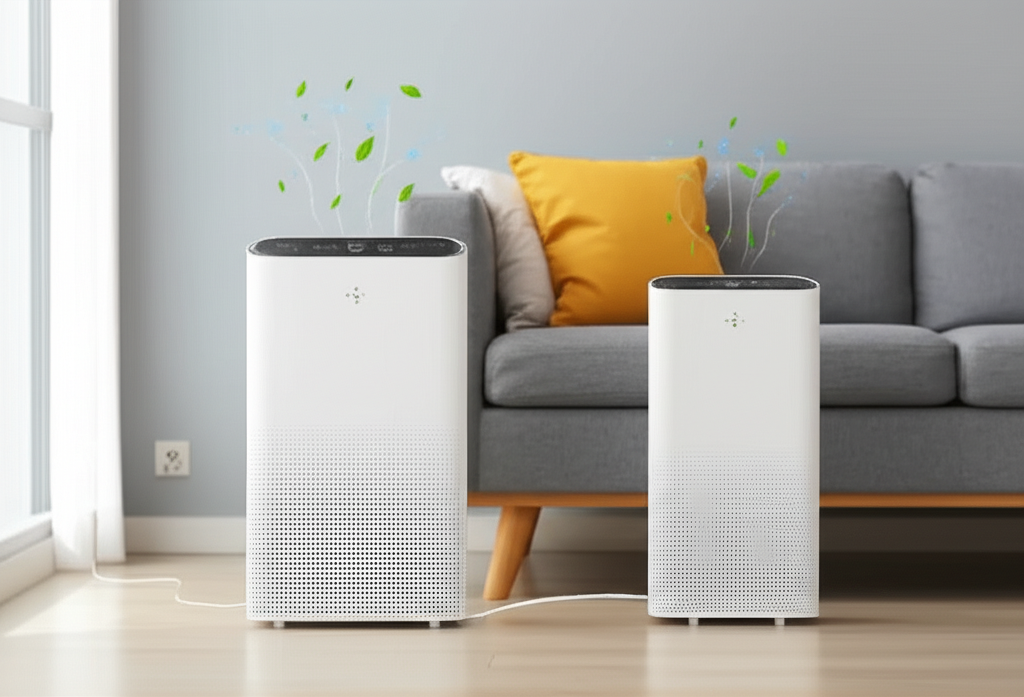
Air purifiers are designed to improve air quality by removing pollutants you can see and, more importantly, those you can’t. They are excellent for allergy sufferers and anyone concerned about airborne contaminants.
Key Takeaway: Air purifiers are crucial for removing allergens and pollutants.
Dehumidifiers: The Moisture Masters
Dehumidifiers are essential for controlling humidity levels, preventing the growth of mold and mildew, and making your home feel more comfortable. High humidity can exacerbate respiratory problems and create an environment where allergens thrive.
Key Takeaway: Dehumidifiers are vital for preventing mold and improving comfort in damp conditions.
Can Air Purifier and Dehumidifier Be Used Together Effectively?
Yes, air purifier and dehumidifier can be used together effectively, and in many situations, it’s highly recommended. When used in the same room, they work in tandem to create a healthier and more comfortable atmosphere. The dehumidifier reduces the moisture that fuels mold and dust mite growth, while the air purifier captures the allergens and irritants that these conditions often produce.

Quiet Dehumidifier for Bedroom with HEPA Filter Air Purifiers
Key Takeaway: Using them together provides a dual benefit for air quality and comfort.
Benefits of Using Them Simultaneously
The combined use of an air purifier and dehumidifier offers several significant advantages. You’ll experience a reduction in allergens, a decrease in musty odors, and a more comfortable living environment, especially in damp climates or seasons. This synergy can significantly improve respiratory health and overall well-being.
Key Takeaway: Combined use leads to fewer allergens, less odor, and improved comfort.
Improved Allergy Relief
For allergy sufferers, using both devices can be a game-changer. The dehumidifier limits the reproduction of dust mites and mold spores, while the air purifier captures any remaining allergens, providing substantial relief from symptoms like sneezing, itchy eyes, and congestion.
Key Takeaway: This combination offers superior relief for allergy symptoms.
Mold and Mildew Prevention
Excess humidity is the primary culprit behind mold and mildew growth. By reducing moisture levels, a dehumidifier creates an environment where these fungi cannot thrive. This proactive approach, coupled with an air purifier capturing any existing spores, is highly effective.
Key Takeaway: Dehumidifiers prevent mold, and air purifiers capture spores.
Odor Reduction
Musty odors are often a tell-tale sign of excess moisture and potential mold growth. A dehumidifier removes the dampness that causes these smells, while an air purifier with an activated carbon filter can absorb lingering odors and volatile organic compounds (VOCs).

Afloia Air Purifier and Dehumidifier
Key Takeaway: Together, they eliminate the sources and carriers of musty smells.
Enhanced Comfort
High humidity can make your home feel sticky and uncomfortable, even at moderate temperatures. A dehumidifier lowers humidity, making the air feel drier and cooler, thus improving overall comfort. An air purifier contributes by removing irritants that can affect breathing comfort.
Key Takeaway: Lower humidity and cleaner air boost overall home comfort.
Potential Downsides and How to Mitigate Them
While generally beneficial, there are a few minor considerations when using both appliances. Running two machines can increase energy consumption. Also, placing them too close together might impede their individual efficiency. Proper placement and understanding your specific needs can easily overcome these potential issues.
Key Takeaway: Be mindful of energy use and device placement.
Energy Consumption
Running both an air purifier and a dehumidifier will naturally consume more electricity than running just one. However, many modern units are designed with energy efficiency in mind. Choosing ENERGY STAR certified models can help minimize this impact.
Key Takeaway: Opt for energy-efficient models to manage electricity costs.
Placement Considerations
It’s best to place the air purifier and dehumidifier in the same room but not directly next to each other. This allows both devices to effectively circulate and process the air in the space without interfering with each other’s airflow. Ideally, position them in areas with good air circulation.
Key Takeaway: Separate them slightly for optimal performance.
Best Practices for Using Them Together
To maximize the benefits and ensure optimal performance, follow a few simple guidelines. Understanding your home’s humidity levels and air quality needs is the first step. Then, consider the size and features of the units you choose.
Key Takeaway: Proper setup and understanding your needs are crucial.
Monitoring Humidity Levels
Use a hygrometer to accurately measure your home’s humidity levels. The ideal indoor humidity range is typically between 30% and 50%. If your levels are consistently above 50%, a dehumidifier is likely beneficial.
Key Takeaway: Aim for 30-50% humidity using a hygrometer.
Choosing the Right Units
Select an air purifier with a HEPA filter for capturing fine particles and consider one with an activated carbon filter for odors. For dehumidifiers, choose a size appropriate for your room and look for features like adjustable humidistats and continuous drainage options.
Key Takeaway: Select units based on room size and specific air quality needs.
Optimal Room Placement
Place both units in the room where you spend the most time or where humidity and air quality are the biggest concerns, such as bedrooms, basements, or bathrooms. Ensure there’s adequate space around each unit for proper air intake and circulation.
Key Takeaway: Position them in primary living areas or problem zones.
Can You Run Them 24/7?
In most cases, yes, you can run both an air purifier and a dehumidifier 24/7, especially if you are actively trying to manage high humidity or poor air quality. Modern units are designed for continuous operation. However, it’s always wise to monitor their performance and your energy bills.
Key Takeaway: Continuous operation is generally safe and effective for ongoing issues.
When is it Most Beneficial?
The combined use is particularly beneficial during humid seasons, in damp environments like basements, or for individuals with allergies, asthma, or sensitivities to mold and dust. It’s also excellent for maintaining a healthy environment in bathrooms and kitchens where moisture is common.
Key Takeaway: Ideal for humid weather, damp areas, and sensitive individuals.
Comparing Air Purifier and Dehumidifier Functionality
It’s important to distinguish their functions. An air purifier cleans the air of particles, while a dehumidifier removes water vapor. They are complementary, not interchangeable, and their combined action addresses a broader spectrum of indoor air quality issues.
Here’s a quick comparison:
| Feature | Air Purifier | Dehumidifier |
|---|---|---|
| Primary Function | Removes airborne particles (dust, pollen, smoke, pet dander) | Removes moisture from the air |
| Key Benefit | Reduces allergens and pollutants | Prevents mold, mildew, and dust mites; improves comfort |
| Filter Type | HEPA, Activated Carbon, Pre-filters | N/A (uses a refrigeration system) |
| Output | Cleaner air | Collected water, drier air |
Key Takeaway: Each device has a distinct role in improving your home environment.
Can a Dehumidifier Act as an Air Purifier?
No, a dehumidifier does not function as an air purifier. While some dehumidifiers may have a basic mesh filter to catch larger dust particles, they lack the advanced filtration systems, like HEPA filters, necessary to capture the fine allergens and pollutants that air purifiers target. Their primary mechanism is moisture removal, not particle filtration.
Key Takeaway: Dehumidifiers do not purify the air; they only remove moisture.
Can an Air Purifier Help with Humidity?
An air purifier cannot directly reduce humidity levels in your home. Its function is to filter airborne particles. While improved air circulation from an air purifier might indirectly help moisture evaporate slightly faster, it won’t significantly lower the overall humidity percentage. For that, a dehumidifier is essential.
Key Takeaway: Air purifiers do not control humidity; that’s the dehumidifier’s job.
Frequently Asked Questions (FAQ)
Q1: Will using both appliances at the same time increase my electricity bill significantly?
It will increase your electricity usage compared to using just one, but the impact can be managed by choosing energy-efficient models and using them strategically in the rooms where they are most needed.
Q2: Can I place an air purifier and dehumidifier in a small room together?
Yes, you can, but ensure there’s enough space for both to operate efficiently without being too close. Proper ventilation within the room is also important.
Q3: Do I need to run both all the time?
It depends on your specific needs. If you have persistent high humidity or allergy issues, continuous operation might be beneficial. Otherwise, you can use them as needed, perhaps more frequently during humid seasons or allergy peaks.
Q4: What’s the ideal humidity level to maintain?
The ideal indoor humidity range is generally considered to be between 30% and 50%. Levels above 50% can encourage mold and dust mite growth.
Q5: Are there any specific types of air purifiers or dehumidifiers that work best together?
Look for HEPA air purifiers for effective particle removal and dehumidifiers with adjustable humidistats. Units with activated carbon filters in the air purifier are great for tackling odors often associated with dampness.
Q6: Can I use a portable dehumidifier and a portable air purifier in the same space?
Absolutely. Portable units are designed for flexibility and can be easily moved to the rooms where you need both air purification and dehumidification the most.
Conclusion: A Powerful Combination for a Healthier Home
Hope you have the answer to your question – can air purifier and dehumidifier be used together. In conclusion, the question of “Can air purifier and dehumidifier be used together?” is answered with a confident yes. By understanding their distinct roles and how they complement each other, you can effectively leverage both appliances to create a significantly healthier, more comfortable, and allergen-free indoor environment. Whether you’re battling seasonal allergies, persistent dampness, or simply aiming for optimal indoor air quality, using an air purifier and dehumidifier in tandem is a smart and beneficial strategy for your home.
