Are Air Purifier Safe for Babies? Essential Guide

Yes, air purifiers can be safe and beneficial for babies when chosen and used correctly, helping to create a healthier environment by removing allergens and pollutants.
Are Air Purifiers Safe for Babies? Your Essential Guide
Bringing a new baby home is a joyous occasion, but it also brings new concerns, especially about the air your little one breathes. You might be wondering, “Are air purifiers safe for babies?” It’s a valid question as you want the best and safest environment for your newborn. This guide will walk you through everything you need to know to make an informed decision, ensuring your baby breathes cleaner, healthier air.
Understanding Air Quality for Your Baby
The air in our homes can contain various pollutants, from dust mites and pet dander to VOCs (volatile organic compounds) from furniture and cleaning products. For babies, whose respiratory systems are still developing, these pollutants can be particularly problematic, potentially leading to allergies or breathing difficulties. Ensuring good indoor air quality is paramount for their well-being.
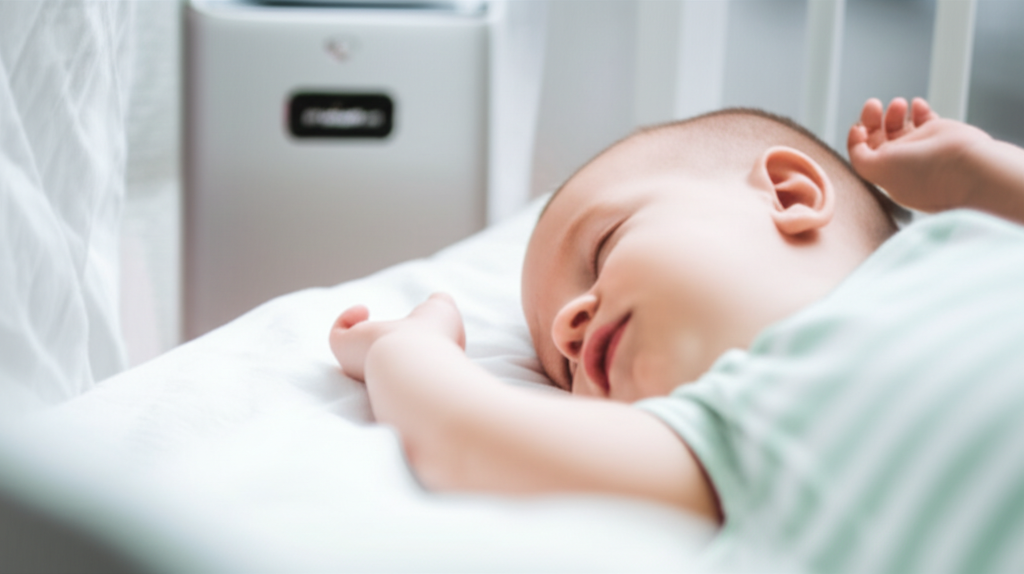
A clean home environment is crucial for a baby’s developing lungs.
The Benefits of Air Purifiers for Infants
Air purifiers work by filtering out airborne particles, significantly improving the air quality in a nursery or living space. They can trap common allergens like pollen, pet dander, and dust mites, which are frequent triggers for respiratory issues in infants. By reducing these irritants, air purifiers can help create a more comfortable breathing environment for your baby.
Reduced Allergens: Captures common allergens like dust, pollen, and pet dander.
Removal of Pollutants: Filters out VOCs and other harmful airborne particles.
Odor Control: Helps eliminate unpleasant smells from the environment.
Using an air purifier can lead to fewer sniffles and a more comfortable sleep for your baby.
Are Air Purifiers Safe for Babies? The Core Question
The primary concern often revolves around the ozone produced by some air purifiers. However, modern, high-quality air purifiers designed for home use, particularly those with HEPA filters, produce negligible amounts of ozone, well within safety standards set by organizations like the Environmental Protection Agency (EPA). When selecting an air purifier, opting for ozone-free models is key.
Choosing an ozone-free, HEPA-filtered unit is the safest bet.
Key Features to Look for in a Baby-Safe Air Purifier
When shopping for an air purifier for your baby’s room, prioritize specific features that ensure safety and effectiveness. A True HEPA filter is non-negotiable, as it captures 99.97% of airborne particles as small as 0.3 microns. Look for units with activated carbon filters to tackle gases and odors, and crucially, ensure the device is certified as ozone-free.
True HEPA Filter: Essential for capturing microscopic particles.
Activated Carbon Filter: Addresses gases, odors, and VOCs.
Ozone-Free Certification: Guarantees no harmful ozone is emitted.
Low Noise Level: Important for not disturbing your baby’s sleep.
Energy Efficiency: Saves on electricity costs over time.
A quiet operation is as important as effective filtration for a nursery.
Types of Air Purifiers and Their Suitability for Babies
Different air purification technologies exist, but not all are equally suited for infants.
| Technology | How it Works | Suitability for Babies