
Are Air Purifier Good For Dust? Proven Essential

Yes, air purifiers are highly effective at removing dust from your home, significantly improving air quality and reducing allergens. They utilize advanced filtration systems to capture airborne dust particles, offering a proven solution for a cleaner living environment.
Air purifiers are a fantastic tool for tackling dust buildup in your home. If you’re tired of constantly wiping surfaces and still seeing a fine layer of dust, you’re not alone. Many people wonder if these devices truly make a difference. I’m here to tell you that, with the right purifier, the answer is a resounding yes. Let’s explore how they work and why they are essential for a dust-free home.
The Science Behind Air Purifiers and Dust Removal
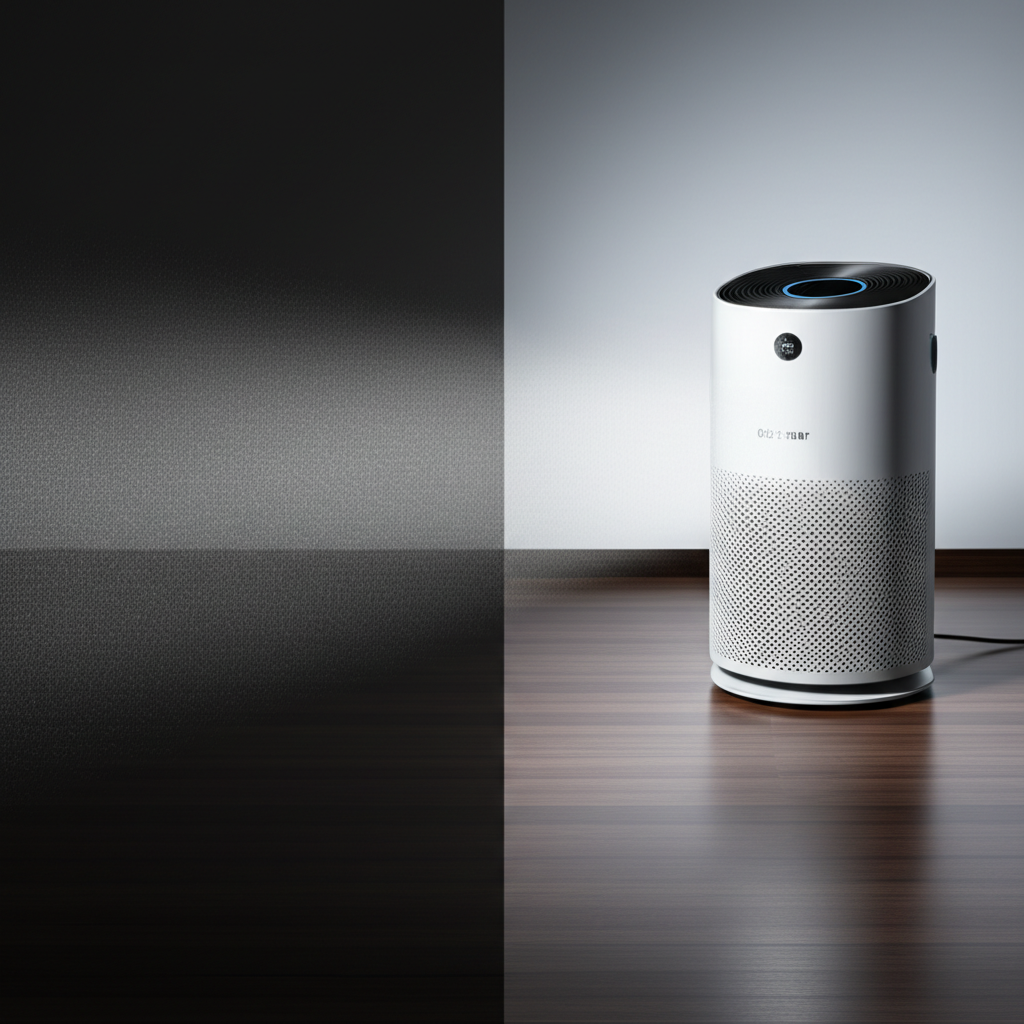
Air purifiers are excellent for dust because their core function is to capture airborne particles. They draw in the air from your room, pass it through a series of filters, and then release cleaner air back into the space. This process effectively traps dust, along with other common indoor pollutants like pollen, pet dander, and mold spores.
Key Takeaway: Air purifiers actively remove dust by filtering it out of the air.
How Air Purifiers Capture Dust Particles
The primary mechanism air purifiers use to combat dust is their filtration system. Most modern air purifiers feature High-Efficiency Particulate Air (HEPA) filters, which are designed to trap at least 99.97% of airborne particles 0.3 microns in size. Dust particles, even though they can vary in size, are effectively caught by these filters.
Key Takeaway: HEPA filters are the gold standard for capturing fine dust particles.
Understanding HEPA Filters: The Dust-Busting Heroes
HEPA filters are the workhorses of air purification when it comes to dust. They are made of a dense mesh of fibers that create a tortuous path for air to travel through. As dust particles attempt to pass through, they get trapped by a combination of interception, impaction, and diffusion.
Key Takeaway: HEPA filters are scientifically proven to capture a vast majority of dust particles.
Beyond HEPA: Other Filter Types for Dust Control
While HEPA filters are crucial, many air purifiers also incorporate other filter types to enhance dust removal and address other pollutants. Activated carbon filters, for instance, are excellent at absorbing odors and volatile organic compounds (VOCs) that can sometimes accompany dust. Pre-filters often catch larger dust particles, extending the life of the HEPA filter.
Key Takeaway: Multiple filter types work together for comprehensive dust and pollutant removal.
Are Air Purifiers Good for Dust? The Proven Benefits
The benefits of using an air purifier for dust are numerous and directly impact your home environment and well-being. By reducing airborne dust, you can experience fewer allergy symptoms, less frequent dusting, and overall cleaner air. This makes them an essential addition for many households, especially those with allergy sufferers or pets.
Key Takeaway: Air purifiers significantly reduce dust, leading to improved health and a cleaner home.
Choosing the Right Air Purifier for Dust: Key Features to Look For
When selecting an air purifier specifically for dust, several features are paramount. Look for a unit with a true HEPA filter, a suitable CADR (Clean Air Delivery Rate) for your room size, and a pre-filter to catch larger debris. Energy efficiency and noise levels are also important considerations for daily use.
Key Takeaway: Prioritize HEPA filters, appropriate CADR, and pre-filters for effective dust removal.
Air Purifier Effectiveness: What the Experts Say
Health organizations and environmental agencies consistently recommend air purifiers with HEPA filters for improving indoor air quality. Studies have shown that these devices can significantly reduce particulate matter, including dust, in homes. For instance, the Environmental Protection Agency (EPA) highlights the role of air cleaners in reducing indoor air pollution.
Key Takeaway: Experts endorse HEPA air purifiers for their proven ability to reduce indoor dust.
Placement and Maintenance: Maximizing Your Air Purifier’s Dust-Fighting Power
To get the most out of your air purifier for dust, proper placement and regular maintenance are key. Place the unit in the room where you spend the most time, ideally in a central location with good airflow. Regularly clean or replace the filters as recommended by the manufacturer to ensure optimal performance.
Key Takeaway: Strategic placement and consistent filter maintenance are vital for peak performance.
Air Purifier vs. Other Dust Control Methods
While traditional methods like vacuuming and dusting are important, air purifiers offer a proactive approach to dust control. They capture dust that would otherwise settle on surfaces or remain airborne. Unlike manual cleaning, which can sometimes stir up dust, air purifiers continuously work to remove it from the air you breathe.
Key Takeaway: Air purifiers complement traditional cleaning by continuously removing airborne dust.
Frequently Asked Questions About Air Purifiers and Dust
Do air purifiers eliminate all dust?
No, air purifiers significantly reduce airborne dust but cannot eliminate every single particle. Some dust will always settle on surfaces, requiring regular manual cleaning.
How often should I run my air purifier for dust?
For best results, it’s recommended to run your air purifier continuously, especially in rooms where dust is a significant concern.
Can air purifiers help with allergies caused by dust?
Yes, by removing dust mites, pet dander, and other allergens often associated with dust, air purifiers can greatly alleviate allergy symptoms.
What is the best type of filter for dust?
A true HEPA filter is the most effective type of filter for capturing fine dust particles.
How do I know if my air purifier is working for dust?
You’ll notice less dust settling on surfaces, and if you have allergies, you may experience fewer symptoms. Some purifiers also have air quality indicators.
Do air purifiers make noise when removing dust?
Most air purifiers produce some level of noise, similar to a fan. The noise level varies by model and fan speed.
How often do air purifier filters need to be replaced for dust?
Filter replacement frequency depends on the model and the air quality in your home, but typically ranges from 6 months to 2 years. Always check the manufacturer’s recommendations.
Conclusion: Are Air Purifiers Good for Dust? A Clear Verdict
In conclusion, the answer to “are air purifiers good for dust?” is a definitive yes. They are not just good; they are an essential tool for anyone looking to improve their indoor air quality and reduce dust accumulation. By employing advanced filtration technologies like HEPA, these devices actively capture airborne dust particles, leading to a cleaner, healthier living environment. Investing in a quality air purifier can make a noticeable difference in how much dust you see and breathe.

