Are Air Purifier Expensive? Genius Savings Revealed

Are air purifiers expensive? While the initial cost can seem high, smart choices and understanding long-term savings reveal they are a worthwhile investment for healthier living, not just an expense.
Are air purifiers expensive? It’s a question many of us ponder when considering cleaner indoor air. The upfront cost can indeed feel like a significant outlay, leading to hesitation. However, by looking beyond the price tag and understanding the hidden benefits and long-term value, you’ll discover that air purifiers are often a surprisingly smart investment. Let’s explore how to make them work for your budget and your well-being.
The Real Cost: Beyond the Sticker Price
The initial purchase price of an air purifier can range from under $100 for basic models to over $500 for high-end units with advanced features. This wide spectrum often makes people wonder, “Are air purifiers expensive?” The answer depends on what you prioritize: a simple solution or a comprehensive air quality system.
Key Takeaway: The upfront cost is just one piece of the puzzle; ongoing costs and benefits are crucial for a complete picture.
Understanding the Factors Influencing Air Purifier Costs
Several elements contribute to the price tag of an air purifier. Understanding these can help you make a more informed decision and determine if a particular unit aligns with your budget and needs.
Coverage Area and CADR
The size of the room or area the air purifier is designed to cover significantly impacts its price. Larger coverage areas require more powerful motors and larger filtration systems, thus increasing the cost. The Clean Air Delivery Rate (CADR) is a key metric indicating how quickly a purifier can clean the air. Higher CADR ratings generally mean higher prices.
Key Takeaway: A purifier’s effectiveness for your space directly correlates with its price.
Filtration Technology
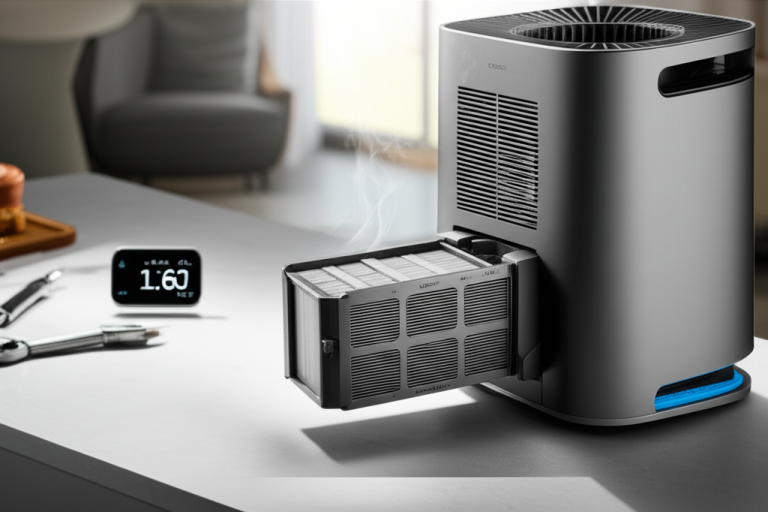
Different filtration technologies offer varying levels of performance and, consequently, different price points. HEPA filters, for instance, are highly effective at capturing small particles and are standard in many good quality purifiers. Activated carbon filters, used for odor and VOC removal, also add to the cost.
Key Takeaway: Advanced filtration systems, while more expensive initially, offer superior air cleaning capabilities.
Smart Features and Connectivity
Modern air purifiers often come with “smart” features like Wi-Fi connectivity, app control, air quality sensors, and automatic modes. These conveniences add to the manufacturing cost but can enhance user experience and efficiency.
Key Takeaway: Smart features offer convenience and control, often at a premium price.
Are Air Purifiers Expensive? Comparing Initial Investment vs. Long-Term Value
When asking “are air purifiers expensive?”, it’s essential to weigh the initial cost against the long-term benefits for your health and home. Think of it as an investment in your well-being.
Health Benefits: The Unseen Value
Improved air quality can lead to fewer allergy symptoms, reduced asthma triggers, better sleep, and overall enhanced respiratory health. These health improvements can translate into fewer doctor visits and less money spent on medications, offering significant long-term savings.
Key Takeaway: The health advantages of clean air can offset the initial cost through reduced healthcare expenses.
Protecting Your Home and Belongings
Air purifiers can help reduce dust accumulation, which means less time spent cleaning and potentially longer lifespans for electronics and furniture that are sensitive to dust and particulate matter. This can lead to savings on cleaning supplies and replacement costs.
Key Takeaway: Cleaner air contributes to a cleaner home, saving you time and money on maintenance.
Debunking the Myth: Affordable Air Purification Solutions
The perception that air purifiers are prohibitively expensive is often a misconception. There are many budget-friendly options available that still offer excellent performance.
Budget-Friendly Brands and Models
Several reputable brands offer effective air purifiers at various price points. Researching models from brands like Levoit, Coway, and Winix can reveal units that balance cost and performance effectively.
Key Takeaway: You don’t always need to break the bank to get a quality air purifier.
The Power of Sales and Refurbished Units
Keep an eye out for seasonal sales, holiday promotions, and discounts. Purchasing a certified refurbished unit from a trusted retailer can also offer significant savings without compromising quality.
Key Takeaway: Smart shopping strategies can make air purifiers more accessible.
Calculating the True Cost of Ownership: Beyond the Purchase Price
To truly answer “are air purifiers expensive?”, we need to consider the ongoing costs. These primarily involve filter replacements and electricity consumption.
Filter Replacement Costs
HEPA and activated carbon filters need to be replaced periodically, typically every 6-12 months, depending on usage and air quality. This is a recurring expense that should be factored into your budget.
| Filter Type | Typical Lifespan | Estimated Cost (per filter) |
| :————— | :————— | :————————– |
| HEPA Filter | 6-12 months | $30 – $70 |
| Activated Carbon | 6-12 months | $20 – $50 |
Key Takeaway: Factor in the recurring cost of replacement filters when budgeting.
Energy Consumption
Modern air purifiers are designed to be energy-efficient, often using as much electricity as a small light bulb. The actual cost will depend on the unit’s wattage and how often it runs.
Key Takeaway: Energy efficiency can minimize the impact of air purifiers on your electricity bill.
Genius Savings Revealed: Maximizing Your Air Purifier Investment
Now, let’s dive into the “genius savings” part of our discussion. By implementing a few smart strategies, you can ensure your air purifier is a cost-effective solution.
Strategic Placement for Maximum Efficiency
Placing your air purifier in the room where you spend the most time, like your bedroom or living room, ensures you’re breathing the cleanest air where it matters most. This targeted approach maximizes the benefits without needing multiple units for the entire house.
Key Takeaway: Focus your purifier’s power on the areas you use most.
Running Your Air Purifier Smartly
Utilize timer functions or smart home integration to run your purifier during peak times or when air quality is poorest. Many units have auto modes that adjust fan speed based on detected air quality, optimizing energy use.
Key Takeaway: Intelligent operation reduces energy consumption and filter wear.
Choosing the Right Size for Your Space
Over-buying a purifier for a small room is wasteful, both in terms of initial cost and energy use. Conversely, an undersized unit will struggle to clean the air effectively, negating its benefits. Always check the recommended room size and CADR rating for your specific needs.
Key Takeaway: Matching the purifier’s capacity to your room size is crucial for efficiency and cost-effectiveness.
When Are Air Purifiers NOT Expensive?
Considering the potential health benefits and the cost of dealing with poor air quality, air purifiers can often be seen as a necessity rather than an expense, particularly for certain individuals.
For Allergy and Asthma Sufferers
If you or someone in your household suffers from allergies or asthma, the cost of an air purifier is often far less than the ongoing expense of medications, doctor visits, and lost productivity due to symptoms. Studies have shown the positive impact of air purifiers on respiratory health.
Key Takeaway: For those with respiratory conditions, air purifiers offer significant health and financial relief.
In Areas with Poor Outdoor Air Quality
For those living in cities with high pollution levels or near industrial areas, an air purifier is essential for maintaining a healthy indoor environment. The cost of not having one can be a significant detriment to long-term health.
Key Takeaway: In polluted environments, an air purifier is a vital tool for protecting your health.
Common Misconceptions About Air Purifier Costs
Let’s address some common myths that might make you think “are air purifiers expensive” without a full understanding.
Myth: All Air Purifiers Are Loud and Disruptive
While some older or very powerful models can be noisy, many modern air purifiers are designed for quiet operation, especially on lower fan speeds. Many even have dedicated “sleep modes” that minimize noise.
Key Takeaway: Noise levels vary greatly; look for models with quiet operation features.
Myth: Air Purifiers Are a One-Time Purchase
As discussed, filter replacements are a recurring cost. However, when you compare this to the continuous cost of managing allergies or the potential long-term health impacts of poor air, it’s a manageable and often necessary expense.
Key Takeaway: Understanding the total cost of ownership, including filters, provides a realistic financial picture.
Frequently Asked Questions About Air Purifier Costs
Q1: How much should I expect to spend on a good air purifier?
A1: For a medium-sized room, a good quality air purifier typically ranges from $100 to $300. Higher-end models with advanced features or larger coverage areas can cost more.
Q2: Are the replacement filters for air purifiers very expensive?
A2: Replacement filter costs can range from $20 to $70 per filter, depending on the brand and type. It’s wise to check these costs before purchasing a unit.
Q3: How much electricity do air purifiers use?
A3: Most modern air purifiers are energy-efficient, using between 15 to 60 watts, similar to a light bulb. Running one continuously usually adds only a few dollars to your monthly electricity bill.
Q4: Can an air purifier actually save me money in the long run?
A4: Yes, by improving health and reducing allergy symptoms, air purifiers can lead to fewer medical expenses. They also reduce dust, meaning less spending on cleaning supplies and potentially longer life for electronics.
Q5: Is it worth buying a more expensive air purifier?
A5: If you have significant air quality concerns, allergies, or live in a polluted area, a more expensive unit with better filtration and higher CADR might be a worthwhile investment for superior air cleaning.
Q6: What are the ongoing costs of owning an air purifier besides filters?
A6: The primary ongoing cost is electricity. Some smart features might require subscriptions, but this is rare for most standard home units.
Conclusion: A Smart Investment for Healthier Air
So, are air purifiers expensive? When you consider the profound impact of clean indoor air on your health, comfort, and even the longevity of your home furnishings, the initial and ongoing costs often prove to be a wise and valuable investment. By understanding the factors that influence price, choosing the right unit for your needs, and employing smart usage strategies, you can ensure your air purifier is not just a purchase, but a significant contributor to a healthier, happier living environment.