
Are Air Purifier Effective? Proven Health Benefits

Yes, air purifiers are effective at removing airborne pollutants, leading to proven health benefits like reduced allergy symptoms, improved respiratory health, and better sleep quality.
Are Air Purifiers Effective? Proven Health Benefits
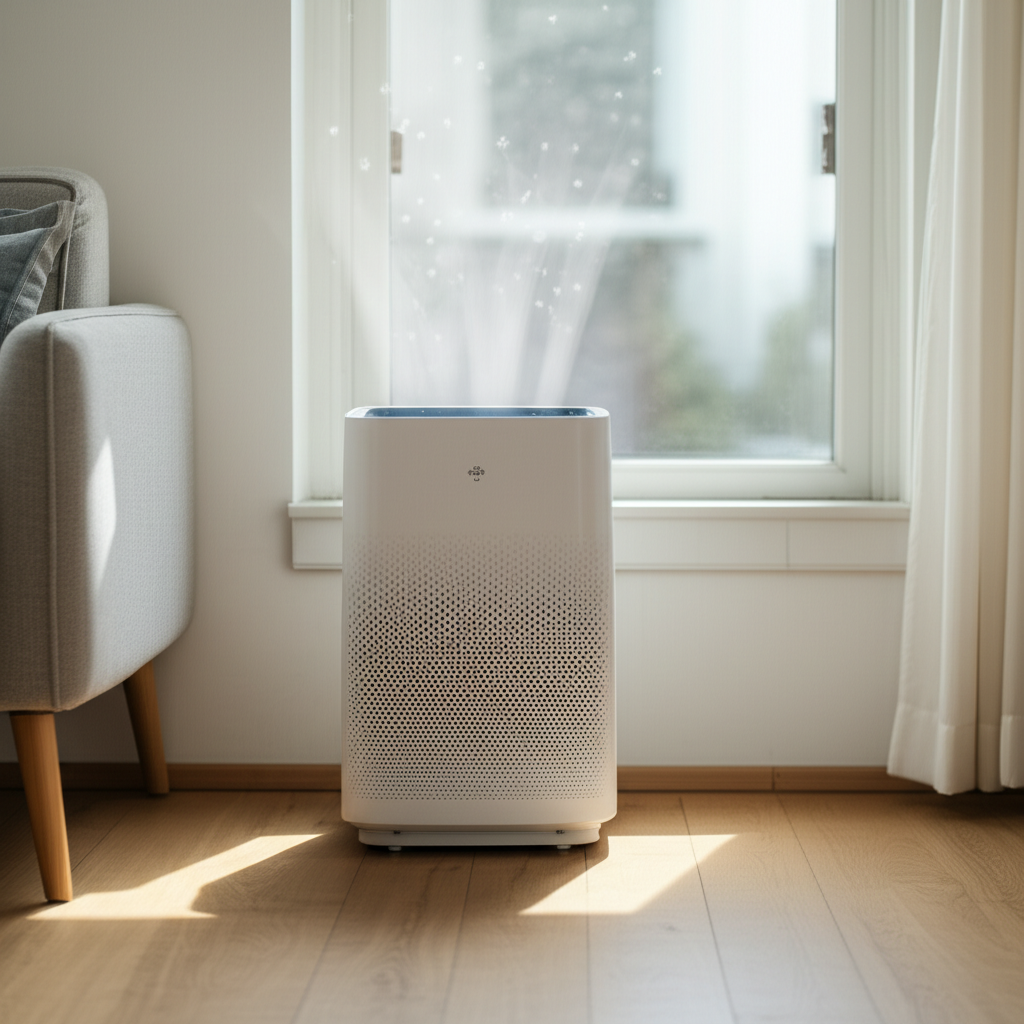
Breathing clean air is essential for our well-being, yet indoor air can often be more polluted than outdoor air. This can lead to a range of health issues, from sneezing and coughing to more serious respiratory problems. Many people wonder, “Are air purifiers effective?” in combating these invisible threats. The good news is that with the right understanding and selection, they can significantly improve your indoor environment. This article will explore the science-backed benefits and help you understand how air purifiers work to create a healthier home.
Understanding Indoor Air Quality and Its Impact
Indoor air quality (IAQ) refers to the condition of the air within buildings and structures. It’s influenced by a variety of pollutants, including dust, pollen, pet dander, mold spores, volatile organic compounds (VOCs) from cleaning products and furniture, and even viruses and bacteria. Poor IAQ can trigger allergies, asthma attacks, headaches, and fatigue.
Key Takeaway: Indoor air can harbor numerous pollutants that negatively affect our health.
How Do Air Purifiers Work to Improve Air Quality?
Air purifiers work by drawing in indoor air, passing it through a filtration system, and then releasing cleaner air back into the room. The effectiveness of an air purifier largely depends on the type of filter it uses and the technology it employs. HEPA filters are widely recognized for their ability to capture tiny particles, while activated carbon filters excel at removing odors and gases.
Key Takeaway: Air purifiers use filtration systems to trap airborne contaminants, releasing cleaner air.
The Science Behind Air Purifier Effectiveness: HEPA Filters
High-Efficiency Particulate Air (HEPA) filters are the gold standard in air purification. A true HEPA filter is designed to remove at least 99.97% of airborne particles 0.3 microns in size. This includes common allergens like pollen, dust mites, pet dander, and mold spores.
Key Takeaway: HEPA filters are highly effective at capturing microscopic particles, a major source of indoor allergens.
Activated Carbon Filters: Tackling Odors and VOCs
While HEPA filters capture particles, activated carbon filters are crucial for adsorbing gases, odors, and VOCs. These filters contain porous carbon that traps chemical pollutants, smoke, and cooking smells. This dual-action approach is vital for comprehensive air purification.
Key Takeaway: Activated carbon filters complement HEPA filters by removing gases and odors that HEPA filters cannot capture.
Proven Health Benefit 1: Allergy and Asthma Symptom Relief
For individuals suffering from allergies or asthma, air purifiers can offer significant relief. By removing common triggers like pollen, dust mites, and pet dander from the air, they reduce exposure to these allergens. This can lead to fewer sneezing fits, less nasal congestion, and a decrease in asthma exacerbation.
Key Takeaway: Air purifiers can significantly reduce allergy and asthma symptoms by removing airborne triggers.
Proven Health Benefit 2: Improved Respiratory Health
Beyond allergies, cleaner indoor air contributes to overall better respiratory health. Reducing exposure to fine particulate matter (PM2.5) and other irritants can help prevent inflammation in the airways. This is particularly beneficial for children and the elderly, who are more susceptible to respiratory illnesses.
Key Takeaway: Cleaner air promotes healthier lungs and can help prevent respiratory issues.
Proven Health Benefit 3: Enhanced Sleep Quality
Breathing clean air can directly impact sleep quality. When your airways are clear and free from irritants, you’re less likely to experience disrupted sleep due to coughing or difficulty breathing. Many users report feeling more rested after using an air purifier, especially in their bedrooms.
Key Takeaway: A cleaner sleeping environment can lead to more restful and uninterrupted sleep.
Proven Health Benefit 4: Reduction of Airborne Germs and Viruses
While not a substitute for hygiene practices, some air purifiers with HEPA filters can capture airborne bacteria and viruses. By trapping these microorganisms, they can help reduce the spread of airborne illnesses within a household. This is especially relevant during cold and flu seasons.
Key Takeaway: Air purifiers can help reduce the presence of airborne pathogens, potentially lowering the risk of illness transmission.
Proven Health Benefit 5: Removal of Smoke and Odors
For households affected by smoke from cooking, fireplaces, or external sources, air purifiers with activated carbon filters are highly effective. They can neutralize unpleasant odors and remove harmful smoke particles, creating a more pleasant and healthier living space.
Key Takeaway: Effective odor and smoke removal contributes to a more comfortable and healthier home environment.
Factors Affecting Air Purifier Effectiveness
Several factors influence how effective an air purifier will be in your home. These include the size of the room, the CADR (Clean Air Delivery Rate) of the unit, the type and quality of filters used, and proper maintenance. Choosing a unit appropriately sized for your space and ensuring regular filter replacement are crucial.
Key Takeaway: Room size, CADR, filter type, and maintenance are key to maximizing an air purifier’s effectiveness.
Choosing the Right Air Purifier for Your Needs
When selecting an air purifier, consider the size of the room it will be used in and the specific pollutants you want to target. Look for units with a high CADR for the room’s square footage and ensure they feature a true HEPA filter. For odor and VOC concerns, an activated carbon filter is essential.
Key Takeaway: Match the air purifier’s specifications to your room size and specific air quality concerns.
Are Air Purifiers Effective? A Look at the Evidence
Numerous studies and expert opinions support the effectiveness of air purifiers. For instance, the American College of Allergy, Asthma & Immunology recommends air purifiers with HEPA filters for allergy sufferers. Organizations like the EPA also acknowledge their role in improving indoor air quality.
Key Takeaway: Scientific evidence and health organizations confirm the benefits of using air purifiers.
Comparing Air Purifier Technologies
| Technology | Primary Function | Best For | Considerations |
| :—————- | :———————————————— | :———————————————– | :————————————————- |
| HEPA Filtration | Captures fine particulate matter (0.3 microns+) | Allergens, dust, pet dander, mold spores | Requires regular filter replacement |
| Activated Carbon | Adsorbs gases, odors, and VOCs | Smoke, cooking smells, chemical fumes | Effectiveness depends on carbon amount and quality |
| Ionizers | Releases ions to clump particles for easier capture | Can help with very fine particles | Potential ozone production, requires caution |
| UV-C Light | Kills bacteria and viruses | Sterilization of airborne pathogens | Effectiveness depends on exposure time |
Key Takeaway: Different technologies target different pollutants; a combination often provides the best results.
Maintaining Your Air Purifier for Optimal Performance
To ensure your air purifier remains effective, regular maintenance is essential. This typically involves cleaning pre-filters and replacing HEPA and activated carbon filters according to the manufacturer’s recommendations. Neglecting maintenance can significantly reduce the unit’s performance.
Key Takeaway: Consistent maintenance, especially filter replacement, is vital for sustained air purifier effectiveness.
Frequently Asked Questions About Air Purifiers
Do air purifiers really make a difference?
Yes, air purifiers can make a significant difference by removing airborne pollutants that contribute to allergies, asthma, and other respiratory issues.
Are air purifiers effective against viruses and bacteria?
True HEPA filters can capture a significant percentage of airborne bacteria and viruses, helping to reduce their presence in the air.
How often should I run my air purifier?
For maximum benefit, it’s recommended to run your air purifier continuously, especially in rooms where you spend the most time.
Can air purifiers help with pet odors?
Yes, air purifiers with activated carbon filters are very effective at absorbing and neutralizing pet odors.
Are there any side effects to using air purifiers?
When used correctly, air purifiers are generally safe. However, some units with ionizers may produce small amounts of ozone, which can be an irritant for some individuals. Always choose ozone-free or certified low-ozone models.
What is CADR and why is it important?
CADR (Clean Air Delivery Rate) measures how quickly an air purifier can clean a room of smoke, dust, and pollen. A higher CADR indicates faster and more effective air cleaning.
How do I know if my air purifier is working?
You can often tell if your air purifier is working by the reduced presence of dust and odors in the air, and by monitoring the air quality indicator lights if your model has them.
Conclusion: Investing in Your Health with Cleaner Air
So, are air purifiers effective? The evidence overwhelmingly suggests that they are powerful tools for improving indoor air quality and, consequently, our health. By understanding how they work and choosing the right unit for your needs, you can significantly reduce allergens, irritants, and pollutants in your home. This leads to tangible health benefits, from easier breathing and fewer allergy flare-ups to better sleep and a reduced risk of airborne illnesses. Investing in a quality air purifier is an investment in your family’s well-being and a step towards a healthier living environment.
