
Top 5 Benefits of Activated Carbon Air Purifiers for Cleaner Air

Have you ever walked into a room and immediately noticed a musty odor or felt like the air was heavy with pollutants? It’s something many of us experience without realizing the impact it can have on our health. That’s where activated carbon air purifiers come into play. These handy devices help clean the air in your home, removing everything from bad odors to dangerous chemicals.
But what exactly is an activated carbon air purifier? And how does it work to keep your indoor air fresh and safe? In this article, we’ll explore everything you need to know about these air purifiers, how they work, and why they might be the perfect addition to your home.
What is an Activated Carbon Air Purifier and How Does It Work?
An activated carbon air purifier is a powerful air-cleaning device designed to remove pollutants from the air using activated carbon, a highly porous material that attracts and traps toxins, gases, odors, and even certain allergens. Let’s break down the key aspects of how these purifiers work and why they’re so effective.
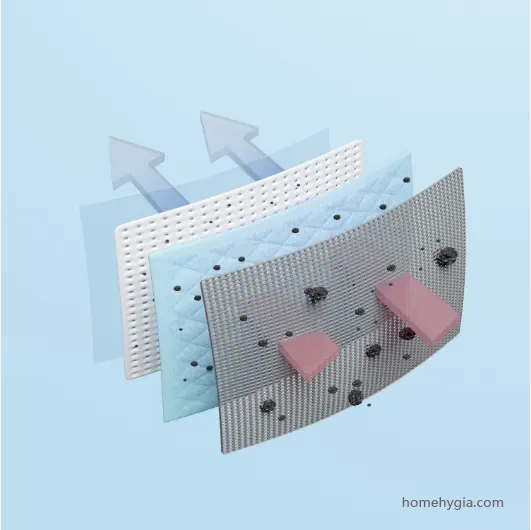
How Activated Carbon Air Purifiers Work?
Activated carbon, often referred to as activated charcoal, is created by heating carbon-rich materials (like wood or coconut shells) in the presence of gases to develop tiny, highly porous pores. These pores increase the surface area of the carbon, allowing it to absorb a wide variety of air pollutants. When air flows through the purifier, contaminants stick to the carbon, leaving behind cleaner, fresher air.
- Absorbs Gases and Odors: Activated carbon is particularly effective at trapping volatile organic compounds (VOCs), smoke, cooking odors, pet smells, and even chemicals like formaldehyde.
- Improves Air Quality: It helps remove harmful gases and particulates, improving the air quality in your home.
- HEPA + Activated Carbon Combo: Many HEPA activated carbon air purifiers combine the filtration power of HEPA filters (which trap fine particles like dust, pollen, and pet dander) with activated carbon to remove gases, providing comprehensive air purification.
What Does an Activated Carbon Air Purifier Remove?
Activated carbon air purifiers are known for their ability to tackle a variety of airborne pollutants, including:
- Odors: Common household smells like cooking odors, smoke, and pet smells.
- VOCs: These volatile organic compounds are emitted by household products, paints, cleaning agents, and furniture.
- Chemicals: Harmful chemicals like formaldehyde, benzene, and ammonia that can linger in your home.
- Gases: Airborne gases that can contribute to poor indoor air quality and even respiratory problems.
Is Activated Carbon Effective on All Airborne Contaminants?
While activated carbon is great at absorbing gases and odors, it is not as effective at trapping larger particles like dust or pollen. This is where HEPA activated carbon air purifiers shine—they combine the fine particle trapping power of HEPA filters with the odor- and gas-absorbing abilities of activated carbon. For homes that experience high levels of dust or allergens, a combination filter system is ideal.
If you’re dealing with just odors or gases (like in a kitchen or around pets), an activated carbon air purifier might be enough. However, if you need to target a wider range of pollutants, consider one with a HEPA filter as well.
Real-Life Applications
For example, in a kitchen, where cooking smells are common, a charcoal activated carbon air purifier for kitchen odor could work wonders. These purifiers are specially designed to absorb odors from cooking ingredients like garlic, fish, and spices. Similarly, a quiet fan activated carbon air purifier is ideal for bedrooms or offices where you want clean air without any noise disruption.
Benefits of Using an Activated Carbon Air Purifier
Now that you know what an activated carbon air purifier is and how it works, let’s take a closer look at the benefits of using one in your home. From improving air quality to eliminating unwanted odors, these purifiers offer several advantages that can make a significant difference in your indoor environment.
1. Eliminate Unpleasant Odors
One of the most noticeable benefits of an activated carbon air purifier is its ability to remove odors from your home. Whether it’s cooking smells, pet odors, or even the stale air from a damp room, activated carbon works like a sponge, absorbing and trapping odor molecules.
- Kitchen Odors: Cooking smells like garlic, onions, or fish can linger long after you’ve finished preparing a meal. A charcoal activated carbon air purifier for kitchen odor is specifically designed to tackle these tough smells.
- Pet Odors: If you have pets, you know how difficult it can be to keep the air fresh. Activated carbon filters are excellent at absorbing pet odors, leaving your home smelling clean.
- General Household Smells: From smoke to musty basement air, activated carbon can remove unwanted smells that can affect your comfort and health.
2. Improve Indoor Air Quality by Removing Harmful Gases
In addition to odors, activated carbon air purifiers are highly effective at trapping gases like volatile organic compounds (VOCs), which are commonly found in household products, furniture, and cleaning agents. Exposure to these gases can lead to headaches, dizziness, or even long-term health issues. By removing VOCs, activated carbon purifiers help create a healthier living space.
- VOCs: These compounds are emitted by paints, cleaning products, adhesives, and even some synthetic fabrics. An activated carbon air purifier is designed to trap these gases, preventing them from circulating in the air.
- Formaldehyde & Benzene: Common household items like furniture, carpets, and insulation can release formaldehyde and benzene—both of which are known carcinogens. Activated carbon is excellent at removing these harmful chemicals from the air.
3. Combat Allergens and Dust (With the Right Combination)
While activated carbon is not as effective at filtering out larger particles like pollen or dust, when combined with a HEPA filter, it can work wonders for those with allergies. HEPA activated carbon air purifiers can capture fine particles like dust, pet dander, and pollen while still absorbing gases and odors.
- Allergy Relief: If you suffer from allergies, a combined HEPA activated carbon air purifier can make a huge difference in your indoor air quality, ensuring you breathe easier during allergy season.
- Dust Control: Activated carbon is especially beneficial for homes in dusty environments or areas prone to pollution. It helps clean the air, reducing the accumulation of dust on surfaces.
4. A More Peaceful Environment (Quiet Fan Options)
For many, the noise level of air purifiers is a significant consideration, especially when placing them in bedrooms or offices. Thankfully, there are quiet fan activated carbon air purifiers that provide the same powerful air cleaning benefits without disturbing your peace. These purifiers are designed with noise reduction features to ensure that they operate quietly while purifying the air.
- Ideal for Bedrooms: A quiet purifier ensures you can sleep soundly while it works to remove pollutants, gases, and odors.
- Perfect for Offices: In a professional setting, a quiet fan air purifier ensures you won’t be distracted while working, but still enjoy the benefits of clean air.
5. Cost-Effective and Low Maintenance
While the initial cost of an activated carbon air purifier may seem higher than other air purifiers, the long-term benefits often make it more cost-effective. Activated carbon filters are typically easy to maintain and last longer than other filters, meaning fewer replacements and less frequent maintenance.
- Longevity of Filters: While filters need to be replaced periodically (every 6-12 months, depending on usage), they are generally affordable and easy to replace.
- Affordable Operating Costs: Many activated carbon air purifiers come with energy-efficient settings, meaning you don’t have to worry about high electricity bills.
Key Takeaways
- Eliminate Odors: Activated carbon is fantastic at absorbing tough odors from cooking, pets, smoke, and more.
- Improve Air Quality: By removing harmful gases and VOCs, activated carbon purifiers help create a healthier home environment.
- Combine for Better Results: Pairing activated carbon with HEPA filters can help eliminate dust, pollen, and allergens, making it an all-in-one solution.
- Quiet Operation: For those sensitive to noise, quiet fan options allow you to purify the air without disturbing your peace.
- Affordable Maintenance: Long-lasting filters and low operating costs make activated carbon purifiers a smart investment for clean air.
With these benefits in mind, it’s clear that an activated carbon air purifier can be a valuable tool for improving the air quality in your home, making it a healthier and more comfortable place to live.
Common Misconceptions and Challenges with Activated Carbon Air Purifiers
While activated carbon air purifiers are highly effective at improving indoor air quality, there are some misconceptions and challenges that people may face when using them. Let’s explore some of the common myths and hurdles, and provide actionable insights to ensure you get the most out of your purifier.
1. Activated Carbon Air Purifiers Can Filter All Types of Pollutants
One of the biggest misconceptions is that activated carbon can handle all types of pollutants in the air. While these purifiers are excellent for removing gases, odors, and VOCs, they are not designed to capture particulate matter such as dust, pollen, or pet dander. This is why many models combine HEPA and activated carbon filters to provide a comprehensive solution.
- Solution: If you’re looking for an air purifier that tackles both gases and particles, opt for a HEPA activated carbon air purifier. These filters work in tandem to provide a balanced approach to air purification, especially in homes with allergies or high particulate levels.
2. Activated Carbon Filters Don’t Last Long
Another challenge people face is the short lifespan of activated carbon filters. While it’s true that these filters do need to be replaced periodically, the longevity of the filter depends on several factors, including the level of pollutants in the air and the frequency of use.
- Solution: To extend the life of your activated carbon filter, ensure proper maintenance by cleaning the surrounding area to minimize dust accumulation. Additionally, monitor your air quality to gauge when a replacement is needed (typically every 6-12 months depending on the model and usage).
3. Activated Carbon Purifiers Are Noisy
Some consumers worry that air purifiers with activated carbon filters will be too noisy. This is especially true for those looking to use them in quieter spaces like bedrooms or offices. However, many newer models are designed with quiet fan technology, offering efficient air purification with minimal noise.
- Solution: If noise is a concern, look for a quiet fan activated carbon air purifier. These models are specifically engineered to provide powerful air cleaning while keeping noise levels to a minimum. This way, you can enjoy clean air without being disturbed during sleep or work.
4. Activated Carbon Air Purifiers Are Expensive to Run
Activated carbon air purifiers, like any other electronic device, consume electricity. However, many of these devices are energy-efficient and designed to run at a low cost, especially with energy-saving settings. The key is choosing the right model for your space.
- Solution: When purchasing an activated carbon air purifier, check its energy star rating to ensure it’s energy-efficient. Additionally, consider the size of the room you want to purify—choosing a purifier that matches your space’s square footage will ensure it runs efficiently without wasting energy.
5. Not All Activated Carbon Filters Are Created Equal
The quality of the activated carbon used in air purifiers can vary significantly between brands and models. Some lower-quality filters may have less surface area for adsorption, making them less effective at removing pollutants from the air.
- Solution: Always check product reviews and specifications to ensure that the activated carbon filter used in your air purifier is of high quality. Look for filters made from coconut shell activated carbon, which is known for its high adsorption capacity and longevity.
FAQs Section
1. What is the best activated carbon air purifier?
The best activated carbon air purifier depends on your needs. For a large home, you may want a model with a higher capacity and multiple filter types, like the HEPA activated carbon air purifier. For smaller spaces or kitchens, a more compact charcoal activated carbon air purifier might be ideal. Always check the square footage coverage and read user reviews for real-life experiences.
2. Can activated charcoal purify air?
Yes, activated charcoal is highly effective at purifying air. It traps and removes odors, gases, and volatile organic compounds (VOCs) from the air, improving air quality in your home. However, it’s less effective at trapping dust and larger particles, which is why some models combine it with HEPA filters.
3. How does an activated carbon air purifier work?
An activated carbon air purifier works by using activated carbon (charcoal) to adsorb particles, gases, and odors from the air. As air passes through the purifier, pollutants stick to the carbon’s porous surface, leaving the air cleaner and fresher.
4. Is HEPA better than activated carbon?
HEPA filters and activated carbon filters serve different purposes. HEPA filters are excellent at trapping small particles like dust, pollen, and pet dander, while activated carbon is best at removing gases, odors, and chemicals. The most effective purifiers combine both types of filters to provide a well-rounded solution for indoor air quality.
5. How often should I replace the activated carbon filter?
The lifespan of an activated carbon filter varies, but typically, it should be replaced every 6 to 12 months. If your purifier is used heavily in a space with high pollution or odors, you might need to replace it more frequently. Check the manufacturer’s guidelines and monitor the air quality in your space.
6. Can activated carbon air purifiers help with VOCs?
Yes, activated carbon air purifiers are highly effective at removing volatile organic compounds (VOCs), which are gases emitted by products like paints, cleaning supplies, and furniture. These purifiers adsorb VOCs, preventing them from circulating in your home and improving overall air quality.
7. Are there quiet fan activated carbon air purifiers?
Yes, many brands offer quiet fan activated carbon air purifiers designed to run silently while still providing effective air purification. These are ideal for bedrooms, offices, and other spaces where noise levels need to be kept low.
Final Thoughts
In conclusion, activated carbon air purifiers are a game-changer when it comes to improving indoor air quality. Whether you’re looking to eliminate odors, remove harmful gases, or create a more comfortable living environment, these purifiers provide an effective solution. They excel at absorbing pollutants like smoke, pet odors, and VOCs, making your home healthier and more breathable.
However, it’s important to remember that activated carbon is most effective when paired with other filtration systems like HEPA filters for a comprehensive approach. While these purifiers are excellent for removing gases and odors, they don’t capture large particles like dust or pollen on their own. For best results, consider your specific needs and choose a purifier that matches your space and requirements.
If you’re in the market for an air purifier, an activated carbon air purifier is definitely worth considering, especially if you want cleaner air with fewer harmful chemicals. Don’t forget to check for features like quiet fan operation and easy filter replacement to ensure you get the best value.
Are you already using an activated carbon air purifier at home? Share your experience in the comments below! If you’re still deciding, let us know what factors are most important to you when choosing an air purifier. Don’t forget to share this article with friends or family who might benefit from cleaner indoor air!