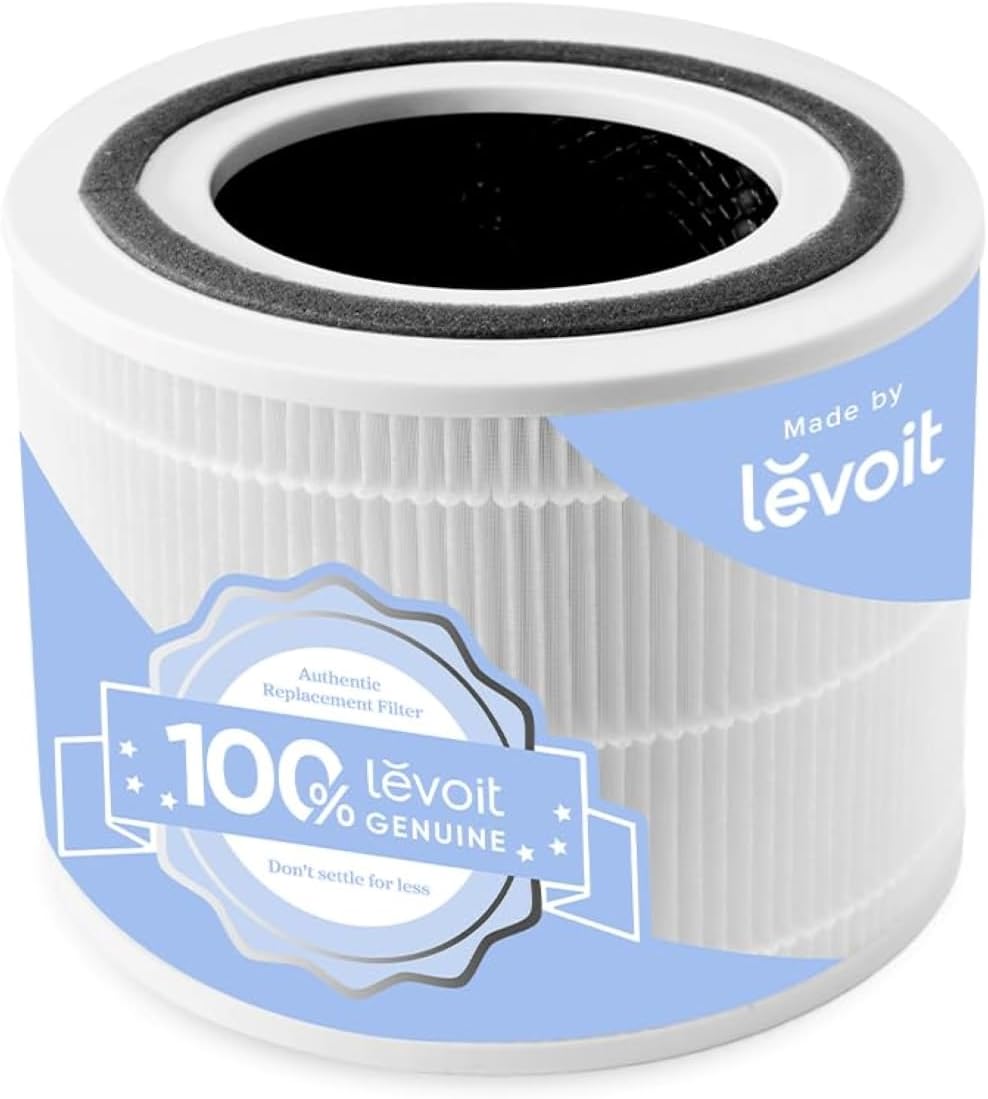
How Long Do Activated Carbon Filters Last? The Truth You Need to Know

Have you ever wondered how long that air purifier filter in your living room really lasts? Or, how often you need to swap out the filter in your water pitcher to keep your drinks tasting crisp and clean? Activated carbon filters are everywhere these days—used in everything from water filtration systems to air purifiers and even fridges. But just how long do these workhorses really last?
Good question, right? And one that doesn’t have an easy answer. These filters are incredibly effective at removing odors, chlorine, heavy metals, and more from the air and water around us. But like everything that does a good job, they eventually wear out. So, how long can you rely on them before they need replacing? Let’s break it down.
What Are Activated Carbon Filters, Anyway?
Before we dive into how long activated carbon filters last, let’s quickly talk about what they actually do. If you already know this, feel free to skip ahead, but for the uninitiated, here’s the lowdown:
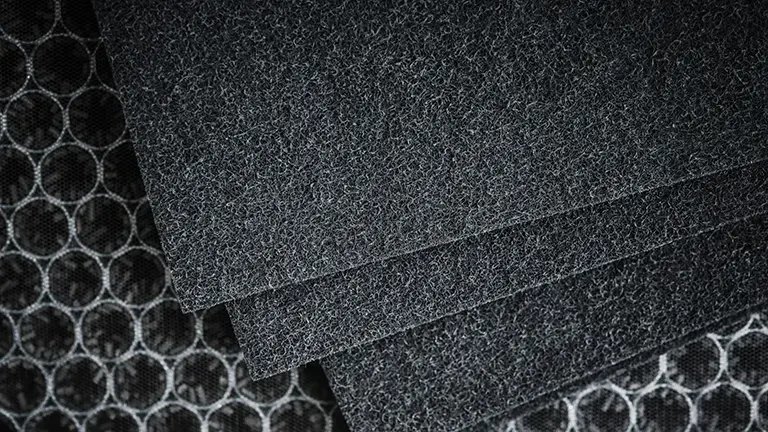
Activated carbon is a special form of carbon that’s been treated to make it super porous. This gives it a massive surface area—think millions of tiny pores that can trap chemicals, gases, and impurities. This process is called “activation,” and it’s what makes activated carbon filters so effective.
These filters are used in all kinds of applications, like purifying air and water, and even in things like refrigerators to combat bad odors. Activated carbon works by adsorbing (not absorbing—yes, there’s a difference) particles onto its surface. It’s like a sponge for bad smells, chemicals, and toxins. Cool, right?
But just like any sponge, after a while, it gets saturated and can’t hold onto any more yuck. And that’s when it’s time to replace it.
How Long Do Activated Carbon Filters Actually Last?
So, let’s get to the burning question: How long do activated carbon filters last? The simple answer is, it depends. Yeah, I know. It’s a bit of a cop-out, but hear me out. The lifespan of your filter depends on a variety of factors.
On average, you’ll be looking at anywhere between 3 to 6 months before your activated carbon filter needs replacing. That’s about the lifespan of a typical water pitcher filter or a filter in an air purifier. But the key here is “average.” Some factors will make it last longer, while others might shorten that time.
Factors That Impact Activated Carbon Filter Lifespan
You didn’t think it was going to be that easy, did you? Nope. The lifespan of your filter depends on:
- The Amount of Contaminants: The more pollutants, chemicals, or odors a filter absorbs, the sooner it will reach its saturation point. For instance, if your air purifier is filtering out smoke or VOCs (volatile organic compounds), it’ll wear out faster than one used for light dust and pollen.
- Usage Frequency: The more frequently you use the filter, the quicker it will get “full” of pollutants. So, if your filter is running 24/7, it’s not going to last as long as one that’s used intermittently.
- Size and Type of Filter: Larger filters tend to last longer simply because they have more carbon to work with. If you’re using a filter for a large space or a high-volume water pitcher, expect it to last a bit longer. Small filters, like those used in fridges, may need replacing more often.
- Environmental Factors: If you live in a humid area, have a lot of air pollution, or use a lot of chemicals around the house, you might be swapping out filters more frequently. Humidity can actually shorten the lifespan of your filter because it makes it easier for contaminants to break through the carbon.
- Filter Design: Some activated carbon filters are designed to be reusable (with cleaning), while others are single-use and must be replaced entirely. Be sure to check whether your filter can be cleaned or needs replacing.
How to Tell When Your Filter Needs Replacing
OK, let’s say you’re past the “how long does it last?” question and now you’re wondering, how do I know when it’s time to swap it out?
Great question! Here are a few things to look out for:
1. Odors Return
You know that fresh, clean air or water that you’ve been enjoying? If those musty smells, bad tastes, or chemical odors start creeping back, it’s time to change the filter. Once the carbon is saturated, it can no longer trap new odors or contaminants.
2. Water Flow Slows Down
If your water filter is getting sluggish, it could mean that the carbon is clogged with contaminants, causing the water to flow more slowly. It’s like trying to suck water through a sponge that’s already full—no bueno.
3. Visible Particles or Cloudiness
If you’re using your filter for water and you notice particles floating in it or it looks cloudy, it might be time for a change. Your filter’s capacity to trap those particles has likely been exceeded.
4. Decreased Air Quality
For air purifiers, if the air doesn’t seem as fresh, or if you’re still noticing dust or allergens in the air, your filter may be full.
In short, if the effectiveness of your filter seems to be on the decline, it’s time for a replacement.
How to Extend the Lifespan of Your Activated Carbon Filter
OK, so we’ve established that filters don’t last forever. But that doesn’t mean they’re disposable in a “use it once, toss it” kind of way. There are a few tricks you can use to stretch their life a bit.
1. Use Pre-Filters
A pre-filter catches the big stuff—like dust, hair, and larger particles—before it reaches the carbon filter. This helps prevent the carbon filter from getting overloaded too quickly, which means it’ll last longer. It’s like a bouncer at a nightclub letting in only the VIPs (the smaller contaminants).
2. Avoid Overuse
Don’t leave your filter running constantly if you don’t need it. For example, in air purifiers, if you’re only dealing with light dust, you don’t need to run the filter 24/7. Turn it off when you leave the house, or at least lower the settings to save wear and tear.
3. Consider Multiple Filters
If you’ve got a high-traffic space (like a kitchen or living room), don’t rely on one tiny filter to do all the work. Spread the load across a few different filters, and you’ll get longer life out of each one.
4. Keep Filters Clean (If Possible)
Some filters are reusable and can be cleaned. If that’s the case, give it a wash now and then to keep it in good shape. Check your manufacturer’s guidelines—some filters can be rinsed under water, while others require more specific care.
What Happens If You Don’t Replace Your Filter?
You might be tempted to ride out that old filter a little longer than you should. But here’s the thing: ignoring filter replacement can lead to worse air and water quality. If the filter is beyond its prime, it can actually start releasing trapped contaminants back into your air or water. Gross, right?
At best, it means your filter’s no longer doing its job. At worst, it can lead to health issues from exposure to chemicals or pollutants that your filter was supposed to be removing. So, yeah, not replacing it can actually end up costing you in the long run.
FAQs About Activated Carbon Filters
1. Can I use my activated carbon filter for more than six months?
You technically can, but it won’t be effective. After six months, the carbon has likely been saturated with contaminants and is no longer adsorbing efficiently.
2. Can activated carbon filters be cleaned?
Some reusable filters can be cleaned, but many are single-use only. Always check the manufacturer’s instructions.
3. Are there filters that last longer than others?
Yes! Larger or higher-quality filters tend to last longer. For example, filters designed for industrial use or large homes may last longer than those used in small apartments.
4. What happens if I don’t replace my filter?
If you don’t replace it, your filter will stop working as effectively, and contaminants could be released back into the air or water.
5. How do I know when to replace my activated carbon filter?
Look out for signs like returning odors, cloudy water, or decreased air quality. If your filter isn’t working as well as it used to, it’s time for a new one.
Conclusion: Keep Your Air and Water Clean!
In conclusion, activated carbon filters are awesome tools for keeping your environment fresh. But like all good things, they have a lifespan. On average, you can expect them to last between 3 to 6 months, depending on usage and environmental factors. The best way to get the most out of them is to keep an eye out for signs that they need replacing and use them wisely to extend their lifespan.
So, next time you change your water filter or air purifier filter, remember it’s not just a chore – it’s a necessary step in keeping your home fresh and healthy. A small investment in filter replacements goes a long way in ensuring clean air and water, so don’t neglect it!