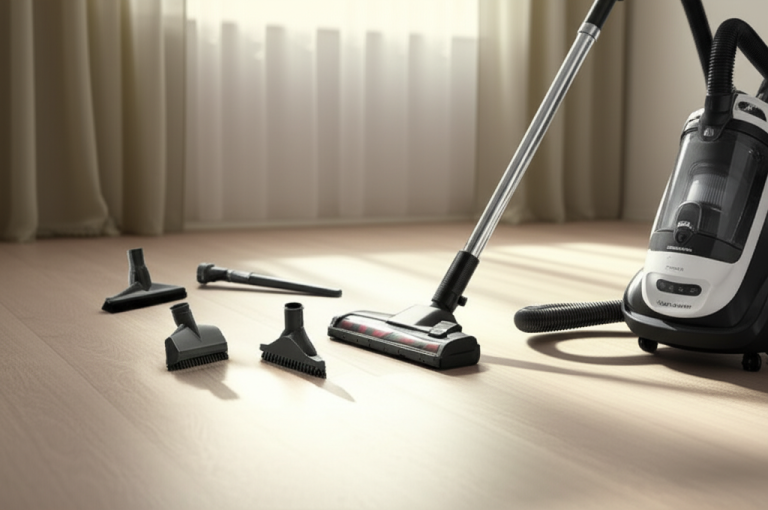
Carpet Cleaning And Flea Treatment: Essential Solutions

Tackling carpet cleaning and flea treatment together is key to a pest-free, healthy home. This guide reveals effective methods and appliance choices to banish fleas and leave carpets spotless.
Fleas can be a real nuisance. They hop onto your pets and then into your carpets. Getting rid of them means cleaning your carpets thoroughly. This guide will show you how to do just that. We’ll cover the best ways to clean your carpets and treat for fleas. This will help you create a cleaner, more comfortable home for everyone.
Understanding the Flea Life Cycle in Your Carpets
Fleas don’t just live on your pets; they lay eggs that fall into your carpets. These eggs hatch into larvae, which then develop into adult fleas. Adult fleas need to feed on blood to reproduce, continuing the cycle. Understanding this helps us know why deep cleaning is so important.
Why Carpets are Flea Havens
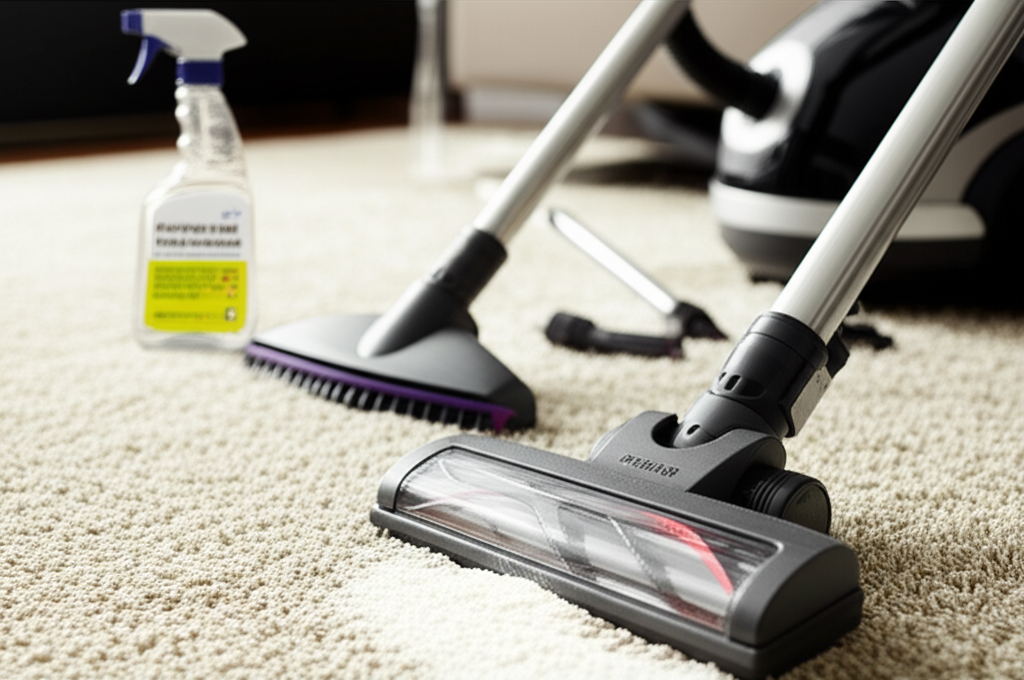
Carpets provide the perfect environment for fleas. The fibers offer shelter for eggs and larvae. They also trap organic matter, which flea larvae feed on. This makes carpets a breeding ground if fleas are present.
The Impact of Fleas on Your Home and Health
Fleas can cause itchy bites on humans and pets. These bites can lead to skin irritation and allergic reactions. In some cases, fleas can even transmit diseases. This is why prompt and effective treatment is crucial for a healthy home.
Essential Carpet Cleaning Methods for Flea Control
When dealing with fleas, your carpet cleaning strategy needs to be robust. It’s not just about looking clean; it’s about eliminating the entire flea population. This requires specific approaches and the right tools.
Deep Vacuuming: Your First Line of Defense
Vacuuming is critical. It physically removes flea eggs, larvae, and adult fleas from the carpet fibers. Regular and thorough vacuuming can significantly disrupt the flea life cycle. Make sure to use a vacuum with good suction.
How to Vacuum Effectively for Flea Removal
Vacuum daily when you first discover fleas.
Use a vacuum with a HEPA filter to trap tiny flea eggs.
Slowly vacuum each section of the carpet multiple times.
Pay extra attention to edges, under furniture, and pet resting areas.
Immediately empty the vacuum bag or canister outdoors into a sealed bag. This prevents fleas from escaping back into your home.
Steam Cleaning: A Powerful Weapon Against Fleas
Steam cleaning uses hot water and detergent to deep clean carpets. The high temperatures of steam can kill fleas and their eggs. It also helps remove allergens and grime. This makes it a very effective method for flea treatment.
When to Consider Professional Steam Cleaning
Professional services have powerful equipment. Their machines can reach higher temperatures and extract more moisture. This can be more effective for severe infestations. It also saves you time and effort.
Chemical Treatments: Targeted Flea Eradication
There are various chemical treatments available for carpets. These include sprays, powders, and foggers designed to kill fleas. Always choose products specifically labeled for carpet use and flea treatment. Follow the instructions carefully for safety and effectiveness.
Safety Precautions for Chemical Flea Treatments
Always read and follow product labels precisely.
Remove pets and children from the area during treatment.
Ensure good ventilation by opening windows.
Store chemicals safely away from children and pets.
Consider eco-friendly or pet-safe options if available.
Choosing the Right Home Appliances for Carpet Cleaning and Flea Control
Your choice of cleaning appliances can make a big difference. Some are better suited for deep cleaning and tackling pests. Let’s look at the best options for your home hygiene needs.
Upright Vacuums: Power and Versatility
Upright vacuums are great for general carpet cleaning. They offer strong suction and often have specialized attachments. Look for models with good filtration systems to capture flea eggs.
Key Features to Look For in an Upright Vacuum
Strong Suction Power: Essential for lifting dirt and flea eggs.
HEPA Filtration: Captures allergens and microscopic particles.
Brush Roll: Helps agitate carpet fibers to loosen debris.
Bagless or Bagged: Bagless is convenient; bagged contains allergens better.
Attachments: Crevice tools and upholstery brushes are useful.
Canister Vacuums: Maneuverability and Deep Cleaning
Canister vacuums often provide excellent suction and are easier to maneuver. Their separate hose and wand can be great for getting into tight spots. This makes them effective for thorough flea treatment.
Benefits of Canister Vacuums for Flea Infestations
Superior Suction: Often more powerful than uprights.
Versatile Attachments: Easily clean stairs, furniture, and corners.
Easier to Handle: Lighter wand and hose can reduce fatigue.
Better for Hardwood: Many models include floor heads for hard surfaces.
Carpet Cleaners/Extractors: The Ultimate Deep Clean
These machines are designed specifically for carpets. They use water and cleaning solutions to wash and extract dirt. Many can also reach high temperatures, aiding in flea eradication. These are a worthy investment for frequent carpet cleaning.
How Carpet Cleaners Work to Eliminate Fleas
Carpet cleaners spray a solution into the carpet. They then powerfully extract the dirty water, along with embedded fleas and eggs. The hot water and cleaning agents work together to kill pests. Using a pet-safe cleaning solution is recommended.
Robotic Vacuums: Maintenance and Prevention
While not a primary flea treatment tool, robotic vacuums help maintain cleanliness. They can run daily to pick up flea eggs and debris. This helps prevent flea populations from getting established. They are excellent for consistent upkeep.
Using Robotic Vacuums as Part of a Flea Strategy
Schedule daily runs.
Ensure they cover all accessible carpeted areas.
Empty their bins frequently.
Use them in conjunction with deeper cleaning methods.
Flea Treatment Options Beyond Carpet Cleaning
While cleaning is vital, you might need additional steps. Combining methods offers the best chance of success.
Treating Your Pets: The First Step
It’s essential to treat your pets simultaneously. Use veterinarian-approved flea treatments for your pets. This stops them from re-infesting your home. Consult your vet for the best products.
Using Insect Growth Regulators (IGRs)
IGRs prevent flea eggs and larvae from developing into adults. They are often mixed with adulticides in sprays or foggers. This breaks the flea life cycle effectively. They are a crucial component of comprehensive flea control.
Environmental Sprays and Foggers
These products are designed to kill adult fleas in your home. Foggers release a fine mist that reaches many areas. Sprays allow for targeted application. Always follow instructions and safety guidelines.
Combining Carpet Cleaning and Flea Treatment for Maximum Impact
Success hinges on a multi-pronged approach. Don’t just clean; treat. Don’t just treat; clean thoroughly.
The Importance of a Coordinated Attack
Treating your pets, carpets, and other fabric surfaces at the same time is key. This ensures no flea eggs or larvae are missed. A coordinated effort prevents the infestation from continuing. It speeds up the process of achieving a flea-free home.
Creating a Flea-Free Home: A Step-by-Step Plan
1. Treat your pets with vet-approved flea medication.
2. Vacuum thoroughly all carpeted areas, upholstery, and pet bedding. Dispose of the vacuum bag outside immediately.
3. Steam clean carpets and upholstery using hot water. Consider a pet-safe carpet shampoo.
4. Apply a carpet treatment (spray or powder) designed to kill fleas and inhibit growth. Follow product instructions carefully.
5. Wash all pet bedding, blankets, and washable toys in hot water.
6. Repeat vacuuming and pet treatments as recommended by your vet or pest control professional.
Maintaining a Clean and Flea-Free Carpet
Once the immediate problem is solved, focus on prevention. Regular cleaning is your best defense.
Regular Vacuuming Habits
Make vacuuming a part of your weekly routine. This prevents eggs from hatching and developing. Focus on high-traffic areas and where pets spend time.
Professional Carpet Cleaning Schedule
Consider professional carpet cleaning once or twice a year. This provides a deep clean that machines at home might miss. It helps keep your carpets fresh and discourages pests.
Pet Grooming and Flea Checks
Regular grooming of your pets helps. It allows you to spot fleas early. Consistent flea checks and preventative treatments are vital. This stops an infestation before it starts.
When to Call a Professional Pest Control Service
Sometimes, a DIY approach isn’t enough. If the infestation is severe or persistent, professional help is best.
Signs You Need Professional Intervention
Fleas are present despite repeated treatments.
You see fleas on pets frequently.
The infestation is widespread throughout your home.
* You have health concerns about using pesticides yourself.
Benefits of Professional Flea Extermination
Professionals have access to stronger treatments. They understand flea behavior and life cycles. They can identify and treat all hidden infestation areas. This ensures a more complete and lasting solution.
Frequently Asked Questions About Carpet Cleaning and Flea Treatment
How often should I vacuum my carpets when I have fleas?
When dealing with an active flea infestation, vacuuming daily is highly recommended. This helps remove eggs, larvae, and adult fleas from your carpets. After the initial infestation is under control, reduce to 2-3 times per week for maintenance.
Can I use my regular vacuum cleaner for flea treatment?
Yes, you can use your regular vacuum cleaner, but effectiveness varies. Ensure it has strong suction. It’s crucial to empty the vacuum bag or canister immediately outdoors after each use. This prevents fleas from escaping back into your home. Consider a vacuum with HEPA filtration to trap tiny flea eggs.
What are the safest carpet cleaning solutions for homes with pets?
Look for carpet cleaning solutions specifically labeled as “pet-safe” or “eco-friendly.” These often use natural ingredients and avoid harsh chemicals. Always check the product label for warnings and follow instructions carefully. Steam cleaning with just hot water is also a safe option.
How long does it take for flea treatments to work on carpets?
The time it takes for flea treatments to work can vary. Adulticides start killing fleas on contact or soon after. However, it can take several weeks to eliminate the entire life cycle, including eggs and larvae. Consistent cleaning and follow-up treatments are essential.
Should I treat my entire house for fleas, or just the carpets?
It’s best to treat the entire house, not just the carpets. Fleas can hide in upholstery, cracks in floors, pet bedding, and even in furniture. A comprehensive treatment plan that addresses all potential hiding spots is most effective.
Can hot water steam cleaning kill flea eggs?
Yes, hot water steam cleaning can be very effective at killing flea eggs, larvae, and adult fleas. The high temperatures used in steam cleaning can kill them on contact. Ensure the steam penetrates deep into the carpet fibers.
How can I prevent fleas from returning to my carpets?
Regular vacuuming, consistent pet grooming and treatment, and washing pet bedding frequently are key preventative measures. Keeping your lawn mowed and reducing outdoor pest habitats can also help. Promptly address any signs of fleas to prevent a full-blown infestation.
Conclusion: A Clean Home is a Flea-Free Home
Effectively tackling carpet cleaning and flea treatment requires a dedicated, multi-step approach. By understanding the flea life cycle and employing the right cleaning methods and appliances, you can reclaim your home from these persistent pests. Regular deep vacuuming, steam cleaning, and appropriate treatments, combined with vigilant pet care, form the foundation of a flea-free environment. Remember that consistency is your greatest ally. HomeHygia.com is here to guide you with the best appliance choices and tips for a truly clean and healthy living space. Stay vigilant, and enjoy a comfortable, pest-free home.