
Brush for Cleaning Tub: Genius Effortless Clean

A brush for cleaning your tub makes scrubbing easier and faster. It helps remove soap scum and grime with less effort, giving you a sparkling clean bathroom without the strain.
Your bathroom tub is a place of relaxation, but cleaning it can feel like a chore. Stubborn soap scum, mildew, and general grime can make your tub look dull and dingy. Scrubbing by hand often requires a lot of elbow grease, leaving you tired and sometimes still with a less-than-perfect result. But what if there was a way to make this task much simpler? A specialized brush for cleaning tubs can transform this dreaded task into an effortless experience.
This guide will walk you through everything you need to know about choosing and using the best brush for cleaning your tub. We’ll explore different types of brushes, what features to look for, and how they can make your bathroom sparkle with minimal effort. Get ready to say goodbye to tough scrubbing and hello to a cleaner, brighter tub.
Why Use a Dedicated Brush for Cleaning Your Tub?
A brush designed for tub cleaning is more than just a scrubbing tool; it’s an efficiency booster. Traditional methods often involve sponges or cloths that can’t quite reach tough spots or tackle ingrained dirt effectively. A good tub brush provides better leverage and a more concentrated cleaning action.
This means less physical exertion for you and a more thorough clean for your tub. It helps break down soap scum and mildew, making them easier to wipe away. Using the right tool saves time and energy, turning a dreaded chore into a quick task.
Understanding Different Types of Tub Brushes
The world of tub brushes offers a variety of options, each suited for different needs and preferences. From simple manual brushes to electric power scrubbers, there’s a solution for everyone. Understanding these differences helps you pick the perfect tool for your cleaning routine.
Manual Tub Brushes
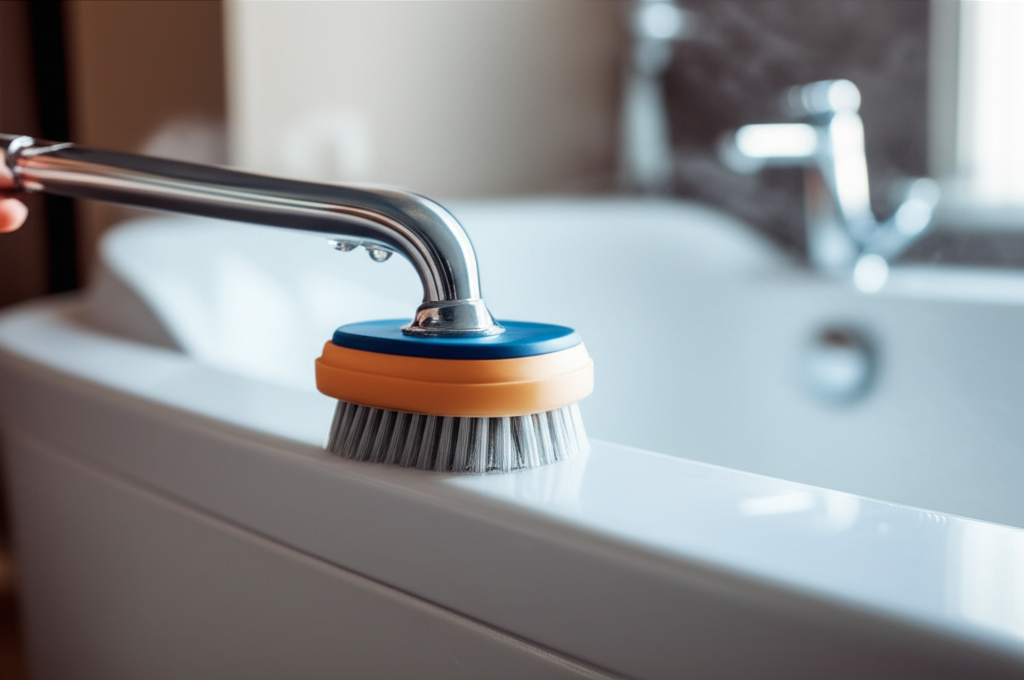
These are your classic, no-frills cleaning brushes. They typically feature a handle and a brush head with bristles. Some have long handles to reach the bottom of the tub without bending over. Others have ergonomic grips for better control.
Manual brushes are affordable and require no batteries or charging. They are great for light to moderate cleaning jobs. However, they still require you to do all the scrubbing work yourself.
Electric Power Scrubbers
Electric power scrubbers are a game-changer for effortless cleaning. These devices use a rotating or oscillating brush head powered by a motor. You simply guide the scrubber over the tub surface, and it does the hard work for you.
They come in various forms, from handheld units to long-handled models. Many offer interchangeable brush heads for different cleaning tasks. These are ideal for tackling heavy grime and for individuals who find manual scrubbing difficult.
Grout Brushes
While not strictly for the tub surface, grout brushes are essential for a complete clean. They have smaller, stiffer bristles designed to get into the narrow lines between tiles. Keeping grout clean prevents mold and mildew from spreading and makes the entire tub area look fresh.
Many power scrubbers come with specialized grout brush attachments. Manual grout brushes are also readily available and very effective for detailed work. A clean tub is often dependent on clean grout.
Key Features to Look for in a Tub Cleaning Brush
When shopping for a brush for cleaning your tub, several features can significantly impact its effectiveness and your user experience. Consider the size, bristle type, handle design, and power source if it’s an electric model.
Bristle Type and Stiffness
The bristles are the workhorses of any cleaning brush. For tubs, you generally want bristles that are firm enough to scrub away grime but not so stiff that they scratch the tub surface. Nylon bristles are a popular choice as they offer a good balance of scrubbing power and gentleness.
Softer bristles might be suitable for delicate acrylic or fiberglass tubs. Stiffer bristles might be needed for stubborn stains on porcelain or enamel. Always check the manufacturer’s recommendations for your specific tub material.
Handle Design and Length
A comfortable handle is crucial, especially for longer cleaning sessions. Look for ergonomic grips that fit well in your hand and reduce fatigue. If you have a deep tub or prefer not to bend, a long-handled brush can be a lifesaver.
Some long-handled brushes have adjustable lengths, offering even more versatility. The weight of the brush also matters; a lighter brush is easier to maneuver for extended periods.
Power Source (for Electric Scrubbers)
Electric tub brushes are typically powered by rechargeable batteries or can be plugged into an outlet. Rechargeable models offer cordless freedom, allowing you to move around easily. Battery life is an important consideration here.
Corded models provide consistent power but can limit your reach. Ensure the power cord is long enough for your bathroom. For cordless models, check how long a single charge lasts and how long it takes to recharge.
Interchangeable Brush Heads
Many electric and some manual brushes come with multiple brush heads. This is a fantastic feature because it allows you to customize the brush for different cleaning needs. You might have a larger head for general tub surfaces and a smaller, stiffer head for grout or tough spots.
Having interchangeable heads means one tool can handle various cleaning challenges in your bathroom. This adds value and versatility to your cleaning arsenal.
Effortless Cleaning: How a Brush for Cleaning Tub Works Wonders
The primary benefit of a good tub brush is the reduction in manual effort. Instead of leaning over and scrubbing with all your might, the brush’s design does most of the work. This is especially true for electric power scrubbers.
For manual brushes, the longer handles and ergonomic grips allow you to apply pressure more effectively and comfortably. The bristles are designed to lift and scrub away dirt and soap scum efficiently. This means less time spent cleaning and a better result with less strain.
A study by Statista showed that cleaning supplies, including tools like brushes, are essential household items, with the US market valued significantly. This highlights the importance of effective cleaning tools in modern homes.
Tackling Soap Scum and Grime
Soap scum is a common bathroom problem. It’s a buildup of soap residue, body oils, and minerals from hard water. It can make your tub look dull and feel slimy. A brush with the right bristles can effectively break down this film.
When combined with a good bathroom cleaner, the brush scrubs away the scum, lifting it from the tub’s surface. This prevents the scum from hardening and becoming more difficult to remove over time. Regular cleaning with a brush keeps it from building up excessively.
Reaching Difficult Areas
The shape and design of tub brushes are often optimized for bathroom fixtures. Many have angled heads or specific shapes to easily clean around faucets, drains, and curved tub walls. Long-handled versions are excellent for reaching the far end of the tub and the floor.
Grout brushes, as mentioned, are specifically designed to clean the narrow gaps. These areas are often missed by sponges or cloths, leading to mold and mildew growth. A specialized brush ensures these spots get the attention they need.
Best Use Cases for Your Tub Cleaning Brush
A brush for cleaning your tub is versatile and can be used in various scenarios. Whether you’re doing a quick touch-up or a deep clean, the right brush makes a difference.
Daily or Weekly Maintenance
For regular cleaning, a manual brush with a comfortable grip is often sufficient. A quick scrub with your favorite bathroom cleaner after each use, or a more thorough clean once a week, can prevent heavy buildup. This keeps your tub looking its best with minimal effort.
Electric brushes can also be used for quick touch-ups. Their speed means you can clean the tub in just a few minutes. This makes maintaining a sparkling bathroom much more manageable, even for busy individuals.
Deep Cleaning and Restoration
When your tub is heavily soiled with soap scum, mildew, or hard water stains, a power scrubber is invaluable. The rotating action of an electric brush can tackle stubborn grime that manual scrubbing might not budge. This is perfect for restoring older tubs or tackling neglected bathrooms.
Using the appropriate cleaning solution with the brush is key. For deep cleaning, allow the cleaner to sit for a few minutes before scrubbing to let it break down the dirt. This synergy between cleaner and brush is highly effective.
Cleaning Different Tub Materials
Most brushes are safe for common tub materials like acrylic, fiberglass, porcelain, and enamel. However, it’s always wise to check the brush’s specifications and your tub manufacturer’s cleaning recommendations. Softer bristles are generally safer for acrylic and fiberglass.
For porcelain and enamel tubs, which are often more durable, you might be able to use stiffer bristles or more aggressive scrubbing. Using the wrong brush on a delicate surface could lead to scratches or damage.
Choosing the Right Brush for Your Needs: A Comparison
To help you decide, let’s look at a comparative table of manual versus electric tub brushes. This should highlight the key differences and help you pinpoint the best fit for your lifestyle and cleaning challenges.
| Feature | Manual Tub Brush | Electric Power Scrubber |
| :—————— | :————————————————– | :————————————————– |
| Effort Required | Moderate to High | Low |
| Cleaning Power | Good for light to moderate grime | Excellent for heavy grime and stubborn stains |
| Speed | Slower | Faster |
| Cost | Low | Moderate to High |
| Power Source | None (human-powered) | Rechargeable battery or AC power |
| Portability | High (no charging needed) | Moderate (needs charging, can be bulky) |
| Best For | Regular maintenance, budget-conscious users | Deep cleaning, users with physical limitations |
| Versatility | Limited to scrubbing action | Can have interchangeable heads for different tasks |
As you can see, the choice often comes down to how much effort you’re willing to put in and the severity of your cleaning tasks. Both types have their advantages, and the “best” one is subjective to your personal circumstances.
How to Use Your Brush for Cleaning Tub Effectively
Using a brush correctly ensures you get the best results and protect your tub’s surface. It’s a simple process, but a few tips can make it even more efficient.
1. Gather Your Supplies: You’ll need your chosen tub brush, a suitable bathroom cleaner, and a cloth or sponge for wiping. For electric brushes, ensure they are charged or plugged in.
2. Apply Cleaner: Spray your bathroom cleaner generously over the tub surface, paying extra attention to areas with visible soap scum or mildew. Let it sit for a few minutes to start breaking down the grime.
3. Scrub with the Brush:
Manual Brush: Apply firm, even pressure and scrub the tub surface in circular or back-and-forth motions. Work in sections to ensure you cover the entire tub. Use the brush’s shape to get into corners and around fixtures.
Electric Brush: Turn on the power scrubber and gently guide it over the tub surface. Let the brush head do the work; avoid pressing too hard, as this can damage the brush or the tub. Move the scrubber steadily across the surface.
4. Rinse Thoroughly: Once you’ve scrubbed the entire tub, rinse it thoroughly with clean water. Make sure all cleaner residue and loosened grime are washed away.
5. Wipe Dry: Use a clean cloth or microfiber towel to dry the tub. This prevents water spots and gives the tub a final shine.
Using a brush for cleaning your tub not only removes dirt but also helps maintain the tub’s finish by preventing harsh scrubbing with abrasive materials. The simple act of using a tool designed for the job makes a significant difference.
Maintaining Your Tub Cleaning Brush
To ensure your brush for cleaning the tub remains effective and hygienic, proper maintenance is key. Just like any cleaning tool, it needs a little care to last and perform well.
Cleaning the Brush Head
After each use, rinse the brush head thoroughly under running water. This removes any residual cleaning product and loosened dirt. For electric brushes, ensure no water gets into the motor housing.
Occasionally, you might want to give the brush head a deeper clean. You can soak it in a solution of warm water and a little vinegar or mild detergent. This helps to sanitize it and remove any lingering odors or buildup.
Drying and Storage
Proper drying is crucial to prevent mold and mildew growth on the brush itself. Shake off excess water and store the brush in a well-ventilated area. Hanging it up or placing it so air can circulate around the bristles is ideal.
Avoid leaving a wet brush sitting in the bottom of the tub or in a closed container. This can lead to a musty smell and reduce its lifespan. A dry brush is a clean brush, ready for its next task.
Innovative Features and Smart Designs
Modern cleaning tools often incorporate innovative features to enhance usability and effectiveness. When looking at brushes for cleaning tubs, some advanced designs can make the chore even easier.
Adjustable Angles and Extension Poles
Some brushes come with adjustable heads that allow you to change the angle of the brush. This is incredibly useful for reaching awkward spots or maximizing contact with the tub surface. Extension poles can turn a handheld brush into a long-handled one, catering to different user heights and preferences.
These features reduce the need for bending, stretching, or climbing, making the cleaning process safer and more comfortable for everyone. This is a significant advantage for individuals with mobility issues.
Integrated Cleaning Solution Dispensers
Certain electric power scrubbers feature built-in reservoirs for cleaning solutions. You can fill the reservoir, and the device dispenses a controlled amount of cleaner as you scrub. This simplifies the process by combining cleaner application and scrubbing into one step.
This feature ensures you use the right amount of cleaner and don’t have to constantly reapply it. It’s a convenient addition that streamlines the cleaning workflow.
Addressing Common Tub Cleaning Frustrations
Many people find tub cleaning challenging due to specific issues like stubborn stains, limited reach, or the sheer physical effort involved. A well-chosen brush for cleaning your tub directly addresses these frustrations.
Stubborn Stains and Mildew
For tough stains and ingrained mildew, the consistent power of an electric brush is a lifesaver. The mechanical action combined with a potent cleaner can break down even the most persistent grime. Manual brushes can also be effective if you have the strength and patience.
Regular cleaning with a brush helps prevent these stains from becoming so severe in the first place. It’s always easier to maintain cleanliness than to restore a deeply neglected tub.
Physical Strain and Fatigue
If you experience joint pain, back problems, or general fatigue, manual scrubbing can be very difficult. Electric power scrubbers significantly reduce the physical strain. They take over the hard work, allowing you to simply guide the tool.
Even well-designed manual brushes with ergonomic handles and longer reach can help alleviate some of the strain. The goal is to make cleaning accessible and less taxing.
The Environmental Impact of Cleaning Tools
Choosing sustainable cleaning tools is becoming increasingly important for many consumers. When selecting a brush for cleaning your tub, consider its durability and the materials it’s made from.
A well-made, durable brush that lasts for years is more environmentally friendly than a cheap one that needs frequent replacement. Look for brushes made from recycled materials or those with replaceable brush heads. This reduces waste and the overall consumption of resources.
Many cleaning product manufacturers are also focusing on eco-friendly formulas. Using these with your brush can further enhance the sustainability of your bathroom cleaning routine.
Expert Tips for a Sparkling Tub
As a home hygiene specialist, I’ve seen countless cleaning gadgets. For tub cleaning, the right brush is paramount. Here are my top tips for achieving that sparkling clean with ease:
Know Your Tub Material: Always check if your tub is acrylic, fiberglass, porcelain, or enamel. This dictates the stiffness of bristles you should use. A quick test in an inconspicuous area is wise if unsure.
Don’t Skimp on Cleaner: The brush is the tool, but the cleaner does the dissolving. Use a cleaner formulated for bathroom grime, soap scum, or mildew. Allow it to dwell for a few minutes before scrubbing.
Work in Sections: Don’t try to clean the whole tub at once. Tackle one area at a time, from top to bottom. This ensures you don’t miss spots and allows the cleaner to work effectively.
Rinse and Dry: This is crucial. A thorough rinse removes all residue. Drying prevents water spots and leaves a beautiful shine. A microfiber cloth works wonders for drying and buffing.
* Regularity is Key: The best way to avoid tough scrubbing is to clean your tub regularly. A quick rinse and wipe after each use, or a weekly light scrub, will keep grime from building up.
Using a dedicated brush for cleaning your tub is a simple yet highly effective strategy for maintaining a clean and inviting bathroom. It’s an investment in ease, efficiency, and a healthier home environment.
Frequently Asked Questions (FAQ)
What is the best type of brush for cleaning a bathtub?
The best type depends on your needs. Electric power scrubbers offer the most effortless clean for heavy grime. Manual brushes with ergonomic handles and appropriate bristle stiffness are great for lighter cleaning and budget-conscious users.
Can I use a brush on my acrylic or fiberglass tub?
Yes, but you must be careful. Use brushes with softer nylon bristles to avoid scratching the surface. Always check the brush manufacturer’s recommendations and test in an inconspicuous area first.
How often should I clean my tub with a brush?
For best results, aim for a light clean weekly. For heavy soap scum or mildew, you might need to clean more often or use a deep-cleaning approach with a power scrubber.
What cleaning solution should I use with a tub brush?
Use a bathroom cleaner designed for soap scum, mildew, or hard water stains. Products containing mild acids like citric acid or vinegar can be effective. Always follow the cleaner’s instructions and ensure good ventilation.
How do I prevent mold and mildew in my tub?
Ensure good ventilation in your bathroom by using an exhaust fan or opening a window. Dry the tub after each use. Regular cleaning with a brush will remove any early signs of mold or mildew before they become a problem.
Are electric tub brushes worth the cost?
For many people, especially those who struggle with physical exertion or have large bathrooms, electric tub brushes are absolutely worth the cost. They save time, energy, and deliver excellent cleaning results with minimal effort.
Conclusion: Effortless Shine with the Right Tub Brush
Keeping your bathroom tub sparkling clean doesn’t have to be a strenuous undertaking. A good brush for cleaning tub is your secret weapon against soap scum, grime, and mildew. Whether you opt for a simple manual design with a comfortable grip or a powerful electric scrubber that does the work for you, the right tool can transform this chore.
Consider the material of your tub, the level of cleaning needed, and your personal comfort. With the tips and information provided, you’re well-equipped to choose a brush that makes cleaning effortless and effective. Invest in a quality brush for cleaning your tub today and enjoy a more hygienic and beautiful bathroom with far less effort. For more cleaning appliance reviews and tips, explore HomeHygia.com.
