Automotive Engine Steam Cleaner: Proven Essential Guide

The automotive engine steam cleaner is a powerful tool for deep cleaning your car’s engine bay, removing grime and grease effectively and safely. This guide will show you how to use one to keep your engine looking and performing its best, making maintenance easier and potentially extending its life.
An engine bay can get incredibly dirty. Grease, oil, and road grime build up over time. This makes it hard to see leaks and can even cause parts to overheat. A clean engine bay is not just about looks; it’s about better performance and easier maintenance. You might be wondering if using a steam cleaner is safe for your car’s engine. This guide will answer all your questions about automotive engine steam cleaners and show you how to use one safely and effectively.
What is an Automotive Engine Steam Cleaner?
An automotive engine steam cleaner uses high-temperature steam to break down and lift dirt, grease, and oil from engine components. Unlike high-pressure washers, steam is less likely to force water into sensitive electrical parts. It’s a gentler yet powerful cleaning method for your car’s engine bay.
This method is ideal for delicate areas where harsh chemicals or direct water spray could cause damage. It effectively loosens stubborn grime without excessive force.
Why Use an Automotive Engine Steam Cleaner?
Using an automotive engine steam cleaner offers several benefits for car owners and mechanics. It provides a deep clean that pressure washers or manual scrubbing can’t match. This helps in spotting potential leaks early and keeps the engine bay looking professional.
A cleaner engine bay can also help dissipate heat more effectively. This may contribute to better engine performance and longevity. It makes future inspections and repairs much simpler.
Benefits of Steam Cleaning Your Engine
Steam cleaning your engine offers significant advantages over traditional cleaning methods. It’s an eco-friendly option, often requiring only water. The high heat also sanitizes surfaces, killing bacteria and mold.
Deep Cleaning: Steam penetrates nooks and crannies, removing embedded dirt.
Safe for Electronics: Low moisture content minimizes risk to electrical components.
Eco-Friendly: Uses minimal water and no harsh chemicals.
Degreasing Power: Effectively breaks down oil and grease.
Sanitization: High temperatures kill germs and mold.
These benefits make it a superior choice for maintaining your vehicle’s heart. It’s a smart investment for any car enthusiast or professional detailer.
How Does an Automotive Engine Steam Cleaner Work?
An automotive engine steam cleaner heats water to a high temperature, creating pressurized steam. This steam is then directed through a nozzle onto the engine surfaces. The heat and moisture in the steam loosen dirt, grease, and grime.
A micro-fiber cloth or brush can then wipe away the loosened debris. The low moisture content means most of the water evaporates quickly. This prevents water from pooling in sensitive areas.
Choosing the Right Automotive Engine Steam Cleaner
Selecting the correct automotive engine steam cleaner depends on your needs. Consider the tank size, steam pressure, and included accessories. For occasional use, a smaller, portable unit might suffice.
For professional use or frequent cleaning, a larger, more powerful unit with a longer hose is recommended. Look for models with adjustable steam settings. This allows you to control the intensity for different parts of the engine. Brands like McCulloch and Vaporetto are well-regarded.
Safety Precautions for Engine Steam Cleaning
Safety is paramount when using an automotive engine steam cleaner. Always ensure the engine is cool before you start. Wear protective gloves and eye protection to shield yourself from hot steam and debris.
Cool Engine: Never steam a hot engine; risk of burns and component damage.
Ventilation: Work in a well-ventilated area.
Protective Gear: Wear gloves and safety glasses.
Electrical Components: Avoid direct, prolonged steam exposure to sensitive electronics.
Disconnect Battery: For extra safety, consider disconnecting the negative battery terminal.
Following these precautions ensures a safe and effective cleaning experience. Always read the manufacturer’s instructions for your specific steam cleaner.
Step-by-Step Guide to Steam Cleaning Your Engine
Cleaning your engine with steam is straightforward with the right approach. Preparation is key to a successful and safe cleaning session. Here’s how to do it.
1. Preparation and Protection
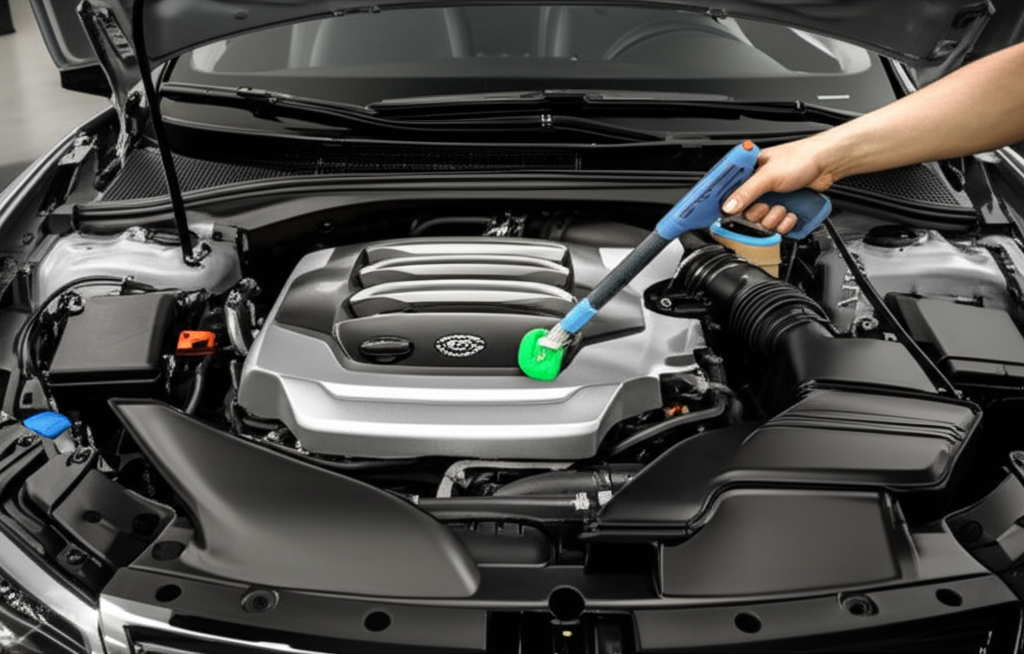
Start by gathering your supplies: your steam cleaner, protective gear, micro-fiber cloths, and potentially some degreaser for very tough spots. Disconnect the negative battery terminal for added safety. Cover sensitive engine components like the alternator, air intake, and fuse box with plastic bags.
This step prevents water from entering critical areas. It ensures the steam cleaning process is safe for your engine’s electronics. A little preparation goes a long way.
2. Pre-Cleaning (Optional)
For extremely dirty engines, a light pre-wash might be helpful. You can use a mild degreaser sprayed onto heavily soiled areas. Let it sit for a few minutes to loosen the grime. This makes the steam cleaning process much more efficient.
Avoid high-pressure washing at this stage. The goal is just to break down the thickest layers of dirt. This makes the steam’s job easier.
3. Steam Cleaning the Engine Bay
Begin steaming the engine bay, starting from the top and working your way down. Use a steady, sweeping motion. Hold the nozzle a few inches away from the surface. Focus on one section at a time.
The steam will lift the dirt and grease. You can use a brush attachment for stubborn grime. Wipe away loosened dirt with a micro-fiber cloth as you go.
4. Cleaning Specific Components
Pay attention to specific parts like the engine block, hoses, and plastic covers. The steam will effectively clean these surfaces. For areas with intricate parts, use a narrower nozzle attachment. This provides more focused cleaning power.
Be cautious around rubber hoses and seals. While steam is gentle, prolonged direct heat could degrade them over time. A consistent distance is best.
5. Rinsing and Drying
Once you’ve steamed all accessible areas, remove the protective plastic coverings. You can use a clean, damp cloth to wipe away any remaining residue. A quick rinse with a very low-pressure water source can help remove any loosened dirt.
Ensure the engine bay is thoroughly dried. You can use compressed air or allow it to air dry completely. This prevents rust and ensures electrical components are safe.
When Not to Steam Clean Your Engine
While automotive engine steam cleaning is generally safe, there are situations where it’s best to avoid it. Very old engines with brittle wiring or cracked components might be too fragile. If you are unsure about the condition of your engine, consult a professional mechanic.
Also, avoid steam cleaning immediately after driving. The engine should be completely cool to prevent thermal shock. This protects components from sudden temperature changes.
Common Mistakes to Avoid
Several common mistakes can hinder the effectiveness or safety of engine steam cleaning. One is not protecting sensitive components adequately. Another is using excessively high steam pressure or holding the nozzle too close.
Over-saturation of electrical connectors is also a risk. Always ensure you are using the correct attachments for different areas. A methodical approach prevents most issues.
How Often Should You Steam Clean Your Engine?
The frequency of automotive engine steam cleaning depends on your driving conditions and habits. For most drivers, once or twice a year is sufficient. If you drive in dusty or muddy conditions regularly, you might need to clean it more often.
Regular cleaning helps maintain the engine’s appearance and makes it easier to spot leaks. It’s a good practice before a major service. This ensures mechanics can work on a clean engine.
Can Steam Cleaning Damage My Engine?
When done correctly, an automotive engine steam cleaner should not damage your engine. The key is to follow safety precautions and use the steam cleaner properly. Avoid blasting steam directly into air intakes, alternators, or fuse boxes.
The low moisture content and controlled application make it safer than high-pressure washing. Modern engines are designed to withstand a range of temperatures and moisture. However, caution is always advised.
Frequently Asked Questions about Automotive Engine Steam Cleaners
What is the best automotive engine steam cleaner?
The best automotive engine steam cleaner depends on your budget and needs. Popular and highly-rated models include the McCulloch MC1275 and the Vaporetto Lecoaspira. Research reviews for features like steam pressure and tank capacity.
Is steam cleaning good for car engines?
Yes, steam cleaning is a very effective and safe way to clean car engines. It breaks down grease and grime without harsh chemicals. The high heat also sanitizes surfaces.
Will steam cleaning damage my car’s electronics?
Steam cleaning can damage electronics if not done carefully. Always cover sensitive components like the alternator and fuse box. Avoid direct, prolonged steam exposure to these parts.
Can I use a regular steam cleaner for my engine?
Some household steam cleaners can be used, but dedicated automotive steam cleaners are often more powerful and have better attachments. Ensure your steam cleaner can produce dry, high-temperature steam for effective degreasing.
How long does it take to steam clean an engine?
It typically takes 1 to 2 hours to steam clean an engine bay. This includes preparation, cleaning, and drying time. The complexity of the engine and how dirty it is can affect the duration.
Do I need to disconnect the battery before steam cleaning?
It is highly recommended to disconnect the negative battery terminal. This prevents any accidental short circuits. It adds an extra layer of safety during the cleaning process.
Conclusion
An automotive engine steam cleaner is an invaluable tool for maintaining your vehicle. It offers a deep, effective clean that enhances both appearance and function. By following safety guidelines and a step-by-step process, you can confidently use steam to keep your engine bay in pristine condition. This not only makes your car look better but also aids in spotting potential issues early. Regular cleaning with an automotive engine steam cleaner is a proven essential for any car owner serious about maintenance.