Automatic Vacuum Pool Cleaner: Essential, Effortless Results

Enjoy a sparkling clean pool with an automatic vacuum pool cleaner, the essential tool for effortless maintenance. Say goodbye to manual scrubbing and hello to pristine water, saving you time and effort for more relaxation.
Automatic Vacuum Pool Cleaner: Essential, Effortless Results
Keeping your pool clean can feel like a never-ending chore. Debris like leaves, dirt, and sand can quickly make your backyard oasis look murky. This is where an automatic vacuum pool cleaner becomes your best friend. It works hard so you don’t have to. This guide will show you how it brings effortless results to your pool care routine.
What is an Automatic Vacuum Pool Cleaner?
An automatic vacuum pool cleaner is a smart device designed to clean your swimming pool automatically. It moves around the pool floor and sometimes walls, sucking up dirt and debris. These cleaners connect to your pool’s filtration system or have their own collection bins. They significantly reduce the manual labor involved in pool maintenance.
These cleaners are a modern solution for busy pool owners. They operate independently, freeing up your time for swimming and enjoying your pool. The technology behind them is quite advanced, ensuring thorough cleaning with minimal supervision.
Why You Need an Automatic Vacuum Pool Cleaner
Manual pool cleaning is time-consuming and physically demanding. You might spend hours brushing walls, scrubbing the floor, and skimming the surface. An automatic vacuum pool cleaner automates this process. It ensures your pool is consistently clean, ready for enjoyment anytime.
Imagine diving into a perfectly clean pool every day without lifting a finger. This is the promise of an automatic cleaner. It also helps maintain water clarity, which is healthier for swimmers and your pool equipment.
Types of Automatic Pool Cleaners
There are several types of automatic pool cleaners, each with its own way of working. Understanding these differences helps you choose the best one for your pool. They range from simple suction-side cleaners to advanced robotic models.
Here’s a look at the main types:
Suction-Side Cleaners: These connect to your pool’s skimmer. They use the pool pump’s suction to move and collect debris into the skimmer basket. They are generally the most affordable option.
Pressure-Side Cleaners: These connect to your pool’s return line. They use water pressure to move and push debris into a filter bag. They require a dedicated return line and can sometimes boost water circulation.
Robotic Cleaners: These are self-contained units with their own motor and filter. They plug into a standard electrical outlet and don’t rely on your pool’s pump. Robotic cleaners are the most efficient and offer advanced features like programmable cleaning cycles.
Each type offers a different level of cleaning power and convenience. Your choice depends on your budget, pool type, and cleaning needs.
How Automatic Vacuum Pool Cleaners Work
The mechanism of an automatic vacuum pool cleaner varies by type. Suction and pressure cleaners use your pool’s water flow. They are pushed or pulled around the pool. Robotic cleaners have their own internal motors and water jets.
These cleaners are programmed to cover the entire pool surface. Some have random patterns, while others use smart navigation. They collect dirt and debris through a vacuuming or scrubbing action. This collected waste is then filtered out.
Benefits of Using an Automatic Vacuum Pool Cleaner
The advantages of using an automatic vacuum pool cleaner are numerous. They save you time, reduce physical strain, and improve pool hygiene. Consistent cleaning also protects your pool’s surfaces.
Here are some key benefits:
Time Savings: Automates the cleaning process, giving you more leisure time.
Effortless Cleaning: Requires minimal user intervention after setup.
Improved Water Quality: Keeps water free of debris, making it clearer and safer.
Extended Pool Life: Prevents buildup of algae and grime on surfaces.
Reduced Chemical Use: Cleaner water requires fewer chemicals to maintain balance.
These benefits make an automatic vacuum pool cleaner a worthwhile investment for any pool owner.
Choosing the Right Automatic Pool Cleaner
Selecting the perfect automatic vacuum pool cleaner involves considering several factors. Your pool’s size, shape, and surface material are important. Your budget and desired cleaning features also play a role.
Consider these points when choosing:
Pool Size and Depth: Ensure the cleaner is suitable for your pool’s dimensions.
Pool Surface: Some cleaners work better on certain materials like vinyl or tile.
Debris Type: If you have many leaves, look for a cleaner with a larger debris capacity.
Power Source: Decide between electric (robotic) or water-powered (suction/pressure).
Features: Consider extras like remote control, climbing ability, or programmable timers.
Many manufacturers offer excellent models. Popular brands include Dolphin, Polaris, and Hayward, each providing reliable options. For instance, the Dolphin Nautilus CC Plus is often praised for its efficiency on most pool surfaces.
Maintenance and Care for Your Cleaner
Even automatic cleaners need a little care to keep them working efficiently. Regular maintenance ensures a longer lifespan and optimal performance. This typically involves cleaning the filter basket and checking for wear and tear.
Here’s a simple maintenance checklist:
1. Empty the Filter Basket: After each cleaning cycle, remove and empty the debris from the cleaner’s filter basket.
2. Rinse the Cleaner: Hose down the cleaner with fresh water to remove any pool chemicals or dirt.
3. Inspect for Damage: Check brushes, wheels, and cords for any signs of wear or damage.
4. Store Properly: Store the cleaner in a cool, dry place when not in use.
Proper care ensures your automatic vacuum pool cleaner provides years of trouble-free service.
Cost vs. Value: Is an Automatic Pool Cleaner Worth It?
The initial cost of an automatic vacuum pool cleaner can range from a few hundred to over a thousand dollars. However, the long-term value it provides is significant. Consider the cost of your time, potential physical strain, and the cost of professional pool cleaning services.
A study by Statista shows that pool cleaning services can add up. Investing in an automatic cleaner often pays for itself over time through reduced labor and potential repair costs from manual neglect. It offers consistent cleaning that manual methods struggle to match.
Troubleshooting Common Issues
Occasionally, your automatic vacuum pool cleaner might encounter a problem. Most issues are minor and can be fixed with simple troubleshooting steps. Understanding common problems helps you resolve them quickly.
Here are a few common issues and solutions:
Cleaner Not Moving: Check the power connection, ensure the filter basket is clean, and verify it’s properly connected to the pool system.
Not Picking Up Debris: The filter basket may be full, or the cleaner’s brushes might be worn.
Climbing Walls Inconsistently: This could be due to low water levels or debris hindering movement.
Always refer to your cleaner’s manual for specific troubleshooting advice.
The Future of Pool Cleaning Technology
The technology behind automatic pool cleaners continues to advance. We’re seeing more smart features, improved navigation, and greater energy efficiency. These innovations promise even more effortless pool maintenance in the future.
Future cleaners might include:
AI-powered navigation: Smarter pathfinding for more efficient cleaning.
Self-emptying filters: Reducing the need for manual basket cleaning.
* App integration: Advanced control and monitoring via smartphones.
These developments will make owning a pool even more enjoyable.
Frequently Asked Questions
Do automatic vacuum pool cleaners really work?
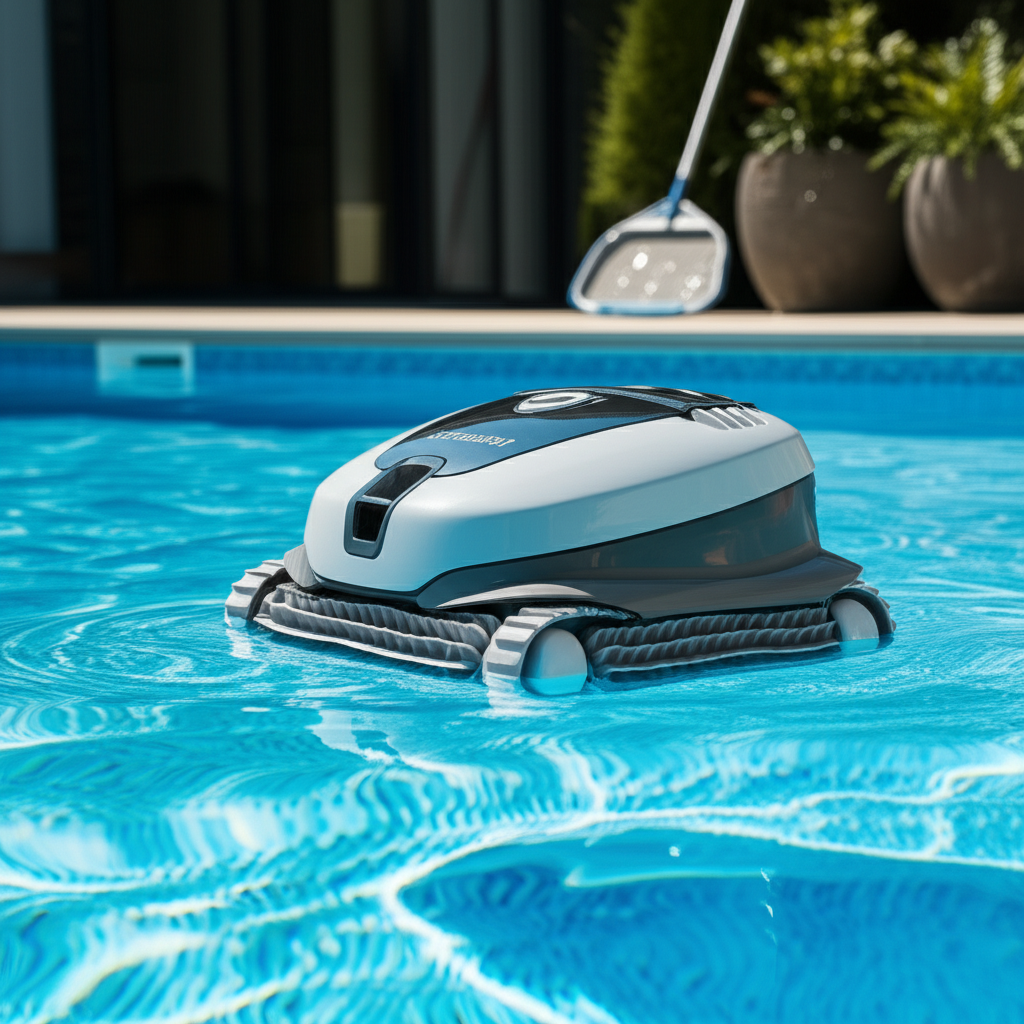
Yes, automatic vacuum pool cleaners are highly effective. They consistently clean your pool floor and sometimes walls, removing dirt and debris automatically. This leads to a cleaner, more inviting pool with less effort from you.
How often should I run my automatic pool cleaner?
You should run your automatic vacuum pool cleaner as needed, typically daily or every other day, depending on debris accumulation. Frequent runs help maintain optimal water clarity and prevent buildup. Running it during off-peak electricity hours can also save energy.
Can an automatic pool cleaner climb walls?
Some advanced automatic pool cleaners, particularly robotic models, are designed to climb pool walls and even clean the waterline. Suction and pressure-side cleaners usually focus on the pool floor. Check the product specifications to see if wall climbing is a feature.
What is the best automatic pool cleaner for leaves?
For pools with many leaves, look for a robotic cleaner with a large debris capacity and powerful suction. Some models have specialized leaf catchers or wider inlets. A good filter bag or basket is crucial for handling significant leaf loads effectively.
How long do automatic vacuum pool cleaners last?
With proper maintenance, an automatic vacuum pool cleaner can last between 3 to 10 years. Robotic cleaners often have a longer lifespan due to their independent motor and filtration systems. Regular cleaning and checks extend their durability.
Conclusion: Effortless Sparkle, Every Time
An automatic vacuum pool cleaner is more than just a convenience; it’s an essential tool for modern pool ownership. It transforms pool maintenance from a chore into a seamless, automated process. You get a consistently clean and inviting pool without the constant effort. This allows you to focus on what truly matters: enjoying your sparkling oasis. Invest in an automatic vacuum pool cleaner today for effortless results and more time for fun.