Automatic Vacuum Cleaner Roomba: Essential Smart Cleaning

The automatic vacuum cleaner Roomba is your essential smart cleaning partner, simplifying chores with advanced navigation and powerful suction, making floors spotless with minimal effort.
Introduction
Tired of dusty floors and the endless chore of vacuuming? Imagine a world where your floors clean themselves. That’s the promise of the automatic vacuum cleaner Roomba. These smart robots are changing how we maintain our homes, offering a convenient and efficient way to keep carpets and hard floors looking their best. In this guide, I’ll explore everything you need to know about the Roomba, from its smart features to how it makes cleaning effortless.
What is an Automatic Vacuum Cleaner Roomba?
An automatic vacuum cleaner Roomba is a robotic device designed to clean floors autonomously. It uses sensors and smart mapping to navigate your home, vacuuming dirt, dust, and debris. These intelligent machines can be scheduled to clean while you’re away, ensuring a consistently tidy living space with minimal human intervention.
This innovative technology automates a time-consuming household task, freeing up your valuable time for other activities. It represents a significant leap in home cleaning efficiency and convenience.
The Evolution of Smart Cleaning: Roomba’s Journey
Roomba, a brand by iRobot, has been a pioneer in robotic vacuum cleaners since its launch in 2002. Early models were simpler, bumping into objects and cleaning in random patterns. Over the years, iRobot has invested heavily in research and development. This led to significant advancements in navigation, suction power, and smart capabilities.
Today’s automatic vacuum cleaner Roomba models offer sophisticated mapping, object detection, and app control. They learn your home’s layout and adapt their cleaning routines. This evolution has transformed the Roomba from a novelty into an essential smart cleaning tool.
Key Features of a Modern Automatic Vacuum Cleaner Roomba
Modern Roombas boast a range of intelligent features that make them highly effective. They use advanced sensors to detect dirtier areas and concentrate their cleaning efforts there. Many models can also distinguish between carpet and hard floors, adjusting their suction power accordingly.
Smart Mapping & Navigation: Roombas create maps of your home for efficient cleaning paths.
Dirt Detect™ Technology: Identifies and focuses on high-traffic, dirtier areas.
App Control: Schedule cleanings, set cleaning zones, and monitor progress via your smartphone.
Voice Assistant Integration: Control your Roomba with voice commands through Alexa or Google Assistant.
Automatic Recharging: Returns to its dock to recharge when the battery is low.
These features work together to provide a thorough and hands-free cleaning experience. The convenience of scheduling and remote control is a major draw for busy households.
How Does Roomba’s Smart Navigation Work?
The intelligence of an automatic vacuum cleaner Roomba lies in its navigation system. Early models relied on simple bump-and-turn methods. Newer Roombas utilize a combination of sensors, including gyroscopes, accelerometers, and optical sensors.
Some high-end models even feature vSLAM (Visual Simultaneous Localization and Mapping) technology. This uses a camera to see and map the room. This allows them to clean in neat, efficient rows and avoid missing spots. They can also learn and remember your home’s layout for future cleanings.
Understanding Different Roomba Models and Their Capabilities
iRobot offers a variety of Roomba models, each with different features and price points. This allows consumers to choose a robot vacuum that best fits their needs and budget. From basic, affordable models to premium units with advanced features, there’s a Roomba for everyone.
| Model Series | Key Features | Best For |
| :—————– | :———————————————————————— | :—————————————————————————————————- |
| Roomba 600 Series | Basic cleaning, good for smaller homes, affordable. | Budget-conscious users, first-time robot vacuum owners, smaller apartments. |
| Roomba i Series | Smart mapping, app control, good suction, ideal for pet hair. | Pet owners, medium-sized homes, users wanting app control and better navigation. |
| Roomba j Series | Advanced mapping, object avoidance, self-emptying options. | Larger homes, busy individuals, users who want a truly hands-off experience. |
| Roomba s Series | Premium features, top-tier navigation, AI-powered object avoidance. | Tech enthusiasts, large, complex homes, those seeking the most advanced automated cleaning. |
Choosing the right automatic vacuum cleaner Roomba depends on your home size, pet ownership, and desired level of automation. Researching the specific features of each series is crucial.
Optimizing Your Home for Roomba Cleaning
While Roombas are smart, a little preparation can enhance their cleaning performance. Clearing clutter from the floor makes it easier for the robot to navigate. This includes picking up small toys, charging cables, and loose rugs.
Ensure that the Roomba’s charging dock is placed in an accessible area with good Wi-Fi signal. This allows it to return for charging and receive software updates. Removing potential obstacles ensures a smooth and efficient cleaning cycle every time.
Roomba vs. Traditional Vacuums: The Smart Choice
Traditional vacuums require manual effort, time, and physical space. An automatic vacuum cleaner Roomba offers convenience and consistency. While a Roomba might not replace a deep clean from a powerful upright vacuum entirely, it excels at daily maintenance.
Pros of Roomba:
Time-saving: Cleans automatically, freeing up your schedule.
Convenience: Schedule cleanings and control remotely.
Consistent Cleaning: Maintains a cleaner home daily.
Reaches Under Furniture: Navigates under beds and sofas.
Cons of Roomba:
Initial Cost: Can be more expensive upfront.
Suction Power: May not match the deepest clean of some traditional vacuums.
Obstacles: Requires a relatively clear floor space.
For many, the trade-off in manual effort for consistent cleanliness is well worth it.
Maintenance and Care for Your Automatic Vacuum Cleaner Roomba
To ensure your automatic vacuum cleaner Roomba operates at its best, regular maintenance is key. This typically involves emptying the dustbin, cleaning the brushes, and wiping down sensors. iRobot recommends specific cleaning schedules for different parts.
Empty Dustbin: After every few cleaning cycles.
Clean Brushes: Weekly, especially if you have pets.
Wipe Sensors: Monthly, to ensure accurate navigation.
Replace Filter: As recommended by the manufacturer (usually every 1-2 months).
Following these simple steps will extend the lifespan of your Roomba and maintain its cleaning efficiency. You can find detailed maintenance guides on the iRobot website.
The Future of Automated Home Cleaning
The automatic vacuum cleaner Roomba is just the beginning of smart home automation. We can expect future models to become even smarter, with improved AI for object recognition and navigation. They might also integrate with other smart home devices for a more holistic cleaning experience.
Imagine a robot vacuum that not only cleans but also communicates with your smart thermostat to optimize air quality. Or one that can identify spills and alert you. The possibilities for enhanced convenience and efficiency are vast.
Frequently Asked Questions about Roomba
Q1: Can a Roomba clean my entire house?
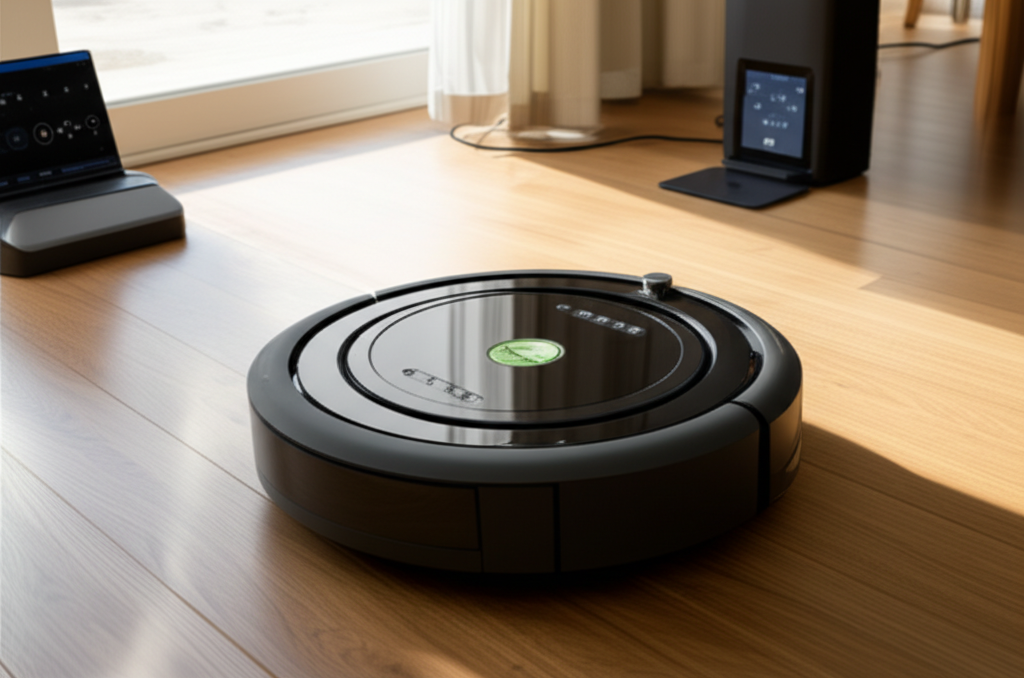
Many Roomba models can clean large areas, especially those with smart mapping. For very large homes, you might need to run it in sections or consider a model with a larger battery or self-emptying base.
Q2: How well do Roombas handle pet hair?
Roombas are generally excellent at picking up pet hair, especially newer models with specialized brushes and strong suction. Regular cleaning of the brushes is important to prevent tangles.
Q3: Do I need Wi-Fi for a Roomba to work?
While some basic functions can work without Wi-Fi, you need it to access advanced features like scheduling, app control, smart mapping, and software updates.
Q4: What happens if my Roomba gets stuck?
Most Roombas have sensors to detect when they are stuck and will stop, alerting you via the app. They are designed to navigate around common obstacles, but very tight spaces or tangled cords can sometimes pose a challenge.
Q5: How often should I run my Roomba?
For optimal cleanliness, running your automatic vacuum cleaner Roomba daily or every other day is recommended, especially in high-traffic areas or if you have pets.
Q6: Can Roombas go up and down stairs?
No, Roombas are not designed to navigate stairs. They have cliff detection sensors to prevent them from falling. You would need to manually move the robot between floors.
Conclusion
The automatic vacuum cleaner Roomba has revolutionized home cleaning, offering an intelligent and effortless solution to maintain spotless floors. Its advanced navigation, powerful suction, and smart features make it an essential tool for modern households. From saving you time to ensuring a consistently cleaner living space, the Roomba is a worthwhile investment in smart home convenience. If you’re looking to simplify your chores and enjoy cleaner floors with minimal effort, an automatic vacuum cleaner Roomba is a fantastic choice.
Consider exploring the latest iRobot Roomba models to find the perfect fit for your home.