Automatic Pool Vacuum Cleaner: Effortless Clean

Tired of scrubbing your pool? An automatic pool vacuum cleaner offers an effortless way to keep your water sparkling clean with minimal work. These smart devices handle the dirty job for you, saving you time and energy for more enjoyable pool moments.
Pools are wonderful for fun and relaxation, but keeping them clean can feel like a constant chore. Leaves, dirt, and algae can quickly make your sparkling oasis look murky and uninviting. This is where an automatic pool vacuum cleaner steps in, transforming your pool maintenance from a dreaded task into a simple, hands-off process. Imagine diving into crystal-clear water every time without lifting a finger.
Why You Need an Automatic Pool Vacuum Cleaner
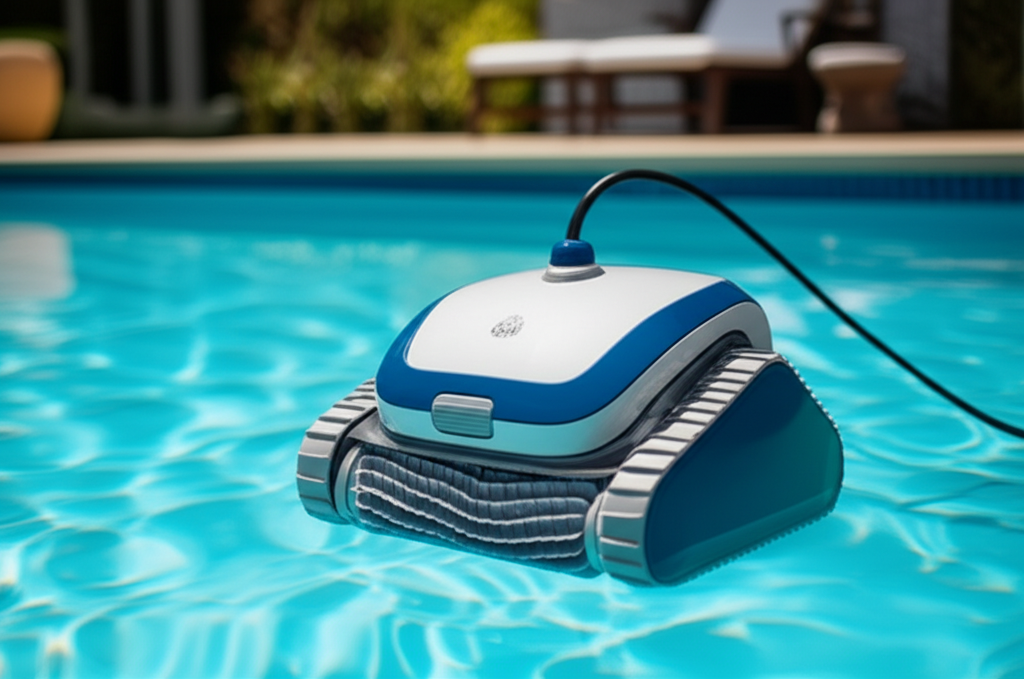
An automatic pool vacuum cleaner is a game-changer for any pool owner. It significantly reduces the manual labor involved in pool cleaning. Instead of spending hours skimming, brushing, and vacuuming, you can let a robot do the work. This saves you precious time and effort.
Understanding How Automatic Pool Vacuums Work
Automatic pool vacuums use clever technology to clean your pool. They navigate the pool floor and sometimes walls. They suck up debris and filter it out. This keeps your pool water clean and clear.
Types of Automatic Pool Vacuum Cleaners
There are a few main types of automatic pool vacuum cleaner options available. Each has its own way of cleaning and power source. Choosing the right one depends on your pool type and needs.
Robotic Pool Cleaners
Robotic cleaners are the most advanced. They have their own filter and motor. This means they don’t rely on your pool’s filter system. They are very efficient at cleaning.
Suction-Side Pool Cleaners
These cleaners attach to your pool’s skimmer. They use the pool’s existing pump to move and vacuum. They are often more affordable upfront. However, they can put extra strain on your pump.
Pressure-Side Pool Cleaners
Pressure-side cleaners connect to your pool’s return jet. They use water pressure to move around and clean. They often have a debris bag that needs emptying.
Key Features to Look For
When choosing an automatic pool vacuum cleaner, several features are important. These will help you get the best clean for your pool. Think about what matters most to you.
Cleaning Path: Some cover the floor only. Others clean floors, walls, and the waterline.
Filtration: Consider the filter type and capacity. Fine debris filters are better for clear water.
Tangle-Free Cord: A swivel cord prevents the vacuum from getting stuck.
Smart Navigation: Advanced models map your pool for efficient cleaning.
Ease of Use: Look for models that are easy to deploy and retrieve.
Benefits of Using an Automatic Pool Vacuum Cleaner
The advantages of using an automatic pool vacuum cleaner are numerous. They make pool ownership much more enjoyable. You’ll spend less time cleaning and more time swimming.
Saves Time: Automates the most tedious pool cleaning tasks.
Improves Water Quality: Regularly removes debris for cleaner water.
Reduces Chemical Use: Cleaner water often needs fewer chemicals.
Increases Pool Lifespan: Prevents algae buildup and debris damage.
Convenience: Set it and forget it.
How to Choose the Right Automatic Pool Vacuum Cleaner
Selecting the perfect automatic pool vacuum cleaner involves matching its features to your pool’s specific needs. Consider your pool’s size, shape, and the type of debris it collects most often. For example, a pool with many trees nearby might need a cleaner with a strong suction and large debris capacity.
Pool Size and Shape: Ensure the cleaner is rated for your pool’s dimensions.
Surface Type: Some cleaners work better on tile, vinyl, or concrete.
Debris Type: Heavy leaf debris needs a different approach than fine dust.
Budget: Prices vary widely based on features and brand.
Power Source: Decide if you prefer a self-contained unit or one that uses your pool’s pump.
Setting Up and Using Your Automatic Pool Vacuum Cleaner
Getting started with your new automatic pool vacuum cleaner is usually straightforward. Most units come with clear instructions. Follow them carefully for optimal performance and longevity of your device.
1. Unpack: Carefully remove all components from the box.
2. Assemble: Attach any necessary hoses or brushes.
3. Connect: Plug it in or connect it to your pool’s system.
4. Deploy: Place the cleaner into the pool water.
5. Operate: Set the timer or start the cleaning cycle.
6. Retrieve: Remove the cleaner when the cycle is complete.
Maintenance Tips for Your Automatic Pool Vacuum Cleaner
Regular maintenance ensures your automatic pool vacuum cleaner runs smoothly for years. Cleaning the filter is the most common task. This keeps it working efficiently.
Clean the Filter: After each use, rinse the filter basket or bag.
Inspect Brushes and Wheels: Check for wear and tear.
Store Properly: Keep the cleaner out of direct sunlight when not in use.
Check Cords: Ensure cords are not damaged or frayed.
Popular Brands and Models
Several reputable brands offer excellent automatic pool vacuum cleaner options. Each has models suited for different needs and budgets. Researching these brands can help you find a reliable choice.
Dolphin: Known for advanced robotic cleaners with strong suction and smart navigation.
Polaris: Offers a range of suction and pressure cleaners, often favored for durability.
Hayward: Provides a variety of robotic and suction cleaners for different pool types.
* Aiper: Emerging as a popular choice for affordable and effective robotic cleaners.
Comparing Robotic vs. Suction/Pressure Cleaners
Here’s a simple comparison to help you decide between robotic and other types of automatic pool vacuum cleaner. Robotic cleaners offer more independence and efficiency.
| Feature | Robotic Pool Cleaner | Suction/Pressure Pool Cleaner |
| :—————— | :———————————– | :———————————– |
| Power Source | Own motor and filter | Pool pump or return jet |
| Energy Usage | Independent, energy-efficient | Uses pool pump energy |
| Debris Collection | Internal filter, finer debris | Debris goes to pool filter/bag |
| Wall Climbing | Many models climb walls | Less common, floor only |
| Cost | Higher upfront, lower running cost | Lower upfront, potential pump strain |
| Maintenance | Clean internal filter | Empty debris bag, check hoses |
Frequently Asked Questions about Automatic Pool Vacuum Cleaners
How often should I run my automatic pool vacuum cleaner?
You should run your automatic pool vacuum cleaner as needed, typically 1-3 times per week. This depends on how much debris enters your pool. Consistent cleaning prevents buildup.
Can an automatic pool vacuum cleaner clean my entire pool?
Most automatic pool vacuum cleaner models are designed to clean the entire pool floor. Some advanced robotic cleaners can also scrub the walls and waterline. Always check the product specifications.
Do automatic pool vacuums work in all pool types?
Yes, most automatic pool vacuum cleaner units are designed for various pool types, including in-ground and above-ground pools. Ensure the model you choose is suitable for your specific pool surface material.
How long does an automatic pool vacuum cleaner last?
With proper care and maintenance, an automatic pool vacuum cleaner can last between 3 to 7 years. Robotic cleaners, being self-contained, often have a longer lifespan than suction or pressure models.
What is the average cost of an automatic pool vacuum cleaner?
The cost of an automatic pool vacuum cleaner can range from $200 for basic suction models to over $1,500 for high-end robotic cleaners. Your budget and desired features will guide your choice.
Conclusion
An automatic pool vacuum cleaner is an investment in effortless pool ownership. It takes the hard work out of keeping your water pristine. By understanding the different types and features, you can select the best device for your needs. Enjoy more time relaxing by your clean, inviting pool.