
At Home Upholstery Cleaner: Essential Results

Achieve spotless furniture with an at home upholstery cleaner, tackling stains and odors effectively for a refreshed living space. This guide provides essential tips for choosing and using the right cleaner for beautiful, long-lasting results.
A beloved sofa can quickly become a magnet for spills and dirt. Dealing with these messes can feel overwhelming, especially when you want your furniture to look its best. Don’t worry; with the right at home upholstery cleaner, you can restore your furniture’s beauty. This guide will walk you through everything you need to know to get essential results.
What is an At Home Upholstery Cleaner?
An at home upholstery cleaner is a product designed for cleaning fabric furniture in your own home. It comes in various forms like sprays, foams, or solutions for machines. These cleaners help lift stains, remove odors, and refresh your upholstery without needing professional services. They are a convenient way to maintain your furniture’s appearance and hygiene.
Why You Need an At Home Upholstery Cleaner
Life happens, and spills on your sofa are inevitable. From wine mishaps to pet accidents, fabric furniture can suffer. Regular cleaning with an at home upholstery cleaner prevents stains from setting in permanently. It also removes dust mites and allergens, creating a healthier home environment. Keeping your upholstery clean extends its life and keeps your home looking its best.
Types of At Home Upholstery Cleaners
Choosing the right at home upholstery cleaner depends on your furniture type and the kind of mess. You’ll find sprays for spot cleaning, foams that are easy to apply, and liquid solutions for deep cleaning with machines. Some are specifically for pet stains, while others are for general dirt and grime. Understanding these options helps you pick the most effective product for your needs.
Spot Cleaners vs. Deep Cleaners
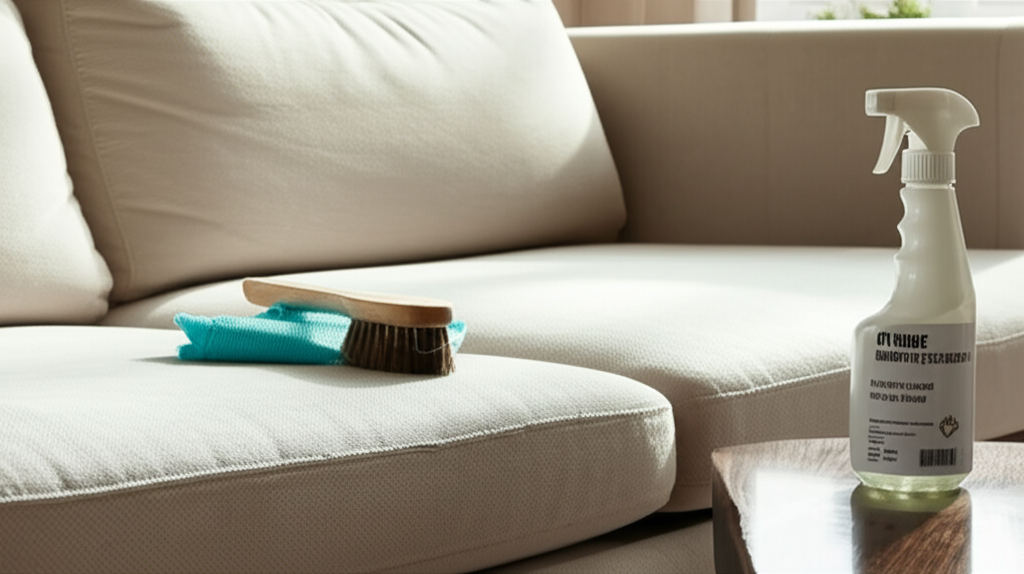
Spot cleaners are great for quick fixes on small stains. You spray them directly on the mark and blot it away. Deep cleaners are usually used with an upholstery cleaning machine for a more thorough clean. These machines use water and cleaning solution to extract dirt from the fabric. Using the right type for the job ensures the best results.
Natural and DIY Options
Many people prefer natural or DIY at home upholstery cleaner solutions. You can often use common household items like baking soda, vinegar, or mild dish soap. For example, a paste of baking soda and water can absorb odors. A diluted vinegar solution can help lift stains and disinfect. These options can be gentle on fabrics and better for sensitive individuals.
How to Choose the Best At Home Upholstery Cleaner
Selecting the ideal at home upholstery cleaner requires a bit of research. Always check the fabric care label on your furniture first. Look for cleaners specifically made for your upholstery type, like cotton, linen, or synthetic blends. Reading reviews can also offer insights into product effectiveness and ease of use. Consider the type of stains you most often encounter.
Understanding Fabric Codes
Furniture fabrics often have care codes. ‘W’ means you can use water-based cleaners. ‘S’ means you need solvent-based cleaners, avoiding water. ‘W/S’ allows both, and ‘X’ means only vacuuming or brushing is recommended. Using the wrong cleaner can damage your upholstery, so always check these codes. This is crucial for effective and safe cleaning.
Essential Steps for Using an At Home Upholstery Cleaner
Using an at home upholstery cleaner correctly is key to achieving excellent results. Always start by vacuuming your furniture thoroughly. This removes loose dirt and debris. Next, test the cleaner on an inconspicuous area of the fabric. This ensures it doesn’t cause discoloration or damage. Follow the product instructions carefully for application and drying.
Pre-Treatment and Spot Cleaning
For tough stains, pre-treatment is often necessary. Apply a small amount of your chosen at home upholstery cleaner directly to the stain. Let it sit for a few minutes to break down the mess. Gently blot the area with a clean cloth, working from the outside of the stain inward. Avoid rubbing, as this can spread the stain and damage the fibers.
Deep Cleaning with a Machine
If you’re using an upholstery cleaning machine, follow its specific instructions. Typically, you’ll mix the cleaning solution with water in the machine’s reservoir. Then, you’ll slowly go over the upholstery, allowing the machine to spray the solution and then extract the dirty water. Work in small sections for the best coverage and drying. Proper use of the machine ensures a thorough clean.
Common Upholstery Cleaning Mistakes to Avoid
Many people make common mistakes when cleaning upholstery at home. Over-wetting the fabric is a big one, as it can lead to mildew and damage the padding. Using harsh chemicals on delicate fabrics can also cause irreparable harm. Rubbing stains aggressively is another mistake that can spread the mess. Being gentle and following instructions prevents these issues.
Over-Wetting and Drying Issues
Ensuring your upholstery dries properly is vital after cleaning. Excessive moisture can lead to mold and mildew growth. It can also weaken the fabric and internal cushioning. Always allow furniture to air dry completely before using it. You can speed up drying with fans or by opening windows for good ventilation.
Tips for Maintaining Upholstery Between Cleanings
Regular maintenance keeps your upholstery looking fresh and makes deep cleaning easier. Vacuuming your furniture weekly helps remove dust and prevents dirt from embedding in the fabric. Rotating cushions regularly ensures even wear. Addressing spills immediately with a spot cleaner is also crucial. These simple habits extend the life of your furniture.
Professional vs. DIY Upholstery Cleaning
While an at home upholstery cleaner is convenient and cost-effective, professional cleaning has its place. Professionals have specialized equipment and knowledge for delicate or heavily soiled fabrics. However, for everyday spills and general upkeep, DIY cleaning is perfectly adequate. The choice often depends on the severity of the issue and your budget.
Best At Home Upholstery Cleaners: Product Spotlight
Several excellent at home upholstery cleaner products are available. Brands like Bissell, Woolite, and Resolve offer effective solutions for various needs. Many also offer eco-friendly or pet-specific formulas. Always check product compatibility with your fabric type before purchasing. Reading recent user reviews can also guide your decision.
Here’s a quick look at popular types:
| Cleaner Type | Best For | Pros | Cons |
| :——————– | :————————————- | :—————————————- | :————————————- |
| Spray/Foam Spot Cleaner | Quick spills, small stains | Easy to use, fast-acting | May not remove deep-set stains |
| Upholstery Machine Fluid | Deep cleaning, overall refresh | Thorough cleaning, removes odors | Requires a machine, longer drying time |
| Natural/DIY Solutions | Sensitive fabrics, odor absorption | Gentle, cost-effective, eco-friendly | May be less effective on tough stains |
Frequently Asked Questions about At Home Upholstery Cleaners
Can I use a regular carpet cleaner on my sofa?
It’s generally not recommended. Carpet cleaners can be too harsh for upholstery fabric, potentially causing damage or discoloration. Always use a cleaner specifically designed for upholstery.
How often should I clean my upholstery?
For general maintenance, vacuuming weekly is ideal. Deep cleaning with an at home upholstery cleaner can be done every 6-12 months, or as needed for spills and stains.
What is the best way to remove pet stains from upholstery?
Use an enzymatic cleaner designed for pet stains. These cleaners break down the organic matter causing odors and stains effectively. Blot the area thoroughly after application.
Will an at home upholstery cleaner remove all stains?
Most at home upholstery cleaner products are very effective on common stains. However, very old or severe stains might require professional attention. Always test in a hidden spot first.
Is it safe to use bleach on upholstery?
Generally, no. Bleach is a harsh chemical that can permanently damage and discolor most upholstery fabrics. Always check your fabric care tag before using any cleaning product.
Conclusion
Maintaining clean and fresh upholstery is achievable with the right at home upholstery cleaner. By understanding your fabric types, choosing appropriate products, and following simple cleaning steps, you can effectively tackle spills and everyday wear. Regular care ensures your furniture remains beautiful and hygienic for years to come. Invest a little time and effort, and enjoy the essential results of a sparkling clean home.
