
A/C Coil Cleaning Brush: Essential Maintenance

An a/c coil cleaning brush is a simple yet vital tool for maintaining your air conditioning system’s efficiency and lifespan. Regular use of an a/c coil cleaning brush helps remove dirt and debris, preventing costly repairs and ensuring your home stays cool and comfortable all summer long.
Your air conditioner works hard to keep your home cool. But over time, dust and grime build up on its coils. This can make your AC work harder and less effectively. It might even lead to expensive breakdowns. Fortunately, a simple tool can help: the a/c coil cleaning brush. I’ve found that using this tool is one of the easiest ways to ensure your AC runs smoothly. This guide will show you why it’s so important and how to use it.
Why Your AC Coils Need Regular Cleaning
Your air conditioner has two main sets of coils: the evaporator coil (inside) and the condenser coil (outside). These coils are like the lungs of your AC system. They absorb heat from your home and release it outside. When dust and dirt clog these coils, they can’t do their job efficiently. This means your AC uses more energy and cools your home less effectively. Ignoring dirty coils can lead to serious problems down the road.
The Hidden Problem: Dirty AC Coils
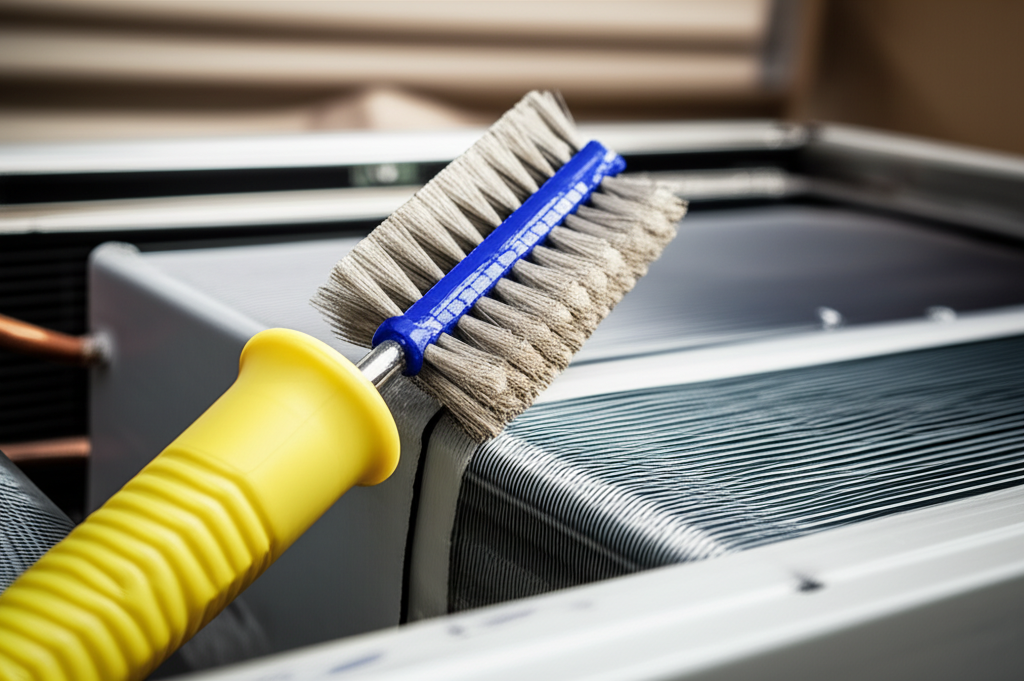
Dirty AC coils are a common issue that many homeowners overlook. Think of it like a filter getting clogged. When your AC’s coils are covered in gunk, air can’t flow through them properly. This forces the fan motor to work harder, increasing wear and tear. It also means your AC can’t transfer heat as well, leading to higher energy bills and less cooling power.
Impact on Energy Efficiency
A clean AC system uses less energy. Studies show that dirty coils can reduce an AC’s efficiency by up to 30%[^1]. This directly translates to higher electricity bills. By keeping your coils clean with an a/c coil cleaning brush, you help your system run at peak performance. This saves you money and reduces your carbon footprint.
Preventing Costly AC Repairs
Clogged coils can cause your AC to overheat. This can lead to the compressor, the most expensive part of your AC, failing. It can also cause refrigerant leaks. Regular cleaning with an a/c coil cleaning brush is a small investment that can prevent thousands of dollars in repair costs. It’s proactive maintenance that pays off.
What is an A/C Coil Cleaning Brush?
An a/c coil cleaning brush is a specialized tool designed to clean the fins on your air conditioner’s coils. These brushes typically have stiff bristles. They come in various shapes and sizes to fit different types of AC units. Some are straight, while others are flexible. They are designed to gently remove debris without damaging the delicate fins.
Types of A/C Coil Cleaning Brushes
There are several types of a/c coil cleaning brushes available. The most common are fin combs and brush kits. Fin combs are used to straighten bent fins. Brush kits often include a brush with sturdy bristles and sometimes a foaming cleaner. I often recommend a brush with a long handle for reaching deeper into the coil.
How They Differ from Other Cleaning Methods
Unlike simply spraying water, an a/c coil cleaning brush physically dislodges stubborn dirt and grime. While AC coil cleaners are also effective, a brush helps to agitate the dirt, making the cleaner more effective. It provides a mechanical action that is crucial for removing compacted debris. It’s a hands-on approach for a thorough clean.
Choosing the Right A/C Coil Cleaning Brush
Selecting the correct a/c coil cleaning brush is important for effective cleaning and avoiding damage. You need a brush that fits your specific AC unit’s coil type. Consider the size of the fins and the space you have to work in. A brush that is too stiff or used incorrectly can bend or break the fins.
Fin Combs vs. Bristle Brushes
Fin combs are best for straightening bent fins. They have tines that align with the coil fins. Bristle brushes, on the other hand, are for removing dirt and debris. They have a more robust cleaning action. Many DIYers find a combination of both useful. A good a/c coil cleaning brush will have bristles that are firm but not overly harsh.
Material and Durability
Look for brushes made from durable materials. Metal bristles can be effective but may damage softer fins if used with too much force. Plastic bristles are gentler. Many professional kits include brushes with a mix of materials. A well-made a/c coil cleaning brush will last for many cleaning cycles.
Ergonomics and Reach
Consider the handle length and grip. If your AC unit is in a tight spot, a brush with an extended handle might be necessary. A comfortable grip makes the cleaning process easier. I always look for a brush that feels good in my hand. This makes a big difference for longer cleaning jobs.
Step-by-Step Guide: Cleaning Your AC Coils
Cleaning your AC coils with an a/c coil cleaning brush is a straightforward process. It’s a maintenance task you can do yourself. Always remember to turn off your AC unit at the breaker box before you start. Safety first is my motto when working with any appliance.
Step 1: Safety First – Power Off Your AC
Locate your home’s electrical panel. Find the breaker switch that controls your air conditioning unit. Flip it to the “off” position. This is a critical step to prevent electrical shock. Double-check that the unit is indeed off before proceeding.
Step 2: Access the Coils
You’ll need to access the evaporator coil (usually inside the air handler) or the condenser coil (outside unit). For the outside unit, remove the protective grate. For the inside unit, you might need to open an access panel. Consult your AC manual if you’re unsure.
Step 3: Gentle Brushing
Use your a/c coil cleaning brush to gently brush away dirt and debris from the coil fins. Work in the direction of the fins. Do not force the brush. Move it in a gentle back-and-forth or sweeping motion. The goal is to loosen the grime.
Step 4: Rinsing (Optional but Recommended)
After brushing, you can rinse the coils. Use a garden hose for the outside unit. For the inside unit, a spray bottle with water or a specialized coil cleaner works well. Let the water run down the fins. This washes away the loosened dirt.
Step 5: Reassemble and Power On
Once the coils are clean and dry, reassemble any panels or grates you removed. Turn the AC breaker back on. Your system is now ready to run more efficiently.
Using Coil Cleaners with Your Brush
While an a/c coil cleaning brush can do a lot on its own, using it with a coil cleaner can enhance the cleaning power. Coil cleaners are typically acidic or alkaline solutions. They help break down grease, grime, and other stubborn buildup. The brush then helps to scrub away the loosened debris.
Types of Coil Cleaners
There are two main types of coil cleaners: foaming and non-rinsing. Foaming cleaners expand and lift dirt from the coils. Non-rinsing cleaners are designed to evaporate, taking dirt with them. Always choose a cleaner that is safe for your specific type of coil and AC unit. Check the product label carefully.
How to Combine Brush and Cleaner
Spray the coil cleaner onto the dirty coils. Let it sit for the time recommended on the product label. Then, use your a/c coil cleaning brush to gently scrub the coils. The brush will agitate the cleaner and help lift embedded dirt. Follow the cleaner’s instructions for rinsing, if required.
Common Mistakes to Avoid
Even with the right tool like an a/c coil cleaning brush, you can make mistakes. These errors can damage your AC or reduce its efficiency. Being aware of common pitfalls can help you clean your coils effectively and safely. I’ve seen many DIYers make these simple mistakes.
Forcing the Brush
Never force an a/c coil cleaning brush against the coil fins. The fins are thin and easily bent or broken. Gentle pressure is all that’s needed. If the dirt is very stubborn, apply more cleaner or make a second pass rather than using excessive force.
Damaging the Fins
Bent fins restrict airflow. Using the wrong type of brush or too much pressure can cause this. If you do bend some fins, use a fin comb to gently straighten them afterward. It’s important to be patient and meticulous.
Forgetting to Turn Off Power
This is the most dangerous mistake. Always ensure the power to your AC unit is completely shut off at the breaker before you begin any cleaning or maintenance. Your safety is paramount.
When to Call a Professional
While using an a/c coil cleaning brush is a great DIY task, sometimes it’s best to call a professional. If your AC system is very old, complex, or if you notice significant damage, a technician can help. They have specialized tools and expertise. They can also perform other essential AC maintenance.
Signs You Need Professional Help
If your AC is making strange noises, not cooling effectively after cleaning, or if you see signs of refrigerant leaks, it’s time to call an HVAC professional. Also, if you’re uncomfortable accessing or cleaning the coils yourself, don’t hesitate to book a service. They can also perform deep cleaning of internal components.
Deep Cleaning vs. DIY Maintenance
DIY cleaning with an a/c coil cleaning brush is for routine maintenance. Professionals can perform a much deeper clean. This includes cleaning drain pans, fan blades, and ductwork. They can also identify underlying issues that a DIYer might miss.
Frequently Asked Questions About A/C Coil Cleaning Brushes
Q1: How often should I use an a/c coil cleaning brush?
It’s generally recommended to clean your AC coils at least once a year, preferably before the cooling season begins. If you live in a dusty area or have pets, you might need to clean them more often.
Q2: Can I use a regular household brush to clean AC coils?
No, it’s best to use a brush specifically designed for AC coils. Regular brushes may be too stiff or the wrong shape, potentially damaging the delicate fins. An a/c coil cleaning brush is made with the right materials and design.
Q3: What if my AC coils are very dirty?
If your coils are heavily caked with dirt, you might need to use a strong AC coil cleaner in conjunction with your a/c coil cleaning brush. For extreme cases, consider calling a professional HVAC technician.
Q4: Does cleaning the outside AC unit’s coils matter as much?
Yes, the outside unit’s condenser coils are just as important. They release heat from your home, and dirt buildup severely hampers this process. Regular cleaning with an a/c coil cleaning brush on the outdoor unit is vital.
Q5: Can I damage my AC by cleaning the coils incorrectly?
Yes, you can. Bent fins, damaged wiring, or leaks can occur if you use too much force or the wrong tools. Always turn off the power and work gently with your a/c coil cleaning brush.
Q6: Where can I buy an a/c coil cleaning brush?
You can find a/c coil cleaning brushes at most hardware stores, home improvement centers, and online retailers like Amazon. Look for kits that include different types of brushes or fin combs.
Q7: Is cleaning AC coils difficult?
For most homeowners, cleaning AC coils with an a/c coil cleaning brush is a manageable DIY task. It requires basic tools and a bit of patience. The steps are simple and straightforward.
Conclusion: Invest in Your Comfort and Savings
Maintaining your air conditioning system is key to a comfortable home and lower energy bills. An a/c coil cleaning brush is a simple, inexpensive tool that plays a significant role in this maintenance. By regularly cleaning your AC coils, you ensure your system runs efficiently, lasts longer, and avoids costly breakdowns. I highly recommend making this tool a part of your home maintenance routine. It’s a small effort for a big return in comfort and savings.
[^1]: U.S. Department of Energy. (n.d.). Heating and Cooling. Retrieved from https://www.energy.gov/energysaver/home-heating-and-cooling
