220 Volt Vacuum Cleaner: Your Essential Cleaning Solution

Unlock superior cleaning power with a 220 volt vacuum cleaner, designed for homes with higher voltage outlets. This guide explores their benefits, how to choose the right model, and why they are an essential, efficient solution for a spotless home, offering a robust clean that standard vacuums can’t match.
So, you’re looking to make your home sparkle. Cleaning is a chore, but having the right tools makes a huge difference. If you have a home wired for higher voltage, a 220 volt vacuum cleaner might be exactly what you need. These powerful machines offer a deep clean that lesser vacuums just can’t deliver. Stick around, and I’ll show you why a 220 volt vacuum cleaner is your secret weapon for a spotless home.
What is a 220 Volt Vacuum Cleaner?
A 220 volt vacuum cleaner uses a higher voltage electrical current than standard 110-120 volt models. This means it can draw more power. More power often translates to stronger suction. This makes it ideal for tackling tougher cleaning jobs. It’s a great choice if your home has 220V outlets available.
This type of vacuum cleaner is designed to harness the increased electrical power available in certain homes. It’s not just about being louder; it’s about delivering a more effective clean. You’ll notice the difference on carpets and hard floors alike.
Why Choose a 220 Volt Vacuum Cleaner?
The primary reason to choose a 220 volt vacuum cleaner is its superior performance. They offer significantly stronger suction power. This allows them to pick up more dirt, dust, and debris from your carpets and floors. This can lead to a cleaner home environment.
Think of it like a stronger engine in a car. A 220 volt vacuum cleaner has more “oomph” to get the job done faster and more thoroughly. It’s especially beneficial for homes with pets or high-traffic areas.
Enhanced Suction Power
The higher voltage directly translates to a more powerful motor. This powerful motor creates exceptional suction. It can lift embedded dirt and stubborn particles from deep within carpet fibers. This makes deep cleaning much more effective.
This increased suction is a game-changer for allergy sufferers. It can remove more fine dust and allergens from your living space. You’ll feel the difference in the air quality too.
Deeper Cleaning Capabilities
Because of their strong suction, 220 volt vacuum cleaners excel at deep cleaning. They can pull out dirt that regular vacuums leave behind. This is crucial for maintaining a truly clean and hygienic home.
Carpets often hide a lot of dirt and grime. A 220 volt vacuum cleaner is designed to reach those hidden particles. It makes your carpets look and feel refreshed.
Types of 220 Volt Vacuum Cleaners
You can find 220 volt vacuum cleaners in various forms, much like their lower voltage counterparts. Common types include upright, canister, and even some specialized industrial models. Each has its own advantages for different cleaning needs.
Consider your home layout and typical cleaning tasks. This will help you decide which type of 220 volt vacuum cleaner is best for you. Many offer attachments for versatile cleaning.
Upright Models
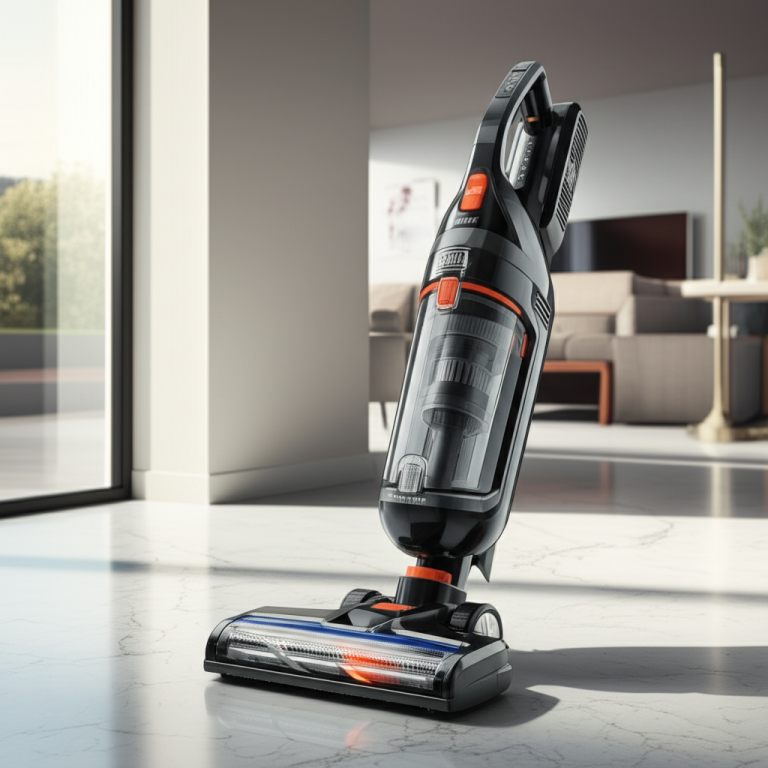
Upright 220 volt vacuum cleaners are similar to the ones most people are familiar with. They are self-contained units, great for quick cleanups and larger carpeted areas. Their design makes them easy to maneuver around furniture.
These models often have a bagless design for easy emptying. Some come with advanced features like adjustable brush rolls. This helps them work well on different floor types.
Canister Models
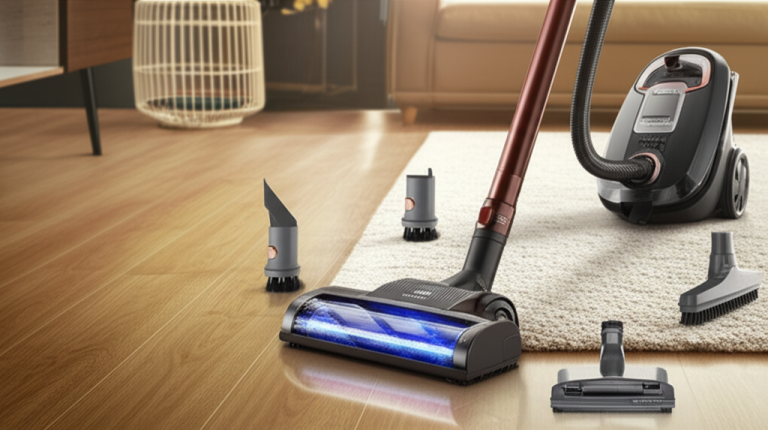
Canister 220 volt vacuum cleaners separate the motor and dustbin from the cleaning head. This design can make them lighter to push and easier to use on stairs or in tight spaces. They are known for their versatility.
The long hose and wand on canister vacuums are perfect for reaching high places or cleaning under furniture. Many come with specialized attachments for upholstery, crevices, and more. This makes them a flexible cleaning partner.
Key Features to Look For
When selecting a 220 volt vacuum cleaner, several features can enhance your cleaning experience. Look for models with good filtration systems to trap dust and allergens. Consider the weight and maneuverability if you have a large home.
Think about the types of surfaces you clean most often. Some vacuums are better suited for carpets, while others excel on hard floors. Check for user reviews to gauge real-world performance.
Filtration Systems
A good filtration system is essential. HEPA filters are the gold standard. They capture tiny particles like pollen and pet dander. This is especially important for people with allergies or asthma.
A high-quality filter ensures that what the vacuum sucks up stays inside. It doesn’t get blown back into your air. This leads to a cleaner home environment.
Dustbin Capacity and Type
220 volt vacuum cleaners come with either bags or bagless dustbins. Bagless models are convenient as you can simply empty the bin. Bagged models can be more hygienic for those with severe allergies, as you seal the dirt away.
Consider how often you’ll need to empty the dustbin. A larger capacity means less frequent emptying. This can save you time during cleaning sessions.
Attachments and Accessories
Versatility is key. Look for a 220 volt vacuum cleaner that comes with useful attachments. Crevice tools, upholstery brushes, and dusting brushes can help you clean every nook and cranny. Some even have pet hair attachments.
These accessories extend the cleaning power of your vacuum. They allow you to tackle specialized cleaning tasks with ease. A good set of attachments makes your vacuum a true all-in-one solution.
Understanding Voltage and Compatibility
It’s crucial to understand that 220 volt vacuum cleaners require a 220V electrical outlet. Most standard homes in North America use 110-120V outlets. If your home is only equipped with 110-120V outlets, you will need an adapter or a step-up transformer.
Using a 220V appliance on a 110V outlet without proper conversion can damage the appliance. It can also be a fire hazard. Always check your home’s electrical specifications before purchasing. You can find more information on electrical outlet types from resources like the U.S. Department of Energy.
Do I Have 220V Outlets?
Homes often have 220V outlets for high-power appliances like dryers, ovens, or air conditioners. These outlets typically have three or four prongs and are larger than standard outlets. If you’re unsure, it’s best to consult an electrician or check your home’s breaker box.
Many newer homes or homes with recent electrical upgrades are more likely to have readily available 220V outlets. Older homes might require professional installation for new outlets. Safety is paramount when dealing with electrical systems.
Using Adapters and Transformers
If your home lacks 220V outlets, you can use a voltage converter or transformer. A step-up transformer will convert your 110-120V power to 220V. However, these can be bulky and may limit the vacuum’s full power.
Ensure any adapter or transformer you use is rated for the vacuum’s wattage. Overloading these devices can lead to overheating or damage. This is an important safety consideration.
Maintenance for Your 220 Volt Vacuum Cleaner
Like any appliance, proper maintenance ensures your 220 volt vacuum cleaner runs efficiently. Regularly clean or replace filters, empty the dustbin, and check the brush roll for tangled hair or debris. This simple upkeep will extend its lifespan and maintain its cleaning power.
A well-maintained vacuum cleaner works better and lasts longer. It’s a small effort for a significant return on your investment. Keeping it clean also prevents motor strain.
Filter Care
Filters are the lungs of your vacuum cleaner. Clogged filters reduce suction power and can strain the motor. Check your vacuum’s manual for recommended cleaning or replacement schedules. Most washable filters can be rinsed under water and air-dried completely.
Always ensure filters are fully dry before reinserting them. A damp filter can lead to mold growth and damage the vacuum. This is a common mistake that many people make.
Brush Roll and Hose Maintenance
Tangled hair, threads, and debris on the brush roll can reduce its effectiveness. Carefully remove any obstructions using scissors or a seam ripper. Also, check the hose for blockages.
A clear brush roll and hose ensure optimal airflow and suction. This allows your 220 volt vacuum cleaner to perform at its best. It’s a quick check that makes a big difference.
When to Consider a 220 Volt Vacuum Cleaner
A 220 volt vacuum cleaner is an excellent choice for those who need serious cleaning power. This includes households with pets, large carpeted areas, or frequent spills. If you find your current vacuum isn’t cutting it, it might be time for an upgrade.
Consider the long-term benefits of a more powerful machine. It can save you time and effort. It also contributes to a healthier living environment.
Homes with Pets
Pet owners often struggle with stubborn pet hair embedded in carpets. The strong suction of a 220 volt vacuum cleaner is highly effective at removing pet dander and hair. This can significantly reduce allergens in your home.
Many models designed for pet owners include specialized brush rolls and filters. These features are specifically engineered to tackle pet-related messes. You’ll notice a cleaner home and better air quality.
Large Homes or Commercial Use
For larger homes, a powerful vacuum can clean more efficiently. A 220 volt vacuum cleaner can cover more ground faster. Some heavy-duty models are even suitable for light commercial use.
Their robust construction and powerful motors are built for demanding tasks. This makes them a reliable choice for extensive cleaning needs. You can tackle large areas without frequent pauses.
Potential Downsides to Consider
While powerful, 220 volt vacuum cleaners aren’t without their considerations. They can be more expensive upfront than standard models. Their power consumption might also be higher, although this is often offset by their efficiency.
Also, the need for a specific outlet type can be a limitation for some users. If your home isn’t equipped, the cost and effort of installing new outlets should be factored in. Always weigh the pros and cons carefully.
Cost
The initial purchase price of a 220 volt vacuum cleaner can be higher. This is due to the more robust components required for higher power operation. However, many users find the increased performance justifies the investment.
Think of it as investing in a higher-quality tool. A good vacuum cleaner can last for many years. This can make the long-term cost of ownership comparable or even lower.
Power Consumption
While they use more power, 220 volt vacuum cleaners can be more energy-efficient per cleaning job. Their superior suction means they can clean an area faster. This can sometimes lead to less overall energy use for the task.
Always check the wattage of the vacuum. Compare it to similar 110V models if possible. Look for Energy Star ratings if energy efficiency is a top concern.
Brands and Models to Explore
Several reputable brands offer high-quality 220 volt vacuum cleaners. Some brands are known for their industrial-grade power, while others focus on user-friendly features. Researching specific models based on your needs is recommended.
Popular brands in the vacuum cleaner market often have high-voltage options. Look for brands that are well-established and have good customer reviews. This ensures you are investing in a reliable product.
For example, brands like Miele, Dyson (though less common in 220V, check regional availability), and Sebo are known for durability and performance. Always verify the voltage specifications for the model available in your region.
Making the Switch: Is it Worth It?
Deciding whether to switch to a 220 volt vacuum cleaner depends on your specific needs and home setup. If you require maximum cleaning power, have stubborn dirt or pet hair, and have access to 220V outlets (or are willing to install them), then it’s likely a worthwhile investment. The enhanced performance can lead to a cleaner, healthier home environment.
Ultimately, a 220 volt vacuum cleaner is an essential cleaning solution for those who demand the best. It offers a superior clean that can make a noticeable difference in your home. You’ll enjoy a deeper level of clean and potentially save time.
FAQ
Can I use a 220 volt vacuum cleaner in a 110 volt outlet?
No, you should not plug a 220 volt vacuum cleaner directly into a 110 volt outlet. It will not work correctly and could damage the vacuum or the outlet. You would need a step-up voltage converter.
Are 220 volt vacuum cleaners louder than 110 volt ones?
They can be, as a more powerful motor often produces more noise. However, many manufacturers design them with noise reduction features. Check product reviews for sound level information.
How do I know if my home has 220 volt outlets?
220V outlets are typically larger and have more slots than standard 110V outlets. They are often used for appliances like clothes dryers or electric ovens. If unsure, consult an electrician.
Are 220 volt vacuum cleaners more energy efficient?
While they use more power, their stronger suction can clean areas faster. This means they might use less total energy for a given cleaning task. It depends on the specific model and how you use it.
What is the difference between a 220V and a 240V vacuum cleaner?
In most household contexts, 220V and 240V refer to similar electrical systems. The terms are often used interchangeably, especially outside of North America. Always check the specific voltage requirements for your region and the appliance.
Conclusion
A 220 volt vacuum cleaner is more than just a cleaning tool; it’s an investment in a cleaner, healthier home. For those who need robust suction and deep cleaning power, especially with pets or heavy foot traffic, these machines offer unparalleled performance. While requiring specific outlets, the benefits of enhanced cleaning capabilities and efficiency often outweigh the initial considerations. If you’re looking to elevate your cleaning routine and achieve a truly spotless environment, a 220 volt vacuum cleaner is your essential solution. Explore the options, consider your needs, and get ready to experience a new level of clean.