
Microfiber Mop Pads: Essential Cleaning For Classrooms

Microfiber mop pads are a game-changer for classroom cleaning. They trap dirt, dust, and germs effectively, making schools healthier and safer. Learn why these pads are a must-have for any educational environment and how to use them best.
Keeping classrooms clean is super important. Germs can spread easily among kids. This can lead to lots of sick days for students and teachers. Traditional mops often just push dirt around. They don’t clean surfaces as well as they should. But there’s a better way! Microfiber mop pads offer a smarter, more hygienic solution. We’ll explore why these pads are essential for classrooms. You’ll learn how they help create a healthier learning space for everyone.
Why Microfiber Mop Pads Are Perfect for Classrooms
Microfiber mop pads are ideal for schools because they clean deeply. They use tiny fibers to grab dirt and germs. This means fewer germs spread around the classroom. It helps keep students and teachers healthy.
The Science Behind Microfiber’s Cleaning Power
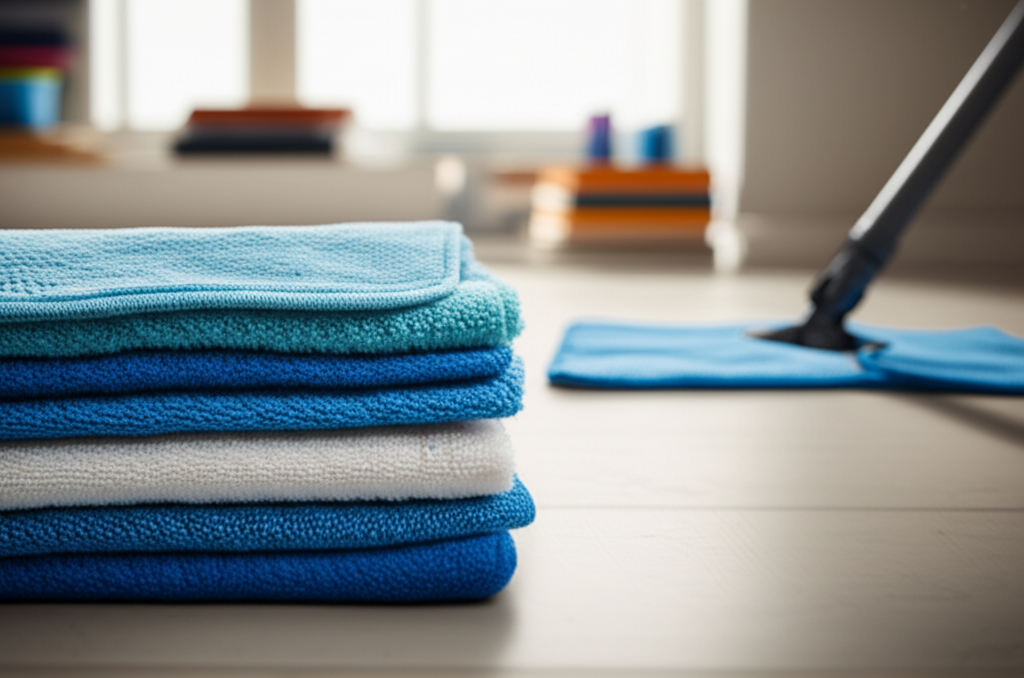
Microfiber cloths and mop pads are made of very small synthetic fibers. These fibers are split into even smaller pieces. This creates a huge surface area. This large surface area can trap dust, dirt, and microbes. They can even pick up bacteria without harsh chemicals.
Tackling Germs in Educational Settings
Classrooms are busy places. Kids touch many surfaces throughout the day. This makes them breeding grounds for germs. Microfiber mop pads are proven to remove more bacteria than cotton mops. A study by the National Institutes of Health showed microfiber’s effectiveness. This helps reduce illness outbreaks in schools.
Cost-Effectiveness and Durability
While the initial cost might seem higher, microfiber mop pads save money. They are very durable. You can wash and reuse them many times. This means you buy fewer disposable pads. Over time, this reduces your cleaning supply budget significantly.
Choosing the Right Microfiber Mop Pads for Your Classroom
Not all microfiber mop pads are the same. It’s good to pick the right type for your needs. This ensures you get the best cleaning results for your classroom.
Pad Types and Their Uses
There are different types of microfiber mop pads. Some are for dry dusting. Others are for wet mopping with cleaners. Some pads are designed for scrubbing. For classrooms, you’ll likely need both dusting and wet mop pads.
Dusting Pads: These have a plush surface to attract and hold dust.
Wet Mopping Pads: These are denser and absorb liquids well. They are great for cleaning spills and disinfecting floors.
Scrubbing Pads: These have a rougher texture for tougher stains. Use them carefully on delicate floors.
Material and Construction Matters
Look for pads made from high-quality microfiber. Good pads have a high density of fibers. This helps them pick up more dirt. The stitching should be strong. This ensures the pads last through many washes.
Size and Compatibility
Make sure the mop pads fit your existing mop head. Mop heads come in different sizes. Common sizes are 18 inches and 24 inches. Measure your mop head before buying pads. This prevents wasted purchases.
Best Practices for Using Microfiber Mop Pads in Classrooms
Using microfiber mop pads correctly makes them work best. It also helps them last longer. Following simple steps ensures a cleaner classroom.
Pre-Mopping: Dry Dusting First
Always start by dry dusting the floor. Use a dry microfiber mop pad. This picks up loose dirt and dust. It prevents these particles from turning into mud when you mop. This step makes wet mopping much easier.
Wet Mopping Techniques
When wet mopping, use the right amount of cleaning solution. Too much can leave residue. Too little won’t clean effectively. Work in a systematic pattern. Overlap each stroke slightly. This ensures complete coverage.
Cleaning and Maintenance of Pads
Proper cleaning is key to microfiber’s lifespan. Wash used mop pads separately from other laundry. Use a mild detergent. Avoid fabric softeners. Fabric softeners can clog the microfiber pores. This reduces their cleaning ability.
Washing: Use cool or warm water.
Drying: Air dry or tumble dry on low heat. High heat can damage the fibers.
Storage: Store clean, dry pads in a clean area.
Addressing Common Classroom Cleaning Challenges
Classrooms face unique cleaning challenges. Spills, sticky messes, and high traffic are common. Microfiber mop pads can handle these issues effectively.
Dealing with Spills and Sticky Residue
Kids often spill drinks or leave sticky messes. Microfiber pads absorb liquids quickly. They also lift sticky substances from the floor. For tough spots, a little extra cleaner or gentle scrubbing helps.
Sanitizing Floors to Prevent Germ Spread
Regular cleaning with microfiber helps sanitize floors. You can use a disinfectant solution with your wet mop pads. This kills germs and bacteria. It creates a healthier environment for students. A study by The Cleaning Institute highlights microfiber’s ability to trap microbes.
Managing High-Traffic Areas
Entryways and main walkways see a lot of foot traffic. These areas need frequent cleaning. Using dedicated microfiber mop pads for these zones can be helpful. This prevents spreading dirt from one area to another.
Comparing Microfiber to Traditional Mop Pads
It’s helpful to see how microfiber stacks up. Traditional cotton mops have limitations. Microfiber offers clear advantages for schools.
Microfiber vs. Cotton Mop Pads
| Feature | Microfiber Mop Pads | Cotton Mop Pads |
| :————– | :————————————————– | :——————————————– |
| Dirt Removal| Traps up to 99% of bacteria | Pushes dirt and bacteria around |
| Water Usage | Uses less water and cleaning solution | Requires more water and cleaning solution |
| Durability | Reusable hundreds of times | Wears out faster, needs frequent replacement |
| Cost | Higher initial cost, lower long-term cost | Lower initial cost, higher long-term cost |
| Health | Promotes a more hygienic environment | Can spread germs if not cleaned properly |
Environmental Benefits
Microfiber mop pads are more eco-friendly. They reduce water and chemical use. Their reusability means less waste in landfills. This is a great benefit for schools.
Integrating Microfiber Mop Pads into School Cleaning Schedules
A consistent cleaning schedule is vital. Microfiber mop pads make this easier and more effective. Plan your cleaning to maximize their benefits.
Daily Cleaning Routines
For daily cleaning, a quick dry dust mop is often enough. For high-traffic areas or after meals, a light damp mop with a microfiber pad works well. This keeps the classroom looking good and hygienic.
Weekly Deeper Cleaning
Once a week, a more thorough wet mopping is recommended. Use an appropriate cleaning solution. This ensures all surfaces are properly cleaned and sanitized. This deeper clean is crucial for health.
Seasonal Deep Cleans
At the end of a term or year, consider a deep clean. This might involve specialized cleaners or extra attention to corners and edges. Microfiber pads can handle this with proper care.
Cost-Benefit Analysis: Investing in Microfiber
Investing in microfiber mop pads makes financial sense for schools. The long-term savings are significant.
Initial Investment vs. Long-Term Savings
While buying microfiber pads might cost more upfront than cotton, they last much longer. This means fewer replacements are needed. You also save on cleaning chemicals and water. This leads to substantial savings over a school year.
Reduced Sick Days and Improved Attendance
A cleaner classroom means fewer germs. This can lead to fewer student and staff absences due to illness. Improved attendance means more learning time. This is a valuable return on investment. According to CDC guidelines, regular cleaning is essential for school health.
Frequently Asked Questions About Microfiber Mop Pads for Classrooms
Here are answers to common questions about using microfiber mop pads in schools.
How often should I wash microfiber mop pads?
You should wash them after each use to keep them effective. For heavily soiled pads, a separate wash is best.
Can I use bleach with microfiber mop pads?
It’s generally not recommended to use bleach. Bleach can break down the microfiber fibers. This reduces their cleaning power over time.
How do I know when to replace my microfiber mop pads?
Replace them when the fibers start to fray or thin out. If they no longer pick up dirt effectively, it’s time for new ones.
Are microfiber mop pads safe for all classroom floor types?
Yes, they are generally safe for most floor types, including tile, linoleum, and sealed wood. Always test in an inconspicuous area if unsure.
What’s the best way to store clean microfiber mop pads?
Store them in a clean, dry place. This prevents them from picking up dust or odors.
Conclusion: A Healthier Classroom Starts with Smarter Cleaning
Microfiber mop pads are a smart choice for any classroom. They clean more effectively. They help reduce the spread of germs. This creates a healthier learning environment. They are also durable and cost-effective over time. By using them correctly and maintaining them well, you can ensure your classroom stays clean and safe. Investing in microfiber mop pads is an investment in the well-being of your students and staff.


