
What’s The Best Air Purifier For Allergies: Proven Relief

The best air purifier for allergies uses HEPA filters to trap tiny particles like pollen and dust. Look for CADR ratings and features like activated carbon to tackle odors and VOCs. Choosing the right one offers proven relief for allergy sufferers seeking cleaner indoor air.
You’re tired of sneezing. Your eyes water. Allergies make your home feel less like a sanctuary and more like a battleground. You’ve tried cleaning more, but it’s not enough. The air itself might be the problem. Tiny particles like pollen, dust mites, and pet dander float around, triggering your symptoms. Finding whats the best air purifier for allergies can feel overwhelming with so many options. But don’t worry, I’m here to guide you. We’ll break down exactly what to look for to breathe easier and find proven relief.
Why Allergies Make Indoor Air a Challenge
Allergies happen when your body overreacts to harmless things. In your home, these triggers are often microscopic. Pollen sneaks in through open windows. Dust mites live in carpets and furniture. Pet dander clings to surfaces. Even mold spores can spread through the air. These tiny invaders can make you feel miserable. Standard cleaning often misses these airborne culprits. This is where an air purifier becomes your best friend. It actively cleans the air you breathe.
Understanding How Air Purifiers Work for Allergies
Air purifiers work like a vacuum cleaner for your air. They pull air in and pass it through filters. These filters trap allergens and other particles. The cleaner air is then released back into your room. Different filters target different pollutants. A good air purifier for allergies will have a multi-stage filtration system. This ensures it captures a wide range of irritants. It’s a simple yet effective way to improve your indoor environment.
The Crucial Role of HEPA Filters for Allergy Relief
When looking for whats the best air purifier for allergies, HEPA is the magic word. HEPA stands for High-Efficiency Particulate Air. A true HEPA filter must capture at least 99.97% of particles that are 0.3 microns in size. Think of a single strand of human hair; it’s about 50-70 microns wide. Allergens like pollen, dust mite debris, and pet dander are much smaller. HEPA filters are incredibly effective at trapping these tiny irritants. This significantly reduces the allergens floating in your air.
What Particle Sizes Do HEPA Filters Target?
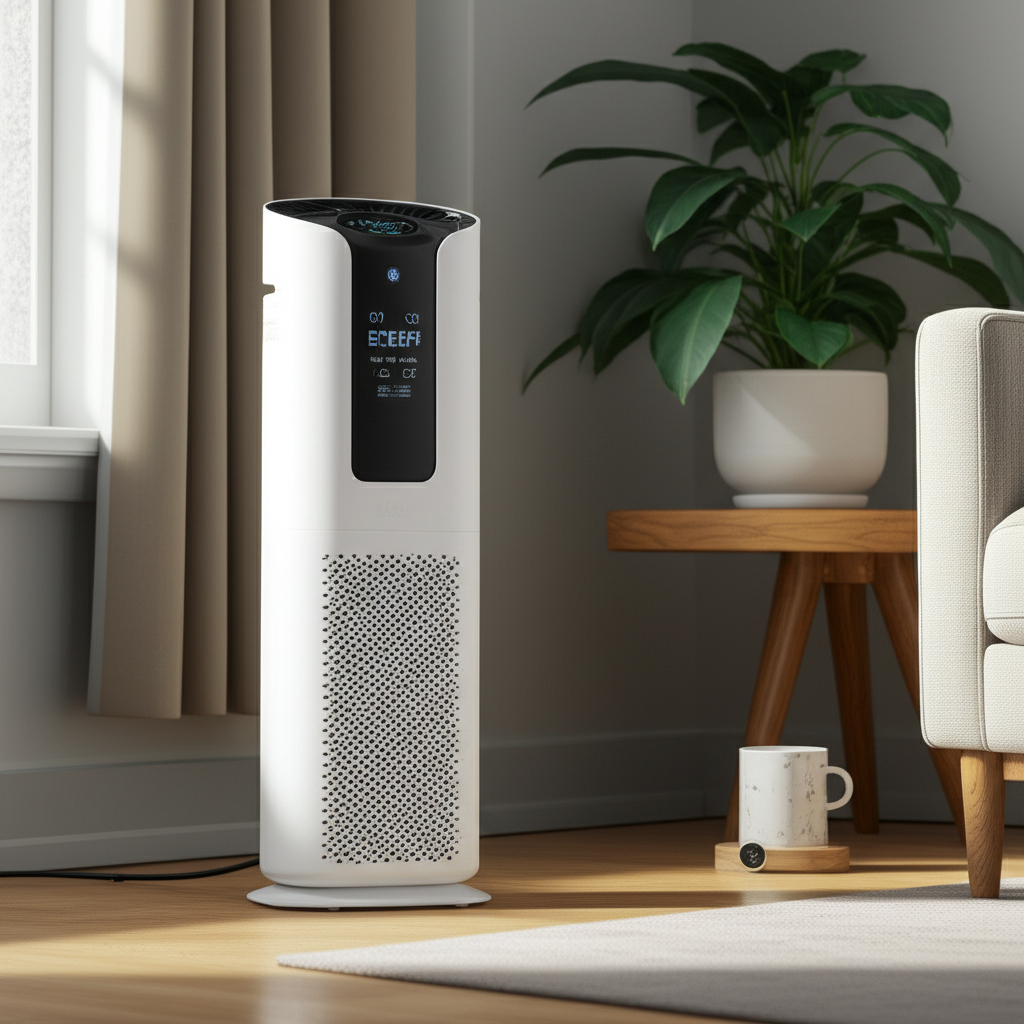
HEPA filters are designed to catch particles of a specific size. They excel at capturing particles around 0.3 microns. This size is considered the most penetrating particle size. This means it’s the hardest size for filters to trap. If a filter can catch these, it’s very good at catching larger and even smaller particles too. This makes them ideal for trapping common allergens like pollen, mold spores, and dust.
Beyond HEPA: Other Important Filter Types
While HEPA filters are essential, other filters enhance an air purifier’s ability to combat allergies. Activated carbon filters are a great addition. They absorb gases, odors, and volatile organic compounds (VOCs). This means they can help with smells from pets, cooking, or even off-gassing from furniture. Some purifiers also use pre-filters. These catch larger particles like hair and lint. This helps extend the life of the main HEPA filter.
Activated Carbon for Odors and VOCs
Activated carbon is like a sponge for smells and chemicals. It has a porous structure with a huge surface area. This allows it to trap odor molecules and VOCs. VOCs can come from cleaning products, paint, and air fresheners. They can sometimes irritate allergy and asthma symptoms. An activated carbon filter in your air purifier tackles these airborne pollutants. It helps create a fresher, more pleasant living space.
What is CADR and Why It Matters for Allergies
CADR stands for Clean Air Delivery Rate. It measures how quickly an air purifier cleans a room of specific pollutants. There are usually three CADR ratings: for smoke, dust, and pollen. For allergy sufferers, the pollen and dust ratings are most important. A higher CADR means the purifier works faster and more effectively. It’s a good indicator of how well the unit will perform in your space.
Matching CADR to Your Room Size
It’s vital to choose an air purifier with a CADR that matches your room size. A unit with a low CADR in a large room will struggle to clean the air efficiently. Most manufacturers provide recommendations for room coverage. Always check this information. For example, a purifier with a CADR of 200 for dust and pollen might be suitable for a medium-sized bedroom. For larger living areas, you’ll need a model with a higher CADR.
Key Features to Look for in an Allergy Air Purifier
When selecting whats the best air purifier for allergies, consider several features. Look for a true HEPA filter. Check the CADR rating for your room size. An activated carbon filter is beneficial for odors. Consider noise levels, especially for bedrooms. Some units have smart features like air quality sensors and automatic modes. These can help optimize performance and energy use.
Air Quality Sensors and Auto Mode
Many modern air purifiers come with air quality sensors. These sensors detect the level of pollutants in the air. They then automatically adjust the fan speed. If the air quality is poor, the fan speeds up. When the air is clean, it slows down. This auto mode is convenient. It ensures your purifier is always working to keep your air clean without you having to constantly adjust settings.
Noise Levels and Sleep Mode
Noise can be a significant factor, especially for bedrooms or offices. Air purifiers have different noise levels, measured in decibels (dB). Look for models that operate quietly. Many purifiers offer a “sleep mode” or “night mode.” This mode reduces fan speed and dims indicator lights. It allows the unit to run quietly while you sleep. This ensures you can breathe clean air without being disturbed.
Top Air Purifier Brands and Models for Allergy Sufferers
Several brands are known for producing effective air purifiers for allergies. Coway, Levoit, Blueair, and Winix are popular choices. They often feature true HEPA filters and robust activated carbon layers. For example, the Coway Airmega 200M is a popular choice for medium to large rooms. Levoit’s Core series offers compact options for smaller spaces. Always check recent reviews for the latest models and performance data.
Example: Coway Airmega 200M Performance Data
The Coway Airmega 200M is frequently recommended for allergy relief. It features a multi-stage filtration system, including a washable pre-filter, an activated carbon filter, and a true HEPA filter. Its CADR is rated for rooms up to 361 square feet. In testing, it effectively removes common allergens like dust and pollen. It also includes an air quality sensor and an eco-mode for energy saving.
Factors to Consider Beyond Filters
While filters are key, other aspects matter for whats the best air purifier for allergies. Consider the unit’s size and design. Will it fit your space? Energy consumption is another factor; look for ENERGY STAR certified models. Maintenance is also important. How often do filters need replacing? Are replacement filters expensive? These practical considerations impact the long-term usability and cost.
Filter Replacement Costs and Schedule
Replacement filters are an ongoing cost for air purifiers. True HEPA and activated carbon filters need regular replacement. This can range from every 6 months to 2 years, depending on usage and air quality. Check the cost of replacement filters before buying a unit. Some brands offer filter subscription services. This can sometimes save money and ensures you replace filters on time.
User Reviews and Expert Recommendations
Reading reviews from other allergy sufferers can be very helpful. Look for comments specifically mentioning allergy symptom improvement. Expert reviews from reputable tech sites also offer valuable insights. They often conduct rigorous testing. Websites like Wirecutter or Consumer Reports provide in-depth comparisons. They help you understand real-world performance.
A Real-World Allergy Sufferer’s Experience
“Since I got my Coway air purifier, my morning congestion has vanished. I used to wake up stuffy every day, but now I can breathe freely. My cat still sheds, but I don’t have the constant sneezing fits anymore. It’s made a huge difference in my home environment.” – Sarah K.
How to Maximize Your Air Purifier’s Effectiveness
To get the most out of your air purifier, place it strategically. Put it in the room where you spend the most time. For allergy sufferers, this is often the bedroom. Keep doors and windows closed while the purifier is running. This prevents new allergens from entering. Regularly clean the pre-filter if your unit has one. This ensures optimal airflow and filter performance.
Placement Tips for Best Airflow
The best placement for an air purifier is where it can draw in and expel air freely. Avoid placing it directly against walls or furniture. This can obstruct airflow. Placing it on a table or stand can improve circulation. In a bedroom, positioning it near your bed can provide direct relief while you sleep. Ensure the unit has enough space around it to function efficiently.
Frequently Asked Questions About Allergy Air Purifiers
Can an air purifier cure my allergies?
No, an air purifier cannot cure allergies. It helps reduce the allergens in your air. This can significantly lessen your symptoms and improve your quality of life.
How often should I run my air purifier for allergies?
For best results, run your air purifier continuously, especially in rooms where you spend a lot of time. Using the auto mode is also effective.
Do air purifiers help with pet dander allergies?
Yes, air purifiers with true HEPA filters are very effective at capturing pet dander. They help remove this common allergen from your home.
What is a good CADR for a small bedroom?
For a small bedroom (around 100-150 sq ft), a CADR of 100-150 for dust and pollen is generally sufficient. Always check the manufacturer’s room size recommendations.
How do I know if my air purifier is working?
You might notice a reduction in allergy symptoms like sneezing or itchy eyes. Some purifiers have air quality indicators that show when they are cleaning the air.
Are expensive air purifiers always better for allergies?
Not necessarily. While premium models may have more features, many affordable units with true HEPA filters perform very well for allergy relief. Focus on filter type and CADR.
Conclusion: Breathe Easier with the Right Air Purifier
Finding whats the best air purifier for allergies is about understanding your needs and the technology. A true HEPA filter is non-negotiable for trapping those tiny allergy triggers. Look for a suitable CADR for your room size and consider features like activated carbon filters for odors. Brands like Coway and Levoit offer reliable options. By choosing wisely and maintaining your unit, you can significantly reduce allergens in your home. This will bring you proven relief and allow you to enjoy your living space again. Start your journey to cleaner air today and feel the difference.
