
What’s the Best Air Purifier for Asthma: Essential Guide

The best air purifier for asthma uses HEPA filters to capture tiny particles like pollen and dust. Look for activated carbon filters to remove gases and odors. Ensure it’s sized for your room and has a low noise level for comfortable breathing and better sleep.
When asthma flares up, the air you breathe can make a big difference. Tiny irritants in your home, like dust mites, pet dander, and pollen, can trigger uncomfortable symptoms. Finding the right air purifier can help clean your indoor air, making it easier to breathe and reducing asthma attacks. This guide will help you choose the best air purifier for asthma by explaining what to look for and which features matter most.
Why Air Purifiers Help with Asthma
Air purifiers work by filtering out microscopic particles from the air. These particles are common triggers for asthma symptoms. A good air purifier can significantly reduce the amount of these triggers in your home’s air. This leads to fewer asthma attacks and a more comfortable living environment.
A good air purifier can make a noticeable difference for asthma sufferers by removing allergens and irritants from indoor air, leading to fewer symptoms and better respiratory health.
Many people with asthma find that their symptoms worsen indoors. This is often due to allergens that are trapped inside. An air purifier can help to combat this problem.
Understanding Asthma Triggers in Your Home
Common asthma triggers are often found in everyday household items. Dust mites live in bedding and carpets. Pet dander comes from cats and dogs. Mold spores can grow in damp areas. Pollen can enter your home from outside. Even strong smells from cleaning products can be a problem.
These tiny particles float in the air. They can easily be inhaled, causing inflammation in the airways. This inflammation is what leads to asthma symptoms like coughing and wheezing.
Key Features to Look for in an Asthma Air Purifier
When searching for the best air purifier for asthma, certain features are crucial. The most important is the filter type. A High-Efficiency Particulate Air (HEPA) filter is essential. It can trap at least 99.97% of airborne particles 0.3 microns in size.
Another important feature is an activated carbon filter. This type of filter is great at absorbing gases, odors, and volatile organic compounds (VOCs). VOCs can come from paints, furniture, and cleaning supplies, and they can irritate asthma.
HEPA Filters: The Gold Standard for Asthma
HEPA filters are the cornerstone of effective air purification for asthma. They are designed to capture very small particles that can trigger asthma. These include dust, pollen, pet dander, mold spores, and even some bacteria.
It’s important to look for true HEPA filters. Some air purifiers claim to be “HEPA-like” or “HEPA-type,” but these do not meet the same strict standards. Always check for “True HEPA” certification.
Activated Carbon Filters: Tackling Gases and Odors
While HEPA filters capture particles, activated carbon filters handle gases and smells. Asthma can be triggered by strong odors from perfumes, smoke, or cooking. Activated carbon has a porous structure that traps these gaseous pollutants.
The amount of activated carbon matters. Air purifiers with a substantial amount of carbon are more effective at removing odors and VOCs. This is especially helpful for people sensitive to chemical smells.
Sizing Your Air Purifier: Clean Air Delivery Rate (CADR)
Choosing the right size air purifier is vital for it to work effectively. Air purifiers are rated by their Clean Air Delivery Rate (CADR). This tells you how quickly the unit can clean the air in a room. Higher CADR numbers mean faster cleaning.
You need to match the air purifier’s CADR to the size of your room. A general rule is to choose a unit with a CADR that is two-thirds of the room’s square footage. For example, a 150 sq ft room needs a CADR of at least 100.
Understanding CADR and Room Size
CADR is measured for three common pollutants: dust, pollen, and smoke. The higher the CADR for each, the better the air purifier is at removing that specific pollutant. For asthma, all three are important.
You can find the CADR ratings on the product packaging or in the user manual. Websites like Energy Star also provide CADR information for many models. Ensuring your unit can handle your room size is key to getting clean air.
Noise Levels and Sleep Quality
Air purifiers can produce noise. For a bedroom, a quiet air purifier is essential. Look for models with low decibel (dB) ratings, especially on their lowest settings. Many air purifiers have a “sleep mode” that runs at a very low, quiet speed.
A loud air purifier can disrupt sleep, which is important for overall health and managing asthma. Check reviews for comments on noise levels. Some units are designed to be nearly silent.
Additional Features to Consider
Beyond filters and CADR, other features can enhance an air purifier’s usefulness. A filter change indicator lets you know when it’s time to replace the filters. This ensures the purifier continues to work effectively.
Some air purifiers have smart features, like app control or air quality sensors. These can automatically adjust the fan speed based on detected pollutants. A timer function can also be useful for controlling when the unit runs.
Top Air Purifier Types for Asthma Sufferers
There are several types of air purifiers, but for asthma, certain technologies stand out. True HEPA filters are non-negotiable. Combining HEPA with activated carbon is highly recommended.
HEPA + Activated Carbon: This is the most common and effective combination for asthma. It tackles both particles and gases.
Ionic Purifiers: These release negative ions that attach to particles, causing them to fall out of the air. However, some ionic purifiers can produce ozone, which is an asthma irritant. Be cautious with these.
UV-C Light Purifiers: UV-C light can kill germs and mold. It’s often used in conjunction with HEPA filters.
What’s the best air purifier for asthma? It’s one with a True HEPA filter, a good amount of activated carbon, and a CADR suitable for your room size. Consider noise levels for bedrooms and look for helpful features like filter indicators.
Comparing Popular Asthma-Friendly Air Purifiers
Let’s look at a few examples of air purifiers often recommended for asthma. These models generally offer a good balance of features and performance.
| Brand/Model | Filter Type | CADR (Dust/Pollen/Smoke) | Room Size (Sq Ft) | Key Features |
| :———————- | :——————————— | :———————– | :—————- | :———————————————- |
| Coway Airmega 200M | True HEPA, Activated Carbon | 121 / 134 / 110 | 361 | Air quality sensor, Auto mode, Sleep mode |
| Levoit Core 300S | True HEPA, Activated Carbon | 141 | 219 | Smart app control, Voice assistant compatible |
| Blueair Blue Pure 211+ | Pre-filter, True HEPA, Carbon | 185 | 540 | Low noise, Washable pre-filter, Energy Star |
| Winix 5500-2 | True HEPA, Activated Carbon, Plasma | 120 / 120 / 110 | 360 | Air quality sensor, Auto mode, Remote control |
Note: CADR ratings and room coverage can vary slightly by manufacturer and testing. Always check the product specifications.
Expert Recommendations and User Experiences
Health organizations often recommend air purifiers with HEPA filters for allergy and asthma sufferers. For instance, the Asthma and Allergy Foundation of America (AAFA) suggests using air cleaners with HEPA filters. They emphasize that these filters are effective at removing common allergens.
Users often report significant improvements in their asthma symptoms after using a good air purifier. Many share that they experience fewer nighttime awakenings due to breathing difficulties. Some find relief from sneezing and congestion.
Maintaining Your Air Purifier for Optimal Performance
To ensure your air purifier continues to work well, regular maintenance is key. This primarily involves cleaning and replacing the filters. Follow the manufacturer’s instructions for filter replacement schedules.
HEPA Filter: Usually needs replacing every 6-12 months.
Activated Carbon Filter: May need replacement every 3-6 months, especially if you have strong odors.
Pre-filters: Often washable and should be cleaned regularly to extend the life of the main filters.
Neglecting filter changes means the purifier can’t capture pollutants effectively. It can even become a source of allergens if filters are clogged.
Cost Considerations: Initial Purchase vs. Long-Term Value
The price of air purifiers can range from under $100 to over $500. While a cheaper unit might seem appealing, it may not have the necessary features or effectiveness for asthma. Consider the long-term cost, including filter replacements.
A higher-quality unit with True HEPA and substantial activated carbon might cost more initially. However, its effectiveness and durability can provide better value and relief over time. Look for Energy Star certified models to save on electricity costs.
Where to Place Your Air Purifier
The placement of your air purifier matters for maximum efficiency. In a bedroom, place it near your bed where you spend the most time. In a living area, position it in a central location where air can circulate freely.
Avoid placing the unit directly against walls or furniture. This can block the air intake and reduce its performance. Ensure there’s space around the unit for proper airflow.
Frequently Asked Questions about Air Purifiers for Asthma
Can an air purifier cure asthma?
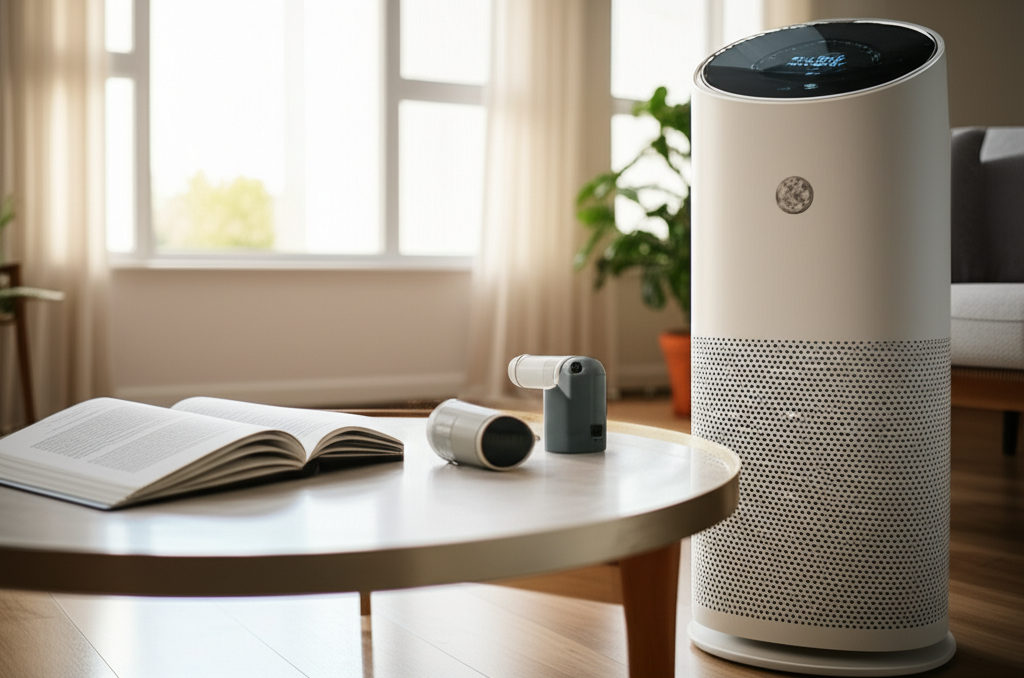
No, an air purifier cannot cure asthma. It helps manage symptoms by cleaning the air. It’s a tool to reduce triggers, not a medical treatment.
How often should I run my air purifier for asthma?
For best results, run your air purifier continuously, especially in the room where you spend the most time. Many models have energy-saving modes for when you are not present.
Are ozone-producing air purifiers bad for asthma?
Yes, ozone is a lung irritant and can worsen asthma symptoms. It’s best to avoid air purifiers that intentionally produce ozone. Look for ozone-free certifications.
How do I know if my air purifier is working?
You should notice a reduction in airborne allergens like dust and pet dander. Odors should also be less noticeable. Many purifiers have air quality indicators that show changes in air purity.
What is the difference between a HEPA filter and a washable filter?
A True HEPA filter captures 99.97% of particles 0.3 microns in size. Washable filters, often pre-filters, capture larger particles and can be cleaned. They do not offer the same level of fine particle filtration as HEPA filters.
Conclusion: Finding Your Best Air Purifier for Asthma
Choosing the best air purifier for asthma involves understanding your needs and the features that matter most. A True HEPA filter is essential for capturing tiny allergens. Activated carbon filters help remove irritating gases and odors. Ensure the unit is sized correctly for your room using CADR ratings. Pay attention to noise levels, especially for bedrooms. Regular maintenance, like changing filters, is crucial for continued effectiveness. By considering these factors, you can find an air purifier that helps you breathe easier and manage your asthma more comfortably.
If you found this guide helpful, consider subscribing to HomeHygia for more tips on creating a healthier home environment.
